
Multiple Sclerosis (MS) is a complex neurological condition that affects the central nervous system. The unpredictable nature of its onset and the wide spectrum of potential symptoms can make early diagnosis challenging. However, in our increasingly digitized world, technology is emerging as a powerful ally in the journey to understanding and identifying the subtle, often elusive, early signs of MS. This article will delve into the various early symptoms of MS and explore how technological advancements are revolutionizing our ability to detect, track, and manage these initial indicators, empowering individuals with greater awareness and facilitating timely medical intervention.
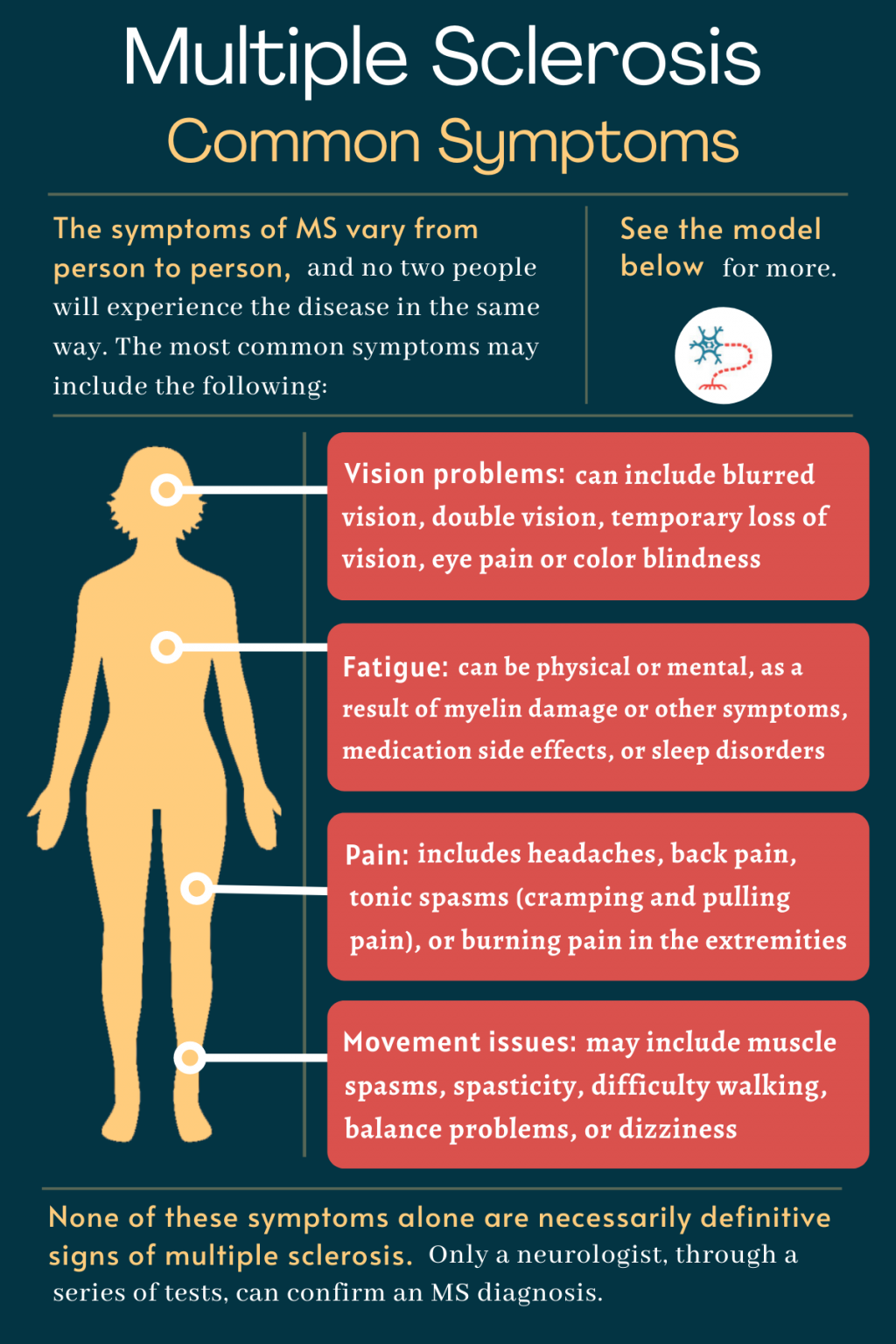
The Multifaceted Manifestations of Early MS
Multiple Sclerosis is characterized by the immune system mistakenly attacking the myelin sheath, the protective covering around nerve fibers in the brain and spinal cord. This damage disrupts the flow of information between the brain and the body, leading to a diverse range of neurological symptoms. While MS can affect individuals differently, certain early warning signs are more commonly reported. Understanding these symptoms is the first crucial step, and technology can play a significant role in helping individuals recognize and document them.
Visual Disturbances: A Common Ocular Indicator
One of the most frequently reported early symptoms of MS involves vision problems. This can manifest in several ways, often affecting one eye initially.
Optic Neuritis: Inflammation of the Optic Nerve
Optic neuritis is a hallmark early symptom for many individuals with MS. It involves inflammation of the optic nerve, which transmits visual information from the eye to the brain. This inflammation can cause:
- Blurred Vision: A general reduction in visual clarity.
- Pain with Eye Movement: A dull ache or pain that intensifies when the eye moves.
- Loss of Color Vision: Colors may appear washed out or less vibrant.
- Reduced Contrast Sensitivity: Difficulty distinguishing between shades of light and dark.
- Temporary Vision Loss: In some cases, a sudden and temporary loss of vision in one eye may occur.
Technological tools can aid in monitoring these visual changes. While not diagnostic, apps designed for eye tracking or visual acuity testing can provide objective data that individuals can share with their ophthalmologist. Smart glasses and wearable cameras, still in their nascent stages for widespread medical application, hold future potential for recording visual disturbances and subtle changes in visual field. Moreover, online resources and health forums, accessible via digital devices, can offer educational materials and connect individuals experiencing similar symptoms, fostering a sense of community and shared experience.
Sensory Changes: Altered Sensations and Numbness
Alterations in sensation are another prevalent early sign of MS. These can be peculiar and sometimes dismissed as minor discomforts.
Paresthesias: Tingling, Numbness, and “Pins and Needles”
The most common sensory symptom is paresthesia, which describes abnormal sensations such as:
- Tingling: A prickling or buzzing sensation.
- Numbness: A loss of feeling, often described as being “asleep.”
- Burning or Itching: Unexplained sensations of heat or irritation.
- “Pins and Needles”: A characteristic prickling or stinging feeling.
These sensations can occur in various parts of the body, including the face, limbs, or trunk, and can fluctuate in intensity and duration.
Hypoesthesia: Reduced Sensation
In some instances, individuals may experience hypoesthesia, a diminished sense of touch, pressure, or temperature. This can lead to a decreased awareness of external stimuli in affected areas.
Lhermitte’s Sign: The “Electric Shock” Sensation
A particularly distinctive sensory symptom is Lhermitte’s sign, often described as an electric shock-like sensation that travels down the spine and into the limbs when the neck is flexed. While this can occur in other conditions, its presence in conjunction with other neurological symptoms warrants attention.
The role of technology in tracking these sensory changes is multifaceted. Digital journaling apps, with their ability to timestamp entries and categorize symptoms, can help individuals meticulously record the frequency, location, and intensity of their paresthesias or hypoesthesias. Wearable devices equipped with advanced sensors, while still evolving for precise neurological symptom tracking, might in the future provide biometric data correlated with subjective sensory experiences. Furthermore, telemedicine platforms, powered by secure video conferencing and data sharing capabilities, enable individuals to discuss these often subtle and difficult-to-describe symptoms with neurologists remotely, breaking down geographical barriers to healthcare access.
Motor Impairments: Weakness, Coordination, and Balance Issues
As MS progresses, it can affect motor function, leading to a range of challenges in movement and coordination. Early signs can be subtle but impactful.
Muscle Weakness and Fatigue
Generalized fatigue is a hallmark symptom of MS, but localized muscle weakness can also emerge early on. This can affect:
- Limb Strength: Difficulty lifting objects, climbing stairs, or maintaining posture.
- Fine Motor Skills: Challenges with tasks requiring dexterity, such as writing or buttoning clothes.
This weakness can be more pronounced after periods of exertion or when the body is overheated.
Balance Problems and Dizziness
A sense of unsteadiness, dizziness, or vertigo can be an early indicator of MS, particularly if it’s not attributable to other causes. This can affect gait, making walking more difficult and increasing the risk of falls.
Spasticity: Muscle Stiffness and Involuntary Spasms
While often associated with more advanced stages, mild spasticity, or muscle stiffness and involuntary spasms, can sometimes be an early symptom. This can manifest as a feeling of tightness or resistance in the muscles.
Gait Disturbances
Subtle changes in walking patterns, such as a slight dragging of a foot, reduced arm swing, or an unsteadier gait, can be early indicators of neurological impact.
Technology offers innovative solutions for monitoring and managing motor impairments. Specialized apps can guide users through balance exercises and track progress. Wearable accelerometers and gyroscopes, integrated into smartwatches or fitness trackers, can analyze gait patterns and detect deviations from a baseline, providing objective data for clinicians. Virtual reality (VR) and augmented reality (AR) technologies are increasingly being used in physical therapy to create immersive and engaging rehabilitation programs, helping individuals to retrain muscles and improve coordination. Furthermore, online patient communities and support groups, facilitated by digital platforms, provide a space for individuals to share strategies for managing fatigue and motor challenges, offering practical advice and emotional support.
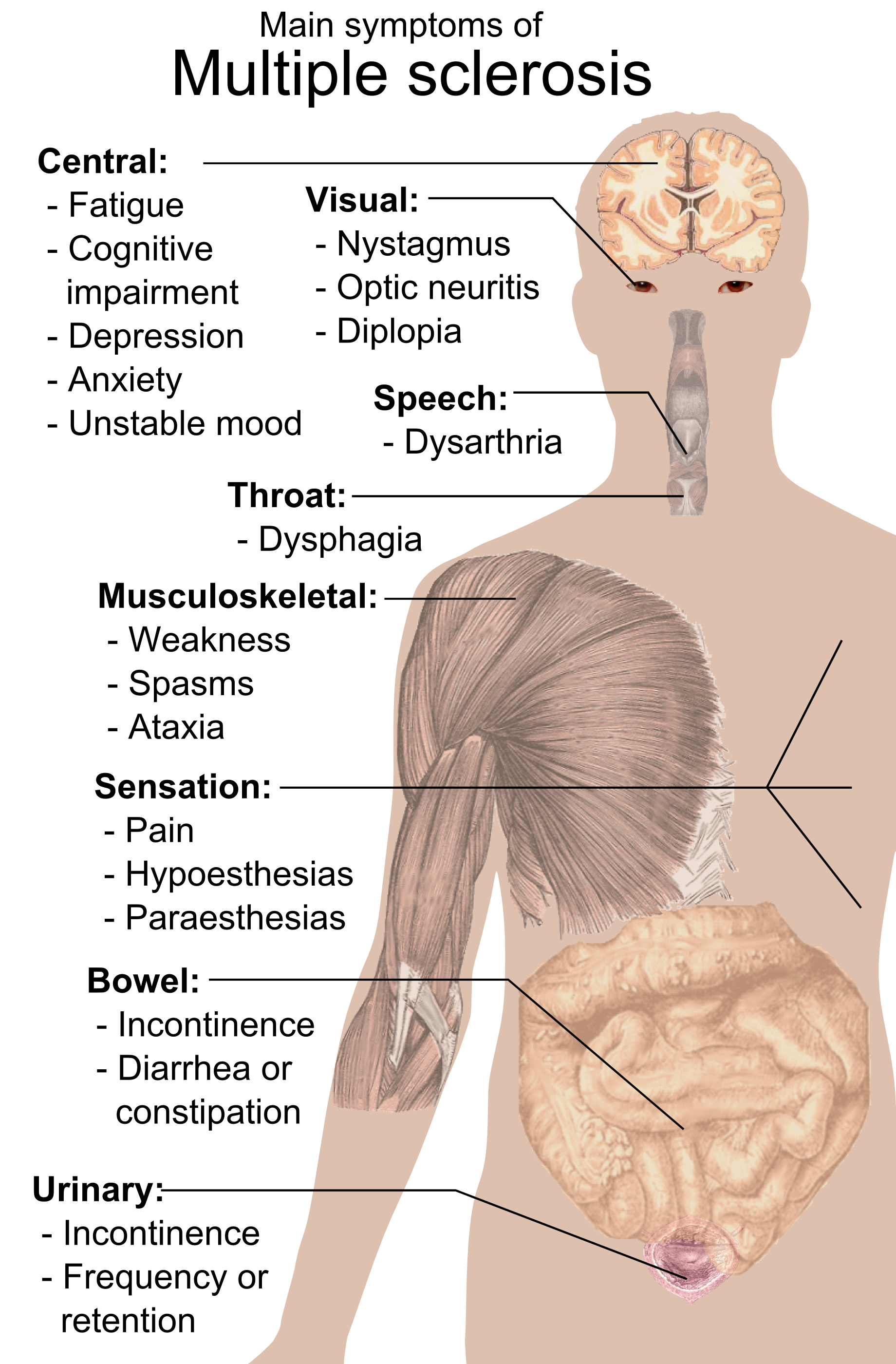
Cognitive and Emotional Changes: Subtle Shifts in Mental Functioning
Beyond the physical manifestations, MS can also affect cognitive abilities and emotional well-being, often in ways that are initially subtle and easily overlooked.
Cognitive Impairment: Memory, Concentration, and Information Processing
Early cognitive changes in MS can include:
- Short-Term Memory Lapses: Forgetting recent events or conversations.
- Difficulty Concentrating: Struggling to focus on tasks or maintain attention.
- Slowed Information Processing: Taking longer to understand or respond to information.
- Executive Function Challenges: Difficulties with planning, organizing, and problem-solving.
These changes can be frustrating and impact daily life, but they are often not immediately recognized as a symptom of a neurological condition.
Emotional Changes: Depression, Anxiety, and Mood Swings
The neurological impact of MS can also manifest as emotional disturbances. Depression and anxiety are more common in individuals with MS, and mood swings can occur. These changes can be a direct result of the disease affecting brain pathways responsible for mood regulation.
The integration of technology in this domain is crucial for early detection and intervention. Digital cognitive assessment tools and brain-training apps can provide baseline measures and track subtle changes over time, offering valuable insights to both individuals and their healthcare providers. Sophisticated AI algorithms are being developed to analyze patterns in speech, typing speed, and online behavior that may indicate cognitive decline. For emotional well-being, mental health apps offering guided meditations, mood tracking, and access to online therapy services can be invaluable. Furthermore, wearable devices are beginning to incorporate biosensors that can monitor physiological indicators of stress and emotional state, providing data that can be correlated with subjective reports.
The Technological Nexus: Empowering Early Detection and Management
The convergence of technology and healthcare has created an unprecedented opportunity for individuals to become more proactive in understanding and managing their health, particularly in the context of complex conditions like MS. From sophisticated diagnostic tools to everyday digital aids, technology is empowering us to identify and address early symptoms with greater precision and accessibility.
Digital Health Tools for Symptom Tracking and Reporting
The widespread availability of smartphones and the proliferation of health and wellness applications have revolutionized personal health management. For individuals concerned about potential early MS symptoms, these tools offer a robust platform for self-monitoring and data collection.
Mobile Applications: Your Digital Health Journal
Numerous mobile applications are designed to serve as digital health journals. Users can log specific symptoms, including their location, intensity, frequency, and any perceived triggers or relieving factors. This detailed, timestamped record is invaluable for identifying patterns and providing concrete information to neurologists during consultations. Some apps are even developing AI-powered symptom analysis, which can flag recurring or potentially concerning patterns that might otherwise be missed.
Wearable Devices: Continuous Monitoring and Objective Data
Wearable technology, such as smartwatches and fitness trackers, are evolving beyond basic activity monitoring. Advanced models now incorporate a range of sensors capable of tracking heart rate variability, sleep patterns, and even subtle changes in gait and balance. While not a direct diagnostic tool for MS, the data collected by these devices can provide objective physiological indicators that may correlate with neurological changes. For instance, a sudden increase in falls or a noticeable change in gait stability, as detected by a wearable, could prompt an individual to seek medical advice.
Telemedicine and Remote Monitoring: Bridging the Gap
Telemedicine platforms have dramatically increased access to healthcare professionals. For individuals experiencing potential early MS symptoms, these platforms allow for remote consultations with neurologists, reducing the need for burdensome travel and enabling more frequent check-ins. Furthermore, remote monitoring systems, often integrated with wearable devices or home-based sensors, can transmit vital health data directly to healthcare providers, facilitating early detection of any significant changes and allowing for timely intervention.
AI and Machine Learning: Unlocking Diagnostic Potential
Artificial intelligence (AI) and machine learning (ML) are poised to transform the landscape of MS diagnosis and management. Their ability to analyze vast datasets and identify complex patterns is already yielding promising results.
Advanced Imaging Analysis
AI algorithms are being trained to analyze MRI scans with unprecedented accuracy, identifying subtle lesions and patterns that might be missed by the human eye. This can lead to earlier and more precise diagnoses, particularly in cases where symptoms are ambiguous.
Predictive Analytics for Early Risk Identification
ML models are being developed to analyze a combination of genetic, environmental, and clinical data to identify individuals at higher risk of developing MS. While still in its early stages, this predictive capability could lead to more targeted screening and preventative strategies.
Personalized Treatment and Symptom Management
Once diagnosed, AI can assist in creating personalized treatment plans by analyzing a patient’s unique symptom profile, genetic makeup, and response to various therapies. Furthermore, AI-powered chatbots and virtual assistants can provide ongoing support, answer frequently asked questions, and offer personalized advice for managing symptoms and maintaining well-being.
Digital Resources and Online Communities: Education and Support
The internet has become an indispensable resource for health information and support. For individuals navigating the complexities of potential MS symptoms, digital platforms offer vital educational content and a sense of community.
Comprehensive Online Health Portals and Educational Materials
Reputable health organizations and MS societies provide extensive online resources that offer detailed information about MS, its symptoms, diagnostic processes, and treatment options. These platforms are crucial for empowering individuals with knowledge and demystifying the condition.
Online Support Groups and Forums: Peer-to-Peer Connection
Connecting with others who have similar experiences can be incredibly beneficial. Online support groups and forums provide a safe and accessible space for individuals to share their concerns, exchange coping strategies, and find emotional support. These digital communities can help alleviate feelings of isolation and provide practical advice from those who understand firsthand.
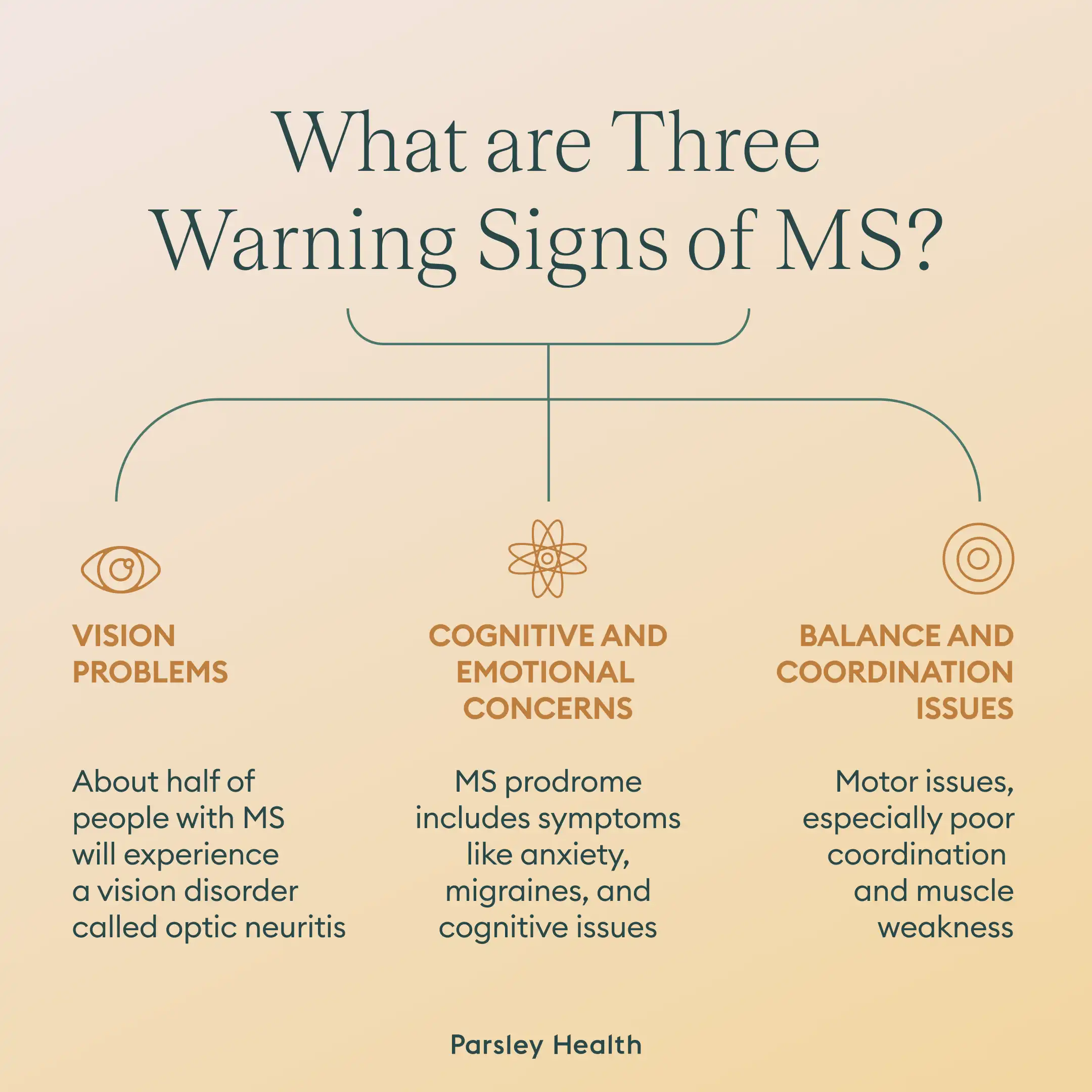
Conclusion: A Tech-Enabled Path to Early Awareness
The journey to understanding and managing Multiple Sclerosis often begins with recognizing its early symptoms. While the condition can be complex and its presentation varies greatly, the increasing integration of technology into our lives offers a powerful toolkit for early detection, accurate tracking, and informed management. From the intuitive interface of a symptom-tracking app on your smartphone to the sophisticated analytical capabilities of AI in medical imaging, technology is democratizing health awareness and empowering individuals to take a more active role in their well-being. By embracing these technological advancements, staying informed through reliable digital resources, and connecting with supportive online communities, individuals can navigate the early stages of MS with greater confidence and pave the way for timely diagnosis and effective intervention. The future of MS care is intrinsically linked to technological innovation, promising a more proactive, personalized, and ultimately, more hopeful path for those affected by this challenging condition.
aViewFromTheCave is a participant in the Amazon Services LLC Associates Program, an affiliate advertising program designed to provide a means for sites to earn advertising fees by advertising and linking to Amazon.com. Amazon, the Amazon logo, AmazonSupply, and the AmazonSupply logo are trademarks of Amazon.com, Inc. or its affiliates. As an Amazon Associate we earn affiliate commissions from qualifying purchases.