
The term “diplomatic passport” often conjures images of high-stakes international negotiations, secret meetings, and privileged travel. But what exactly is a diplomatic passport, and who is entitled to one? This isn’t just another travel document; it’s a powerful symbol and a tool that facilitates the intricate dance of international diplomacy. While seemingly confined to the realm of government officials, understanding its function offers a fascinating glimpse into the mechanics of global relations and the protections afforded to those who represent their nations abroad.
In essence, a diplomatic passport is a special type of passport issued by a government to its diplomats and other high-ranking officials who are undertaking official government business abroad. It signifies their status and grants them certain privileges and immunities that are crucial for carrying out their duties effectively and safely. These passports are distinct from ordinary passports, which are issued to citizens for personal travel, and from official passports, which are typically for government employees on shorter, less sensitive assignments.

The issuance and use of diplomatic passports are governed by international law, primarily the Vienna Convention on Diplomatic Relations (1961). This convention outlines the privileges, immunities, and courtesies that are extended to diplomats in the host country. The diplomatic passport serves as tangible proof of this status, allowing border officials and authorities in foreign nations to recognize the bearer as an official representative of their home country.
While the concept of diplomatic passports is rooted in international law and governmental protocols, its existence and implications have fascinating connections to the broader themes of our digital age, strategic brand representation, and the financial underpinnings of global engagement.
The Foundations of Diplomatic Passports: History and Legal Framework
The concept of diplomatic immunity and the need for special travel documents for representatives of sovereign states is not a modern invention. Its roots can be traced back centuries, evolving alongside the development of international relations and the establishment of embassies and consulates.
Historical Precedents and the Evolution of Diplomatic Immunity
Even in ancient times, envoys sent between warring or allied city-states were often afforded a degree of protection to ensure their safe passage and ability to negotiate. However, these protections were often informal and subject to the whims of the receiving ruler. The formalization of diplomatic relations began to take shape during the Renaissance in Europe, with the establishment of permanent diplomatic missions.
As nations began to interact more frequently and formally, the need for a standardized system of diplomatic protocol became apparent. This was driven by the desire to prevent misunderstandings, ensure the smooth flow of communication, and protect diplomats from harassment or reprisal that could escalate into international incidents. The concept of extraterritoriality, the idea that a diplomat’s person and premises are inviolable and outside the jurisdiction of the host country, gradually took hold.
The Vienna Convention: The Modern Cornerstone of Diplomatic Practice
The most significant development in codifying diplomatic relations and the associated privileges came with the adoption of the Vienna Convention on Diplomatic Relations in 1961. This landmark treaty, ratified by a vast majority of nations, established a comprehensive framework for diplomatic intercourse, including the appointment, functions, privileges, and immunities of diplomatic missions and their personnel.
The Convention explicitly recognizes the need for diplomats to travel freely and without undue hindrance to perform their duties. While it doesn’t specifically mandate the issuance of “diplomatic passports” by name, it provides the legal basis for states to issue such documents and for receiving states to honor them. The Convention outlines that diplomatic agents:
- Shall not be liable to any form of arrest or detention: Their person shall be inviolable.
- Enjoy immunity from criminal jurisdiction of the receiving State: This is a cornerstone of their ability to operate without fear of politically motivated prosecution.
- Enjoy immunity from its civil and administrative jurisdiction: With certain exceptions, such as when acting in a private capacity.
- Shall enjoy inviolability for their residence and property: Protecting them and their sensitive information.
The diplomatic passport serves as the physical embodiment of these immunities and privileges, signaling to authorities in any country that the bearer is an accredited representative of another sovereign state, subject to specific international legal protections.
Who Holds a Diplomatic Passport and Why?
The issuance of diplomatic passports is a carefully controlled process, reserved for individuals who hold specific positions and are engaged in specific activities on behalf of their nation. It’s not a perk for casual travelers or a status symbol for the well-connected. The underlying principle is to facilitate official state functions and ensure the unimpeded execution of foreign policy.
Core Recipients: Diplomats and High-Ranking Government Officials
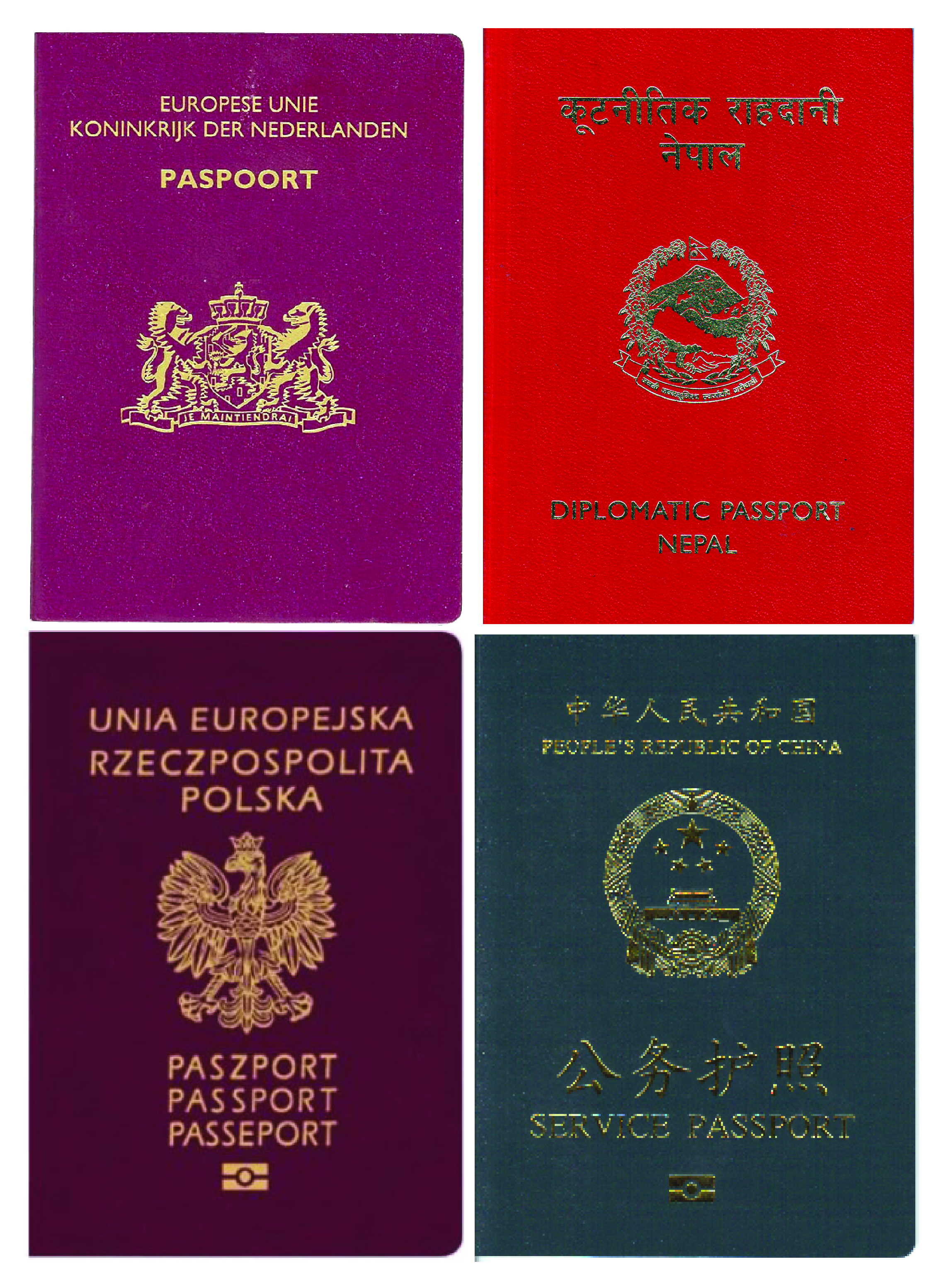
The primary recipients of diplomatic passports are career diplomats who serve in embassies and consulates abroad. This includes ambassadors, chargés d’affaires, counselors, secretaries, and other members of diplomatic staff. Their daily work involves representing their country’s interests, negotiating treaties, fostering economic ties, providing consular services to citizens, and engaging in cultural exchange.
Beyond career diplomats, diplomatic passports are also issued to:
- Heads of State and Government: When traveling on official duties.
- Ministers and High-Level Government Officials: When undertaking specific international assignments, such as attending global summits, leading delegations, or conducting sensitive negotiations.
- Special Envoys: Individuals appointed for specific missions, often in times of crisis or for delicate diplomatic tasks.
- Certain Senior Civil Servants: When their duties require them to travel internationally on behalf of the government in capacities that warrant diplomatic status.
The rationale behind these issuances is directly tied to the effectiveness and security of their missions. Imagine an ambassador needing to travel to a country with which their own nation has strained relations. Without diplomatic status, they could be subject to routine questioning, searches, or even detention, severely hindering their ability to perform their vital role. The diplomatic passport ensures they can move with a degree of freedom and respect, allowing them to focus on their negotiations and representation.
The Privileges and Immunities: Enabling Effective Representation
The privileges and immunities granted to diplomatic passport holders are not about personal luxury or escaping accountability. They are essential tools for the effective and secure conduct of international affairs. These privileges, as outlined by the Vienna Convention and upheld by the recognition of diplomatic passports, include:
- Freedom of Movement: Diplomatic passport holders are generally allowed to enter and exit countries without the standard visa requirements and with minimal border checks. This is crucial for attending urgent meetings, responding to evolving international situations, or swiftly relocating personnel.
- Inviolability of Person: As mentioned, diplomats cannot be arrested or detained in the host country. This protects them from politically motivated actions by foreign governments and ensures their safety while they are representing their nation.
- Immunity from Jurisdiction: Diplomatic agents are immune from the criminal, civil, and administrative jurisdiction of the host country. This prevents them from being entangled in local legal disputes or subjected to foreign laws, which could be used to impede their diplomatic functions.
- Inviolability of Premises and Communications: The diplomatic mission’s premises and their official communications are also protected, safeguarding sensitive information and the sanctity of their official operations.
- Tax Exemptions: Diplomatic personnel are often exempt from certain taxes and customs duties, which is a practical measure to ensure that their financial resources are not depleted by local levies, allowing them to perform their duties without undue financial burden.
These immunities are reciprocal. The granting of such privileges to a nation’s diplomats implies a commitment to extend similar protections to the diplomats of other countries within one’s own borders. This mutual respect forms a critical pillar of stable international relations.
Beyond Borders: The Impact on Brand and Digital Security
While the primary function of a diplomatic passport is rooted in international law and personal security, its existence and use have broader implications that resonate with themes of brand representation and digital security in our interconnected world.
Representing the National Brand on the Global Stage
In a highly competitive global landscape, every nation is, in a sense, a brand. The way its representatives conduct themselves, the agreements it strikes, and the image it projects are all critical components of its national brand. Diplomatic passports, held by individuals who are the face of their nation, directly influence this perception.
A diplomat, empowered by the privileges and immunities of their passport, can operate more freely and effectively to promote their country’s economic interests, cultural heritage, and political values. Their ability to attend high-level forums, engage in sensitive negotiations, and build relationships is amplified by their diplomatic status. This translates into tangible benefits for the nation’s brand, attracting investment, fostering tourism, and enhancing its geopolitical standing.
Conversely, any perceived misuse of diplomatic privileges or immunities, or any incident that brings discredit to a diplomat, can negatively impact the nation’s brand. This highlights the importance of stringent selection processes and robust ethical guidelines for diplomatic personnel. The “brand” of the nation is, in many ways, a reflection of the professionalism and integrity of its diplomatic corps.
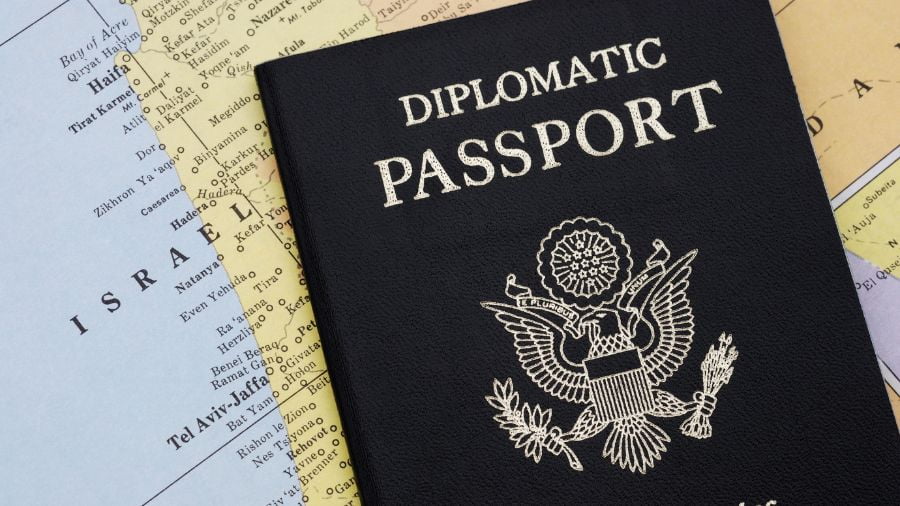
Digital Security and the Diplomatic Sphere
In the digital age, the concept of security extends far beyond physical protection. Diplomatic communications, data, and operations are increasingly reliant on digital infrastructure. Diplomatic passports, while not directly digital documents, are intrinsically linked to the need for enhanced digital security for those who carry them.
Diplomats often handle highly sensitive information, from classified government documents to personal data of citizens seeking consular assistance. Their digital devices and communications are prime targets for espionage and cyberattacks. The immunities afforded by their status extend, in spirit, to the protection of their digital assets. For instance, while a nation can’t legally compel a diplomat to surrender their devices, the underlying principle of protecting their work and communications is paramount.
The need for secure communication channels, encrypted data storage, and robust cybersecurity protocols within diplomatic missions is therefore immense. The potential for a data breach involving a diplomatic passport holder could have far-reaching geopolitical consequences, exposing state secrets, compromising ongoing negotiations, or jeopardizing national security. This drives continuous investment in advanced digital security solutions for diplomatic entities, ensuring that the information handled by those with diplomatic passports remains protected from unauthorized access and manipulation.
The intersection of diplomatic passports, national branding, and digital security underscores that these travel documents are more than just facilitators of travel; they are integral components of how nations engage with each other in an increasingly complex and interconnected world. Their effective and responsible use is crucial for maintaining international stability, fostering cooperation, and safeguarding national interests in both the physical and digital realms.
aViewFromTheCave is a participant in the Amazon Services LLC Associates Program, an affiliate advertising program designed to provide a means for sites to earn advertising fees by advertising and linking to Amazon.com. Amazon, the Amazon logo, AmazonSupply, and the AmazonSupply logo are trademarks of Amazon.com, Inc. or its affiliates. As an Amazon Associate we earn affiliate commissions from qualifying purchases.