
Denim jeans. A wardrobe staple, a symbol of rebellion, a testament to enduring style. From the rugged workwear of the Wild West to the high-fashion runways of today, denim jeans have woven themselves into the fabric of global culture. But have you ever stopped to ponder the very essence of what makes these iconic garments so durable, comfortable, and, dare we say, indispensable? The answer lies not just in the stitches and seams, but in the fundamental materials and the intricate processes that transform raw resources into the beloved blue jeans we wear. While the immediate thought might be a simple query about fabric, understanding what goes into denim jeans opens a surprising gateway to exploring themes that resonate deeply with the core interests of our platform: the technological innovation behind its production, the branding strategies that have elevated it to a cultural phenomenon, and even the financial implications of its global supply chain.

The Warp and Weft: The Core Material of Denim
At its heart, denim jeans are primarily made from cotton. This might seem straightforward, but the devil, as always, is in the details. Not all cotton is created equal, and the specific type and processing of cotton are crucial to the characteristic look, feel, and durability of denim.
The Cotton Cultivation: From Field to Fiber
The journey of denim begins in the cotton fields. While cotton grows in various regions worldwide, U.S. Pima cotton and Egyptian cotton are often prized for their long, strong fibers. These long fibers contribute to a smoother, more resilient yarn, which in turn creates a stronger, more durable denim fabric. Modern agricultural practices, heavily reliant on technology and AI tools, play a significant role in optimizing cotton growth. From precision irrigation systems that monitor soil moisture levels to AI-powered drones that detect early signs of pests and diseases, technology ensures higher yields and better quality cotton. This efficiency, driven by innovation, directly impacts the cost and availability of the raw material, a key consideration in the money aspect of the denim industry.
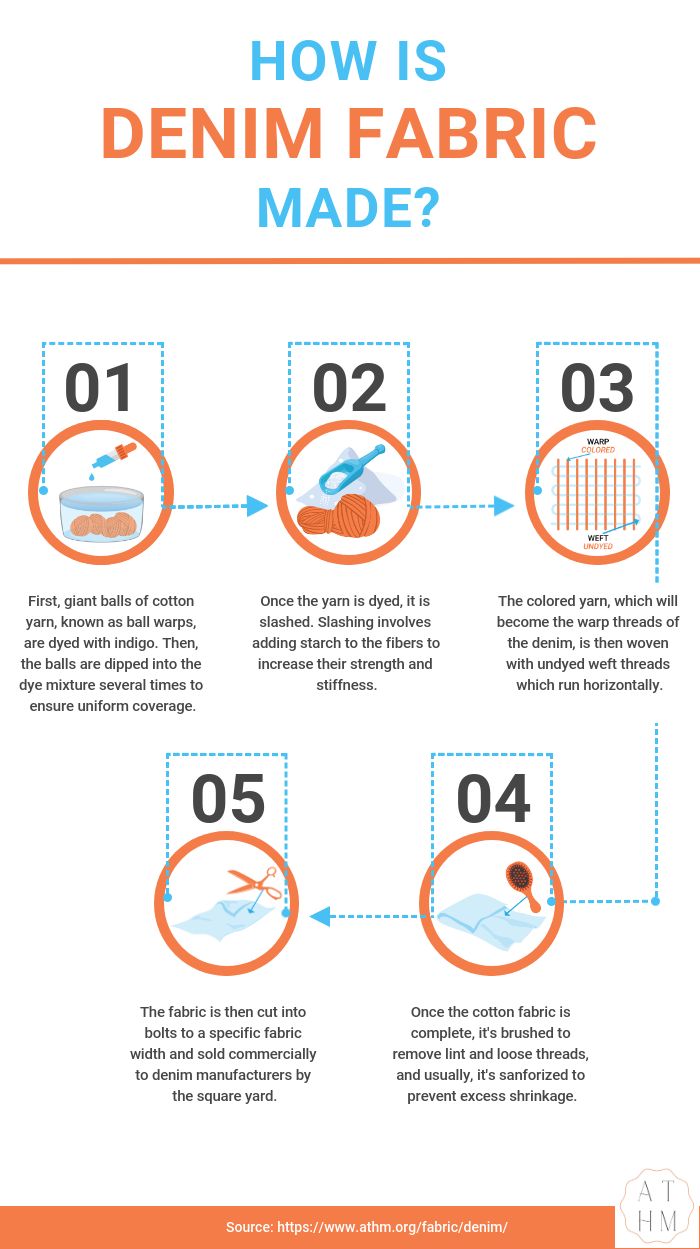
The cotton harvested is then ginned, a process that separates the fluffy fibers from the seeds. These fibers are then carded and combed to align them, creating a smooth, consistent sliver of cotton. This sliver is then spun into yarn. The spinning process is where the magic truly begins to happen for denim.
The Indigo Dye: The Signature Hue
The name “denim” itself hints at its origins. It’s believed to be derived from the French town of Nîmes, where a sturdy fabric called “serge de Nîmes” was produced. This fabric, however, was not yet the indigo-dyed marvel we know today. The true revolution came with the introduction of indigo dye.
Historically, indigo was a natural dye derived from the Indigofera tinctoria plant. The process of dyeing was labor-intensive and often involved fermentation vats. Today, while natural indigo is still used by some artisanal brands seeking a premium, synthetic indigo dominates the industry. This shift is a prime example of how technology has revolutionized traditional crafts, making production more scalable, consistent, and cost-effective. Synthetic indigo provides a vibrant, deep blue hue that is characteristic of classic denim.
The dyeing process itself is a carefully controlled chemical reaction. The cotton yarns are typically dyed in a series of baths, with the concentration of indigo and the time spent in the dye determining the depth of the color. This is where digital precision and advanced chemical engineering, technologies underpinning many of our discussed trends, come into play. Sophisticated machinery ensures uniform dyeing, preventing blotchiness and achieving the desired shade every time. This consistency is vital for brand reputation and maintaining customer expectations.
The Weave: Twill and Texture
Denim is a twill weave fabric. This means that the warp threads (running lengthwise) are passed over one or more weft threads (running crosswise) and then under two or more weft threads. This over-and-under pattern creates a distinctive diagonal ribbing on the surface of the fabric, which is a hallmark of denim. The warp yarns are typically dyed indigo, while the weft yarns are usually left undyed (white or natural cotton). This is why, when you look at the inside of your jeans, you see a lighter, whiteish fabric.
The tightness of the weave, the thickness of the yarn, and the specific twill pattern all contribute to the final characteristics of the denim. Heavier weight denim, often used for workwear, will feel stiffer and more durable, while lighter weight denim can be softer and more pliable. Understanding these nuances is key for designers and manufacturers in creating different styles of jeans, catering to diverse consumer preferences. This is a fundamental aspect of brand strategy – how to differentiate a product in a crowded market.
Beyond Cotton: The Evolution of Denim Materials
While cotton remains the undisputed king of denim, the industry is constantly evolving, driven by a desire for innovation, sustainability, and enhanced performance. This is where tech and money intersect with material science.
Stretch Denim: The Comfort Revolution
The introduction of elastane (Spandex/Lycra) in the late 20th century revolutionized denim. By blending a small percentage of elastane with cotton, manufacturers could create “stretch denim.” This innovation dramatically improved the comfort and fit of jeans, allowing for greater freedom of movement. The technology behind producing high-quality elastane and integrating it seamlessly with cotton is a testament to advancements in material science and chemical engineering.

The production of stretch denim requires specialized weaving techniques to ensure the elastane fibers are evenly distributed and effectively integrated into the fabric structure. This involves sophisticated machinery and precise control over tension and temperature during the weaving process. For brands, offering stretch denim became a competitive advantage, appealing to a wider consumer base seeking both style and comfort. This also has financial implications, as stretch denim can command a higher price point due to its enhanced features.
Sustainable Denim: A Growing Trend
Increasingly, consumers and brands are prioritizing sustainability in fashion. This has led to a surge in innovation around more eco-friendly denim production.
- Recycled Cotton: Brands are now incorporating cotton fibers from pre-consumer (factory scraps) and post-consumer (old garments) waste into new denim. This not only reduces waste but also conserves water and energy typically used in virgin cotton cultivation. Technological advancements in fiber recycling are crucial here, enabling the separation and re-spinning of these recycled fibers without significant loss of quality.
- Organic Cotton: Growing cotton without synthetic pesticides and fertilizers significantly reduces environmental impact. This aligns with growing consumer demand for ethically sourced and environmentally conscious products, a key aspect of modern brand identity.
- Water-Saving Dyeing and Finishing: Traditional denim production is notoriously water-intensive. Innovations like laser finishing (which uses lasers to create distressing effects instead of water and chemicals) and ozone washing (which uses ozone gas to achieve a faded look) are significantly reducing water consumption and chemical usage. These tech-driven solutions are not only environmentally responsible but also often more cost-effective in the long run, impacting the business finance of manufacturers.
The drive towards sustainable denim is a powerful example of how market demands (driven by consumer awareness and ethical considerations) are influencing technological development and influencing financial investments in new production methods.
The Finishing Touches: From Fabric to Fashionable Jeans
Once the denim fabric is woven and dyed, it undergoes a series of finishing processes that give jeans their final look and feel. These processes, often a blend of art and science, significantly impact the aesthetic appeal and the brand’s signature style.
Washing and Distressing: Creating Character
The “wash” of denim refers to the way it’s treated after it’s been sewn into jeans. This can range from simple garment washes to complex stonewashing (using pumice stones) or enzyme washes (using enzymes to break down indigo). These processes are used to soften the fabric, reduce shrinkage, and create various levels of fading and distressing.
Modern finishing techniques often employ sophisticated digital control systems and robotic automation. For example, laser distressing allows for precise application of wear patterns, mimicking natural aging with incredible accuracy. This level of control is essential for brand consistency, ensuring that a particular distressed look is replicated across thousands of garments. The development of these advanced finishing technologies is a significant area of investment within the denim industry, directly impacting the money involved in production.
Other Components: The Supporting Cast
While denim is the star, several other components contribute to the final product:
- Thread: Strong, durable thread, often made of polyester or cotton, is essential for the sturdy seams of jeans. The strength of the thread is critical to the longevity of the garment.
- Zippers and Buttons: These hardware elements, typically made of metal (like brass or copper), are not just functional but also contribute to the aesthetic. Many brands use custom-designed rivets and buttons as a way to reinforce their brand identity. The manufacturing of these components itself involves industrial technology and material science.
- Labels and Patches: These carry the brand’s name, care instructions, and often a touch of design flair. The quality and placement of these elements are part of a brand’s overall reputation management.
The Economic Fabric of Denim Jeans
Understanding what denim jeans are made of also sheds light on the immense economic ecosystem that surrounds them. The global denim market is a multi-billion dollar industry, driven by a complex supply chain that spans continents.
The personal finance decisions of consumers, deciding where and how much to spend on jeans, collectively fuel this market. Investing in companies that dominate the denim production or retail space can be a strategy for those looking to tap into this enduring consumer demand. The rise of online income opportunities, such as e-commerce platforms selling denim or influencers promoting brands, further illustrates the financial reach of this industry.
The business finance of denim companies involves managing the costs of raw materials, manufacturing, marketing, and distribution. Efficient supply chain management, powered by digital tools and data analytics, is crucial for profitability. Brand strategy plays a vital role in capturing consumer loyalty and commanding premium pricing, influencing both revenue and profit margins.
In conclusion, the humble denim jean is a product of intricate processes, advanced technologies, and a global economic network. From the cultivation of long-staple cotton, optimized by AI, to the precision dyeing with synthetic indigo, and the innovative use of stretch fibers and sustainable materials, every step in the creation of denim jeans is a testament to human ingenuity and industrial progress. The enduring appeal of denim is not just in its timeless style, but in the sophisticated blend of materials, technology, and strategic branding that continues to weave its way into our lives and our wardrobes.
aViewFromTheCave is a participant in the Amazon Services LLC Associates Program, an affiliate advertising program designed to provide a means for sites to earn advertising fees by advertising and linking to Amazon.com. Amazon, the Amazon logo, AmazonSupply, and the AmazonSupply logo are trademarks of Amazon.com, Inc. or its affiliates. As an Amazon Associate we earn affiliate commissions from qualifying purchases.