
The question “what are current mortgage rates?” is often the first query posed by aspiring homeowners and seasoned real estate investors alike. However, the answer is rarely a single, static number. Mortgage rates are a dynamic reflection of the broader economy, influenced by everything from global geopolitical shifts to the daily fluctuations of the bond market. In the current financial climate, understanding these rates is not just about finding a monthly payment you can afford; it is about strategic wealth management and timing in a volatile marketplace.
This guide explores the mechanics behind today’s mortgage environment, the personal factors that dictate your specific offer, and the strategies you can employ to secure the best possible terms for your financial future.
Understanding the Drivers of Current Mortgage Rates
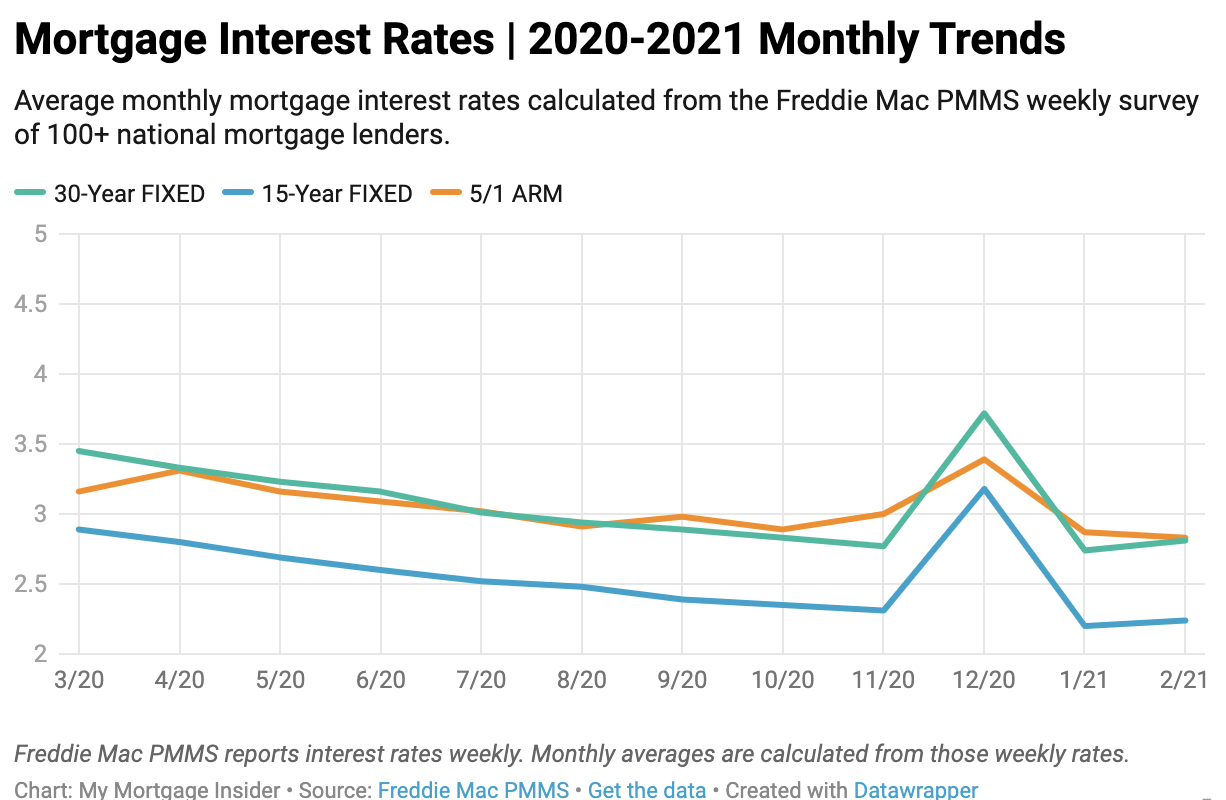
To understand why mortgage rates are at their current levels, one must look beyond the local bank branch and toward the macroeconomic forces that govern the flow of capital. Mortgage rates do not exist in a vacuum; they are intrinsically linked to the cost of borrowing across the entire global economy.
The Role of the Federal Reserve and Monetary Policy
While the Federal Reserve does not set mortgage rates directly, its influence is profound. The Fed sets the federal funds rate—the interest rate at which commercial banks borrow and lend to each other overnight. When the Fed raises rates to combat inflation, the cost of capital increases across the board. Banks pass these costs on to consumers in the form of higher interest rates on credit cards, auto loans, and, crucially, mortgages. Investors closely monitor the Fed’s “dot plot” and policy statements for hints about future hikes or cuts, often causing mortgage rates to move in anticipation of official announcements.
Inflation and the Consumer Price Index (CPI)
Inflation is the primary enemy of fixed-income investments like mortgage-backed securities (MBS). When inflation is high, the purchasing power of the future interest payments on a mortgage is eroded. To compensate for this loss of value, investors demand higher yields. Therefore, when the Consumer Price Index (CPI) shows that inflation is rising faster than expected, mortgage rates typically trend upward. Conversely, signs of cooling inflation often provide the necessary breathing room for rates to stabilize or decline.
The 10-Year Treasury Yield
There is a long-standing historical correlation between the yield on the 10-year U.S. Treasury note and the interest rate on a 30-year fixed-rate mortgage. Usually, mortgage rates run about 1.5 to 3 percentage points higher than the 10-year Treasury yield. This “spread” accounts for the added risks associated with mortgages, such as the risk of default or the risk that a borrower will prepay their loan (refinance) when rates drop. Monitoring the 10-year Treasury is often the most accurate way to predict daily movements in the mortgage market.
Types of Mortgages and How Their Rates Differ
Not all mortgages are created equal. The “current rate” you see advertised on a news site is typically an average for a specific type of loan, usually a 30-year fixed-rate mortgage for a borrower with excellent credit. However, the specific product you choose will significantly impact the rate you are offered.
Fixed-Rate vs. Adjustable-Rate Mortgages (ARMs)
The 30-year fixed-rate mortgage remains the gold standard for stability. It offers a predictable payment for three decades, protecting the borrower from future rate hikes. However, because the lender takes on the risk of inflation for thirty years, the interest rate is generally higher than shorter-term options.
An Adjustable-Rate Mortgage (ARM), such as a 5/1 or 7/1 ARM, offers a lower “teaser” rate for an initial period (five or seven years). After that, the rate adjusts annually based on market indices. ARMs can be a savvy financial tool for those who plan to sell or refinance before the adjustment period begins, but they carry the risk of significantly higher payments if market rates rise.
Government-Backed Loans: FHA, VA, and USDA
The federal government provides insurance or guarantees for certain types of loans to encourage homeownership among specific populations. FHA loans (Federal Housing Administration) are designed for those with lower credit scores or smaller down payments. VA loans (Veterans Affairs) offer zero-down payment options for veterans and active-duty service members. Because these loans are insured by the government, the interest rates are often lower than conventional loans, though they may come with additional costs like Mortgage Insurance Premiums (MIP) or funding fees.
Conforming vs. Jumbo Loans
The size of your loan also dictates your rate. Conforming loans are those that fall within the limits set by the Federal Housing Finance Agency (FHFA) and can be purchased by Fannie Mae or Freddie Mac. Jumbo loans exceed these limits—often necessary in high-cost real estate markets. Historically, jumbo loans carried higher rates because they were harder to sell on the secondary market. However, in recent years, the gap has narrowed, and sometimes jumbo rates are even lower than conforming rates, depending on the liquidity of the bank issuing them.
Factors That Influence Your Personal Interest Rate
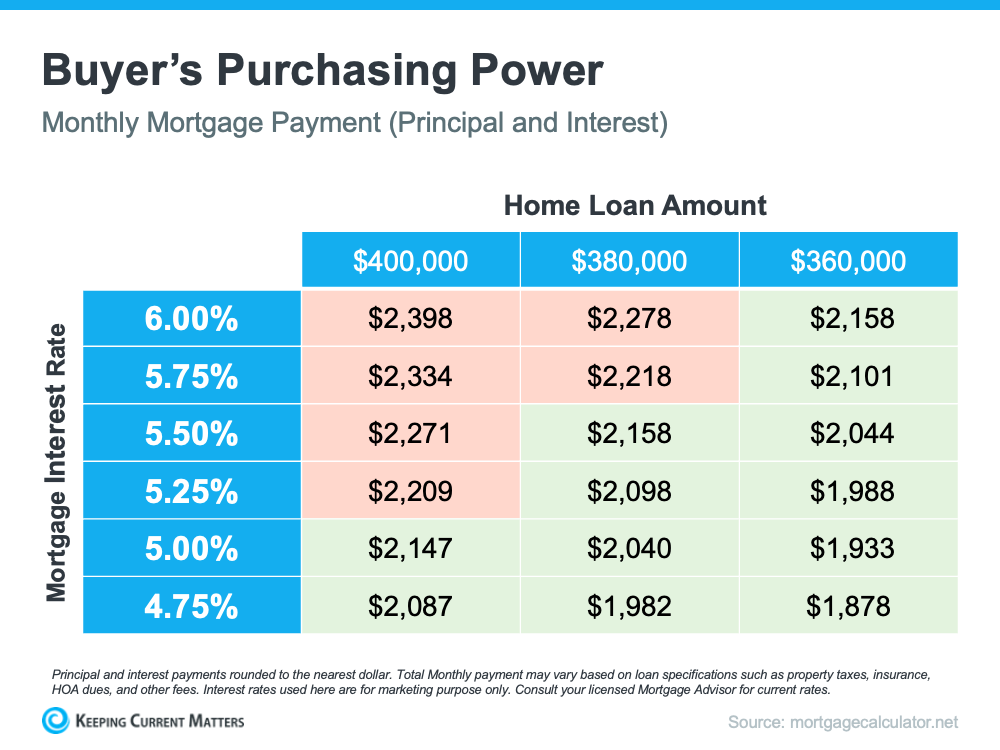
While market trends set the “floor” for mortgage rates, your personal financial profile determines how far above that floor your specific rate will sit. Understanding these levers allows you to take steps to optimize your profile before applying.
Credit Score and Debt-to-Income (DTI) Ratio
Your credit score is the single most important factor in determining your mortgage rate. Lenders use tiered pricing; a borrower with a 760 score may receive a rate significantly lower than someone with a 660 score. Similarly, your DTI ratio—the percentage of your gross monthly income that goes toward paying debts—tells the lender how much risk you pose. A lower DTI suggests you have the financial “cushion” to handle your mortgage payments even during a personal financial downturn, leading to better rate offers.
Down Payment Size and Loan-to-Value (LTV)
The more skin you have in the game, the less risk the lender assumes. A 20% down payment is the traditional benchmark to avoid Private Mortgage Insurance (PMI), but it also signals financial stability. As your Loan-to-Value (LTV) ratio decreases, your interest rate often follows suit. For investors, a higher down payment is often a requirement, as investment properties carry a higher risk profile than primary residences.
Property Type and Occupancy
Lenders price loans differently based on how the property will be used. A primary residence—the home you live in—receives the most favorable rates. Second homes or vacation homes usually carry a slight premium. Investment properties, such as rental units, typically have the highest rates, as history shows that borrowers are more likely to default on an investment property than on the roof over their own heads during a financial crisis.
Strategies to Secure the Best Rate in a High-Rate Environment
In a market where rates are higher than the historic lows of the previous decade, borrowers must be more tactical. Success in today’s market requires a proactive approach to rate management and a keen eye for detail.
Mortgage Points and Buydowns
One way to lower your rate is through “discount points.” One point typically costs 1% of the loan amount and reduces your interest rate by a predetermined amount (usually 0.25%). This is essentially “prepaying” interest to lower your monthly payment over the life of the loan.
Another popular strategy in the current market is the “2-1 buydown.” In this scenario, the seller or the buyer pays a lump sum to lower the interest rate by 2% in the first year and 1% in the second year. This provides immediate relief and allows the borrower to hope for a refinance opportunity when the market eventually shifts.
The Importance of Shopping and Loan Estimates
Too many borrowers accept the first rate offer they receive from their primary bank. However, mortgage rates can vary significantly from one lender to another—sometimes by as much as 0.5% or more. By law, lenders must provide a “Loan Estimate” within three days of an application. Comparing these estimates side-by-side allows you to see not just the interest rate, but the closing costs, origination fees, and third-party charges. Shopping around is the most effective way to ensure you aren’t leaving money on the table.
Rate Locks and Timing the Market
Because mortgage rates can change multiple times a day, a “rate lock” is essential. A rate lock guarantees your interest rate for a specific period, typically 30, 45, or 60 days, while your loan is being processed. Some lenders also offer a “float-down” option, which allows you to lock in a rate but also take advantage of a lower rate if the market drops before you close. Given the current volatility, understanding the terms of your lock is crucial to avoiding a last-minute surprise at the closing table.
The Future Outlook: What to Expect from Mortgage Markets
Looking forward, the trajectory of mortgage rates will continue to be a tug-of-war between economic growth and inflation control. While the era of 3% interest rates may be a memory of the past, the market is beginning to show signs of finding a “new normal.”
Economic Forecasts and Market Volatility
Most economists predict that as inflation continues to moderate, mortgage rates will gradually stabilize. However, volatility remains the keyword. Geopolitical tensions, shifts in the labor market, and housing inventory levels all play a role. For the personal finance-minded individual, the focus should not be on “timing the bottom” of the market, which is notoriously difficult, but on finding a rate and a home price that fit within a long-term wealth-building strategy.

Timing the Market vs. Time in the Market
In the world of real estate and finance, there is a common saying: “Marry the house, date the rate.” This implies that if you find the right property at the right price, you should proceed with the purchase even if rates are higher than you’d like. If rates drop in the future, you can refinance into a better loan. If rates continue to rise, you will be glad you locked in your current rate. In the long run, the appreciation of real estate as an asset class often outweighs the temporary pain of a higher interest rate, provided the monthly cash flow is manageable.
By maintaining a high credit score, shopping aggressively for lenders, and staying informed on the macroeconomic indicators that drive the market, you can navigate the complexities of current mortgage rates with confidence. Understanding these financial levers is the key to turning the dream of property ownership into a sustainable and profitable reality.
aViewFromTheCave is a participant in the Amazon Services LLC Associates Program, an affiliate advertising program designed to provide a means for sites to earn advertising fees by advertising and linking to Amazon.com. Amazon, the Amazon logo, AmazonSupply, and the AmazonSupply logo are trademarks of Amazon.com, Inc. or its affiliates. As an Amazon Associate we earn affiliate commissions from qualifying purchases.