
The landscape of personal finance is perpetually shifting, and perhaps nowhere is this more evident than in the automotive sector. For several years, consumers enjoyed historically low interest rates that made financing a vehicle almost negligible in terms of long-term cost. However, as the global economy adjusted to post-pandemic inflation and the Federal Reserve’s subsequent tightening of monetary policy, the cost of borrowing has surged. Understanding what current car interest rates are—and more importantly, what drives them—is essential for any savvy consumer looking to protect their financial health while acquiring a necessary asset.
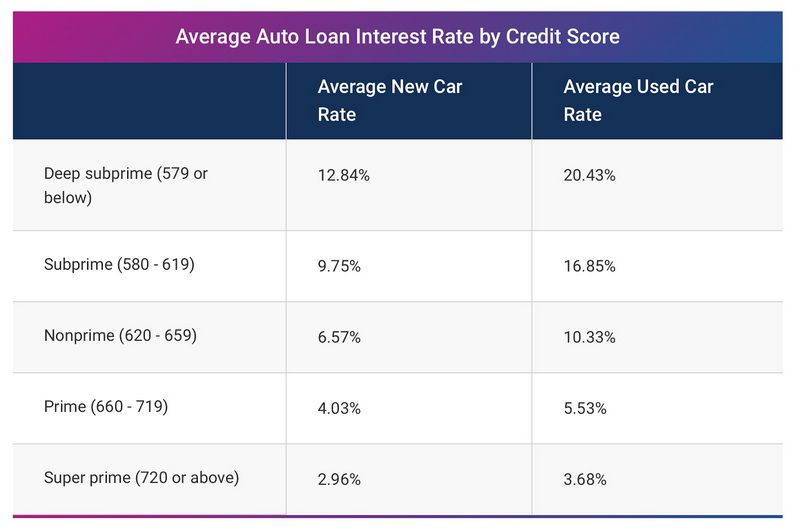
In the current fiscal environment, interest rates for auto loans have reached levels not seen in over a decade. Whether you are eyeing a brand-new electric vehicle or a reliable pre-owned sedan, the “sticker price” is only one part of the equation. The interest rate you secure will ultimately determine the total cost of ownership, often adding thousands of dollars to the final price tag over the life of the loan.
Understanding the Macroeconomic Factors Influencing Car Interest Rates
To understand why car interest rates are currently elevated, one must look at the broader financial ecosystem. Interest rates are not set in a vacuum; they are the result of complex interactions between government policy, inflation, and institutional risk assessment.
The Role of the Federal Reserve
The primary driver of all consumer interest rates in the United States is the Federal Funds Rate, set by the Federal Reserve. When the Fed raises rates to combat inflation, it increases the cost for banks to borrow money. These banks, in turn, pass those costs on to consumers in the form of higher rates for mortgages, credit cards, and auto loans. Throughout the past twenty-four months, we have witnessed a series of aggressive rate hikes designed to cool the economy, which has directly pushed auto loan APRs (Annual Percentage Rates) from the 3-4% range to upwards of 7-9% for even the most qualified buyers.
New vs. Used Car Rate Disparities
There is a fundamental difference in how lenders price interest for new versus used vehicles. Historically, new car loans carry lower interest rates. This is because new cars are easier to value, have predictable depreciation curves, and are often supported by “captive finance” companies—the lending arms of manufacturers like Ford Credit or Toyota Financial Services—which may offer subsidized rates to move inventory. Used cars, conversely, represent a higher risk for lenders. The collateral is older, the mechanical reliability is less certain, and the valuation is more subjective, leading lenders to charge a premium, often 2% to 5% higher than new car rates.
The Impact of Inflation and Liquidity
Beyond the Federal Reserve, the general state of liquidity in the banking sector influences rates. When banks become more cautious about the economy, they tighten their lending standards and increase “risk premiums.” Currently, with the cost of living rising, lenders are seeing a slight uptick in delinquencies. This makes them more conservative, resulting in higher interest rates for the average consumer as a means of offsetting potential losses.
Key Factors Determining Your Personal Auto Loan Rate
While macroeconomic trends set the baseline, your individual financial profile dictates where you land on the spectrum of available rates. In the world of personal finance, your “borrower profile” is the most powerful tool you have for negotiation.
The Power of the Credit Score
Your FICO score is the single most influential factor in determining your car interest rate. Lenders categorize borrowers into tiers: Super Prime (780+), Prime (660-779), Non-prime (600-659), Subprime (500-599), and Deep Subprime (below 500). In the current market, a Super Prime borrower might secure a rate around 6.5% for a new car, while a Subprime borrower might be quoted 15% to 20%. This massive delta underscores the importance of credit maintenance as a foundational element of financial strategy.
Debt-to-Income Ratio (DTI) and Employment History
Lenders don’t just want to know if you have paid your bills in the past; they want to know if you can pay this new bill in the future. Your Debt-to-Income ratio—the percentage of your gross monthly income that goes toward paying debts—is a critical metric. A DTI below 36% is generally considered healthy. Furthermore, stable employment history (typically two years or more with the same employer) signals to the lender that your income stream is reliable, which can occasionally help tip a borderline interest rate in your favor.
Loan-to-Value (LTV) and Down Payments
The “Money” aspect of a car purchase is heavily influenced by how much skin you have in the game. The Loan-to-Value ratio compares the amount of the loan to the actual value of the car. If you provide a substantial down payment (ideally 20%), you lower the lender’s risk. If you default, the lender can easily recoup the loan balance by selling the car. Consequently, higher down payments often unlock lower interest rate brackets because the loan is “well-collateralized.”

Navigating Lenders: Where to Find the Competitive Edge
In a high-rate environment, shopping around is no longer optional; it is a financial necessity. Different financial institutions have different “appetites” for risk and different cost structures, which leads to significant variance in the rates they offer.
Traditional Banks vs. Credit Unions
Traditional big-box banks offer convenience and integrated digital tools, but they often have higher overhead costs which are reflected in their interest rates. Credit unions, on the other hand, are member-owned cooperatives. Because they do not have to answer to shareholders, they frequently return their profits to members in the form of lower loan rates. For many car buyers, a local credit union provides the most competitive APR available in the current market, sometimes beating national banks by a full percentage point.
Online Lenders and Fintech Platforms
The rise of financial technology (Fintech) has revolutionized auto financing. Online lenders often use proprietary algorithms to assess risk beyond just a FICO score, potentially offering better rates to individuals with “thin” credit files but high income. Additionally, the lack of physical branches allows these entities to operate with lower margins, passing those savings to the borrower. However, consumers should be wary of hidden fees and ensure they are dealing with reputable, transparent institutions.
Captive Financing and Dealership Incentives
Despite the general rise in rates, manufacturers still need to sell cars. To do this, they use “captive lenders.” You may see advertisements for “1.9% APR for 48 months” on specific models. These are subsidized rates where the manufacturer pays the interest difference to the lender to incentivize the sale. If you have excellent credit, these promotional rates are almost always the best financial move, as they defy the current market trends.
Strategic Tips for Securing Lower Rates in a High-Rate Economy
Purchasing a vehicle in today’s market requires a tactical approach. If you cannot change the national interest rate, you must change how you interact with it.
The Strategy of Refinancing
Many consumers feel “locked in” to a high rate at the time of purchase, especially if they bought a car when their credit was less than perfect. However, auto loan refinancing is a powerful tool. If your credit score improves by 50 points or if market rates dip slightly six months after your purchase, you can refinance your loan with a different lender. This can shave points off your APR and significantly reduce the total interest paid over the remaining term.
Improving Your Credit Mix
Before applying for a car loan, it is wise to audit your financial profile. Paying down high-interest credit card debt not only improves your DTI but also lowers your credit utilization ratio, which can cause a rapid spike in your credit score. Taking three to six months to “polish” your credit before stepping onto a dealership lot can result in savings that far outweigh the cost of waiting.
Shorter Loan Terms vs. Lower Monthly Payments
A common pitfall in personal finance is focusing solely on the monthly payment. Lenders now offer terms as long as 72 or 84 months. While this makes the monthly payment manageable, it usually comes with a higher interest rate and results in the borrower being “underwater” (owing more than the car is worth) for years. Opting for a 48 or 60-month term typically secures a lower interest rate and ensures that you build equity in the vehicle much faster. From a wealth-building perspective, the shorter the loan, the better the financial outcome.

Conclusion: The Financial Reality of Modern Auto Financing
Navigating the current car interest rate environment requires a blend of macroeconomic awareness and personal financial discipline. While the days of “free money” and 0% interest rates have largely receded into the past, consumers are not powerless. By understanding the influence of the Federal Reserve, maximizing their credit potential, and aggressively shopping across various lending institutions, buyers can still secure financing that aligns with their long-term wealth goals.
The “current” rate is merely a starting point. Your final rate is a reflection of your financial health, your choice of vehicle, and your ability to negotiate. In a world where every percentage point matters, being an informed borrower is the most effective way to ensure that your next car purchase is a sound investment rather than a financial burden. Keep your eye on the APR, prioritize the total cost of the loan over the monthly payment, and remember that in the realm of personal finance, knowledge is the most valuable currency you possess.
aViewFromTheCave is a participant in the Amazon Services LLC Associates Program, an affiliate advertising program designed to provide a means for sites to earn advertising fees by advertising and linking to Amazon.com. Amazon, the Amazon logo, AmazonSupply, and the AmazonSupply logo are trademarks of Amazon.com, Inc. or its affiliates. As an Amazon Associate we earn affiliate commissions from qualifying purchases.