
In the vast and intricate world of molecular biology, where the secrets of life are encoded in microscopic strands, certain foundational discoveries stand as pillars supporting our entire understanding. Among these are Chargaff’s Rules, a set of observations made by biochemist Erwin Chargaff in the late 1940s and early 1950s. These rules, deceptively simple yet profoundly significant, provided critical clues that ultimately paved the way for the monumental discovery of the DNA double helix structure by Watson and Crick. Far from being relegated to dusty history books, Chargaff’s principles remain remarkably relevant today, underpinning everything from advanced bioinformatics and genetic engineering to the ethical considerations of data integrity in the biotech industry, and even influencing investment strategies in the burgeoning field of personalized medicine.
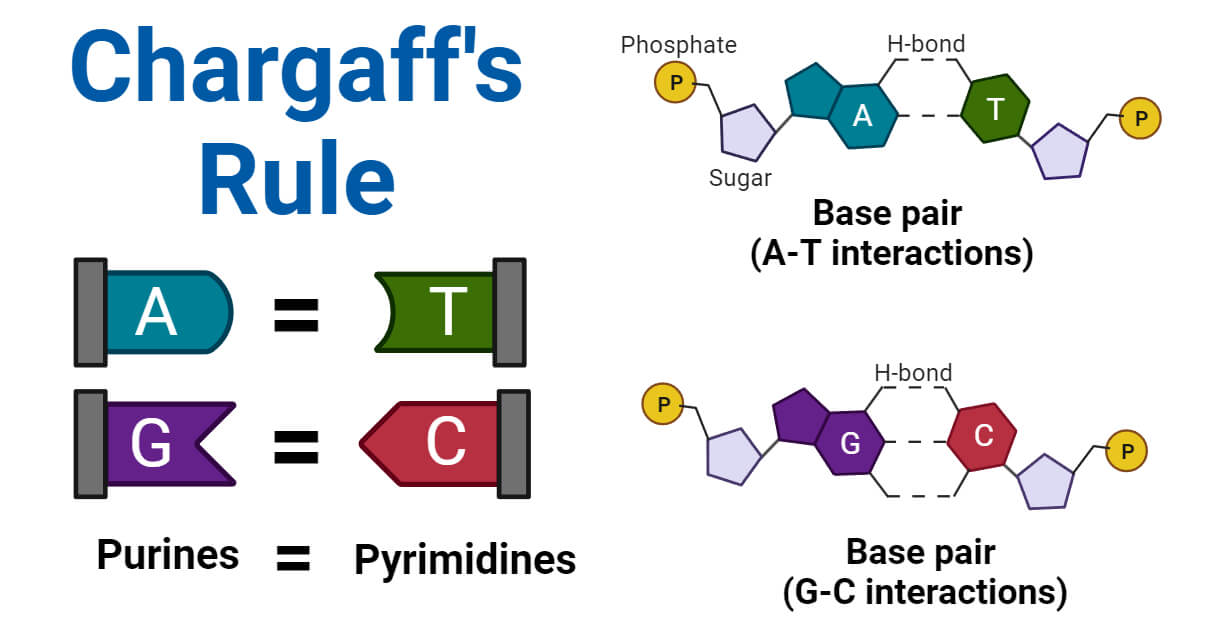
At their core, Chargaff’s Rules describe quantitative relationships between the nitrogenous bases—adenine (A), guanine (G), cytosine (C), and thymine (T)—found in DNA. Chargaff and his colleagues meticulously analyzed the DNA composition from various organisms, revealing a consistent pattern that defied the then-prevalent notion of DNA as a simple, repeating polymer. His work demonstrated that DNA’s composition was not random but followed specific ratios, hinting at a more complex and structured architecture. This seemingly academic observation became a Rosetta Stone for deciphering DNA’s function, demonstrating how fundamental scientific inquiry can lay the groundwork for transformative technological advancements, drive brand reputation in cutting-edge industries, and open up new avenues for economic growth.
The Foundational Principles of Chargaff’s Rules
Erwin Chargaff’s meticulous biochemical analyses, performed using paper chromatography to separate and quantify the DNA bases, yielded two primary observations that collectively form “Chargaff’s Rules.” These rules are not abstract theoretical constructs but empirically derived facts about the chemical makeup of DNA, distinguishing it from RNA and offering a critical window into its unique properties.
Rule 1: The Equivalence of Purines and Pyrimidines
Chargaff’s initial significant finding was that in any given sample of DNA, the total amount of purine bases (Adenine and Guanine, A+G) is always approximately equal to the total amount of pyrimidine bases (Cytosine and Thymine, C+T). This means that (A + G) ≈ (C + T). This ratio holds remarkably true across a wide array of species, from bacteria to humans, indicating a universal architectural principle within DNA.
To understand this, one must recall the basic structure of nitrogenous bases. Purines are characterized by a double-ring structure, while pyrimidines have a single-ring structure. The consistent 1:1 ratio between these two classes of bases suggested that DNA wasn’t merely a random string of nucleotides. Instead, it implied a structural constraint, possibly involving a pairing mechanism where a purine would always associate with a pyrimidine. This early insight was a departure from the “tetranucleotide hypothesis,” which incorrectly proposed that DNA was made of equal amounts of all four bases in a simple, repeating pattern. Chargaff’s work immediately discredited this oversimplified view, pushing the scientific community to seek a more sophisticated model.
Rule 2: The Equivalence of Specific Base Pairs
While the purine-pyrimidine equivalence was significant, Chargaff’s second observation was even more profound and directly instrumental in Watson and Crick’s model-building efforts. He discovered that the amount of adenine (A) always approximately equals the amount of thymine (T), and similarly, the amount of guanine (G) always approximately equals the amount of cytosine (C). Expressed as ratios, A ≈ T and G ≈ C. This striking finding, observed consistently across all examined DNA samples, irrespective of the organism, was the definitive clue regarding how the two strands of DNA might interact.
This rule implies a specific, non-random pairing: Adenine always pairs with Thymine (A-T), and Guanine always pairs with Cytosine (G-C). These specific pairings, stabilized by hydrogen bonds, are the fundamental basis of the DNA double helix structure. The A-T pairing forms two hydrogen bonds, while the G-C pairing forms three, making the G-C bond slightly stronger. Without this complementary base pairing, the stable, elegant, and functionally critical double helix structure would not exist. Chargaff’s rules, therefore, did more than just describe DNA’s composition; they illuminated the very principle of its self-replication, repair, and genetic information transfer.
Implications for DNA Structure and Beyond
The implications of Chargaff’s Rules extend far beyond merely describing DNA’s chemical makeup. They were the crucial empirical data point that allowed Watson and Crick to propose their groundbreaking double helix model in 1953. Rosalind Franklin’s X-ray diffraction images provided the visual evidence of a helical structure, but Chargaff’s data explained how that helix was constructed: with complementary base pairs forming the “rungs of the ladder.” This complementary pairing also immediately suggested a mechanism for DNA replication, where each strand could serve as a template for synthesizing a new, complementary strand.
In essence, Chargaff’s rules transitioned DNA from an enigmatic chemical compound to a molecule whose structure directly hinted at its biological function. This fundamental understanding is now the bedrock upon which all modern genomics, genetic engineering, and biotechnology are built. From the precision of CRISPR gene editing to the vast computational analyses of human genomes, the simple yet profound relationships identified by Chargaff remain a guiding principle.
Chargaff’s Legacy in the Age of Technology
The foundational insights provided by Chargaff’s Rules, established decades ago, have found renewed and amplified relevance in the current era of rapid technological advancement. The digital revolution, particularly in fields like bioinformatics, artificial intelligence, and sophisticated genetic technologies, doesn’t diminish Chargaff’s work; rather, it underscores its enduring power as a fundamental principle guiding the analysis and manipulation of genetic information.
Bioinformatics and Computational Genetics
In the modern world, the sheer volume of genetic data generated by next-generation sequencing technologies is staggering. Whole genomes are sequenced in days, producing terabytes of raw information. Here, bioinformatics — the application of computational tools to biological data — steps in. Chargaff’s Rules are implicitly and explicitly woven into the algorithms and software used for genome assembly, quality control, and analysis.
For instance, when assembling a genome from millions of short DNA reads, bioinformatics software often uses the expected base pairing ratios as a validation check. Deviations from Chargaff’s Rules in a genomic region might signal a sequencing error, a structural variation (like a deletion or insertion), or even the presence of foreign DNA. AI and machine learning algorithms, trained on vast genomic datasets, use these inherent structural properties to identify patterns, predict gene functions, and even classify organisms based on their genetic signatures. Digital security in this context also comes into play; ensuring the integrity and authenticity of genomic data, often checked against fundamental rules like Chargaff’s, is paramount for research credibility and patient safety. Without these basic checks, the entire digital pipeline of genomic analysis could be compromised.
Gene Editing and Synthetic Biology
The advent of gene editing technologies like CRISPR-Cas9 represents a quantum leap in our ability to precisely modify DNA. At the heart of CRISPR’s specificity is the principle of complementary base pairing – a direct application of the A-T, G-C rule. Guide RNAs (gRNAs) direct the Cas9 enzyme to specific DNA sequences through precise base-pairing interactions. Any deviation from these pairing rules would lead to off-target edits or a failure to edit altogether.
In synthetic biology, where scientists design and construct new biological parts, devices, and systems, Chargaff’s Rules are the fundamental blueprint. When engineers design synthetic genes or entire chromosomes, they must adhere to the rules of complementary base pairing to ensure the stability and functionality of the created DNA. For example, designing a DNA sequence that will be transcribed into RNA and then translated into a protein requires careful consideration of the base composition and pairing to prevent misfolding or instability. This rigorous adherence to natural rules, facilitated by sophisticated software tools and AI-driven design platforms, is what allows for the creation of new biological functions, from producing novel therapeutics to developing sustainable biofuels. The “gadgets” and “apps” of synthetic biology, though not tangible in the consumer sense, are powerful computational tools that leverage these rules for biological design.
Digital Tools and Platforms
The impact of Chargaff’s Rules is further amplified by the development of specialized software and cloud-based platforms for genetic research. Tools for sequence alignment, variant calling, and comparative genomics all rely on the intrinsic properties of DNA structure. Cloud computing offers the massive processing power needed to handle genomic Big Data, enabling researchers worldwide to collaborate and analyze datasets that would be impossible to manage locally. These digital tools often feature built-in quality control metrics that, consciously or unconsciously, harken back to Chargaff’s observations, ensuring data fidelity. For instance, some genome browsers allow users to visualize base composition, making it easy to spot anomalies that might violate Chargaff’s ratios. The entire ecosystem of digital biology – from educational apps explaining DNA to complex AI tools predicting protein structures – is fundamentally rooted in the understanding that DNA is not a random sequence but a highly structured molecule governed by elegant chemical rules.
Branding, Reputation, and the Integrity of Genetic Data

In an era defined by data and trust, the principles underpinning Chargaff’s Rules extend beyond the laboratory bench to influence brand strategy, corporate identity, and reputation, particularly within the competitive and highly scrutinized biotechnology sector. The integrity of scientific data is paramount, and foundational rules serve as a critical benchmark.
Building Trust in Biotech Brands
Biotechnology and pharmaceutical companies operate in a field where precision, accuracy, and scientific rigor are not just desirable traits but absolute necessities. The “brand” of a biotech company, whether it’s developing gene therapies, diagnostic tools, or personalized medicine, is intrinsically tied to the reliability of its scientific output. When a company claims to have developed a groundbreaking therapy based on genetic principles, the scientific community and regulatory bodies scrutinize its data rigorously. Deviations from fundamental biological truths, such as the consistent base pairing described by Chargaff, would immediately raise red flags and severely damage the company’s credibility and brand reputation.
For investors, patients, and healthcare providers, trust in the science is non-negotiable. A strong brand in biotech is built on a foundation of verifiable, reproducible research. Chargaff’s Rules, as a form of inherent data validation for DNA, represent the kind of foundational scientific integrity that consumers and stakeholders expect. Companies that uphold these standards, integrating robust quality control into their R&D, build a reputation for reliability and excellence, which translates directly into brand value and market confidence.
Personal Branding for Scientific Innovators
Erwin Chargaff himself serves as a compelling case study in personal branding within the scientific community. His meticulous and groundbreaking work, published in reputable journals, established him as a leading biochemist. His refusal to simply accept prevailing hypotheses and his dedication to empirical observation cemented his legacy. For scientists today, “personal branding” isn’t about marketing in the commercial sense, but about establishing intellectual authority, trust, and influence through rigorous research, impactful discoveries, and clear communication.
In the fast-paced world of science and technology, where discoveries are rapidly made and disseminated, a scientist’s reputation for accuracy and insight is crucial. Innovators whose work demonstrates a deep understanding of fundamental principles, and whose results withstand scrutiny (often against established rules like Chargaff’s), build formidable reputations. This intellectual capital attracts collaborations, funding, and recognition, enabling them to drive further innovation and influence the direction of their fields.
Ethical Considerations and Data Ownership
The explosion of personal genomics and genetic data raises profound ethical questions about data ownership, privacy, and security. Companies offering direct-to-consumer genetic testing handle highly sensitive information that defines individual identities and predispositions. The brand of such a company hinges entirely on its ability to safeguard this data and provide accurate, actionable insights.
The principles of data integrity, which Chargaff’s Rules implicitly represent for DNA, are crucial here. Ensuring that genetic data is processed and interpreted correctly, without errors or manipulation, is paramount. Breaches in data security, misinterpretation of results, or even the perception of scientific sloppiness can devastate a company’s brand and erode public trust in the entire industry. As individuals increasingly “own” their genetic data, the brand value of companies that handle this data will be inextricably linked to their commitment to robust scientific practices and ethical data management, extending the spirit of Chargaff’s integrity into the digital age.
The Economic Impact of Genetic Understanding
The profound scientific understanding initiated by discoveries like Chargaff’s Rules has not only reshaped biology but has also created entirely new industries, driving massive economic growth and attracting significant investment. The journey from fundamental scientific insight to multi-billion-dollar markets is a testament to the transformative power of knowing life’s basic code.
Investing in the Biotech Frontier
The biotech industry, underpinned by discoveries in genetics, represents one of the most dynamic and high-growth sectors globally. Understanding the fundamental structure and function of DNA, as illuminated by Chargaff’s Rules, is the bedrock for developing gene therapies, personalized medicines, advanced diagnostics, and agricultural biotechnologies. Investors, from venture capitalists to large institutional funds, pour billions into companies leveraging genetic insights. The market for gene editing technologies, for example, is projected to reach tens of billions of dollars in the coming years, driven directly by the precise manipulation of DNA sequences that adhere to base-pairing rules.
The economic opportunities span various sub-sectors:
- Pharmaceuticals: Development of novel drugs targeting specific genetic pathways.
- Diagnostics: Fast and accurate genetic tests for disease predisposition, prenatal screening, and infectious diseases.
- Agriculture: Genetically modified crops with enhanced yield or disease resistance.
- Personalized Medicine: Tailoring medical treatments based on an individual’s unique genetic makeup, promising more effective and safer therapies.
For investors, insights into genetic mechanisms, even those as fundamental as Chargaff’s Rules, can inform investment decisions. A company whose scientific strategy demonstrates a deep understanding and rigorous application of these foundational principles is often seen as a more robust and promising venture, indicating strong R&D capabilities and a higher likelihood of bringing successful products to market.
Funding Research and Development
The journey from a scientific hypothesis to a marketable product is long, complex, and incredibly expensive. The economic ecosystem supporting genetic research and development is vast, encompassing government grants, philanthropic organizations, academic institutions, and private industry funding. Foundations like the National Institutes of Health (NIH) allocate billions annually to genetic research, recognizing its potential to address pressing health challenges.
Chargaff’s Rules, by simplifying and clarifying the structure of DNA, helped accelerate the pace of genetic research. Each subsequent discovery, from the genetic code to gene sequencing, built upon this foundational knowledge. Today, the continued investment in R&D in genomics is staggering, covering everything from basic science (like understanding how DNA replication fidelity is maintained, a process that inherently relies on Chargaff’s pairing rules) to translational research aiming to bring new therapies to patients. This constant influx of capital fuels innovation, creates jobs, and establishes new markets, driving a cycle of scientific discovery and economic benefit.
Monetizing Genomic Data and Services
The ability to sequence and analyze human DNA has led to a burgeoning market for genomic data and related services. Companies offering direct-to-consumer genetic testing (e.g., ancestry, health predispositions) are a prime example of online income generation directly linked to genetic insights. While privacy concerns are significant, the market for understanding one’s own genetic blueprint continues to grow. These services rely heavily on accurate sequencing and interpretation, where the consistency implied by Chargaff’s Rules is a background assurance of data quality.
Beyond direct-to-consumer services, the aggregation and analysis of large genomic datasets for drug discovery, population health studies, and AI-driven diagnostics represent massive business finance opportunities. Companies like Helix and AncestryDNA have built substantial businesses around collecting and analyzing genetic data, offering insights and even creating research cohorts. The ethical and financial tools for managing these massive datasets are constantly evolving, as the value of genetic information – in aggregate and for individuals – continues to rise. This represents a new frontier where fundamental biological understanding directly translates into innovative business models and significant financial returns.

Conclusion
Erwin Chargaff’s Rules, born from meticulous biochemical analysis performed over seven decades ago, stand as a testament to the enduring power of fundamental scientific discovery. What began as an observation about the ratios of nucleotide bases in DNA evolved into one of the most critical pieces of evidence for the double helix structure, forever changing our understanding of life itself. Yet, their relevance is far from confined to historical textbooks.
In today’s interconnected world, Chargaff’s principles continue to subtly but profoundly influence the cutting edge of technology, ensuring the integrity of data in sophisticated bioinformatics algorithms, guiding the precision of gene editing tools, and informing the design principles of synthetic biology. They underpin the very credibility and brand reputation of the rapidly expanding biotechnology sector, where scientific rigor and data accuracy are paramount. Furthermore, the economic ramifications are immense, fueling investment in personalized medicine, driving the development of new therapies, and creating novel business models around genetic information.
From the quiet contemplation of a biochemist at his lab bench to the bustling global markets of biotech and AI, Chargaff’s Rules serve as a powerful reminder that fundamental insights often possess an astonishing long-term impact, bridging disciplines and shaping the future in ways unimaginable at their genesis. They are not just rules of chemistry; they are rules for life, guiding our understanding, innovation, and economic progress in the genomic age.
aViewFromTheCave is a participant in the Amazon Services LLC Associates Program, an affiliate advertising program designed to provide a means for sites to earn advertising fees by advertising and linking to Amazon.com. Amazon, the Amazon logo, AmazonSupply, and the AmazonSupply logo are trademarks of Amazon.com, Inc. or its affiliates. As an Amazon Associate we earn affiliate commissions from qualifying purchases.