
The term “buccal swab” might conjure images of sterile medical instruments or perhaps a scene from a crime drama. While accurate, these associations only scratch the surface of what this simple yet powerful tool represents in the 21st century. Beyond its straightforward function of collecting cellular material, the buccal swab has become an indispensable component in a rapidly evolving technological landscape, particularly within the realms of forensic science and advanced healthcare diagnostics. This article delves into the technological underpinnings and applications of buccal swabs, exploring how their straightforward design has been amplified by sophisticated analytical techniques, ushering in new eras of identification, disease detection, and personalized medicine.

The Evolving Technology of DNA Collection: From Basic Swabbing to Advanced Methodologies
The fundamental principle behind a buccal swab is the effortless collection of epithelial cells shed from the inner lining of the cheek. These cells are a rich source of genomic DNA, the blueprint of an individual’s biological identity. While the physical act of swabbing remains relatively constant, the technology surrounding its use has undergone significant advancements, enhancing its efficiency, reliability, and the scope of its applications.
The Anatomy of a Buccal Swab: Design and Material Innovations
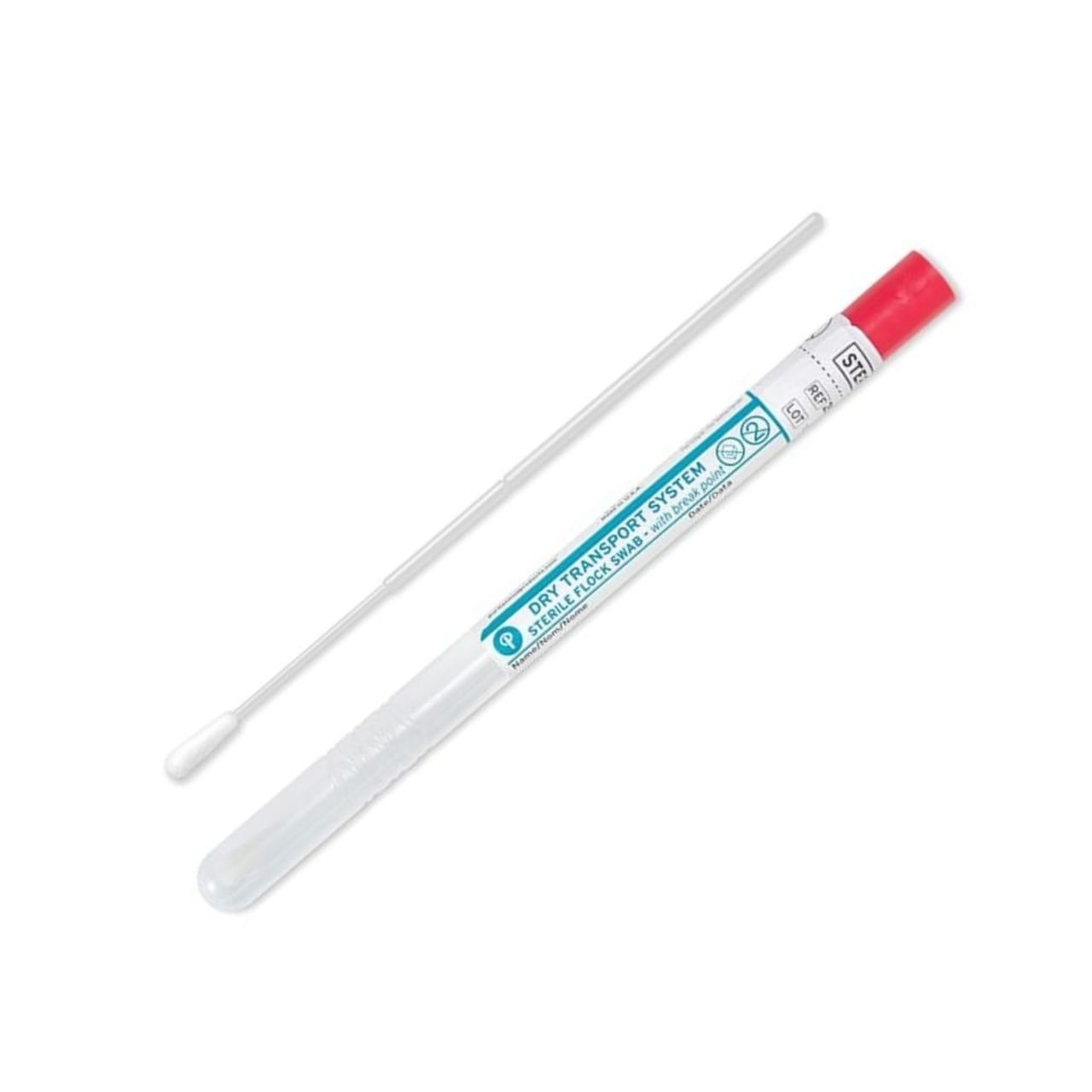
Modern buccal swabs are far more than just cotton-tipped sticks. Their design has been meticulously optimized for effective cell collection and preservation, ensuring the integrity of the DNA for subsequent analysis.
Material Science in Swab Production
Historically, cotton swabs were the go-to. However, concerns about DNA degradation and potential inhibitors present in cotton fibers have led to the widespread adoption of synthetic materials. Polyester and nylon are now the dominant materials for the swab heads. Polyester, in particular, is favored for its inert nature, minimizing the risk of DNA contamination or degradation. The fibers are designed to maximize cell adhesion, allowing for efficient pickup of buccal epithelial cells with each stroke. The shaft of the swab is typically made from medical-grade plastic, ensuring it is rigid, sterile, and non-reactive.
Sterile Packaging and Preservation Technologies
The journey from collection to analysis is critical for maintaining DNA quality. Buccal swabs are individually packaged in sterile, tamper-evident pouches. This ensures that the swab is free from external biological contaminants that could compromise a DNA profile. Furthermore, advancements in preservation technology have led to the development of specialized collection tubes. These tubes often contain a buffer solution that stabilizes the DNA, preventing degradation during transport and storage. Some advanced systems incorporate desiccants or inert gases to further enhance DNA preservation, especially in challenging environmental conditions. These innovations are crucial for forensic applications where samples may be collected in remote locations or stored for extended periods.
Automation and High-Throughput Processing: Scaling Up for Big Data
The sheer volume of biological samples processed today, whether for forensic databases, paternity testing, or large-scale genetic studies, necessitates automation. The buccal swab, while a manual collection tool, is the entry point for highly automated downstream processes.
Robotic Sample Handling and Aliquoting
Once collected, buccal swabs are often subjected to automated DNA extraction. Robotic systems can precisely handle the swabs, place them into extraction buffers, and perform the complex chemical processes required to isolate pure DNA. These systems can process hundreds or even thousands of samples concurrently, dramatically increasing throughput and reducing the potential for human error. Aliquoting, the process of dividing a sample into smaller portions for different analyses, is also highly automated, ensuring consistency and minimizing sample loss.
Integration with Laboratory Information Management Systems (LIMS)
The digital backbone of modern laboratories is the Laboratory Information Management System (LIMS). Buccal swab workflows are seamlessly integrated into LIMS. Each sample, identified by a unique barcode often printed on the swab packaging or collection tube, is tracked from the moment of collection through every stage of processing and analysis. This digital tracking provides an auditable trail, ensures sample integrity, and facilitates efficient data management and reporting. The technological integration here is paramount for maintaining accuracy and traceability in high-volume DNA analysis.
Forensic Applications: The Buccal Swab as a Digital Fingerprint
In the realm of forensics, the buccal swab has revolutionized identification. Its ease of use and the wealth of genetic information it provides have made it a cornerstone of criminal investigations and the establishment of biological profiles. The technological advancements in DNA analysis have transformed a simple swab into a potent investigative tool.
DNA Profiling and Identification Technologies
The genetic material obtained from a buccal swab is subjected to a process known as DNA profiling or DNA fingerprinting. This process doesn’t sequence the entire genome but focuses on specific regions called Short Tandem Repeats (STRs).
Short Tandem Repeat (STR) Analysis
STR analysis is the gold standard for forensic DNA identification. STRs are short sequences of DNA that are repeated multiple times in a row. The number of repeats varies significantly between individuals, making them highly discriminating markers. Technologies like Polymerase Chain Reaction (PCR) are used to amplify these specific STR regions from the DNA extracted from the buccal swab. Modern PCR techniques are incredibly sensitive, allowing for the analysis of minute amounts of DNA.
Electrophoresis and Genotyping
Once amplified, the STR fragments are separated based on their size using capillary electrophoresis. This process separates the DNA fragments by passing them through a thin capillary filled with a gel matrix. An electric current is applied, and the negatively charged DNA fragments migrate towards the positive electrode. Shorter fragments move faster than longer fragments. As the fragments pass a detection window, they are illuminated by a laser, and their fluorescence is recorded. This generates an electropherogram, a graphical representation of the DNA profile. The number of repeats at each STR locus is then determined, creating a unique genetic profile for the individual. Databases like CODIS (Combined DNA Index System) in the United States store these profiles, allowing for the comparison of crime scene DNA with known offenders or missing persons.
Mitigating Contamination and Ensuring Integrity in the Field
Collecting a pristine sample at the crime scene or during lawful apprehension is paramount in forensics. Technology plays a vital role in addressing the inherent challenges of field collection.
Specialized Collection Kits and Preservation Techniques
Forensic buccal swab kits are designed with specific considerations in mind. They often include sterile swabs, collection tubes with desiccants to keep the sample dry and prevent microbial growth, and detailed instructions for proper collection to minimize touch DNA contamination from investigators. The use of DNA-preserving buffers further enhances the stability of the sample, ensuring that a viable DNA profile can be obtained even if the sample is exposed to less than ideal conditions before reaching the laboratory.
Trace DNA Analysis and Touch DNA
The sensitivity of modern DNA profiling techniques allows for the analysis of “touch DNA” – minute amounts of DNA left behind when an individual touches an object. This means that even a seemingly clean buccal swab can yield a usable DNA profile. Technological advancements in extraction and amplification have made it possible to recover and analyze DNA from samples that were previously considered too small or degraded. This ability to extract usable profiles from trace amounts of DNA significantly expands the investigative potential of buccal swabs.
Healthcare and Diagnostics: The Buccal Swab as a Gateway to Personalized Medicine
Beyond its forensic utility, the buccal swab is increasingly crucial in healthcare, offering a non-invasive and accessible method for genetic testing, disease screening, and the development of personalized treatment plans.
Genetic Testing and Disease Risk Assessment
The DNA contained within buccal cells holds valuable information about an individual’s predisposition to various diseases, their response to medications, and their carrier status for genetic conditions.
Genotyping for Hereditary Diseases and Predispositions
Buccal swabs are the preferred method for collecting samples for genotyping aimed at identifying genetic markers associated with diseases like cystic fibrosis, sickle cell anemia, or certain types of cancer (e.g., BRCA gene mutations). Next-generation sequencing (NGS) technologies, which have dramatically reduced the cost and increased the speed of DNA sequencing, now routinely use DNA obtained from buccal swabs. This allows for the analysis of entire exomes or genomes, providing a comprehensive understanding of an individual’s genetic makeup and their risk profile.
Pharmacogenomics: Tailoring Treatments with Genetic Insights
Pharmacogenomics leverages an individual’s genetic information to predict how they will respond to certain drugs. Buccal swabs are ideal for obtaining the necessary DNA for pharmacogenomic testing. For instance, variations in genes that metabolize medications can significantly affect drug efficacy and the risk of adverse reactions. By analyzing DNA from a buccal swab, physicians can personalize drug selection and dosage, leading to more effective treatments and fewer side effects. This represents a significant technological leap towards truly personalized medicine.
Diagnostic Applications and Emerging Technologies
The diagnostic power of buccal swabs extends beyond inherited conditions to encompass infectious diseases and even early disease detection.
Detection of Infectious Agents and Biomarkers
While typically associated with human DNA, buccal swabs can also be used to detect the presence of DNA or RNA from infectious agents, such as viruses or bacteria. This is particularly useful for diagnosing oral infections or identifying pathogens that have a tropism for the oral mucosa. Advanced molecular diagnostic techniques, including PCR-based assays and increasingly, isothermal amplification methods, can rapidly detect these pathogens from swab samples, providing crucial information for timely treatment.
Saliva-Based Diagnostics and Future Potential
Research is rapidly expanding the utility of saliva, the medium in which buccal cells are suspended. Technologies are being developed to extract not only DNA but also RNA and proteins from saliva collected via buccal swabs. This opens up new avenues for diagnostics, including the detection of cancer biomarkers, viral load monitoring for diseases like HIV, and even the assessment of hormonal levels. The non-invasive nature of buccal swabs, combined with these burgeoning analytical technologies, positions them as a key player in the future of accessible and personalized healthcare.

Conclusion: The Enduring Technological Relevance of the Humble Buccal Swab
The buccal swab, in its apparent simplicity, is a testament to how foundational biological sampling methods can be amplified by relentless technological innovation. From the sterile synthetic fibers and stabilizing buffers that ensure sample integrity to the sophisticated automated extraction, PCR, capillary electrophoresis, and next-generation sequencing that unlock its genetic secrets, the journey of DNA from the inner cheek to a definitive identification or diagnostic insight is a marvel of modern science.
In forensics, it has transformed investigations, providing irrefutable biological evidence that aids in solving crimes and exonerating the innocent. In healthcare, it is paving the way for a future of personalized medicine, where treatments are tailored to an individual’s unique genetic makeup, leading to greater efficacy and reduced risks. As technology continues to advance, the humble buccal swab, empowered by these innovations, will undoubtedly remain an indispensable tool, bridging the gap between our biological selves and the increasingly powerful analytical capabilities that define our technological age.