
The quest for the perfect apple pie often begins long before the first sprinkle of cinnamon, in the meticulous selection of the fruit itself. While countless varieties grace our orchards and grocery aisles, not all apples are created equal when it comes to withstanding the heat of an oven and contributing to that iconic, comforting dessert. The “best” apples for apple pie aren’t a singular choice, but rather a carefully considered blend of characteristics that contribute to both texture and flavor, ensuring a masterpiece that’s neither mushy nor bland.
The Core Ingredients: Understanding Apple Varieties for Perfect Pie
Creating an exceptional apple pie is an art form, one where the foundation rests squarely on the quality and characteristics of your chosen apples. The ideal pie apple must be a survivor, maintaining its structural integrity through the baking process, and a giver, offering a complex flavor profile that balances sweetness, tartness, and aromatic nuances.
The Pillars of Pie Perfection: Texture and Flavor Balance
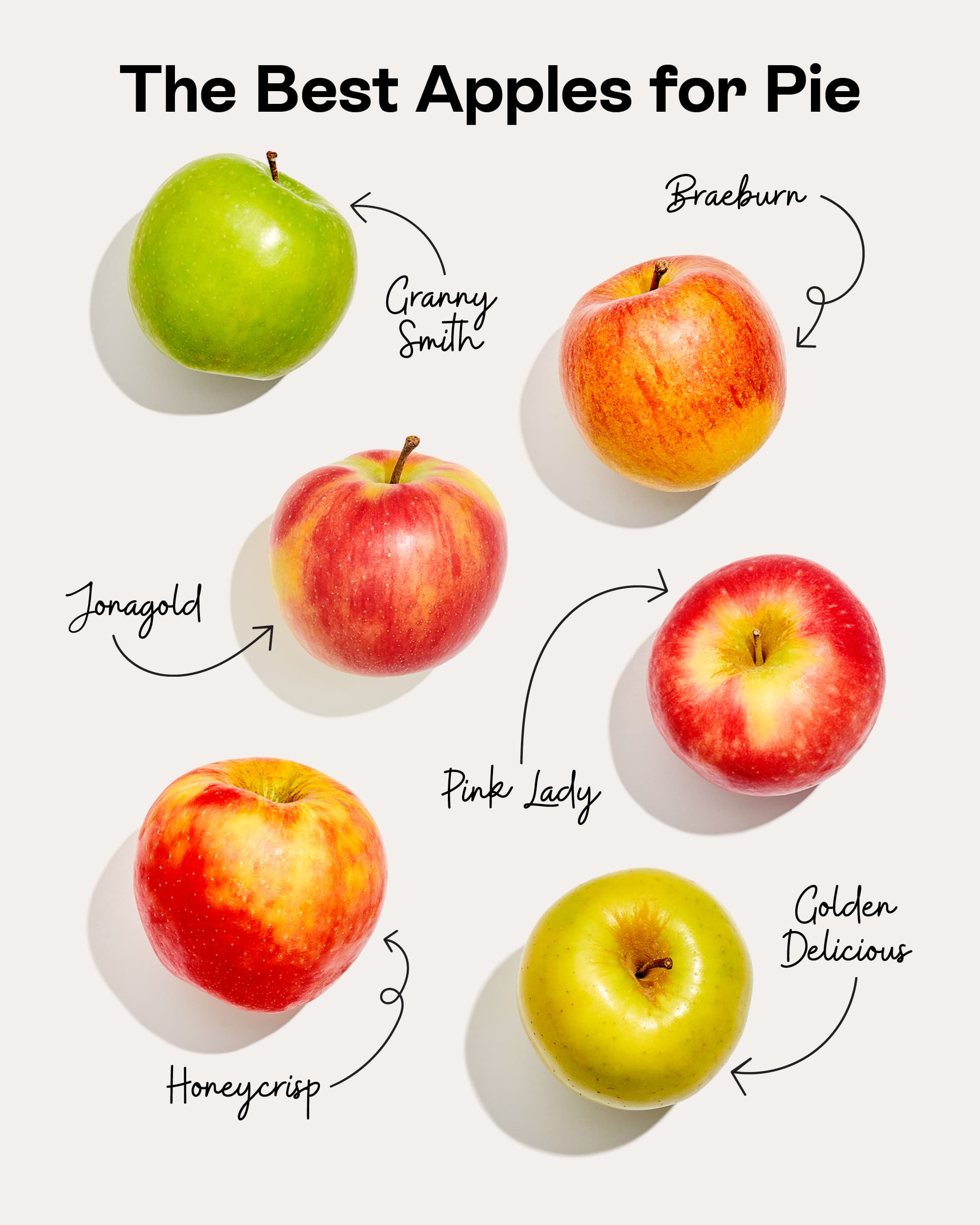
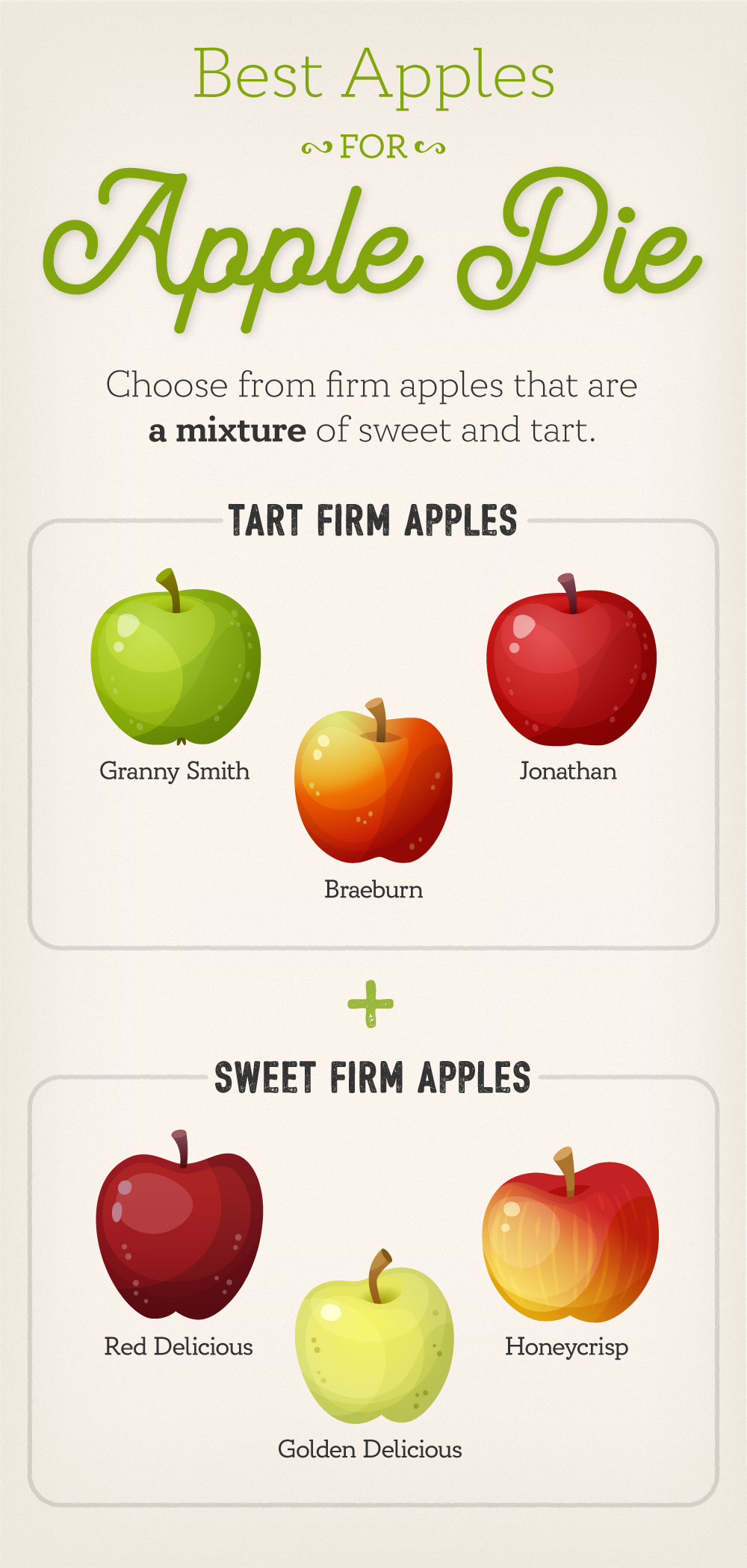
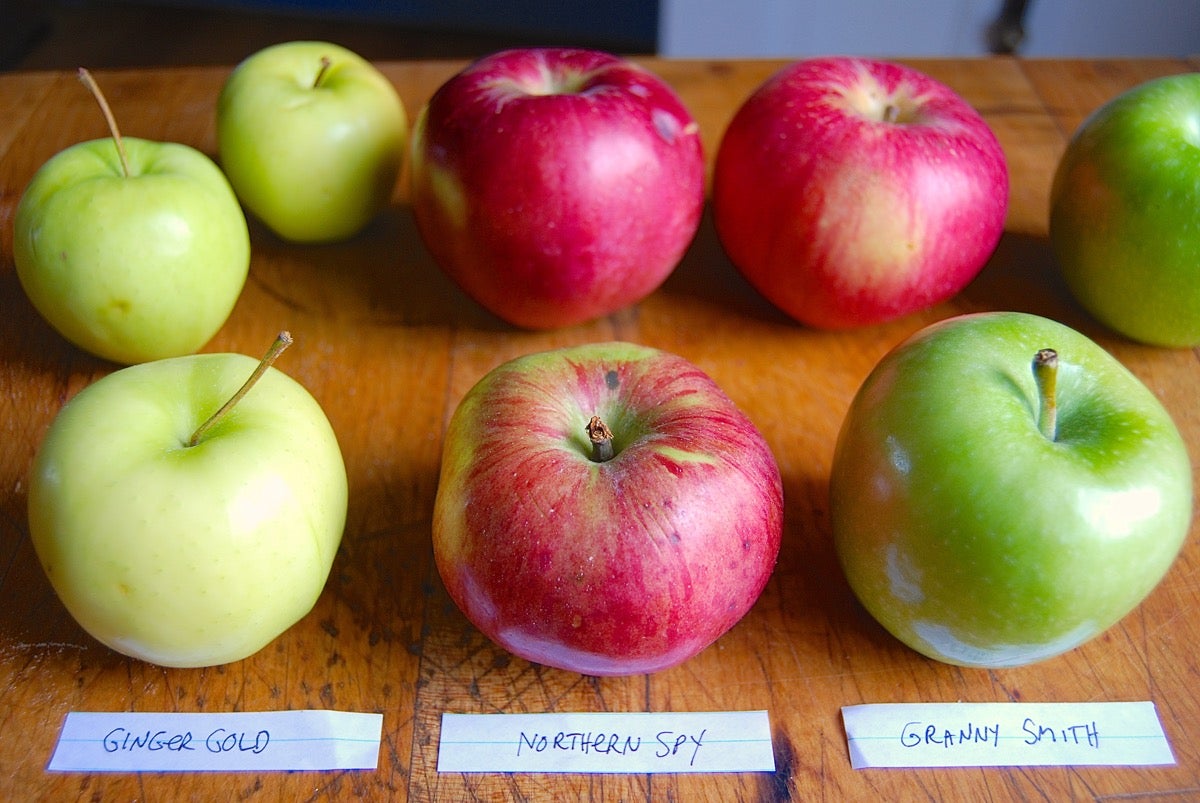
At the heart of a great apple pie is a dynamic interplay of texture and flavor. No one wants a watery, bland filling, nor a rubbery, overly tart one. The best apples for pie possess a firm flesh that resists breaking down completely under heat, ensuring delightful chunks of fruit rather than a uniform applesauce. This structural resilience is paramount. Varieties like Granny Smith, often lauded for its robust tartness and firm flesh, are a classic choice. It holds its shape beautifully and provides a much-needed acidic counterpoint to rich pastry and added sugar.
However, relying solely on Granny Smith might result in a pie that’s too sharp for some palates. This is where the magic of blending comes in. Pairing a tart, firm apple with a sweeter, equally sturdy variety creates a harmonious balance. Honeycrisp, a modern favorite, offers an incredible crispness and balanced sweetness, making it an excellent partner. Its high sugar content caramelizes wonderfully, contributing to a rich, golden filling. Similarly, Braeburn brings a complex sweet-tart flavor and good firmness, while Jonagold offers a honeyed sweetness with a hint of tartness and a firm, juicy texture.
Other notable contenders include Fuji, known for its crispness and sweet, juicy flesh, which performs well in pies although it might be on the sweeter side, and Golden Delicious, a surprisingly good baking apple despite its softer texture, as it imparts a mild sweetness and creamy consistency that complements firmer, tarter varieties. Even apples like Mutsu (Crispin) or Northern Spy are revered by pie aficionados for their robust flavor and ability to hold their shape.
The key insight here is that diversity is strength. A mix of two to three varieties often yields the most compelling results: one for tartness, one for sweetness, and perhaps one for an extra layer of aromatic complexity. This blend prevents monotony and ensures a pie with depth, character, and that elusive perfect texture where individual apple pieces are discernibly tender yet intact.
Beyond Tradition: Exploring Lesser-Known Gems and Local Sourcing
While the tried-and-true varieties form the backbone of pie-making, a true culinary adventurer knows there’s a world of apples waiting to be discovered. Depending on your region, local orchards may cultivate heirloom or lesser-known varieties that offer unique flavor profiles and textures. Exploring your local farmers’ market is an excellent way to uncover these hidden gems. Talk to the growers; they often have intimate knowledge of which apples perform best in various culinary applications, including pie. You might stumble upon an antique variety like Winesap, with its spicy, complex flavor, or a Stayman, offering a tartness similar to Granny Smith but with a richer, more nuanced taste.
Experimentation is encouraged. Don’t be afraid to try a new apple, even if it’s not on the “recommended” list. A simple test bake with a small batch can reveal a delightful new favorite. Local sourcing not only supports regional agriculture but also ensures fresher fruit, which can significantly impact the final taste and texture of your pie. Apples picked at peak ripeness from a nearby orchard often possess a vibrancy and complexity that commercially shipped apples may lack, ultimately elevating your pie from good to unforgettable.
Leveraging Technology for the Ultimate Apple Pie Experience
In an increasingly connected world, even the humble art of apple pie baking can be transformed and enhanced by technology. Far from replacing traditional skills, modern tools and digital insights can optimize ingredient selection, refine techniques, and even inspire new culinary ventures.
Smart Kitchens and Predictive Baking: AI in Your Apple Pie Journey
Imagine a future where AI doesn’t just suggest recipes but optimizes them based on your specific ingredients. While fully autonomous pie-baking robots might be a sci-fi dream, current and near-future technologies offer impressive capabilities. AI-powered apps could analyze the sugar and acid content of different apple varieties, perhaps even sensing their ripeness and firmness through advanced sensors. Such an app could then recommend the ideal blend of apples for a specific pie, suggest precise sugar and spice adjustments, and even predict optimal baking times for a perfectly tender, yet not mushy, filling.
Smart ovens, already capable of preheating remotely and adjusting temperatures, could take this further. Integrated cameras and sensors might monitor the pie’s internal temperature and crust browning, communicating with an app to tell you exactly when your pie is done, ensuring consistency every time. Precision scales connected to recipe apps could guide you to exact ingredient measurements, removing guesswork from flour-to-fat ratios in your crust or sugar-to-apple ratios in your filling. This level of data-driven insight empowers home bakers to achieve professional-grade results, reducing waste and increasing confidence. Furthermore, imagine using computer vision to identify apples, providing instant information on their properties and best culinary uses, right as you pick them at the store or orchard.
Digital Security and Productivity in Your Culinary Ventures
Even a passion as simple as baking can benefit from digital organization and security. For the avid home baker or those dabbling in a small-scale pie-making side hustle, productivity tools become invaluable. Recipe management apps allow you to store, categorize, and even annotate your pie recipes, keeping track of successful apple blends or ingredient modifications. Cloud storage ensures your culinary creations are safely backed up, protecting your intellectual property if you’re developing unique recipes.
When sourcing ingredients online, understanding digital security is crucial. Secure payment gateways and reputable online grocery platforms are essential for protecting personal financial information. For those considering monetizing their baking, productivity suites can help manage inventory (how many apples do I need for this week’s orders?), track expenses (the cost of those premium Honeycrisps!), and plan order fulfillments. Digital tools for market research, like analyzing local search trends for “apple pie near me,” can provide valuable insights for a budding business. Even simple spreadsheets can track sales, customer preferences for certain apple varieties, and profit margins, turning a hobby into a financially sound endeavor. This intersection of culinary passion and digital acumen fosters efficiency and growth, laying the groundwork for more ambitious culinary projects.
Branding Your Bake: From Orchard to Oven and Beyond
Beyond the scientific precision of apple selection and the technological enhancements, there lies another crucial dimension to the perfect apple pie: its brand. Whether it’s the personal signature of a home baker or the corporate identity of an orchard or bakery, branding transforms a simple dessert into an experience, a memory, or even a coveted product.
Cultivating a Personal Brand Through Your Signature Apple Pie
Every passionate home baker, perhaps unknowingly, cultivates a personal brand around their culinary specialties. For many, this brand is synonymous with their “signature” apple pie. It’s the pie guests request at gatherings, the one family members rave about, and the recipe friends beg for. This personal brand is built on consistency, unique twists, and the story behind the bake. Perhaps you’re known for a secret spice blend, a lattice top with intricate design, or the specific orchard where you source your heirloom apples.
Social media platforms like Instagram or Pinterest are powerful tools for amplifying this personal brand. Visually appealing photos of your pies, behind-the-scenes glimpses of your baking process, and heartwarming stories about the origins of your recipe can create a strong emotional connection with your audience. Engaging with comments and sharing tips further solidifies your reputation as a “pie expert.” This isn’t just about showing off; it’s about building a community, fostering appreciation for quality ingredients, and inspiring others. Your personal branding efforts can establish you as an authority, leading to opportunities ranging from local bake sales to recipe collaborations and even online content creation. It transforms your passion into a recognizable identity, making your apple pie not just a dessert, but a statement.
The Business of Apples: Branding Varieties and Crafting Culinary Identities
On a larger scale, branding is central to the apple industry itself and to businesses built around apple pies. Apple growers invest heavily in branding specific varieties, turning a generic fruit into a premium product. Think of the deliberate marketing behind Honeycrisp, Cosmic Crisp, or Envy apples – they are branded with names, logos, and often a story highlighting their unique attributes. This corporate identity creates consumer recognition and demand, influencing which apples bakers choose for their pies. A bakery might proudly advertise using “premium Honeycrisp apples” because the brand itself signifies quality and a desirable taste profile.
For commercial bakeries or food businesses specializing in apple pie, a strong brand strategy is paramount. This includes a distinctive corporate identity – a memorable name, logo, and visual aesthetic that evokes warmth, tradition, and deliciousness. Marketing campaigns might highlight the bakery’s commitment to locally sourced ingredients, a unique family recipe passed down through generations, or an innovative flavor combination. Packaging design plays a critical role, transforming a pie box into an extension of the brand experience. Furthermore, reputation management is continuous; consistent quality, excellent customer service, and engaging storytelling ensure customer loyalty and positive word-of-mouth, cementing the bakery’s place as a go-to for the “best apple pie.” In essence, whether you’re a home baker or a large enterprise, branding transforms a simple dessert into a desirable and recognized culinary experience.
The Financial Crumbs: Investing in Your Pie Passion and Potential Profit
Even the most heartfelt culinary pursuit, like baking the perfect apple pie, intersects with the practicalities of finance. From managing your household budget to contemplating a nascent side hustle, understanding the monetary aspects can elevate your passion from a costly hobby to a potentially profitable venture.
Budgeting for Baking Bliss: Smart Choices for Quality Ingredients
For the home baker, financial prudence begins with intelligent ingredient sourcing. While the allure of premium, branded apples like Honeycrisp is strong, they often come with a higher price tag. A savvy baker might consider a cost-benefit analysis: balancing the indulgence of an expensive variety with more budget-friendly, yet still excellent, options like Granny Smith or Fuji. Buying apples in season or from local orchards can often yield superior quality at a lower price than off-season supermarket selections. Bulk purchases, when practical for storage, can also reduce per-unit costs.
Personal finance principles extend beyond just the apples. Budgeting for other ingredients like flour, butter, and spices, as well as considering energy costs for baking, helps paint a complete financial picture of your pie-making passion. Utilizing loyalty programs at grocery stores or exploring discount codes can further stretch your budget. The goal is to maximize the quality of your ingredients without breaking the bank, ensuring that your baking remains a joyous and sustainable pursuit. Smart financial choices allow you to invest in better quality ingredients when it truly matters, elevating your pie without unnecessary extravagance.
From Kitchen to Cash: Monetizing Your Masterpiece
For those whose apple pies consistently draw rave reviews, the leap from hobby to income generator is a tangible possibility. Monetizing your masterpiece often begins with exploring side hustles. Selling pies at local farmers’ markets, community events, or through pre-orders to friends and neighbors can generate a steady stream of online income. Setting up a simple e-commerce page or leveraging social media platforms for direct sales simplifies transactions and widens your customer base.
Beyond direct sales, online income streams related to your apple pie expertise are plentiful. A food blog centered around apple pie recipes, baking tips, and apple variety reviews can be monetized through advertising, affiliate marketing (for baking tools or ingredients), or selling digital cookbooks. Creating engaging video tutorials for platforms like YouTube or TikTok can attract a large audience, potentially leading to brand sponsorships or ad revenue.
From a business finance perspective, understanding pricing strategies is crucial. This involves calculating your cost of goods sold (ingredients, packaging, labor, and overhead), then adding a reasonable profit margin. Financial tools, from simple spreadsheets to more sophisticated accounting software, can help track expenses, manage inventory, and analyze profitability. Investing in your pie passion might mean purchasing a commercial-grade mixer, improving your packaging design, or allocating funds for targeted online marketing. These strategic investments, informed by sound financial planning, can transform a beloved personal project into a thriving small business, proving that even a traditional dessert can be a powerful engine for entrepreneurship and financial growth.
aViewFromTheCave is a participant in the Amazon Services LLC Associates Program, an affiliate advertising program designed to provide a means for sites to earn advertising fees by advertising and linking to Amazon.com. Amazon, the Amazon logo, AmazonSupply, and the AmazonSupply logo are trademarks of Amazon.com, Inc. or its affiliates. As an Amazon Associate we earn affiliate commissions from qualifying purchases.