
The modern aircraft, a marvel of engineering that effortlessly glides through the skies, is far more than just engines, wings, and fuselage. Hidden within its sleek exterior lies a complex web of electronic systems, the unsung heroes responsible for its safe and efficient operation. These systems are collectively known as avionics – a portmanteau of “aviation” and “electronics.” From guiding an airliner across continents to preventing mid-air collisions, avionics are the digital brain and nervous system of every aircraft, constantly processing data, facilitating communication, and ensuring the smooth execution of flight.
In an age dominated by rapid technological advancements, avionics stand at the forefront of innovation. They represent a critical intersection of hardware and software engineering, digital security, and human-machine interface design. For anyone interested in technology trends, the evolution of avionics offers a fascinating case study in how sophisticated tools enhance productivity and safety in one of the most demanding environments imaginable. Let’s embark on a journey to explore what avionics are, how they work, and their profound impact on the world of aviation and beyond.

The Core Components of Avionics: A Deep Dive into Airborne Tech
At its heart, avionics encompasses a vast array of electronic devices and systems essential for a multitude of functions aboard an aircraft. These systems are not merely add-ons; they are integral to flight control, navigation, communication, and surveillance, transforming raw sensor data into actionable information for pilots and automated systems alike. Understanding these components provides a clearer picture of the technological prowess required to put and keep an aircraft in the air.
Communication Systems: Staying Connected in the Skies
Reliable communication is paramount in aviation, linking the aircraft to air traffic control (ATC), airline operations centers, and other aircraft. Avionics play a crucial role here, enabling pilots to transmit and receive vital information.
- VHF/UHF Radios: These are the primary means of voice communication between pilots and ATC. Modern digital radios offer enhanced clarity and range, a significant step up from their analog predecessors, ensuring critical instructions are heard without interference.
- Satellite Communication (Satcom): For flights over oceans or remote areas beyond the reach of terrestrial VHF/UHF stations, satcom systems provide continuous voice and data connectivity. This allows airlines to track flights in real-time, pilots to receive updated weather information, and even passengers to access Wi-Fi – a direct application of satellite technology enabling new forms of productivity and connectivity.
- Data Links: Beyond voice, data links transmit vital information such as ATIS (Automatic Terminal Information Service) broadcasts, pre-departure clearances, and weather updates directly to the cockpit displays. Technologies like ACARS (Aircraft Communications Addressing and Reporting System) automate the exchange of routine messages, streamlining operations and reducing pilot workload.
Navigation Systems: Guiding the Way with Precision
Navigating an aircraft requires absolute precision, especially in an era of increasingly crowded skies and complex flight paths. Avionics provide a suite of tools that allow aircraft to determine their position, course, and speed with remarkable accuracy.
- Global Positioning System (GPS): Perhaps the most recognizable navigation technology, aircraft GPS systems use satellite signals to pinpoint the aircraft’s exact location anywhere on Earth. Integrated with sophisticated flight management systems (FMS), GPS enables highly accurate and efficient routes, optimizing fuel consumption and reducing flight times – a direct financial benefit.
- Inertial Navigation Systems (INS) / Inertial Reference Systems (IRS): These self-contained systems use gyroscopes and accelerometers to continuously calculate the aircraft’s position, velocity, and attitude without external references, making them invaluable for long-haul flights or in areas where GPS signals might be unavailable.
- VOR (VHF Omnidirectional Range) and DME (Distance Measuring Equipment): These traditional ground-based radio navigation aids remain vital backups and are used for various air traffic control procedures.
- ILS (Instrument Landing System): Providing precise vertical and horizontal guidance, ILS enables pilots to land safely in low visibility conditions, significantly enhancing flight safety and operational reliability.
Flight Control Systems: The Brains Behind Automated Flight
Modern aircraft increasingly rely on automated systems to assist pilots, reduce fatigue, and enhance safety. These flight control avionics represent some of the most sophisticated software and hardware integrations in the cockpit.
- Autopilot: This system automatically maintains the aircraft’s altitude, heading, and speed, and can even execute complex flight plans. Autopilots range from basic wing-levelers to highly advanced systems capable of performing fully automated landings (autoland). They drastically improve pilot productivity and comfort on long flights.
- Fly-by-Wire (FBW): A revolutionary advancement, FBW replaces traditional mechanical linkages between the pilot’s controls and the aircraft’s control surfaces (ailerons, rudder, elevators) with electronic signals. Computers interpret pilot inputs and send corresponding commands to hydraulic actuators. This allows for greater control precision, enhanced stability, and the implementation of flight envelope protections that prevent the aircraft from exceeding its structural limits – a testament to how software can augment hardware capabilities for unparalleled safety.
Surveillance Systems: Seeing and Being Seen
In a shared airspace, knowing the position of other aircraft and potential hazards is crucial for preventing collisions. Surveillance avionics provide the necessary situational awareness.
- Transponders and ADS-B (Automatic Dependent Surveillance-Broadcast): Transponders respond to radar interrogations by ATC, providing identification and altitude. ADS-B is an evolution of this, broadcasting an aircraft’s precise position, velocity, and other data to ground stations and other equipped aircraft, offering a more comprehensive and accurate picture of air traffic. This “see and be seen” technology is a cornerstone of modern air traffic management.
- Weather Radar: Installed in the nose of the aircraft, weather radar detects precipitation, turbulence, and other atmospheric conditions, allowing pilots to navigate around adverse weather, ensuring passenger comfort and safety while preventing costly diversions.
- TCAS (Traffic Collision Avoidance System): This autonomous system actively monitors the airspace around an aircraft for other transponder-equipped aircraft. If a potential collision threat is detected, TCAS provides audible and visual advisories to the pilots, instructing them on evasive maneuvers (e.g., “climb,” “descend”) to maintain safe separation.
Integrated Cockpit Displays: The Glass Cockpit Revolution
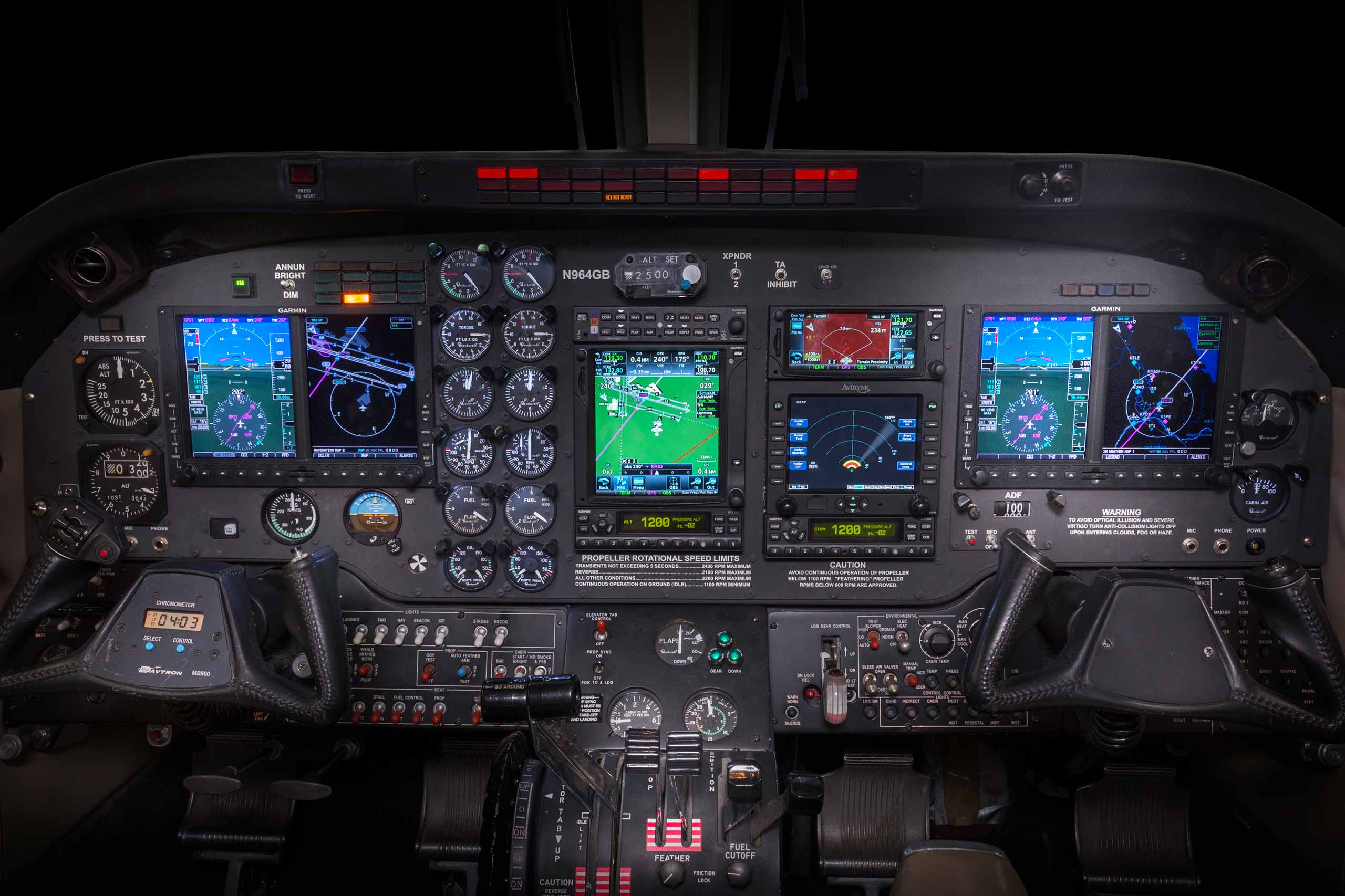
The most visible manifestation of avionics advancement is undoubtedly the “glass cockpit.” Gone are the days of dozens of analog “steam gauges”; they have been replaced by large, multi-function digital displays that provide pilots with a cohesive and easily digestible presentation of all critical flight information.
- Electronic Flight Instrument Systems (EFIS): These displays show primary flight data like airspeed, altitude, heading, and vertical speed, often combined with navigation information and terrain awareness.
- Engine Indicating and Crew Alerting System (EICAS) / Electronic Centralized Aircraft Monitor (ECAM): These systems monitor engine performance and other aircraft systems, displaying crucial parameters and providing alerts for any anomalies. This integration significantly improves pilot efficiency and situational awareness, allowing for quicker and more informed decision-making. The user interface design of these systems is a complex field in itself, aimed at maximizing clarity and minimizing cognitive load.
The Technological Evolution of Avionics: From Analog to AI
The journey of avionics from rudimentary electronics to highly integrated digital systems mirrors the broader progression of technology. This evolution is characterized by increasing complexity, precision, and automation, driven by a relentless pursuit of safety, efficiency, and expanded capabilities. It’s a prime example of how technology trends, software innovation, and AI tools are transforming an entire industry.
Early Days and the Analog Era
In the early decades of aviation, avionics were relatively simple, consisting primarily of basic radios for communication and rudimentary electrical instruments for navigation (like compasses and altimeters). These analog systems were often bulky, heavy, and prone to calibration issues. Each instrument was a discrete unit, making integration and data sharing difficult. While revolutionary for their time, their limitations in terms of accuracy, reliability, and data processing capacity laid the groundwork for future digital advancements.
The Digital Revolution and the Rise of Glass Cockpits
The advent of microprocessors and digital electronics in the 1970s and 80s catalyzed a profound shift. Analog signals were replaced by digital data, allowing for greater accuracy, faster processing, and improved reliability. This era saw the introduction of digital data buses (like ARINC 429), enabling different avionics components to communicate and share information seamlessly. The most iconic outcome of this digital revolution was the “glass cockpit,” where CRT (Cathode Ray Tube) displays, later replaced by more efficient LCDs, consolidated information onto fewer screens.
This transition brought immense benefits:
- Enhanced Reliability: Digital systems have fewer moving parts and are less susceptible to environmental factors.
- Reduced Weight and Volume: Consolidating functions into fewer, more compact digital units freed up space and reduced aircraft weight, contributing to fuel efficiency.
- Improved Pilot Productivity: Pilots could access a wealth of information more quickly and clearly, reducing workload and enhancing decision-making. Software became the backbone, defining how information was processed and presented.

Modern Advancements: Software, AI, and Connectivity
Today’s avionics are pushing boundaries even further, integrating advanced software, artificial intelligence, and extensive connectivity to create intelligent, predictive, and highly resilient systems. These innovations directly align with current technology trends and the growing influence of AI tools.
- Software-Defined Avionics (SDA): Modern systems are increasingly software-centric. Software-defined radios, for example, can be reconfigured or upgraded with new functionalities through software updates rather than hardware replacements. This flexibility reduces maintenance costs and extends the operational life of equipment, making avionics more adaptable to future requirements and threats.
- AI and Machine Learning (ML): AI tools are beginning to play a transformative role.
- Predictive Maintenance: AI algorithms analyze vast amounts of sensor data from aircraft systems to predict component failures before they occur, enabling proactive maintenance and reducing costly unplanned downtime. This is a significant leap in efficiency and safety.
- Optimized Flight Paths: Machine learning can analyze real-time weather, air traffic, and fuel price data to recommend the most efficient flight paths, further reducing fuel consumption and operational costs.
- Enhanced Decision Support: AI can assist pilots by filtering critical information during high-workload situations, highlighting potential issues, and even suggesting optimal responses, acting as a highly advanced “co-pilot.”
- Internet of Things (IoT) in Aviation: The concept of the “connected aircraft” is becoming a reality. Avionics are designed to interface with external networks, enabling real-time data streaming for:
- Operational Efficiency: Ground crews can monitor aircraft health, passenger manifest, and fuel levels before landing, streamlining turnaround times.
- Passenger Experience: In-flight entertainment (IFE) and connectivity systems provide Wi-Fi, streaming, and advanced communication options, effectively turning the aircraft into a flying “gadget” hub.
- Digital Security: With increased connectivity comes an intensified focus on digital security. Protecting avionics systems from cyber threats is paramount, requiring robust encryption, secure communication protocols, and continuous monitoring to prevent unauthorized access or manipulation. This directly impacts the safety and brand reputation of airlines and manufacturers.
The Business and Economic Impact of Avionics: A Market Perspective
Beyond their technical prowess, avionics represent a multi-billion dollar industry with significant economic implications for manufacturers, airlines, and even the broader financial markets. The high-stakes nature of aviation means that brand reputation, investment in R&D, and stringent regulatory oversight are key drivers in this specialized market.
Key Players and Brand Reputation in a High-Stakes Industry
The avionics market is dominated by a few major players whose brands are synonymous with quality, reliability, and innovation. Companies like Collins Aerospace (Raytheon Technologies), Honeywell Aerospace, Thales, Garmin, and GE Aviation are at the forefront, investing heavily in research and development to stay competitive.
- Brand Strategy and Corporate Identity: For these companies, their brand strategy is inextricably linked to their reputation for safety and performance. A single system failure could have catastrophic consequences, making reliability a non-negotiable aspect of their corporate identity. Marketing efforts often focus on the precision, safety, and efficiency gains offered by their products.
- Reputation Management: Given the critical nature of their products, avionics manufacturers constantly manage their reputation through rigorous testing, transparent reporting, and quick responses to any operational issues. Trust in these brands is built over decades of consistent performance and adherence to the highest safety standards.
Investment and Market Trends: Fueling Innovation and Growth
The development and production of cutting-edge avionics require substantial financial investment. Research and development budgets are enormous, reflecting the complexity and innovation involved.
- Market Growth Drivers: The avionics market is driven by several factors:
- New Aircraft Deliveries: As global air travel demand grows, leading to orders for thousands of new aircraft, the demand for original equipment manufacturer (OEM) avionics surges.
- Retrofits and Upgrades: Airlines constantly upgrade their existing fleets with newer, more efficient, and compliant avionics systems (e.g., ADS-B mandates) to improve fuel efficiency, enhance safety, and extend the lifespan of their aircraft. This presents a significant aftermarket opportunity.
- Defense Spending: Military aviation also drives substantial demand for advanced avionics, particularly in areas like electronic warfare and sophisticated sensor integration.
- Impact on Business Finance: For airlines, investing in advanced avionics can lead to significant cost savings through improved fuel efficiency (optimized flight paths, engine management), reduced maintenance through predictive analytics, and enhanced operational reliability. For manufacturers, the market offers substantial revenue streams, but also requires considerable financial tools for managing large-scale projects, supply chains, and regulatory compliance.
- Opportunities for Innovation: While dominated by large corporations, the sector also presents opportunities for smaller tech companies specializing in niche software solutions, AI algorithms, or specific sensor technologies, opening avenues for online income and growth within the broader aviation ecosystem.
Regulatory Framework and Certification: The Gatekeepers of Safety
Perhaps no other industry faces as stringent a regulatory environment as aviation. Bodies like the Federal Aviation Administration (FAA) in the U.S., the European Union Aviation Safety Agency (EASA), and the International Civil Aviation Organization (ICAO) set strict standards for the design, manufacture, and installation of all avionics.
- Ensuring Safety and Interoperability: These regulations are designed to ensure the highest levels of safety, reliability, and interoperability between different systems and aircraft. Every component, every line of code, must undergo extensive testing and certification processes.
- Cost and Complexity: The certification process is incredibly rigorous, time-consuming, and expensive. This barrier to entry means that only companies with significant resources and expertise can compete effectively, influencing market dynamics and innovation cycles. The financial tools used to manage these complex projects are crucial for success in navigating the regulatory landscape.
The Future of Avionics: Towards Autonomous and Sustainable Aviation
Looking ahead, avionics will continue to be a primary driver of innovation in aviation, shaping the future of flight in profound ways. The next wave of advancements promises to push boundaries in autonomy, sustainability, and urban mobility, addressing some of the most pressing challenges and opportunities in the aerospace sector. These developments represent cutting-edge technology trends that will redefine how we fly.
Autonomous Flight and Single-Pilot Operations
The ultimate frontier for avionics is fully autonomous flight. While today’s autopilots are highly sophisticated, they still require significant human oversight. Future avionics, powered by advanced AI tools and machine learning, are expected to handle an increasing number of tasks, potentially leading to:
- Reduced Crew Operations: The goal of single-pilot commercial operations is actively being pursued, with avionics taking on more functions traditionally performed by a second pilot. This could reduce airline operating costs significantly.
- Uncrewed Cargo Aircraft: Fully autonomous cargo planes are likely to enter service before passenger aircraft, leveraging robust avionics for navigation, collision avoidance, and system monitoring without human pilots on board.
- Challenges: The transition to greater autonomy involves immense technical, regulatory, and ethical challenges, particularly concerning redundant systems, cybersecurity, and public acceptance.
Urban Air Mobility (UAM) and eVTOLs
The emergence of Urban Air Mobility (UAM) concepts and electric Vertical Take-off and Landing (eVTOL) aircraft for intra-city travel presents a unique set of challenges and opportunities for avionics.
- Specialized Avionics: eVTOLs will require highly integrated, compact, and energy-efficient avionics suites tailored for low-altitude, high-density urban airspace. This includes advanced navigation for precise landing and take-off in confined spaces, sophisticated collision avoidance systems for multiple simultaneous flights, and robust communication systems for integration with new forms of air traffic management.
- Connectivity and Integration: These new aircraft will need to seamlessly integrate with digital ground infrastructure and potentially autonomous air traffic control systems, requiring new paradigms in data exchange and digital security.
Sustainability and Green Aviation
Avionics are also crucial enablers in the aviation industry’s drive towards greater sustainability and reduced environmental impact.
- Fuel Efficiency: Advanced flight management systems that optimize flight paths in real-time, considering weather, winds, and air traffic, directly contribute to significant reductions in fuel consumption and carbon emissions.
- Electric Propulsion Systems: As aviation moves towards hybrid-electric and fully electric aircraft, avionics will play a central role in managing battery power, electric motor control, and energy recovery systems, ensuring efficient and safe operation of these greener propulsion methods.
- Noise Reduction: Avionics can aid in optimizing flight profiles to minimize noise footprint, particularly during take-off and landing, a crucial factor for urban air mobility.
Conclusion
From the moment an aircraft’s engines roar to life until it safely touches down, avionics are working tirelessly, a symphony of electronic systems orchestrating every aspect of flight. They are the silent guardians, the indispensable navigators, and the reliable communicators that have transformed air travel from a perilous adventure into an everyday reality for millions.
As technology continues its relentless march forward, driven by advancements in software, AI tools, and connectivity, avionics will only become more sophisticated, integrated, and intelligent. The ongoing evolution promises to usher in an era of even greater safety, efficiency, and potentially, autonomous flight, pushing the boundaries of what’s possible in the skies. Avionics stand as a powerful testament to human ingenuity – a complex, ever-evolving field where cutting-edge technology ensures that the dream of flight remains not just alive, but continually reaching new heights.
aViewFromTheCave is a participant in the Amazon Services LLC Associates Program, an affiliate advertising program designed to provide a means for sites to earn advertising fees by advertising and linking to Amazon.com. Amazon, the Amazon logo, AmazonSupply, and the AmazonSupply logo are trademarks of Amazon.com, Inc. or its affiliates. As an Amazon Associate we earn affiliate commissions from qualifying purchases.