
In the landscape of modern personal finance and corporate procurement, identifying high-value assets that offer long-term utility is essential. While many consumers view movie-going as a discretionary expense, savvy financial planners and business administrators look for ways to optimize these costs. Enter the AMC Black Ticket—a specialized financial instrument in the entertainment sector designed to provide fixed-price access to cinema regardless of future inflation or fluctuating box-office rates.
Understanding the mechanics of AMC Black Tickets is more than just a leisure pursuit; it is an exercise in value-based spending and strategic asset allocation for both individuals and organizations. This guide explores the financial intricacies of these vouchers, their role in corporate incentive structures, and how to maximize their return on investment.
Understanding the Economics of AMC Black Tickets
To understand the value proposition of an AMC Black Ticket, one must first view it through the lens of a “prepaid commodity.” In an era where ticket prices in metropolitan areas like New York or Los Angeles can exceed $20 per seat, the Black Ticket serves as a hedge against the rising costs of the entertainment industry.
What Defines a Black Ticket?
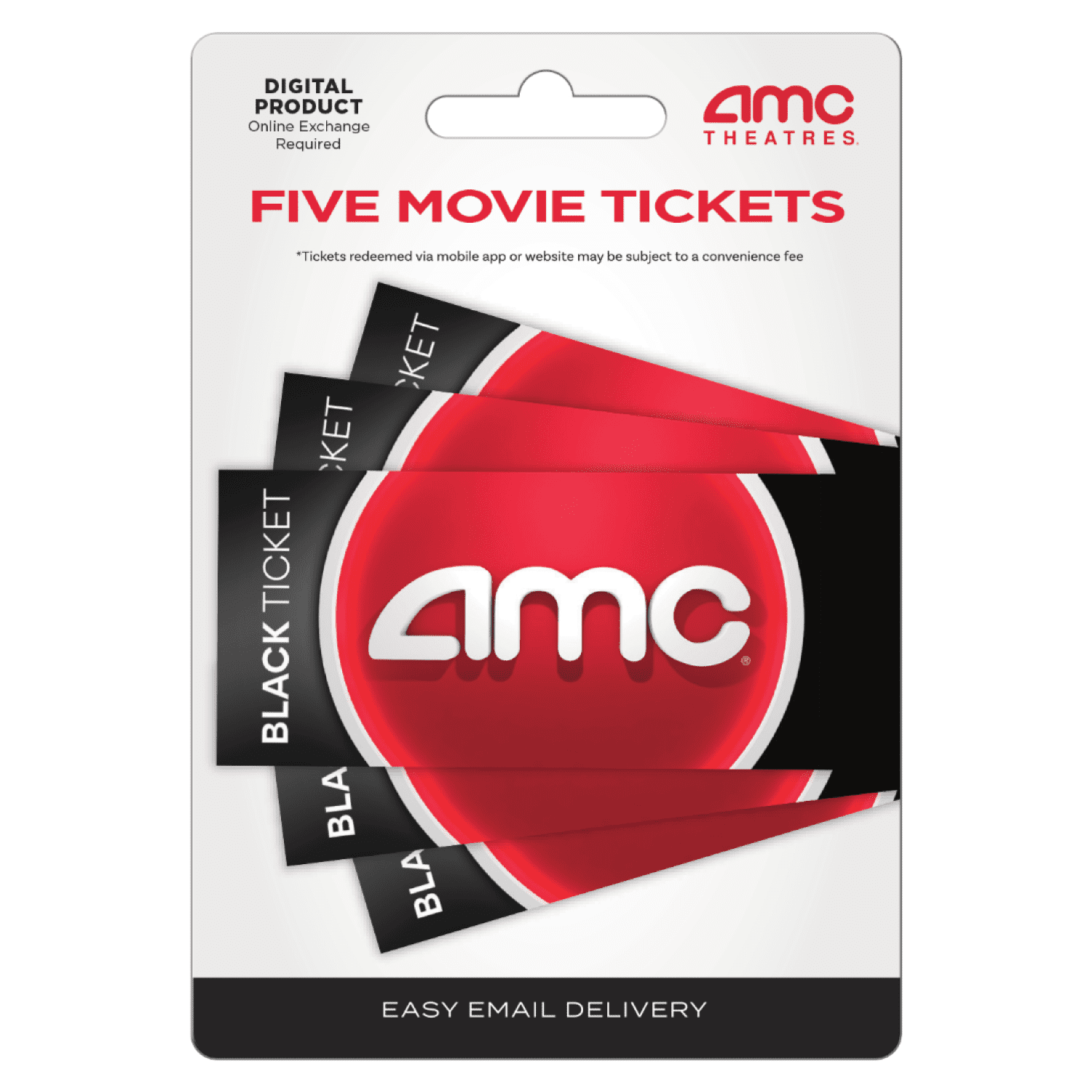
An AMC Black Ticket is a premium discount voucher that is typically purchased in bulk or through authorized corporate resellers. Unlike standard “Yellow” tickets, which are restricted in certain states (such as California, New York, and New Jersey) due to local pricing regulations, the Black Ticket is a universal voucher. From a financial perspective, it represents a “universal credit” that can be redeemed at any AMC Theatres location across the United States.
The primary characteristic that separates the Black Ticket from other promotional offerings is its lack of an expiration date. In the world of personal finance, an asset that does not depreciate or expire provides a unique form of “entertainment insurance,” allowing the holder to lock in today’s prices for a service that will likely cost more in five to ten years.
The Cost-Benefit Analysis: Black vs. Yellow Tickets
When auditing your entertainment budget, the choice between different voucher types is critical. Yellow tickets are often sold at a lower price point than Black tickets, but they carry geographical limitations. If you reside in a state with high cost-of-living indices, the Yellow ticket is functionally useless.
The Black Ticket, conversely, carries a higher upfront cost but offers 100% liquidity across the AMC network. For a financial manager or a head of household, the Black Ticket represents the “Gold Standard” of cinema vouchers. When purchased through channels like Costco, Sam’s Club, or corporate discount portals (like Perks at Work), the per-ticket cost can drop significantly below the average national box office price, creating a clear arbitrage opportunity for the consumer.
Leveraging AMC Black Tickets for Personal Finance and Budgeting
Strategic budgeting is not about eliminating joy; it is about finding the most efficient way to fund it. Integrating AMC Black Tickets into a personal finance strategy allows for “sinking fund” management of entertainment expenses.
Bulk Purchasing as a Savings Strategy
One of the core tenets of wealth management is the reduction of recurring costs. By purchasing AMC Black Tickets in “bundles”—often available in packs of 2, 4, 10, or even 50—individuals can achieve a lower “unit price” for their entertainment.
Consider the math: if a standard weekend evening ticket costs $18.50 and a Black Ticket (purchased in a bundle) costs $12.00, the consumer realizes a 35% savings immediately. If a family of four visits the cinema six times a year, using Black Tickets can result in annual savings of over $150. In the context of a diversified budget, these small wins contribute to a larger culture of fiscal discipline and savvy consumption.
Navigating Expiration and Usage Restrictions
While Black Tickets do not expire, they are not entirely devoid of limitations. From a financial planning perspective, it is important to account for “surcharges.” AMC Black Tickets cover the base cost of a standard 2D movie. However, if you choose to view a film in IMAX, Dolby Cinema, or 3D, a surcharge is applied at the point of sale.
A professional approach to using these tickets involves calculating the “Total Cost of Attendance.” If the surcharge for an IMAX film is $5.00, your total investment is the cost of the Black Ticket plus $5.00. Even with this additional fee, the total cost often remains lower than a direct-purchase IMAX ticket. For the budget-conscious, staying within the “Standard 2D” lane ensures that the Black Ticket provides the maximum possible ROI.

Corporate Financial Strategy: Black Tickets as Incentives
Beyond personal use, AMC Black Tickets serve as a versatile tool in corporate finance and human resources. They are often utilized as low-cost, high-perceived-value rewards within a company’s operational budget.
Employee Rewards and Tax Implications
For businesses, maintaining employee morale is a key component of retention strategy, which directly impacts the bottom line by reducing turnover costs. AMC Black Tickets are frequently used as “spot bonuses” or rewards for meeting KPIs.
From an accounting standpoint, these vouchers are often categorized under “Employee Achievement Awards” or “De Minimis Fringe Benefits.” Because the value of a single movie ticket is relatively low, it often falls under the threshold for taxable income for the employee, making it a “clean” gift. For the corporation, bulk-purchased tickets are a deductible business expense that provides a significant psychological boost to the workforce without the administrative complexity of a cash bonus or a complex stock option plan.
Client Acquisition and Brand Equity
In marketing and business development, Black Tickets can be used as “low-friction” lead magnets or client thank-you gifts. Sending a pair of Black Tickets to a prospective client is a professional gesture that encourages work-life balance while keeping your brand top-of-mind.
Because Black Tickets do not have a brand name associated with a specific discount store (they are branded strictly as AMC), they maintain a level of prestige. They are perceived as a “premium” gift rather than a “discount” coupon. This allows a business to maintain high brand equity while actually operating on a cost-efficient marketing budget.
The Secondary Market and Asset Protection
As with any liquid asset, the AMC Black Ticket is subject to the dynamics of the secondary market. This introduces both opportunities for further savings and risks that must be managed.
Avoiding Fraud in Third-Party Exchanges
In an attempt to find even deeper discounts, some individuals turn to secondary marketplaces or auction sites. From a digital security and financial safety perspective, this is a high-risk move. AMC Black Tickets are essentially “bearer instruments”—whoever holds the physical ticket or the digital code owns the value.
Fraudulent sellers often sell used or “voided” codes. To protect your capital, it is imperative to only procure Black Tickets from authorized AMC partners or reputable corporate benefit programs. Saving an extra $1 per ticket on a shady website is not worth the 100% loss of capital if the code is invalid at the theater.
Maximizing Redemption Value
To get the most out of a Black Ticket, one must understand the timing of redemption. Box office prices often fluctuate based on the day of the week or the time of day (matinees). To maximize the financial utility of a Black Ticket, it should be used for “Prime Time” screenings—Friday and Saturday evenings—when the cash price of a ticket is at its peak.
Using a Black Ticket for a Tuesday morning matinee, where the cash price might already be discounted to $8.00, is a poor financial move, as the voucher likely cost you $11.00 or $12.00. Professional “value hunters” save their Black Tickets for blockbuster opening weekends and peak hours to ensure they are getting the maximum spread between the voucher cost and the market price.

Conclusion: The Strategic Value of Entertainment Vouchers
The AMC Black Ticket is more than just a pass to a movie; it is a strategic tool for financial optimization. Whether used as a hedge against inflation in a personal budget, a cost-effective employee incentive in a corporate setting, or a gift to strengthen business relationships, its value is undeniable.
By understanding the “cost-per-use,” navigating the surcharge landscape, and purchasing through secure, bulk-discount channels, users can enjoy the best of cinema while maintaining a disciplined approach to their finances. In the world of money management, it is often the optimization of small, recurring expenses that builds the foundation for long-term fiscal health. The AMC Black Ticket is a prime example of how a small adjustment in procurement strategy can lead to significant, repeatable savings.
aViewFromTheCave is a participant in the Amazon Services LLC Associates Program, an affiliate advertising program designed to provide a means for sites to earn advertising fees by advertising and linking to Amazon.com. Amazon, the Amazon logo, AmazonSupply, and the AmazonSupply logo are trademarks of Amazon.com, Inc. or its affiliates. As an Amazon Associate we earn affiliate commissions from qualifying purchases.