
The question, “What animals are cute?” seems deceptively simple. It conjures images of fluffy kittens, playful puppies, and perhaps the iconic panda. But as we delve deeper into the multifaceted world of cuteness, we discover it’s not just about appearance. Cuteness, in a broader sense, can be influenced by our perceptions, our own biological predispositions, and even the way technology and branding interact with our understanding of these creatures.
While the initial instinct might be to list a series of adorable creatures, a more engaging exploration would consider why we perceive certain animals as cute and how this perception might be amplified or even manipulated through various lenses. This article will explore the concept of animal cuteness, not just through a biological lens, but also through the fascinating interplay of technology, branding, and even how we manage our finances in relation to our love for animals.

The Biology of Adorable: Evolutionary Roots of Cuteness
At its core, our perception of cuteness is deeply rooted in evolutionary biology. Scientists have identified a set of physical and behavioral characteristics that trigger our nurturing instincts. These “baby schema” features, first popularized by Konrad Lorenz, are found in human infants and are believed to have evolved to ensure their survival by eliciting caregiving responses from adults.
Key Features of the “Baby Schema”
- Large Eyes: Relative to their head size, large, wide-set eyes are a hallmark of infants. They convey innocence, vulnerability, and a sense of dependency. Think of the soulful gaze of a fennec fox or the wide, curious eyes of an owl. These features tap directly into our innate desire to protect and care for the young.
- Round Face and Head: A rounded, often disproportionately large head compared to the body also signals youth and immaturity. This characteristic is prevalent in creatures like the puffin, with its perfectly spherical head, or the slow loris, whose gentle, round features are undeniably appealing.
- Soft, Rounded Body: The absence of sharp angles and the presence of a plump, soft physique contribute to the perception of cuddliness and gentleness. Baby seals, with their bulbous bodies and lack of defined limbs, are a prime example. Even insects, when they possess rounded forms and soft textures, can elicit a similar response – consider the plumpness of a ladybug.
- Small Nose and Mouth: A delicate, diminutive nose and mouth, tucked away on a larger face, further emphasize the overall impression of a helpless infant. This is evident in the tiny snout of a hamster or the almost imperceptible mouth of a tardigrade.
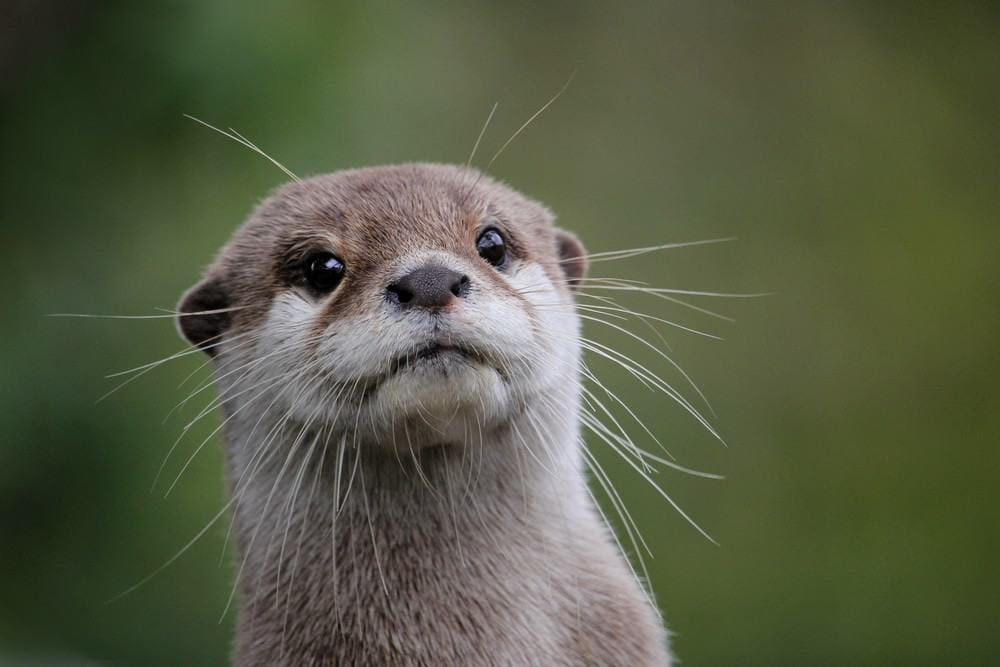
- Playful and Clumsy Behavior: Beyond physical attributes, behavior plays a crucial role. Playfulness, expressed through clumsy movements, awkward tumbles, and energetic bursts of activity, is universally endearing. The playful antics of otters, the clumsy waddle of a penguin, or the boisterous pouncing of a lion cub all trigger our amusement and affection. This behavior signals a lack of threat and an invitation to interact.
The “Cute Aggression” Phenomenon
Interestingly, our reaction to cuteness isn’t always pure, unadulterated adoration. Some studies have explored the concept of “cute aggression,” where individuals report feeling an urge to squeeze, bite, or pinch something they find overwhelmingly cute. This isn’t a sign of malice but rather an over-the-top emotional response to intense positive stimuli. It suggests that cuteness can be so powerful it overwhelms our emotional regulation, leading to this paradoxical urge.
Tech’s Role in Amplifying and Distributing Cuteness
Technology has revolutionized how we discover, share, and even interact with images and videos of cute animals. What was once limited to zoos, nature documentaries, or personal encounters can now be accessed instantaneously, shaping our collective understanding and appreciation of animal cuteness.
The Digital Zoo: Social Media and Viral Content
Social media platforms are a veritable digital zoo, overflowing with an endless stream of adorable animal content. From viral videos of cats chasing laser pointers to heartwarming stories of unlikely animal friendships, these platforms have become primary vectors for disseminating cuteness. Algorithms are designed to serve content that engages users, and cute animals consistently rank high on this engagement scale.
- User-Generated Content: Platforms like Instagram, TikTok, and YouTube thrive on user-generated content. Everyday people can easily capture and share moments of their pets or encounters with wildlife, contributing to the vast ocean of cute animal imagery.
- Memes and Gifs: The internet has a language of its own, and cute animals are fluent speakers. Memes and GIFs featuring animals have become a ubiquitous form of online communication, spreading joy and relatability across diverse audiences. The “grumpy cat” or the “distracted boyfriend” meme, often featuring animal subjects, demonstrate the cultural impact of these digital representations.
- Livestreams and Virtual Encounters: Technology allows us to witness animal behavior in real-time. Livestreams from wildlife sanctuaries, aquariums, or even our own homes offer a continuous feed of adorable moments. This virtual presence fosters a sense of connection and allows us to experience the charm of animals we might never encounter in person.
AI and the Future of Cute Discovery
Artificial intelligence is beginning to play a role in identifying and even generating “cute” content. AI algorithms can analyze vast datasets of images and videos to identify patterns associated with cuteness, potentially helping to curate more appealing content or even assist in scientific research on animal behavior and perception.
- Content Curation: AI can be used to automatically tag and categorize cute animal content, making it easier for users to find precisely what they’re looking for. Imagine an AI that can identify the most “adorable” moments from a lengthy wildlife documentary.
- Generative AI and Animal Avatars: While still in its nascent stages, generative AI could theoretically be used to create novel, stylized representations of animals that are optimized for cuteness. This could lead to new forms of digital entertainment or even assist in educational tools.
- Ethical Considerations: As AI becomes more sophisticated, it raises ethical questions. Will AI be used to create “designer” cute animals that are not naturally occurring? How do we ensure responsible use of AI in relation to our fascination with animal cuteness?
Branding and the Power of Animal Mascots
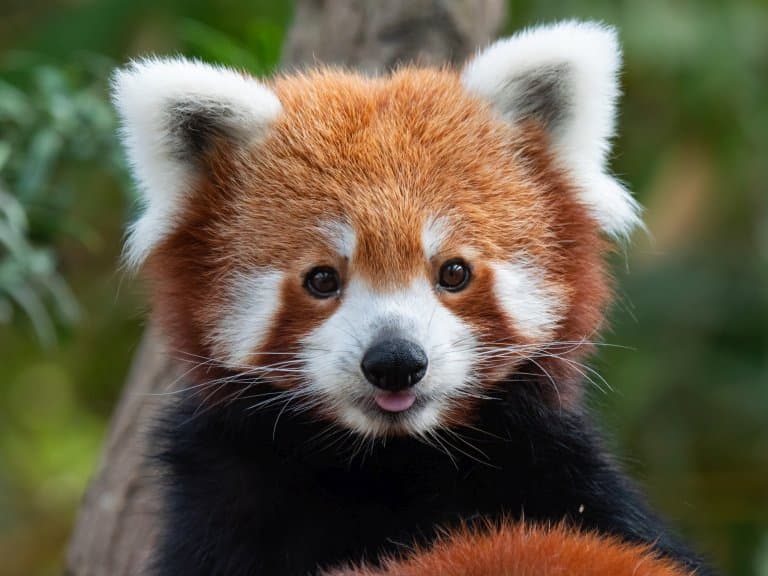
The inherent appeal of cute animals has made them powerful tools in branding and marketing. From corporate mascots to product endorsements, the association with cuteness can evoke positive emotions, build brand loyalty, and enhance a company’s image.
Animal Mascots: Enduring Icons of Appeal
The use of animals as brand mascots is a well-established and highly effective marketing strategy. These mascots transcend language barriers and cultural differences, offering a universally understood symbol of a brand’s values.
- Building Emotional Connections: Cute animal mascots create an immediate emotional connection with consumers. Think of the M&M’s characters, the Pillsbury Doughboy, or the Geico gecko. These characters are not just visual representations; they embody personality traits that resonate with audiences, often associated with friendliness, reliability, or playfulness.
- Enhancing Brand Recall: Memorable animal mascots contribute significantly to brand recall. Their distinctive features and consistent presence in advertising campaigns make them easily recognizable and memorable, helping brands stand out in a crowded marketplace.
- Targeting Specific Demographics: Certain animals are perceived as cuter by specific demographics. For example, cartoonish animals or characters associated with children’s media might be used to target younger audiences, while more sophisticated or majestic animals might be employed for a more mature demographic.
- Case Studies in Success:
- WWF’s Panda: The iconic panda logo of the World Wildlife Fund is a prime example of a cute animal used for a cause. The panda’s gentle appearance evokes sympathy and a desire to protect, perfectly aligning with the organization’s mission.
- KFC’s Colonel Sanders and the Chicks: While the Colonel is the face, the occasional inclusion of fluffy chicks in their branding subtly taps into the cuteness factor, associating the brand with nurture and perhaps even a sense of origin.
- Duolingo’s Duo the Owl: This feathery mascot is designed to be approachable and friendly, encouraging users to engage with language learning without feeling intimidated.
Personal Branding and the “Petfluencer” Phenomenon
The rise of “petfluencers” on social media demonstrates how individual animals can build significant personal brands, generating income and influencing consumer behavior. These animals, often accompanied by their human owners, have amassed large followings by showcasing their unique personalities and adorable antics.
- Monetizing Cuteness: Petfluencers can earn significant income through sponsored posts, product endorsements, and affiliate marketing. Brands recognize the power of their highly engaged audiences and leverage these animals to promote their products.
- Authenticity and Relatability: The appeal of petfluencers often lies in their perceived authenticity and relatability. Their everyday lives, interspersed with moments of mischief and affection, resonate with pet owners and animal lovers alike.
- Building a Niche: Many petfluencers carve out a specific niche, focusing on particular breeds, activities, or even unique pet personalities. This allows them to attract a dedicated and passionate audience.
Money and Our Adorable Companions: Financial Aspects of Animal Love
Our fascination with cute animals often extends to our personal finances. From the cost of pet ownership to investments in animal-related industries, our love for these creatures has tangible financial implications.
The Cost of Cuteness: Pet Ownership as a Financial Commitment
Bringing a cute animal into our lives is often a significant financial undertaking. Beyond the initial adoption or purchase price, there are ongoing expenses that need to be carefully managed.
- Food and Supplies: Quality food, grooming supplies, toys, and bedding are essential recurring costs. The size and breed of an animal will significantly impact these expenses.
- Veterinary Care: Regular check-ups, vaccinations, and potential emergency treatments can represent a substantial portion of a pet owner’s budget. Pet insurance can help mitigate these costs, but it too is an expense.
- Training and Socialization: Investing in professional training or obedience classes can ensure a well-behaved companion, but this also comes with a price tag.
- The “Cute Tax”: Sometimes, we might be inclined to overspend on our pets simply because they are so adorable. This could manifest in purchasing unnecessary luxury items or indulging in expensive treats. It’s important to differentiate between essential care and impulse buys driven by affection.
Investing in Our Furry Friends: Opportunities in the Animal Industry
For those who want to combine their love of animals with their financial goals, there are various investment opportunities within the animal industry.
- Pet Care Businesses: From grooming salons and pet-sitting services to specialized pet food manufacturers and veterinary clinics, the pet care industry is a growing sector.
- Animal Welfare and Conservation: Investing in companies or organizations focused on animal welfare, conservation efforts, or the development of sustainable animal husbandry practices can be both financially rewarding and ethically fulfilling.
- Pet-Tech Innovations: The burgeoning “pet-tech” sector offers exciting investment potential. This includes smart pet feeders, GPS trackers for pets, automated pet toys, and AI-powered pet health monitoring devices.
- Ethical Considerations in Investment: As with any investment, it’s crucial to conduct thorough research and consider ethical implications. Supporting businesses that prioritize animal welfare and sustainability is essential for responsible investing.
Conclusion: Cuteness as a Multifaceted Phenomenon
The question of “what animals are cute” is far more than a simple inventory of fluffy creatures. It’s a window into our evolutionary history, a testament to the power of technology in shaping our perceptions, and a reflection of our branding strategies and financial decisions. From the biological underpinnings of our attraction to baby-like features to the sophisticated algorithms that curate our online experiences and the economic realities of pet ownership, cuteness is a multifaceted phenomenon.
As we continue to evolve alongside technology and our understanding of the world, our appreciation for animal cuteness will undoubtedly deepen and diversify. By recognizing the interplay of these different elements – biology, technology, branding, and finance – we can gain a richer, more nuanced understanding of why we find certain animals so irresistibly adorable, and how this enduring fascination shapes our lives in profound ways.