
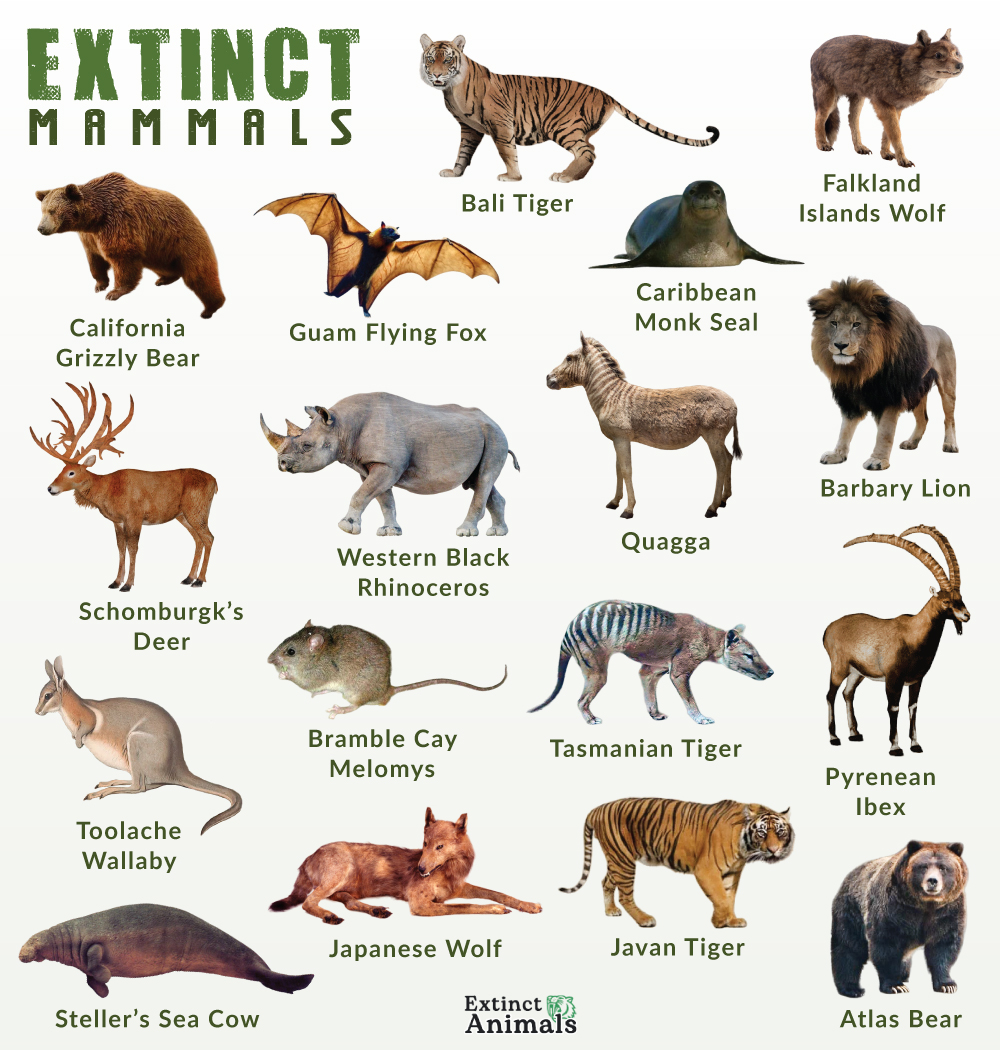
The question “what animal recently went extinct?” often evokes a sense of somber curiosity, a quiet acknowledgment of an irreplaceable loss. While headlines frequently focus on advancements in technology, the latest branding triumphs, or shifts in global finance, the silent disappearance of species underscores a profound challenge that intricately ties into all these domains. The reality is stark: extinction is not a relic of distant geological eras but a continuous, accelerating phenomenon in our modern world. Among the most recent and poignant examples is the Bramble Cay melomys (Melomys rubicola), a small rodent native to a tiny coral cay in the Great Barrier Reef. Its official declaration of extinction in 2016, following its last confirmed sighting in 2009, marked a tragic milestone: it is considered the first mammal species to go extinct specifically due to human-induced climate change.
The demise of the Bramble Cay melomys serves as a stark warning, a tiny canary in the coal mine for the planet’s vast biodiversity. Its story, and the broader crisis of species loss, is not merely an ecological footnote; it is a complex narrative woven into the fabric of our technological progress, our economic systems, and how we brand ourselves and our values to the world. Understanding this loss compels us to explore how cutting-edge technology can monitor and mitigate further extinctions, how strategic branding can galvanize action, and how innovative financial models can fund the monumental task of conservation.
The Vanishing Act: Pinpointing Recent Extinctions
The official confirmation of extinction is a scientific process, often requiring extensive surveys and a lack of sightings over a prolonged period. Unfortunately, the list of recently extinct species is longer than many realize, spanning various ecosystems and taxonomic groups.
The Bramble Cay Melomys: A Canary in the Coal Mine
Bramble Cay, a small, isolated vegetated coral cay in the Torres Strait, was the sole known habitat for the Bramble Cay melomys. These shy, reddish-brown rodents thrived on the island’s sparse vegetation, playing a crucial role in its delicate ecosystem. However, rising sea levels and an increase in the frequency and intensity of extreme weather events, particularly storm surges, led to catastrophic habitat loss. Repeated inundation by saltwater destroyed their food sources and overwhelmed their low-lying burrows. Scientists concluded that without its habitat, the melomys simply had nowhere to go, no chance to adapt, and no way to survive.
The story of the Bramble Cay melomys highlights the acute vulnerability of island species to climate change, offering a chilling preview of what could happen to countless other organisms as global temperatures continue to rise. Its extinction wasn’t due to direct human predation or habitat destruction in the traditional sense, but rather a more insidious, pervasive threat driven by the cumulative impact of our global industrial footprint.
Beyond the Melomys: A Wider Crisis
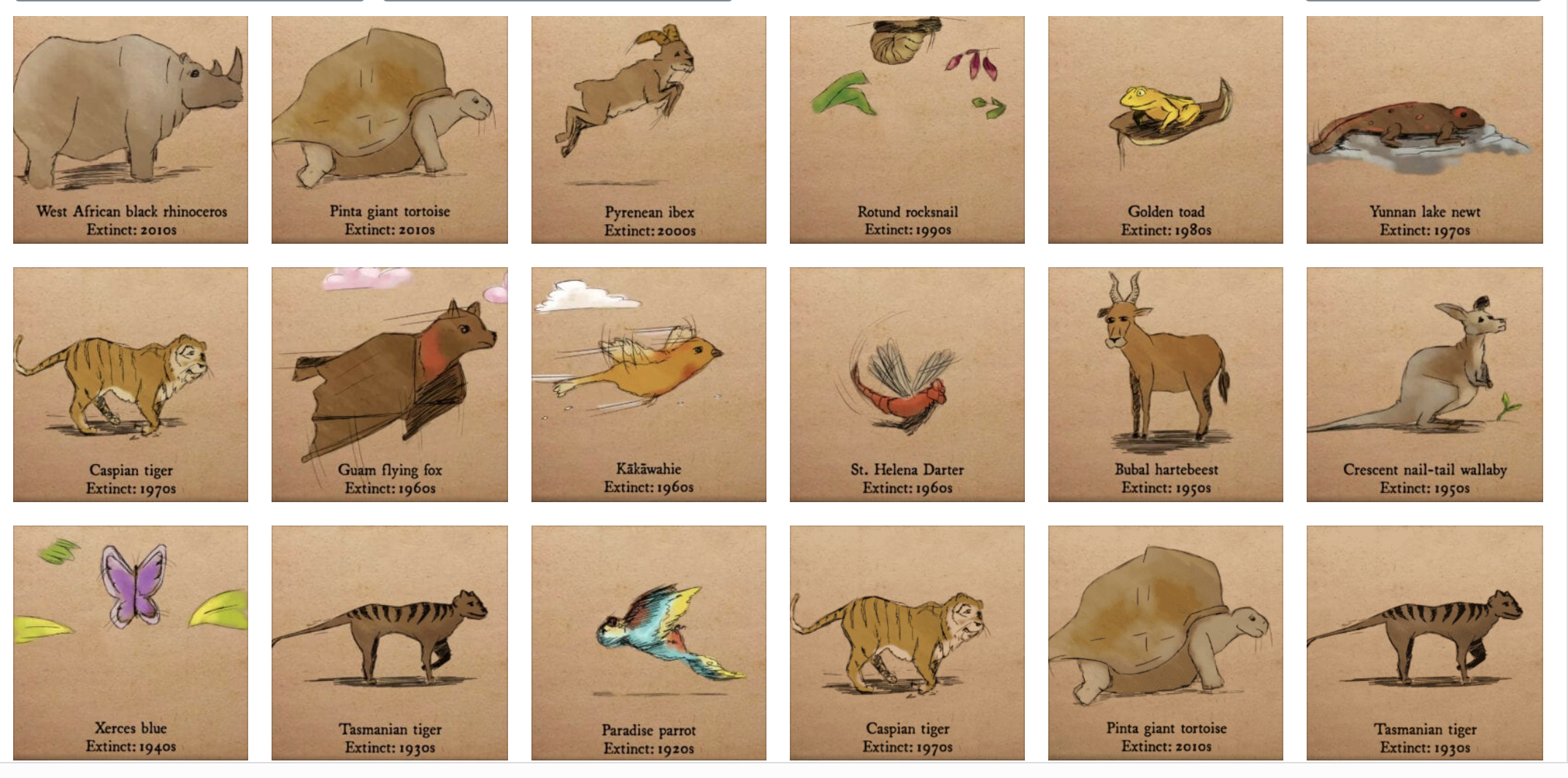
While the Bramble Cay melomys is a prominent recent example, it’s far from isolated. The International Union for Conservation of Nature (IUCN) Red List, the global authority on the status of the natural world, consistently updates its roster of species moving towards or already classified as Extinct (EX) or Extinct in the Wild (EW). Over the last few decades, species like the Pinta Island Tortoise (Lonesome George, a symbol of conservation, died in 2012, making the species functionally extinct), various frog species decimated by chytrid fungus, and numerous insect species have vanished, often silently and without much public awareness.
This wider crisis underscores the urgency of proactive conservation. Many species are critically endangered, teetering on the brink of disappearance due to habitat loss, pollution, invasive species, and climate change. Each extinction represents an irreversible loss of unique genetic material, a disruption of ecological balance, and a diminishing of Earth’s natural heritage.
Tech to the Rescue (and a Cause for Concern): Innovation in the Face of Loss
In an era defined by rapid technological advancement, the tools at our disposal are more sophisticated than ever. While technology’s relentless march has, in some ways, contributed to environmental pressures (e.g., electronic waste, energy consumption of data centers, industrial pollution), it also offers powerful solutions to monitor, understand, and even potentially reverse the tide of extinction.
Digital Eyes on Disappearing Worlds
Modern technology provides unprecedented capabilities for biodiversity monitoring and conservation.
- Satellite Imaging and Drones: High-resolution satellite imagery and advanced drone technology allow scientists to remotely map habitats, track deforestation, monitor wildlife movements, and assess environmental changes over vast and often inaccessible areas. This provides crucial data for identifying critical habitats and understanding threats.
- AI and Machine Learning: Artificial intelligence is revolutionizing data analysis in conservation. AI tools can process massive datasets from camera traps, acoustic sensors, and genetic samples to identify individual animals, estimate population sizes, detect poaching activity, and predict disease outbreaks. Machine learning algorithms can analyze climate patterns to model species distribution and predict which areas are most vulnerable to habitat loss, enabling targeted conservation efforts.
- Bioacoustics and Environmental DNA (eDNA): Specialized audio recording devices coupled with AI can monitor biodiversity by identifying species through their unique calls or songs. Similarly, eDNA analysis allows scientists to detect the presence of species in water or soil samples simply by analyzing the trace amounts of genetic material they leave behind, offering a non-invasive way to survey elusive or rare creatures.
- IoT and Sensor Networks: The Internet of Things (IoT) enables networks of sensors to collect real-time data on environmental conditions (temperature, humidity, water quality) and animal behavior, providing immediate insights that can trigger alerts for poaching or environmental hazards.
- Digital Security and Anti-Poaching: From encrypted communication systems for rangers to advanced tracking devices that monitor high-value species, digital security tools are vital in the fight against illegal wildlife trade, a major driver of extinction for many large mammals.
Rewriting the Future: Biotechnology and De-extinction Debates
Beyond monitoring, cutting-edge biotechnology is pushing the boundaries of what’s possible. Genetic sequencing and gene editing technologies like CRISPR offer theoretical pathways for “de-extinction,” bringing back species like the Woolly Mammoth or the Passenger Pigeon from preserved DNA. While highly controversial due to ethical concerns, ecological implications, and the immense practical challenges, these technologies highlight the profound impact tech could have. More immediately, genetic tools are crucial for understanding genetic diversity within endangered populations, informing captive breeding programs, and identifying disease resistance.
The Digital Footprint: Tech’s Dual Role

It’s essential to acknowledge technology’s dual role. The production of gadgets and the energy demands of our digital infrastructure contribute to resource depletion and carbon emissions. However, the same ingenuity driving these technologies can also foster sustainable solutions. For example, advances in renewable energy tech reduce reliance on fossil fuels, while software platforms can optimize supply chains to reduce waste, and digital tools promote remote work, potentially lowering carbon footprints. The challenge lies in leveraging tech responsibly, ensuring its power is harnessed primarily for solutions that mitigate its own environmental impact and advance conservation goals.
Branding Nature: Communicating Crisis and Catalyzing Change
In a world saturated with information, how we brand and communicate the crisis of extinction is critical. Branding isn’t just about products; it’s about identity, values, and connecting with an audience to inspire action. For conservation, effective branding can elevate awareness, foster empathy, and mobilize resources.
The Power of a Purposeful Brand: Elevating Conservation
Major conservation organizations like the World Wildlife Fund (WWF) have mastered the art of brand building. Their iconic panda logo is globally recognized, instantly communicating their mission of protecting wildlife. This strong brand identity allows them to cut through the noise, attract donations, and influence policy. Similarly, individual scientists, activists, and even specific endangered species (e.g., the giant panda, the tiger) become “brands” themselves, symbols around which movements coalesce. Storytelling, leveraging digital platforms and social media, is key to this. Powerful narratives about the loss of a species, its ecological role, and its connection to human well-being can resonate deeply, turning abstract threats into tangible concerns.
Corporate Conscience and Green Marketing
As environmental awareness grows, consumers increasingly demand that businesses demonstrate a commitment to sustainability. This has led to the rise of Corporate Social Responsibility (CSR) and “green marketing.” Companies are branding themselves not just on the quality of their products or services, but on their ethical sourcing, reduced environmental footprint, and support for conservation initiatives. From fashion brands using recycled materials to tech companies investing in renewable energy for their data centers, a strong “green brand” can enhance reputation, attract environmentally conscious customers, and even improve employee morale. Conversely, “greenwashing”—marketing ploys that exaggerate environmental efforts—can severely damage a brand’s reputation and lead to consumer distrust. Authentic commitment, backed by verifiable data and transparent practices, is paramount.
Designing for a Sustainable Future
Beyond corporate branding, the principles of branding and design extend to how we approach solutions. Concepts like the “circular economy” are powerful brands for a sustainable future, advocating for products designed for longevity, repair, and recycling rather than a linear “take-make-dispose” model. Product design itself becomes a branding exercise for sustainability, where minimalist aesthetics, durable materials, and energy efficiency are signals of environmental responsibility. Even urban planning and infrastructure projects can be branded as “eco-cities” or “green initiatives,” shaping public perception and garnering support for sustainable development.
The Green Gold: The Economic Imperative of Biodiversity
The loss of species is not merely an ecological tragedy; it has profound economic implications. Biodiversity represents “natural capital,” the essential goods and services provided by ecosystems, which underpin global economies. The extinction crisis, therefore, presents a significant economic risk but also opens avenues for innovative financial solutions.
Valuing the Irreplaceable: The Economic Cost of Extinction
Ecosystem services – clean air and water, pollination of crops, climate regulation, soil fertility, natural pest control – are invaluable and often taken for granted. The economic value of these services is staggering, often far exceeding the cost of preserving the ecosystems that provide them. When a species goes extinct, it can weaken the entire ecosystem, leading to a cascade of negative economic impacts. For instance, the loss of pollinators can devastate agriculture, while the destruction of coastal ecosystems can increase vulnerability to storms, leading to billions in infrastructure damage and disaster relief. Understanding this intrinsic economic value is crucial for shifting priorities from exploitation to conservation.
Investing in Life: Green Finance and Sustainable Returns
The financial sector is increasingly recognizing biodiversity loss as a systemic risk and sustainability as an investment opportunity.
- ESG Investing: Environmental, Social, and Governance (ESG) criteria are now mainstream for investors looking to align their portfolios with sustainable practices. Companies with strong ESG performance are often seen as more resilient and future-proof.
- Impact Investing: This growing field focuses on investments that generate both financial returns and positive social or environmental impact. This includes funding renewable energy projects, sustainable agriculture, and conservation initiatives directly.
- Green Bonds and Sustainable Finance: Governments and corporations are issuing green bonds to finance environmentally friendly projects, attracting capital from investors seeking to support climate action and biodiversity conservation. Financial tools are being developed to quantify biodiversity risk and reward, encouraging capital flows towards solutions.
- Carbon Markets and Nature-Based Solutions: While complex, financial mechanisms like carbon credit markets can incentivize the protection of forests and other ecosystems that sequester carbon and support biodiversity, offering a monetary value to natural assets.
From Side Hustles to Sustainable Business Models
The growing demand for sustainable products and services also creates numerous economic opportunities.
- Eco-Tourism: Responsible tourism provides local communities with economic incentives to protect their natural surroundings and wildlife.
- Sustainable Agriculture and Aquaculture: Businesses focused on organic farming, permaculture, and sustainable fishing practices are finding market niches and growing demand.
- Green Technology Startups: Innovators are developing tech solutions for everything from waste reduction and renewable energy to biodiversity monitoring and precision conservation.
- Online Income and Advocacy: Individuals can leverage platforms to promote sustainable living, sell eco-friendly products, or raise funds for conservation as side hustles or full-time ventures. This democratization of financial support and awareness creation is a powerful modern tool.
The disappearance of the Bramble Cay melomys is a sobering reminder that our planet’s biodiversity is under immense pressure. Yet, in this challenge lies a profound opportunity. By strategically deploying advanced technology, crafting compelling narratives through effective branding, and channeling financial resources into sustainable solutions, we can shift from merely observing extinctions to actively preventing them. The interconnectivity of these fields – Tech, Brand, and Money – is not incidental; it is the very framework through which humanity must address the ecological crisis. Our ingenuity, our persuasive communication, and our economic models must all converge to safeguard the priceless natural capital that sustains us all, ensuring that fewer animals face the silent oblivion of recent extinction.
aViewFromTheCave is a participant in the Amazon Services LLC Associates Program, an affiliate advertising program designed to provide a means for sites to earn advertising fees by advertising and linking to Amazon.com. Amazon, the Amazon logo, AmazonSupply, and the AmazonSupply logo are trademarks of Amazon.com, Inc. or its affiliates. As an Amazon Associate we earn affiliate commissions from qualifying purchases.