
In the world of personal finance, few names carry as much weight as American Express. For decades, the brand has been synonymous with premium service, high-tier rewards, and financial prestige. However, for the modern consumer, the decision to carry an Amex card isn’t about status—it’s about cold, hard math. With a sprawling portfolio of cards ranging from zero-fee cash-back options to high-annual-fee luxury charge cards, the question of “which card should I keep in my wallet” becomes a complex exercise in cost-benefit analysis.
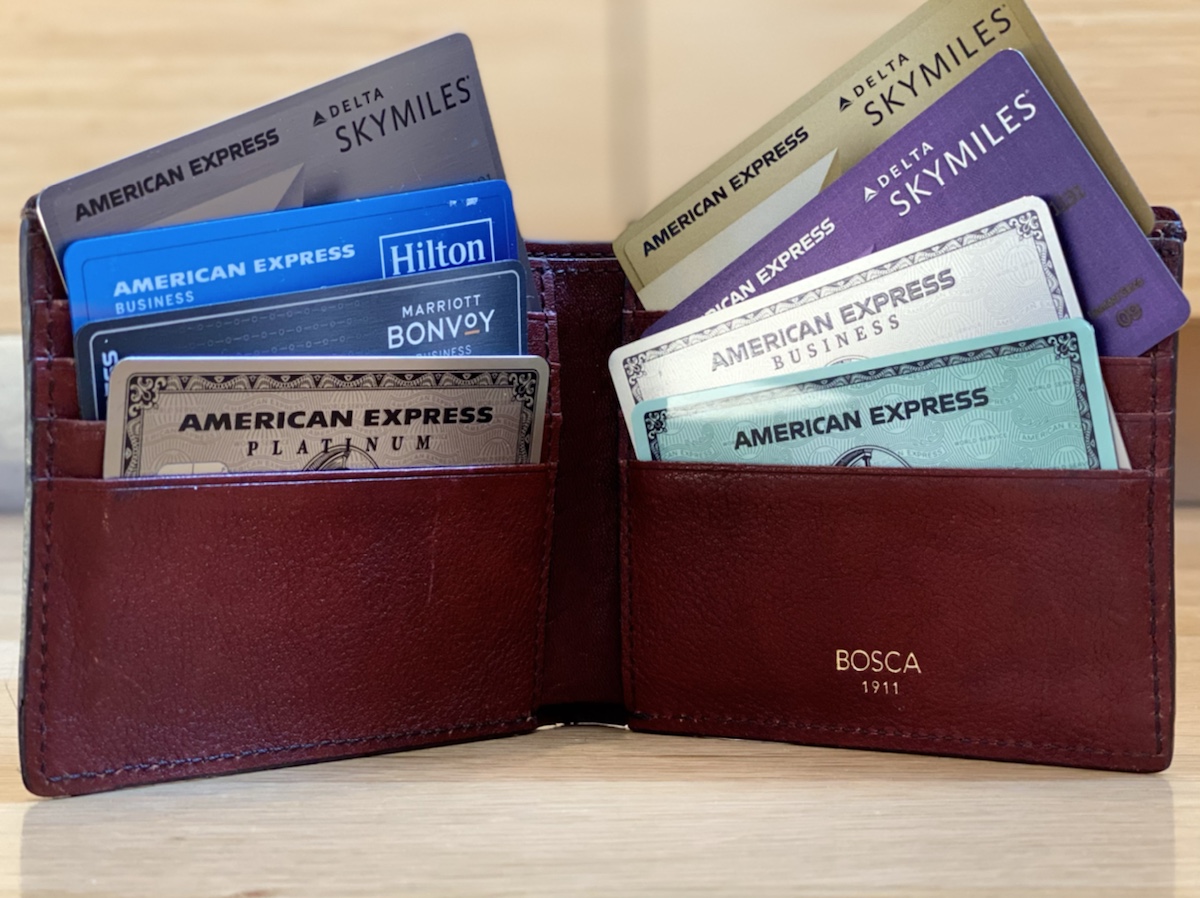
Choosing the right American Express card requires an honest assessment of your spending habits, travel frequency, and financial goals. Whether you are looking to fund a dream vacation through Membership Rewards points or simply want to shave 3% off your grocery bill, there is a specific configuration that fits your lifestyle. This guide breaks down the Amex ecosystem into actionable categories to help you determine which card deserves that coveted slot in your physical or digital wallet.
Understanding the American Express Ecosystem: Rewards vs. Cash Back
Before selecting a card, you must decide which financial currency you value more: Membership Rewards (MR) points or straightforward cash back. This choice dictates your long-term strategy and determines how much effort you must put into managing your account.
The Power of Membership Rewards Points
Membership Rewards are the crown jewel of the Amex ecosystem. Unlike fixed-value points, MR points are “transferable currencies.” This means you can move them to various airline and hotel partners, such as Delta, British Airways, or Hilton. For those who understand the “points and miles” game, these points can often be redeemed for 2 cents or more per point, effectively doubling the value of your rewards compared to cash back. If you are a frequent traveler or aspire to fly business class for the cost of taxes and fees, an MR-earning card is essential.
The Simplicity of Cash Back
On the other side of the spectrum are the cash-back cards. These are designed for the “set it and forget it” consumer. Rewards are earned as a percentage of your spend and can be applied as a statement credit. While the ceiling for value is lower than Membership Rewards, the floor is higher and much more predictable. There is no need to study transfer charts or hunt for award seat availability. If your primary goal is to reduce your monthly expenses, the cash-back route is often the superior financial tool.
Credit Cards vs. Charge Cards
It is also vital to distinguish between Amex’s traditional credit cards and their signature charge cards (like the Gold and Platinum). Charge cards traditionally had no preset spending limit and required the balance to be paid in full every month. While Amex now offers “Plan It” and “Pay Over Time” features on these cards, they are still fundamentally different from credit cards like the Blue Cash Everyday, which have a hard credit limit. Understanding this distinction is key to managing your debt-to-income ratio and credit utilization.
The Daily Drivers: Maximizing Rewards on Essential Spending
For most people, the bulk of their monthly budget goes toward two things: food and fuel. If you want a card that earns its keep every single day, you need a “daily driver” that offers high multipliers in these categories.
The American Express® Gold Card: The King of Dining
If you spend a significant amount on groceries and dining out, the American Express Gold Card is arguably the most valuable card in the entire market. It offers 4x Membership Rewards points at restaurants worldwide and at U.S. supermarkets (up to $25,000 in spend per year). When you consider that MR points are valued highly, a 4x return is effectively like getting 6-8% back on your food budget. While the card carries a substantial annual fee, the inclusion of monthly Uber Cash and dining credits can offset the cost entirely for those who already use those services.
Blue Cash Preferred® Card: The Grocery Powerhouse
For those who prefer cash back over points, the Blue Cash Preferred Card is a top-tier contender. It offers a staggering 6% cash back at U.S. supermarkets (on up to $6,000 per year) and 6% on select U.S. streaming subscriptions. Additionally, it provides 3% back at U.S. gas stations and on transit. For a family with a high grocery bill, the 6% return easily covers the annual fee within the first few months, making the rest of the year pure profit.
The Blue Business® Plus: The “Everything Else” Solution
A common mistake in personal finance is earning only 1 point per dollar on “non-category” spend like car repairs, insurance, or home maintenance. The Blue Business Plus Credit Card is a hidden gem that solves this. It earns 2x Membership Rewards points on all purchases (up to $50,000 per year) with no annual fee. Even if you don’t have a formal corporation, many individuals qualify as sole proprietors for side hustles, making this the perfect card to pair with a Gold or Platinum card to ensure no spend goes unrewarded.
The Premium Lifestyle: Travel, Luxury, and Protection
If your lifestyle involves frequent air travel and hotel stays, your wallet strategy should shift toward the premium tier. These cards are less about the points earned on daily spend and more about the perks, protections, and “soft” benefits they provide.
The Platinum Card®: The Ultimate Travel Tool
The American Express Platinum Card is often misunderstood as a “flex” or a status symbol. In reality, it is a high-end utility tool for the frequent flyer. With a hefty annual fee, it is only justifiable if you utilize its massive suite of credits—including airline fee credits, hotel credits, and digital entertainment credits. The real value, however, lies in the Centurion Lounge access, Delta Sky Club access (when flying Delta), and the Hilton/Marriott Gold Status. For the business traveler, the time saved and the comfort gained in airports can be worth thousands of dollars annually.
Travel Insurance and Purchase Protections
One of the most overlooked reasons to keep an Amex card in your wallet is the peace of mind. High-end Amex cards offer some of the best travel insurance in the industry, including trip cancellation/interruption insurance and secondary car rental loss and damage insurance. Furthermore, their purchase protection and extended warranty programs are legendary. If you are buying a high-end laptop or a designer handbag, putting that purchase on an Amex is a financial safeguard against theft or accidental damage that most other cards simply don’t match.
The Marriott and Hilton Partnerships
For those loyal to a specific hotel brand, Amex offers co-branded cards like the Hilton Honors Aspire or the Marriott Bonvoy Brilliant. These cards often provide automatic elite status, which can lead to room upgrades, free breakfasts, and late check-outs. If you spend more than 15 nights a year in hotels, the “kept” value of these cards—often including an annual free night certificate—far outweighs the annual fee.
Strategic Implementation: Building the “Amex Trifecta”
Savvy financial planners don’t just pick one card; they build a “trifecta.” This is a combination of three cards that work in harmony to cover every possible spending category, ensuring you never earn a measly 1% on any transaction.
How the Trifecta Works
The most popular version of the Amex Trifecta includes:
- The Platinum Card: Used strictly for booking flights (5x points) and for its lounge/travel benefits.
- The Gold Card: Used for all groceries and dining (4x points).
- The Blue Business Plus: Used for every other purchase (2x points).
By rotating these three cards, a user ensures that their minimum return on any dollar spent is 2x Membership Rewards points. This accelerated earning rate allows for faster redemption of international first-class flights or luxury hotel stays.
Auditing Your Wallet Annually
The card you keep today might not be the card you should keep tomorrow. Personal finance is dynamic. If your job used to require travel but now you work from home, the Platinum Card may no longer be worth its fee. Conversely, if you’ve started a family, a card with high grocery rewards becomes much more attractive. Every year, when your annual fee hits, perform a “retention check.” Look at your total rewards earned versus the fee paid. If the math doesn’t work, Amex often allows you to “downgrade” to a no-fee version of the card to preserve your credit history without the cost.

The Psychological Component of Spending
Finally, consider the psychology of your wallet. Having too many cards can lead to “decision fatigue” or, worse, overspending to hit rewards thresholds. The best card to keep in your wallet is ultimately the one that aligns with your budget and doesn’t tempt you into high-interest debt. Amex cards are powerful financial instruments, but their value is predicated on being paid in full every month.
In conclusion, there is no single “best” American Express card for everyone. The Gold Card is the champion for the hungry; the Platinum Card is the king of the skies; and the Blue Cash series is the master of the household budget. By identifying your highest spending categories and deciding between the flexibility of points or the simplicity of cash, you can curate a wallet that doesn’t just hold your money, but actively grows it.
aViewFromTheCave is a participant in the Amazon Services LLC Associates Program, an affiliate advertising program designed to provide a means for sites to earn advertising fees by advertising and linking to Amazon.com. Amazon, the Amazon logo, AmazonSupply, and the AmazonSupply logo are trademarks of Amazon.com, Inc. or its affiliates. As an Amazon Associate we earn affiliate commissions from qualifying purchases.