
Deciding when to spay your kitten is one of the most critical decisions a responsible pet owner will make, impacting not just your feline companion’s health and longevity, but also contributing to broader community welfare. While historically a more conservative approach was favored, modern veterinary science increasingly points towards the benefits of early-age spay/neuter (EASN). This article delves into the optimal timing for spaying, exploring the multifaceted considerations from a pet owner’s perspective, while also integrating insights from technology, financial planning, and brand building, relevant to the contemporary digital landscape.
The act of spaying (ovariohysterectomy) is a surgical procedure that removes a female cat’s ovaries and uterus, preventing reproduction. Its importance cannot be overstated: it controls pet overpopulation, reduces the risk of certain health issues, and can positively influence a cat’s behavior. However, the exact “right age” has been a subject of evolving professional consensus, moving from waiting until a kitten is six months old to advocating for procedures as early as eight weeks. Understanding the nuances of these recommendations requires examining the veterinary science, the practical implications for owners, and how modern resources can support informed decisions.
The Core Question: Optimal Spaying Age for Kittens
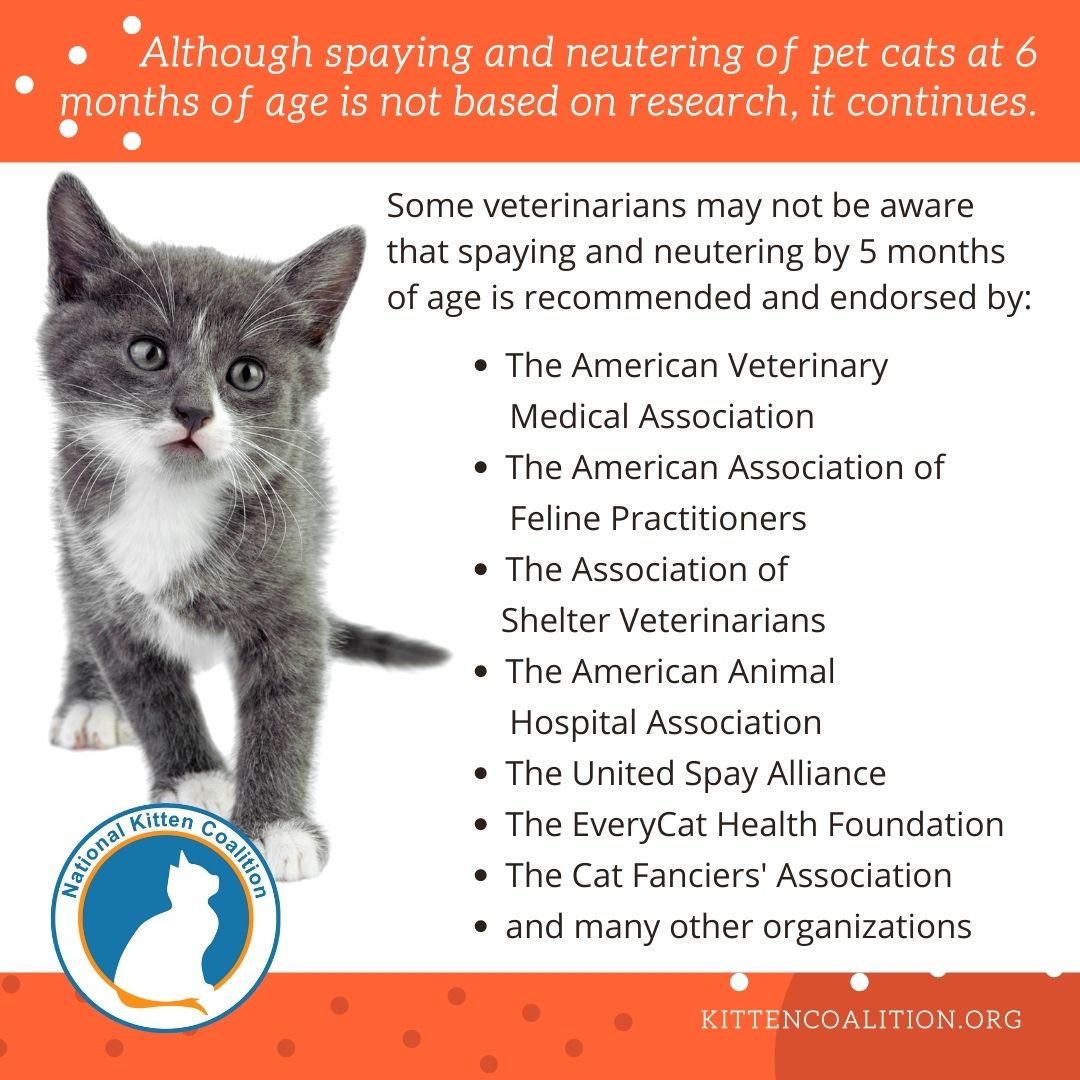
For generations, the standard recommendation for spaying cats was around six months of age, primarily due to concerns about anesthetic risks in younger animals and the belief that kittens needed to reach a certain developmental maturity. However, advancements in veterinary medicine, particularly in anesthetic protocols and surgical techniques, have challenged this conventional wisdom. Today, a growing body of evidence supports earlier intervention, often referred to as Early-Age Spay/Neuter (EASN).
Traditional vs. Early-Age Spay/Neuter (EASN)
Traditional Spaying (around 6 months): This approach aligns with the common practice of waiting until a kitten is nearing sexual maturity but often before their first heat cycle. Proponents historically argued it allowed the kitten to fully develop, potentially reducing risks associated with anesthesia on very young animals. For many years, this was the default recommendation, and numerous successful spays have occurred at this age. The logic was that by waiting until a kitten was larger, the surgery would be less complicated, and recovery smoother. However, this window of time also carries a risk: if a kitten experiences a heat cycle before spaying, the benefits associated with preventing certain diseases begin to diminish, and there’s always the possibility of an unplanned pregnancy.
Early-Age Spay/Neuter (EASN) (8 weeks to 4-5 months): EASN refers to performing the spay procedure on kittens typically between 8 and 16 weeks of age. This practice gained significant traction, especially within animal shelters and rescue organizations, as a critical tool for population control. Studies and practical experience have demonstrated that EASN, when performed by experienced veterinarians using appropriate protocols, is safe and offers numerous advantages. Younger kittens often recover more quickly from anesthesia and surgery, experience less blood loss, and the procedure itself can be less invasive due to smaller fat stores and less developed tissues. The primary goal is to ensure kittens are spayed before they can reach sexual maturity, which can happen surprisingly early in some breeds or individuals.
The shift towards EASN represents a more proactive approach to pet welfare, designed to maximize the health benefits for the cat and prevent unwanted litters from ever occurring. It requires careful pre-operative assessment, precise anesthetic management, and a skilled surgical team, but the outcomes are generally excellent.
Benefits of Early Spaying (Health, Behavioral, Population Control)
The advantages of early spaying extend across multiple crucial areas, offering benefits to the individual cat, the pet owner, and the wider community:
-
Health Benefits:
- Reduced Risk of Mammary Cancer: The most significant health advantage is the dramatic reduction in the risk of mammary (breast) tumors. If a cat is spayed before her first heat cycle, the risk of developing these often malignant cancers is virtually eliminated. With each subsequent heat cycle, this protective effect diminishes.
- Elimination of Pyometra: Spaying completely removes the risk of pyometra, a life-threatening uterine infection that is common in intact older female cats. Pyometra requires emergency surgery and can be fatal if not treated promptly.
- Prevention of Uterine and Ovarian Tumors: The removal of these organs means the cat cannot develop cancers or other diseases related to them.
- Avoidance of Pregnancy and Birthing Complications: Spaying prevents unplanned pregnancies, which can be stressful, costly, and carry their own health risks for the mother cat, including dystocia (difficult labor) and infections.
-
Behavioral Benefits:
- Elimination of Heat Cycle Behaviors: Intact female cats in heat exhibit behaviors such as persistent vocalization (howling/yowling), increased affection, restlessness, and often “marking” territory with urine. These behaviors can be disruptive, messy, and loud. Spaying eliminates heat cycles and the associated behaviors entirely.
- Reduced Roaming: Female cats in heat are highly motivated to find a mate, leading them to roam outdoors, increasing their risk of accidents, fights, and exposure to diseases. Spaying removes this instinct.
- Potentially Milder Temperament: While not a guarantee, spaying can contribute to a more settled and predictable temperament by removing the hormonal fluctuations associated with reproductive cycles.
-
Population Control:
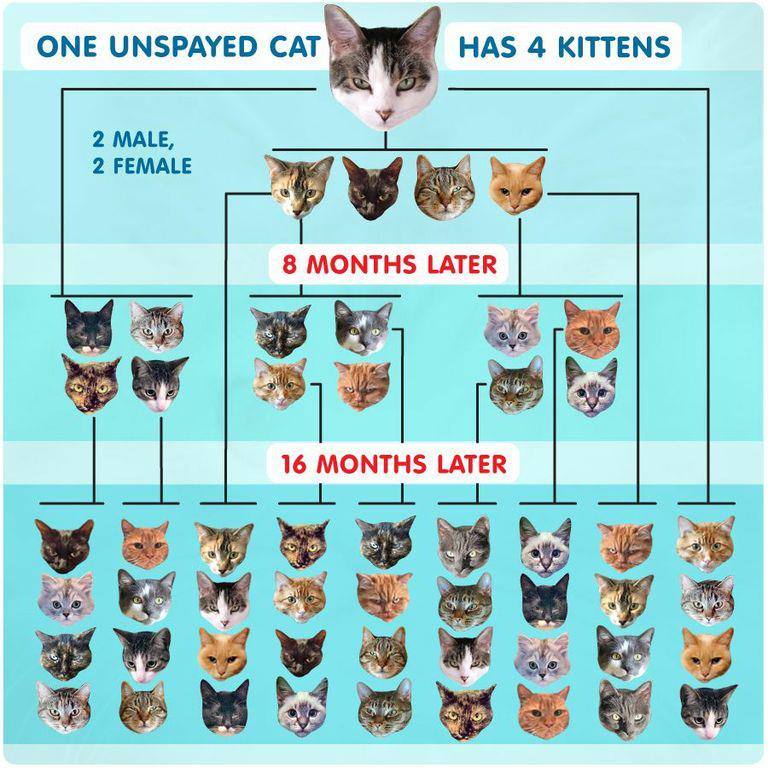
- Combating Pet Overpopulation: This is arguably the most significant societal benefit. Every year, millions of unwanted cats and kittens enter shelters, many of whom are euthanized due to lack of homes. Spaying prevents countless unwanted litters, directly alleviating the burden on animal shelters and rescue organizations. A single unspayed cat can produce multiple litters per year, and her offspring can begin reproducing as early as four months old, leading to exponential population growth. EASN is particularly effective in preventing these “oops” litters from ever happening.
Addressing Common Concerns and Myths
Despite the growing consensus on the benefits of EASN, pet owners may still harbor concerns based on older information or common myths. Addressing these directly is crucial for informed decision-making:
-
Myth: Spaying before 6 months stunts growth or causes urinary problems.
- Reality: Extensive research has shown no significant difference in growth, bone development, or the incidence of urinary tract issues between cats spayed early and those spayed later. Some studies suggest a slight increase in linear bone growth in early-spayed animals, but this is not associated with negative health outcomes. Concerns about urinary problems, particularly urethral obstruction in males, are largely unfounded for both sexes.
-
Myth: Kittens are too small or fragile for surgery.
- Reality: With modern anesthetic protocols, sophisticated monitoring equipment, and experienced veterinary staff, EASN procedures are safe. Younger animals often handle anesthesia and surgery surprisingly well, with quicker recovery times and less post-operative discomfort compared to older animals. Anesthetic drugs are tailored to the kitten’s weight, and careful attention is paid to maintaining body temperature and hydration.
-
Myth: My cat needs to experience one heat cycle first.
- Reality: This is a persistent myth with no scientific basis. In fact, allowing a cat to go through even one heat cycle negates some of the significant health benefits, particularly regarding the prevention of mammary cancer. There are no known health or behavioral advantages to letting a cat experience a heat cycle before spaying.
-
Myth: It changes their personality or makes them lazy.
- Reality: Spaying removes the hormonal drives associated with reproduction, which can lead to a calmer demeanor and reduced desire to roam. It does not fundamentally alter a cat’s personality, intelligence, or playfulness. Any perceived increase in laziness is usually due to a reduced metabolic rate, which can be managed with appropriate diet and exercise to prevent weight gain.
Leveraging Technology for Informed Pet Care and Veterinary Efficiency
In today’s digital age, technology plays an increasingly vital role in every aspect of our lives, and pet care is no exception. For a decision as important as when to spay your kitten, technology offers invaluable resources for pet owners and enhances the efficiency and safety of veterinary practices.
Digital Tools for Pet Owners: From Appointment Booking to Health Tracking
The journey of pet ownership begins long before the first vet visit, often with online research. Pet owners today utilize a wide array of digital tools to manage their pet’s health and wellness:
- Online Research & Information: Websites like those specializing in veterinary health, animal welfare organizations, and even reputable breeder forums offer a wealth of information on topics like spaying age, post-operative care, and common health concerns. However, critical evaluation of sources is paramount to avoid misinformation.
- Veterinary Practice Management Software & Apps: Many modern vet clinics use sophisticated software that allows pet owners to book appointments online, receive automated reminders for vaccinations or check-ups (including spay appointments), and even access their pet’s health records through a secure client portal. This streamlines communication and ensures owners stay on top of their pet’s healthcare schedule.
- Pet Health Trackers and Wearables: While perhaps more common for dogs, emerging wearable tech for cats can monitor activity levels, sleep patterns, and even subtle changes in behavior that might indicate a health issue. While not directly related to the spay procedure itself, these tools contribute to overall preventative care and allow owners to establish a baseline of their kitten’s normal health before and after surgery.
- Telehealth and Virtual Consultations: For initial questions about spaying, general kitten care, or post-operative concerns that don’t require a physical examination, telemedicine platforms allow pet owners to consult with a vet remotely. This can be a convenient way to get expert advice without an in-person visit, though it should never replace critical surgical consultations or emergency care.
Enhancing Veterinary Practice: Tech in Diagnostics, Surgery, and Clinic Management
The veterinary industry itself has embraced technology to improve patient outcomes and operational efficiency:
- Advanced Diagnostic Equipment: Prior to spaying, especially for EASN, comprehensive blood work is often recommended to assess a kitten’s organ function and ability to process anesthesia. Modern diagnostic labs, often integrated with clinic software, provide rapid and accurate results. Digital radiography (X-rays) and ultrasound can be used for pre-surgical assessments if needed.
- Sophisticated Anesthetic Monitoring: During the spay procedure, cutting-edge technology ensures the kitten’s safety. Multi-parameter monitoring devices continuously track heart rate, respiratory rate, blood pressure, oxygen saturation, and body temperature. These devices provide real-time data, allowing the veterinary team to adjust anesthetic levels precisely and intervene immediately if any issues arise.
- Surgical Technology: While the core surgical technique for spaying has remained consistent, advancements in surgical instruments, sterile techniques, and even minimally invasive (laparoscopic) spay options (though less common for kittens) contribute to safer procedures and faster recovery.
- Clinic Management Software: Beyond client interaction, vet clinics rely on comprehensive software for patient record keeping, inventory management, billing, and scheduling. This ensures that all patient data, including surgical history and post-op instructions, are meticulously maintained and easily accessible, contributing to better patient care and clinic productivity. Digital security protocols are also crucial for protecting sensitive pet and owner data.
The Role of AI and Telemedicine in Modern Pet Health
The future of pet care is increasingly intertwined with artificial intelligence and advanced telemedicine:

- AI for Diagnostics and Predictive Analytics: While still evolving, AI tools are beginning to assist veterinarians in interpreting complex diagnostic images (like X-rays or ultrasounds) and even in predicting disease risks based on a pet’s medical history and breed predispositions. This could lead to even more personalized and preventative care plans, including optimized timing for procedures like spaying.
- Enhanced Telemedicine Platforms: As broadband access and video conferencing capabilities improve, telemedicine for pets will become even more sophisticated, offering not just consultations but potentially remote monitoring for post-operative recovery or chronic conditions. This could include AI-powered symptom checkers that guide owners on when to seek professional veterinary attention.
- Educational AI Tools: AI-powered chatbots and virtual assistants can provide pet owners with instant, reliable answers to common questions about pet care, including general information about spaying, helping to demystify the process and empowering owners with knowledge before they even speak to a vet.
The Financial Landscape of Responsible Pet Ownership
Caring for a pet is a significant financial commitment, and understanding these costs upfront is a hallmark of responsible pet ownership. Spaying, while an initial expense, is a crucial investment that can save significant money in the long run.
Understanding the Costs: Spaying, Preventative Care, and Emergency Funds
The cost of spaying a kitten can vary widely depending on geographical location, the veterinary clinic’s pricing structure, the kitten’s age and health status, and whether pre-anesthetic bloodwork or pain medication are included. Generally, a routine spay can range from a few hundred dollars to upwards of $500 or more at a full-service veterinary hospital.
Beyond the spay, responsible pet ownership encompasses:
- Preventative Care: Regular check-ups, vaccinations, parasite control (flea, tick, and heartworm prevention) are ongoing costs that are essential for maintaining a pet’s health.
- Food and Supplies: High-quality nutrition, litter, toys, and other daily necessities represent recurring expenses.
- Emergency Funds: Unforeseen accidents or sudden illnesses can lead to substantial veterinary bills. Having an emergency fund specifically for pet care is a wise financial strategy. These costs can quickly escalate into thousands of dollars, making preventative measures like spaying even more appealing.
Financial Strategies: Pet Insurance, Savings, and Low-Cost Programs
For many pet owners, managing these costs requires careful financial planning:
- Pet Insurance: Pet insurance functions much like human health insurance, covering a portion of veterinary expenses for accidents, illnesses, and sometimes preventative care. Enrolling a kitten early, before any pre-existing conditions develop, is often the most cost-effective approach. While routine spaying may or may not be covered by standard policies, wellness plans offered by some insurers often include it. The peace of mind offered by pet insurance for unexpected high costs can be invaluable.
- Dedicated Savings Accounts: Setting up a separate savings account specifically for pet-related expenses allows owners to gradually build a fund for routine care and emergencies. Regularly contributing a small amount can accumulate quickly.
- Low-Cost Spay/Neuter Programs: Recognizing the financial barrier for some owners, many communities, humane societies, and non-profit organizations offer subsidized or low-cost spay/neuter clinics. These programs are vital for combating pet overpopulation and making essential veterinary care accessible. Pet owners should research local options if cost is a significant concern.
- Payment Plans and Veterinary Financing: Some veterinary clinics offer payment plans directly or partner with third-party financing companies (e.g., CareCredit) to help spread the cost of large veterinary bills over time.
Long-Term Financial Benefits of Early Spaying
While spaying is an upfront cost, it offers significant long-term financial advantages:
- Avoidance of Pregnancy-Related Expenses: An unplanned litter comes with considerable costs: prenatal care, potential birthing complications (emergency C-sections can cost thousands), feeding and vaccinating the kittens, and finding them homes. These expenses far outweigh the cost of a spay.
- Prevention of Costly Health Issues: As mentioned, spaying dramatically reduces the risk of mammary cancer and completely eliminates pyometra. Treating these conditions, especially advanced cancer or emergency pyometra, involves complex diagnostics, surgery, medication, and extended hospital stays, often costing thousands of dollars. Investing in an early spay prevents these potentially ruinous financial burdens.
- Reduced Behavioral Costs: Eliminating heat cycles reduces the likelihood of roaming, which can lead to costly injuries from fights or accidents, or fines if your cat escapes and is picked up by animal control. It also prevents potential damage to furniture or carpets from spraying or marking behaviors.
In essence, spaying is not merely an expense but a strategic financial investment in your kitten’s long-term health and your own financial well-being as a pet owner.
Building a “Brand” of Responsible Pet Ownership and Trust in Veterinary Care
Beyond the immediate health and financial considerations, deciding to spay your kitten also contributes to a broader narrative of responsible pet ownership. In an age where personal brand and corporate identity are paramount, the choices we make as pet parents, and the trust we place in veterinary professionals, reflect deeper values.
Cultivating Your Personal Brand as a Pet Parent
In the age of social media, many pet owners curate a “personal brand” around their pets. Sharing stories, photos, and insights into their pet’s life is common. For responsible pet parents, this extends beyond cute pictures to include advocating for ethical pet care:
- Advocacy for Responsible Practices: Choosing to spay your kitten, and openly discussing your decision and its benefits, sets a positive example for friends, family, and online communities. It demonstrates a commitment to your pet’s health and to addressing pet overpopulation. This contributes to your personal brand as a conscientious and compassionate individual.
- Transparency and Education: Sharing your experience, from the initial research into spaying age to the post-operative care, can educate others. Whether through personal conversations or social media posts, you become an ambassador for informed pet ownership, building trust and credibility among your peers.
- Ethical Consumerism: Your choices in veterinary care, pet food, and accessories also reflect your values. Supporting reputable veterinary clinics, brands that prioritize animal welfare, and rescue organizations aligns with a personal brand committed to ethical treatment of animals.
The Branding of Veterinary Clinics: Trust, Transparency, and Community Engagement
For veterinary clinics, their “brand” is built on trust, expertise, and a commitment to animal welfare. The spaying decision is a prime example of how clinics build and maintain this brand:
- Expertise and Professionalism: Clinics that clearly communicate their recommendations on spaying age, backed by current scientific evidence and transparently explain procedures, risks, and benefits, build a strong brand reputation for professionalism and medical authority.
- Client Education and Communication: A strong veterinary brand prioritizes client education. This includes providing detailed pre-operative instructions, clear post-operative care guidelines, and being readily available to answer questions. Digital communication tools (email, clinic apps, social media) play a key role in this.
- Community Involvement and Reputation: Clinics that actively participate in community events, offer educational workshops, or support local animal shelters and low-cost spay/neuter initiatives enhance their brand image as caring and community-focused institutions. Positive word-of-mouth and online reviews, fueled by excellent patient care and transparent practices, are invaluable for reputation management. A clinic’s commitment to responsible pet population control, exemplified by advocating for spay/neuter, reinforces its ethical stance and gains public trust.
Advocacy and Reputation: Promoting Spay/Neuter Initiatives
Beyond individual clinics, the broader animal welfare community actively “brands” spay/neuter as a cornerstone of responsible pet care.
- Public Awareness Campaigns: Organizations like the ASPCA and local humane societies run extensive marketing and public relations campaigns to promote spay/neuter. These campaigns leverage emotional storytelling and factual information to build a positive reputation around the practice and influence public opinion.
- Corporate Social Responsibility (CSR): Major pet food companies, pet product manufacturers, and even unrelated corporations often engage in CSR initiatives that support spay/neuter programs. By aligning their brand with responsible pet ownership, they enhance their public image and contribute to a cause that resonates with their target market.
- Influencer Marketing (Pet Influencers): “Pet influencers” on social media often share their pets’ health journeys, including spaying. When these trusted figures advocate for the procedure, it acts as a powerful form of marketing, building awareness and normalizing responsible pet care practices among their followers, thereby shaping collective reputation and behavior.
The decision to spay your kitten, therefore, is not just a private matter; it’s a public statement about your values as a pet owner and contributes to a collective effort to promote animal welfare through informed, responsible actions, supported by both veterinary branding and widespread advocacy.
Conclusion
The question “what age can a kitten be spayed?” has evolved from a simple recommendation to a comprehensive discussion encompassing veterinary science, individual pet health, population control, and the leveraging of modern resources. While the traditional six-month mark remains acceptable, the trend towards Early-Age Spay/Neuter (EASN), typically between 8 and 16 weeks, is increasingly supported by veterinary professionals due to its significant health, behavioral, and population control benefits, often coupled with quicker recovery times for younger animals.
Ultimately, the best age for your kitten to be spayed is a decision best made in consultation with your trusted veterinarian. They will consider your kitten’s individual health, breed, and your specific circumstances. However, armed with knowledge about the benefits of early spaying and the myths surrounding it, you can engage in an informed discussion.
Moreover, the modern approach to this crucial decision is enriched by the confluence of technology, financial planning, and responsible brand building. Digital tools facilitate easier access to information, appointment scheduling, and even remote consultations, streamlining the pet care journey. Understanding the financial implications, from the upfront cost to the long-term savings in preventing costly diseases, empowers owners to budget wisely and explore options like pet insurance or low-cost clinics. Finally, choosing to spay contributes to a broader brand of responsible pet ownership, aligning with ethical animal welfare practices and reinforcing the trust in veterinary care and community-wide efforts to combat pet overpopulation.
By making an informed decision about spaying, you are not only ensuring a healthier, happier life for your kitten but also playing an active role in fostering a more responsible and compassionate world for all animals.
aViewFromTheCave is a participant in the Amazon Services LLC Associates Program, an affiliate advertising program designed to provide a means for sites to earn advertising fees by advertising and linking to Amazon.com. Amazon, the Amazon logo, AmazonSupply, and the AmazonSupply logo are trademarks of Amazon.com, Inc. or its affiliates. As an Amazon Associate we earn affiliate commissions from qualifying purchases.