
The “What About Bob?” trailer is more than just a preview of a comedic film; it’s a remarkably effective piece of marketing that showcases a potent blend of character-driven storytelling, comedic timing, and strategic brand positioning. Released in 1991, the film, starring Bill Murray as the titular Bob Wiley, a profoundly disturbed yet charmingly manipulative patient, and Richard Dreyfuss as his increasingly exasperated psychiatrist, Dr. Leo Marvin, presented a unique brand of humor that relied heavily on the unforgettable portrayal of its central character. The trailer, in its brevity and punch, managed to encapsulate the film’s core appeal, hinting at the ensuing chaos and Bob’s disruptive yet somehow endearing presence. Analyzing this trailer through the lens of brand strategy reveals key insights into how to effectively introduce and establish a memorable brand, in this case, the cinematic brand of “What About Bob?” and the indelible character of Bob Wiley himself.
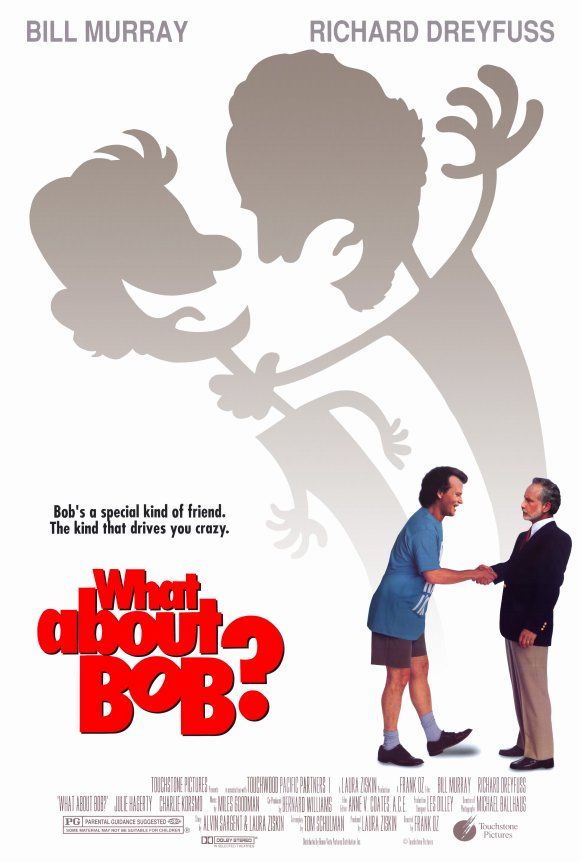
The Art of the Tease: Establishing Bob’s Unconventional Brand Identity
From the very first moments, the trailer signals that this is no ordinary comedy. It eschews the typical setup of witty banter and predictable gags in favor of immediately plunging the audience into the heart of Bob’s peculiar personality. This bold approach is a testament to the power of a strong, well-defined brand identity, even in the nascent stages of its introduction. The trailer’s success lies in its ability to cultivate curiosity and intrigue around Bob, making him the undeniable focal point of the brand.
Defining the Core Persona: The Magnetic Chaos of Bob Wiley
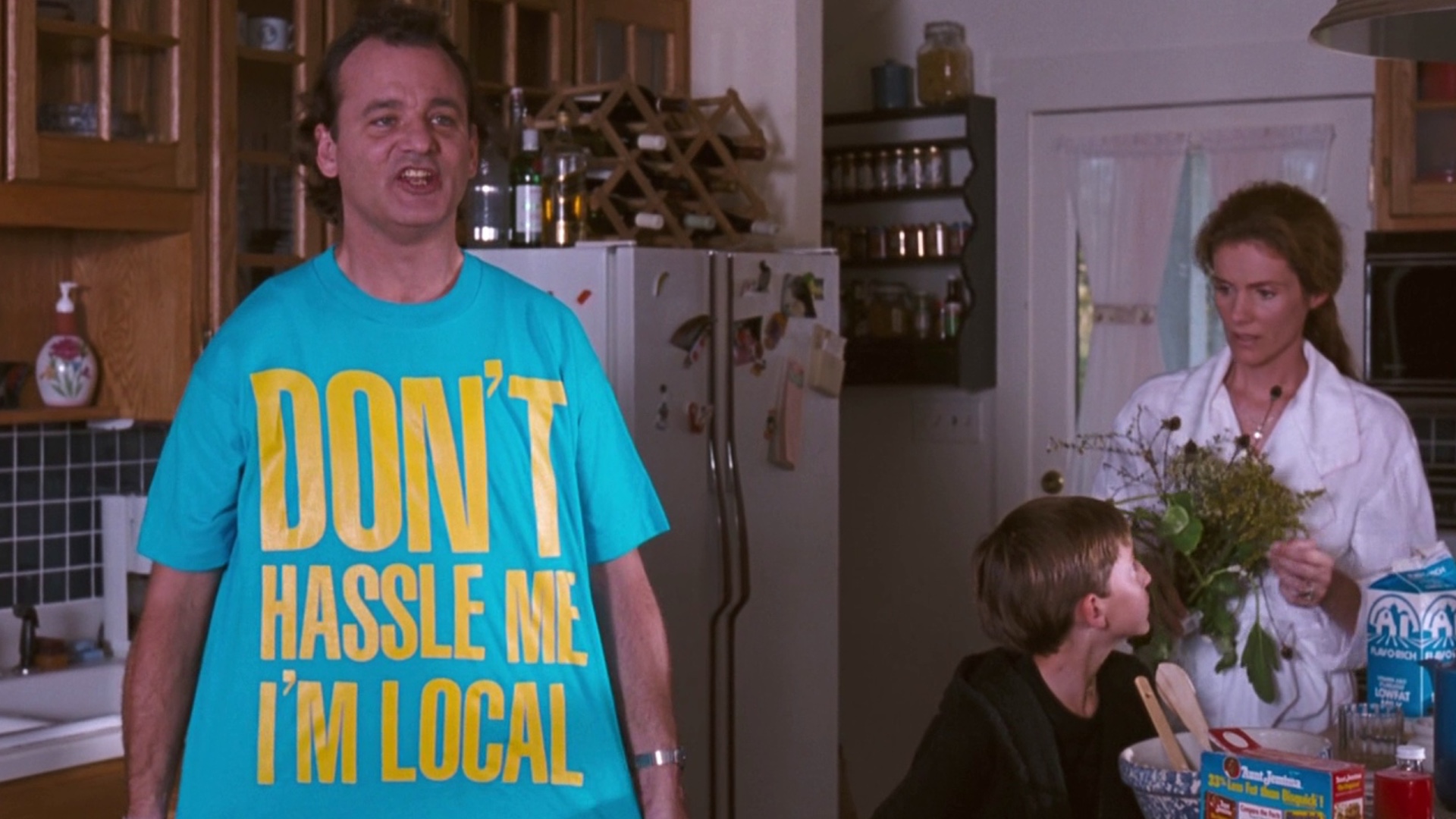
The trailer masterfully introduces Bob not as a villain, but as a force of nature. His eccentricities, his pronouncements of “I’m feeling good!”, and his unwavering belief in his own therapeutic needs, even as they wreak havoc, are presented with a disarming sincerity that is both hilarious and unsettling. This isn’t a character who needs a lengthy exposition; his brand is established through action and immediate, impactful dialogue. The trailer effectively showcases his unique selling proposition: a deeply flawed individual who, through his sheer, unadulterated presence, disrupts the established order.
The Contrasting Brand: Dr. Marvin as the Relatable Anchor
Crucial to Bob’s brand is the juxtaposition with Dr. Leo Marvin. Dreyfuss’s portrayal of the increasingly stressed psychiatrist serves as the audience’s anchor, a relatable figure desperately trying to maintain control amidst the escalating absurdity. The trailer effectively uses Dr. Marvin’s reactions – his raised eyebrows, his sighs of exasperation, his muttered laments – to amplify Bob’s disruptive brand. This contrast highlights Bob’s unusual appeal by showing the profound impact he has on those around him, thereby solidifying his own distinct brand identity. The trailer doesn’t just introduce Bob; it introduces the dynamic between Bob and his environment, a key element in any strong brand narrative.
Leveraging Conflict and Anticipation: The Trailer as a Brand Promise
Effective brand building often hinges on creating anticipation and hinting at future experiences. The “What About Bob?” trailer excels at this by showcasing the inherent conflict between Bob’s perceived needs and the disruption he causes, promising a journey filled with escalating comedic tension. The trailer doesn’t reveal all its cards; instead, it strategically dangles key moments that suggest the delightful chaos to come, thereby making a compelling brand promise to the audience.

The Narrative Arc of Disruption: Setting the Stage for Comedy
The trailer’s structure often follows a subtle narrative arc of disruption. We see Bob arriving, then gradually integrating himself into Dr. Marvin’s life and family. Each scene presented, though brief, demonstrates a new level of Bob’s audaciousness and the escalating frustration of Dr. Marvin. This progression creates a sense of narrative momentum, suggesting that the film will offer a satisfying arc of escalating comedic conflict. This strategic sequencing builds anticipation for the full story, much like a well-designed marketing campaign builds anticipation for a product launch.
The Power of the Tagline and Iconic Moments: Sealing the Brand Deal
The trailer’s inclusion of key catchphrases and memorable visual gags is a powerful branding tactic. Phrases like “I want to explore the world,” delivered with Bob’s unique inflection, become instantly recognizable brand identifiers. These snippets are carefully chosen to be repeatable and memorable, acting as verbal and visual shorthand for the film’s comedic sensibility and Bob’s character. They serve as powerful anchors in the audience’s mind, ensuring that the brand remains salient long after the trailer has ended. This is akin to how successful brands develop taglines that encapsulate their essence.
The Enduring Legacy: How the Trailer Shaped a Lasting Brand Impression
The “What About Bob?” trailer was not just a fleeting advertisement; it was instrumental in forging a lasting brand impression that continues to resonate with audiences decades later. The trailer successfully established a unique comedic voice and an unforgettable character, paving the way for the film’s critical and commercial success. Its impact demonstrates the enduring power of strategic previewing in brand building.
Building a Cult Following Through Character Memorability
The trailer’s focus on Bob’s singular personality is a masterclass in building a cult following. By presenting a character so distinct and memorable, the film transcended a simple plot and became an experience. Bob Wiley became an archetype, a shorthand for a certain type of charmingly chaotic individual. The trailer’s success in making Bob such a compelling figure directly contributed to the film’s ability to cultivate a dedicated fanbase who appreciated its unique comedic brand.
The Trailer as a Brand Archetype: Lessons for Modern Marketing
Looking back, the “What About Bob?” trailer offers valuable lessons for contemporary marketing and brand strategy. Its emphasis on character, its strategic use of conflict, and its ability to promise a unique experience without giving everything away are timeless principles. In an era saturated with content, the ability of a trailer to distill a brand’s essence and create genuine anticipation remains a crucial skill. The “What About Bob?” trailer stands as a testament to the power of a well-crafted preview in establishing a memorable and enduring brand. It proved that by focusing on a compelling central character and hinting at the delightful mayhem they would unleash, a film could not only capture an audience’s attention but also secure a place in their cultural consciousness. This trailer, therefore, is not just about a movie; it’s about the art of building a brand that sticks.
aViewFromTheCave is a participant in the Amazon Services LLC Associates Program, an affiliate advertising program designed to provide a means for sites to earn advertising fees by advertising and linking to Amazon.com. Amazon, the Amazon logo, AmazonSupply, and the AmazonSupply logo are trademarks of Amazon.com, Inc. or its affiliates. As an Amazon Associate we earn affiliate commissions from qualifying purchases.