
The moment you stand at your door, luggage in hand, ready for adventure, the last thing you want is the nagging doubt that you’ve either forgotten something crucial or, worse, overpacked by twenty pounds. Smart packing is an art and a science, blending minimalism with practical preparation. It’s about achieving maximum utility with minimum bulk, freeing you to focus on the experience, whether you are planning a grand tour or simply learning how to plan a DIY trip across the continent.
This comprehensive guide will shift your mindset from merely filling a suitcase to strategically curating a travel capsule. We’ll cover everything from pre-trip planning and essential gear to advanced packing techniques that ensure you’re prepared for any destination, climate, or emergency.
The Mental Shift: Traveling Like a Minimalist
The foundation of smart packing isn’t what you pack, but how you think about packing. Embrace the mentality of a minimalist: less is more, and versatility is king.
Embrace the Capsule Wardrobe
A capsule wardrobe for travel means every clothing item must match at least three other items. This radically reduces the number of items needed while maximizing outfit combinations.
- Neutral Colors: Stick to primary colors (black, navy, gray, white, beige) that can be mixed and matched effortlessly. Use accessories (scarves, jewelry) to inject color.
- The 3-to-1 Rule: For every three tops, pack one bottom (pants/skirt). You can easily re-wear bottoms, while tops often need changing daily.
- Fabric Selection: Choose fabrics that are wrinkle-resistant, quick-drying (essential for sink washing), and lightweight, such as merino wool, technical synthetics, or travel-specific blends.
The “If I Don’t Need It Now, I Won’t Need It Then” Rule
Be ruthless in your selection process. If an item has only one specific use (e.g., a formal gown for a single event, or a specialty kitchen tool), reconsider its necessity unless it’s the core reason for your trip. This disciplined approach to packing is comparable to the precision needed when developing a smart household budget—every item must prove its worth.
Pre-Trip Planning and Research
The success of your packing starts weeks before you zip up your bag. Information is your most valuable asset.
Understanding the Destination
- Climate & Forecast: Check the average temperatures and precipitation patterns for the entire duration of your trip. Don’t just check the first three days.
- Activities: List the core activities you’ll be doing (hiking, swimming, business meetings, fine dining). Only pack items suitable for these specific events.
- Cultural Norms: Research local dress codes, especially when visiting religious or conservative areas. You may need specific coverage (long sleeves, scarves) that influences your clothing choices.
The Power of the List
Never rely on memory. Create a master checklist categorized by function (Clothing, Documents, Tech, Toiletries, Safety). This is a vital step, similar to the planning required when mapping out adventure destinations in Southeast Asia to ensure you cover all necessary visas and health requirements.
Digitalize Everything
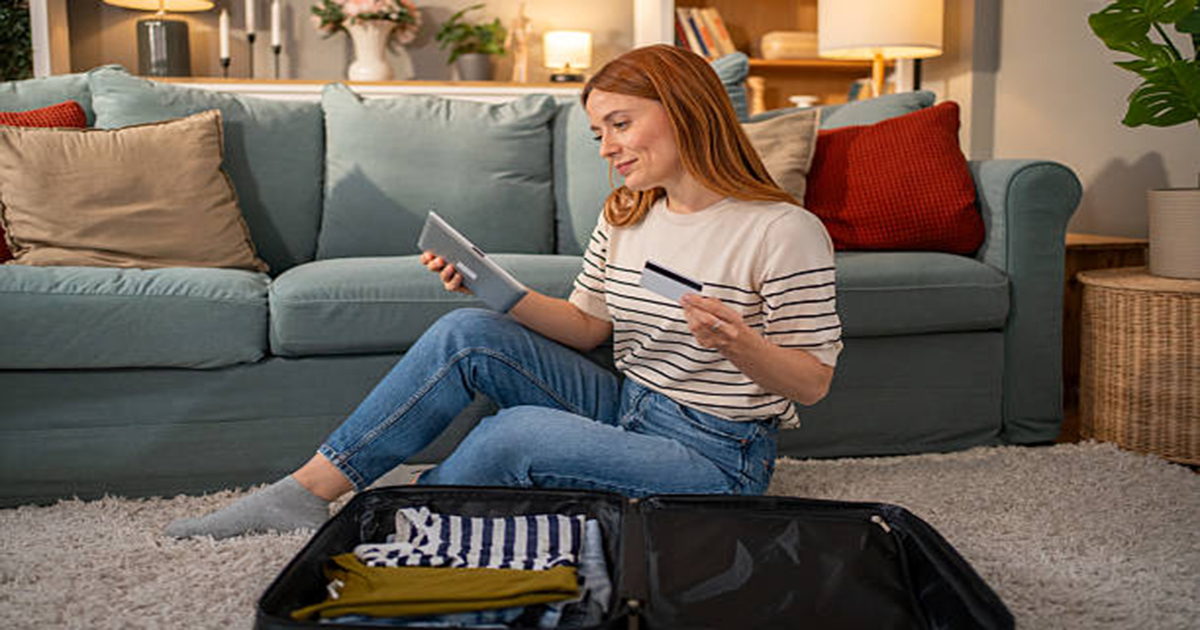
Before leaving, scan or photograph all critical documents: passport, visa, itinerary, credit cards, and insurance information. Save them to a secure cloud drive and email copies to a trusted family member. Carrying physical backups is prudent, but having digital redundancy is crucial for emergencies.
Essential Gear: The Universal Must-Haves
Regardless of whether you are heading to a tropical beach or a snowy mountain, certain items are universally necessary.
Personal Safety and Health
- Basic First-Aid Kit: Band-aids, antiseptic wipes, pain relievers, and any prescription medication (always in its original container).
- Travel-Sized Hand Sanitizer: A non-negotiable item, especially when using public transport or exploring street food.
- Adapter and Portable Charger: Ensure your devices stay powered. A high-capacity power bank is a travel lifeline.
The Carry-On Survival Kit
Always pack a “disaster recovery” kit in your carry-on bag, separate from your checked luggage.
- One Change of Clothes: Including underwear and socks, in case your main luggage is delayed.
- Essential Toiletries: Toothbrush, small deodorant, and contact lens supplies.
- Electronics: Keep all valuable and necessary electronics (laptop, camera, medications, charging cables) in your carry-on bag.
Advanced Packing Techniques
How you place items in your bag is just as important as what you pack. These techniques save space and minimize wrinkles.
The Rolling vs. Folding Debate
- Rolling: Best for casual clothing (jeans, t-shirts, pajamas). Rolling saves space and prevents creases.
- Folding: Best for items prone to deep wrinkles (starched shirts, formal jackets). Use the “bundle wrapping” technique for maximum protection: wrap delicate items around a central, softer core.
Compression Tools
- Packing Cubes: These are game-changers. They organize your clothing by type (tops, bottoms, undergarments) and compress the air out, saving significant space. They also make living out of a suitcase much easier, as you don’t have to fully unpack.
- Compression Bags: Use these with caution. While they compress volume dramatically, they do not reduce weight, making it easy to exceed airline baggage limits.
Utilizing Dead Space
Maximize every inch of your bag:
- Shoes: Stuff socks, small toiletries, and charging cables inside your shoes.
- Belts: Lay belts flat around the perimeter of the suitcase to save space and help maintain the bag’s structure.
Handling Special Items
The Digital Nomad’s Gear
If your work travels with you, invest in durable, lightweight electronics and accessories. Use a dedicated tech organizer to prevent cable chaos. Remember the importance of having digital discipline and minimizing distractions, similar to using the Pomodoro Technique for focus, even when dealing with physical items like cables and adapters.
Toiletries: Go Small or Go Home
- Decanting: Never bring full-sized bottles. Decant liquids into reusable travel-sized containers (3.4 ounces or less for carry-ons).
- Solid Alternatives: Swap liquid soap for bar soap, liquid shampoo for a shampoo bar, and liquid deodorant for solid stick deodorant. This eliminates the risk of leaks and reduces the need for TSA-mandated 3-1-1 bags.
The Final Check: Weigh and Audit
Before you leave, perform a final audit to ensure packing success.
The 10% Rule
Look at your packed bag and commit to removing 10% of the contents. You rarely regret taking less, but you always regret lugging unnecessary weight.
The Scale Check
Check the weight of your luggage against the airline’s limit (usually 50 lbs/23 kg for checked bags and 15–22 lbs/7–10 kg for carry-ons). A small, handheld luggage scale is an excellent investment that prevents costly surprises at the check-in counter.
By adopting this methodical, minimalist approach, you ensure your travel experience is defined by discovery and ease, not by baggage fees and back pain. Pack smart, travel light, and enjoy the world!
aViewFromTheCave is a participant in the Amazon Services LLC Associates Program, an affiliate advertising program designed to provide a means for sites to earn advertising fees by advertising and linking to Amazon.com. Amazon, the Amazon logo, AmazonSupply, and the AmazonSupply logo are trademarks of Amazon.com, Inc. or its affiliates. As an Amazon Associate we earn affiliate commissions from qualifying purchases.