
In the rapidly evolving landscape of global commerce, the ability to manage capital efficiently and securely is a cornerstone of financial literacy. PayPal has transcended its origins as a simple payment button on eBay to become a multi-faceted financial institution that bridges the gap between traditional banking and the digital economy. For the modern consumer, freelancer, or entrepreneur, understanding how to use PayPal is no longer just a technical skill; it is a strategic necessity for managing personal finance and business liquidity.
This guide explores the depths of the PayPal ecosystem from a financial perspective, detailing how to optimize your cash flow, secure your assets, and leverage the platform’s advanced tools to enhance your overall financial health.
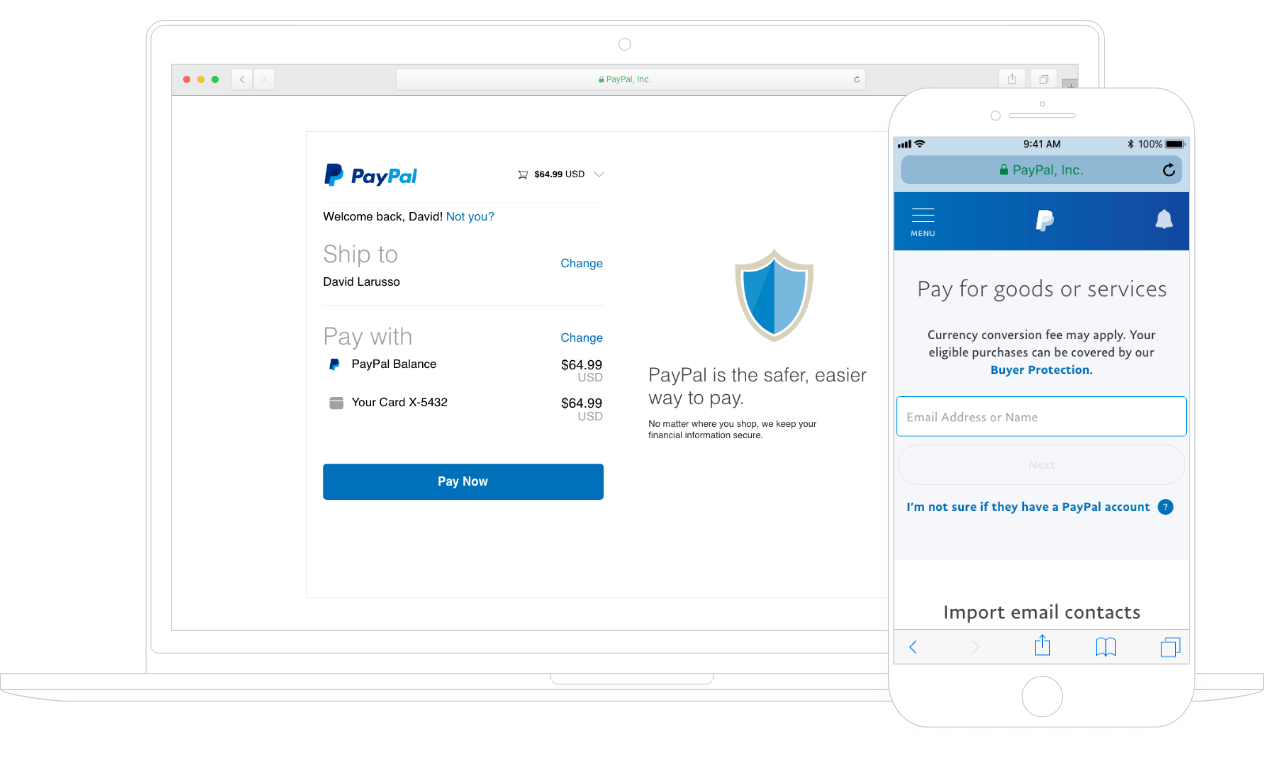
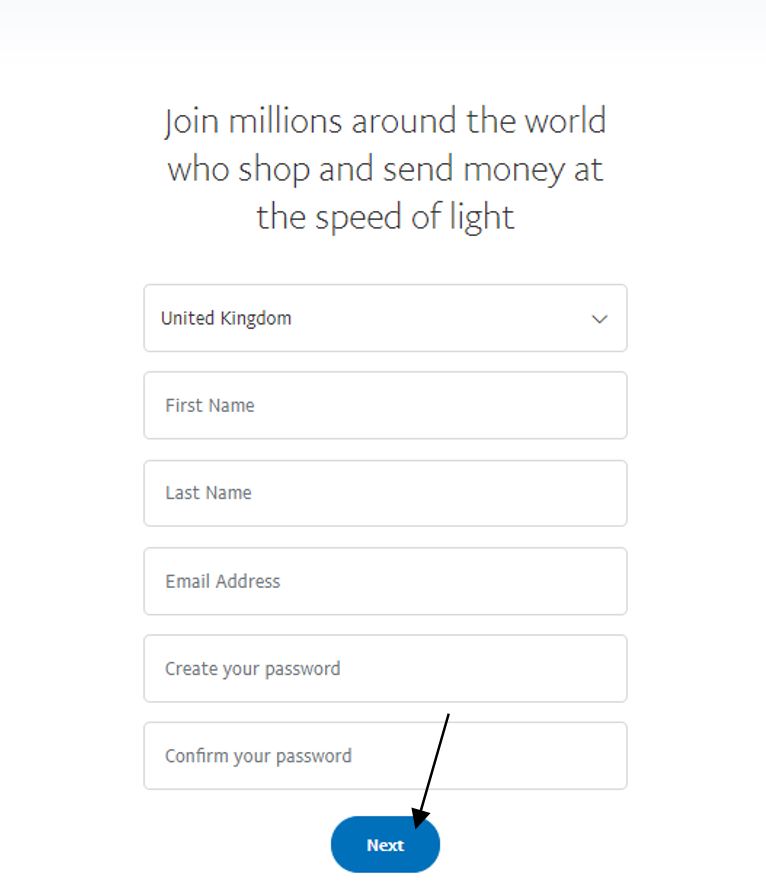
Establishing Your Digital Wallet: The Fundamentals of Account Management
Before one can master the complexities of digital transactions, it is essential to build a solid foundation. In the realm of personal finance, how you categorize and connect your accounts dictates the fluidity of your capital.
Choosing the Right Account: Personal vs. Business
PayPal offers two primary account structures, each tailored to different financial objectives. A Personal Account is designed for the individual consumer. It is optimized for shopping online, sending money to family and friends (often for free using a linked bank account), and managing personal expenses.
Conversely, a Business Account is a financial tool for entities—ranging from solo freelancers to established corporations. This account type allows you to operate under a company name, provides access for up to 200 employees with varying levels of permission, and enables the acceptance of credit card payments from customers who do not even have a PayPal account. From a strategic standpoint, the Business account is essential for tax separation and professional credibility.
Linking Banks and Cards: Managing Liquidity
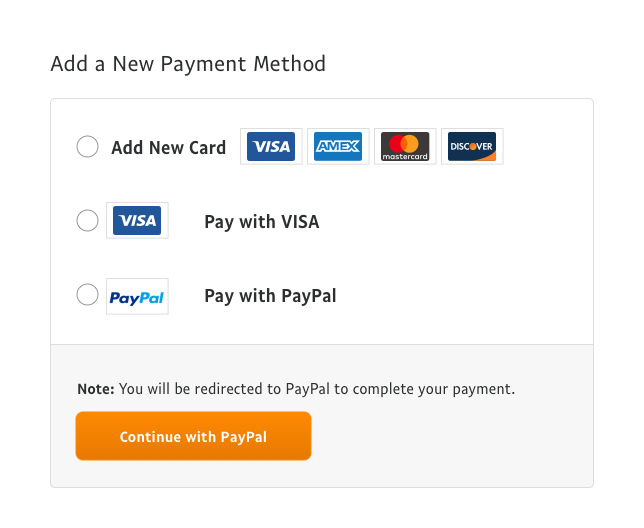
The “Money” aspect of PayPal is most evident in how it interacts with your existing financial institutions. To maximize the utility of the platform, you must link your bank account, debit card, or credit card.
Linking a bank account is the most cost-effective way to move money, as it typically avoids the fees associated with credit card processing for peer-to-peer transfers. Linking a credit card, however, offers an additional layer of financial protection and allows you to accrue reward points or cashback offered by your card issuer, effectively “stacking” benefits. Understanding which source to use for specific transactions is a vital part of tactical spending.
The Verification Process and Financial Limits
Unverified accounts often face stringent limits on how much money can be withdrawn or transferred. To remove these hurdles, users must undergo a verification process, which usually involves confirming a bank account or providing government-issued identification. This is not merely a bureaucratic hurdle; it is a security measure that protects the integrity of the financial network and ensures compliance with Anti-Money Laundering (AML) and Know Your Customer (KYC) regulations.
Optimizing Revenue Streams: Receiving Payments and Scaling Income
For many, PayPal is the primary engine for their side hustle or professional services. Navigating the nuances of receiving funds is critical to maintaining a healthy bottom line.
Professional Invoicing and Branding
One of PayPal’s most powerful financial tools is its native invoicing system. Instead of simply asking for a transfer, professionals can generate itemized invoices that include tax calculations, discounts, and terms of service. This does more than just look professional; it creates a clear paper trail for accounting and tax purposes. Invoices can be scheduled, tracked for “read” status, and automated with reminders, which significantly reduces the “days sales outstanding” (DSO) for small business owners.
Understanding the Fee Structure
In the world of finance, there is no such thing as a free lunch. PayPal’s revenue model relies on transaction fees, primarily charged to the receiver of funds for “Goods and Services.” As of current standards, these fees typically hover around a percentage of the total transaction plus a fixed fee.
Smart financial management requires building these costs into your pricing model. For example, if you are a freelancer, you must decide whether to absorb the 2.9% + $0.30 fee (as an example) or adjust your rates accordingly. Conversely, “Friends and Family” payments are free for the sender and receiver within the same country when using a bank balance, but they offer no buyer or seller protection—a risk-reward calculation every user must make.
PayPal.Me: Streamlining Micro-Income
For social media influencers, streamers, or those with casual side hustles, PayPal.Me provides a simplified URL that can be shared via text or social media. It removes the friction of the payment process, allowing for instantaneous capital transfer. From a behavioral finance perspective, reducing friction increases the likelihood of being paid promptly.
Tactical Spending and Risk Management in the Digital Marketplace
A primary reason users gravitate toward PayPal for their financial transactions is the robust security and dispute resolution framework it provides. Managing risk is just as important as generating income.
Leveraging Buyer and Seller Protection
PayPal acts as an intermediary, a “financial escrow” of sorts. Their Buyer Protection policy covers eligible purchases if they don’t arrive or don’t match the description. This gives consumers the confidence to spend in the digital marketplace without the fear of total loss.
For entrepreneurs, Seller Protection guards against “unauthorized transactions” or “item not received” claims. To benefit from this, one must maintain meticulous records, such as proof of delivery from a shipping carrier. Understanding these policies is crucial for protecting your capital against fraud and bad actors.
Currency Conversion and International Finance
PayPal operates in over 200 markets and supports 25+ currencies. However, international finance comes with the cost of currency conversion. PayPal typically applies a spread over the wholesale exchange rate. For significant international business, it is often more financially sound to maintain a balance in the target currency within your PayPal wallet to avoid constant conversion fees, or to use a linked multi-currency bank account to handle the fluctuations of the FX (Foreign Exchange) market.
Security Protocols: Safeguarding Your Capital
Digital finance is only as strong as its weakest security link. Mastering PayPal involves implementing Two-Factor Authentication (2FA) and utilizing the “Security Key” feature. Furthermore, monitoring your account for unauthorized “Pre-approved payments” or “Subscriptions” is a necessary monthly financial audit. By managing who has “pull” access to your funds, you prevent “subscription creep” and ensure that your outgoing cash flow is intentional.
Leveraging Advanced Credit and Investment Features
In recent years, PayPal has expanded into advanced financial services, moving closer to a full-service neo-bank. These tools allow users to manage debt and invest for the future.
Buy Now, Pay Later (BNPL) and PayPal Credit
PayPal offers “Pay in 4” and “PayPal Credit” as methods to manage cash flow. Pay in 4 allows users to split a purchase into four interest-free payments, which can be an excellent tool for budgeting large expenses without depleting liquid savings.
PayPal Credit functions more like a digital credit card, often offering promotional periods of 0% interest for six months on purchases over a certain amount. From a financial planning perspective, these tools should be used with caution; while they provide liquidity, they require disciplined repayment to avoid high interest rates that can erode your net worth.
Cryptocurrency and Digital Assets
Reflecting the shift in the financial world, PayPal now allows users to buy, hold, and sell major cryptocurrencies like Bitcoin and Ethereum directly within the app. While these assets are volatile, the integration of crypto into a mainstream financial tool like PayPal democratizes access to digital assets. For the savvy investor, this allows for a diversified portfolio where a portion of their “digital wallet” is allocated to high-growth, high-risk assets, all managed under one interface.
PayPal Savings
In collaboration with partner banks, PayPal has introduced high-yield savings accounts. This allows users to earn a competitive Annual Percentage Yield (APY) on their idle balance. Moving money from your transactional wallet to your savings goals within the same app encourages the “pay yourself first” mentality, a fundamental principle of personal wealth building.
Conclusion: The Strategic Value of a Digital Financial Hub
Mastering how to use PayPal is about far more than clicking “Send” or “Request.” It is about understanding the flow of digital capital, the cost of transactions, and the protections available to your wealth. By strategically choosing between personal and business accounts, optimizing for fees, leveraging credit responsibly, and utilizing the platform’s security features, you transform PayPal from a mere app into a sophisticated financial hub.
In an era where the boundary between physical and digital money continues to blur, those who can navigate these platforms with professional insight will be best positioned to grow and protect their financial future. Whether you are scaling a business or simply securing your personal budget, PayPal offers the tools necessary to thrive in the modern economy.
aViewFromTheCave is a participant in the Amazon Services LLC Associates Program, an affiliate advertising program designed to provide a means for sites to earn advertising fees by advertising and linking to Amazon.com. Amazon, the Amazon logo, AmazonSupply, and the AmazonSupply logo are trademarks of Amazon.com, Inc. or its affiliates. As an Amazon Associate we earn affiliate commissions from qualifying purchases.