
In the rapidly evolving landscape of fintech, the traditional physical wallet is becoming increasingly redundant. Leading this charge is Cash App, a versatile financial tool that has transformed from a simple peer-to-peer (P2P) payment service into a robust platform for banking, investing, and wealth management. While the company offers a physical “Cash Card” (a Visa debit card), many users wonder if the platform’s utility is capped without it. The answer is a definitive no.
Using Cash App without a physical card is not only possible but is often a preferred method for those who prioritize digital agility and streamlined financial tracking. This guide explores the strategic ways to leverage Cash App for personal finance management, wealth building, and business transactions without ever needing to pull a piece of plastic from your pocket.

Setting Up Your Digital Wallet: Navigating Cash App Fundamentals
Before diving into advanced financial maneuvers, it is essential to establish a secure and functional foundation. Cash App operates as a digital wallet, and its primary power lies in its ability to bridge the gap between your traditional bank account and the digital economy.
Account Creation and Verification
The journey begins with account registration. To use Cash App effectively without a card, your account must be fully verified. This process involves providing your full name, date of birth, and the last four digits of your Social Security Number (SSN). From a financial management perspective, verification is crucial because it increases your transaction limits and unlocks features like Bitcoin trading and stock investing. A verified account is a more secure vessel for your capital, ensuring that you comply with “Know Your Customer” (KYC) regulations common in the financial industry.
Linking Your Bank Account and External Debit Card
While the goal is to operate without the Cash App physical card, the app still requires a source of liquidity. You can link a traditional bank account or an existing debit card from another institution to your Cash App profile. This connection serves as the “on-ramp” for your funds. By linking a bank account via the Plaid integration, you can move money into your Cash App balance to be used for payments or investments. This setup ensures that your Cash App remains a fluid extension of your existing financial ecosystem.
Security Protocols for Cardless Transactions
Security is the cornerstone of digital finance. When you aren’t using a physical card, your smartphone becomes your primary financial terminal. It is imperative to enable “Security Lock,” which requires a PIN or biometric authentication (Touch ID or Face ID) for every transaction. Additionally, enabling “Notification Alerts” allows you to track every cent leaving or entering your account in real-time. These digital safeguards often provide more protection than a physical card, which can be lost, stolen, or skimmed at a terminal.
Maximizing Peer-to-Peer (P2P) Transactions Without Physical Plastic
The core appeal of Cash App is its frictionless payment system. For many, the $Cashtag has replaced the need for checks or cash. Operating without a card does not hinder your ability to settle debts, split bills, or receive payments for freelance work.
Sending and Receiving Funds via $Cashtag
The $Cashtag is a unique identifier that allows you to send and receive money instantly. To send money without a card, the app simply draws from your linked bank account or your existing Cash App balance. For the modern consumer, this facilitates “just-in-time” payments. Whether you are paying a roommate for rent or reimbursing a friend for dinner, the transaction occurs entirely within the digital realm. This eliminates the need to visit an ATM or carry a physical card that could be compromised.
Requesting Payments for Services or Side Hustles
For those involved in the gig economy or side hustles, Cash App acts as a simplified merchant terminal. You can send “Requests” to clients or customers. This professionalizes your personal finance management by creating a digital paper trail of your income. Without a physical card, you can still monitor these incoming streams and immediately reallocate that capital—perhaps moving a portion to savings or investing it back into your business—all within the app’s interface.
Understanding Transaction Limits and Fees
A key component of financial literacy is understanding the cost of moving money. When using Cash App without a card, standard transfers to your linked bank account are free but can take 1–3 business days. If you require liquidity immediately, Cash App offers an “Instant Transfer” for a small percentage fee. Strategically, it is better to plan your withdrawals to avoid these fees, thereby preserving your capital. Furthermore, by staying verified, your “send” limits are significantly higher, allowing for more substantial financial movements without the need for a physical banking intermediary.
Beyond Payments: Investing and Bitcoin Management
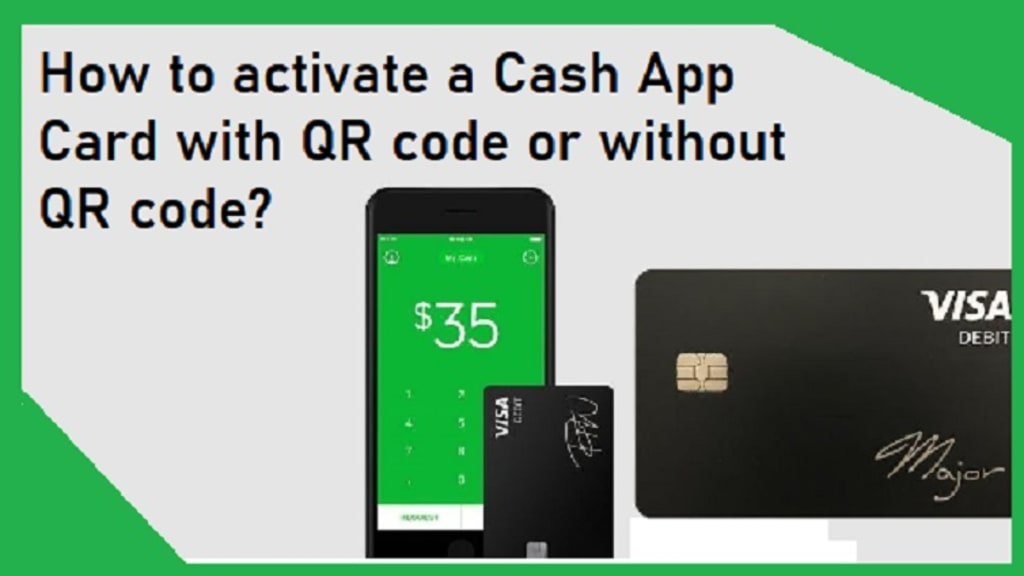
Cash App is more than a payment tool; it is a gateway to wealth accumulation. One of the most significant advantages of the platform is that its investment features are entirely independent of the physical Cash Card.
Building an Investment Portfolio with Fractional Shares
Modern personal finance encourages early and consistent investing. Cash App’s “Investing” feature allows users to buy fractional shares of publicly traded companies with as little as $1. This democratizes the stock market, allowing individuals to build a diversified portfolio without needing thousands of dollars in capital. Because this is handled through the app’s digital balance or linked bank account, a physical card is never required to participate in the growth of the S&P 500 or individual tech giants.
Managing Cryptocurrency: Buying and Selling Bitcoin
For many investors, Cash App serves as their primary entry point into the world of cryptocurrency. The app allows for the seamless purchase, sale, and even withdrawal of Bitcoin. You can set up “Custom Orders” to buy Bitcoin when it hits a certain price point, a strategy known as “limit ordering” that is essential for disciplined investing. Managing these digital assets within the same app you use for daily expenses allows for a holistic view of your net worth.
Utilizing Auto-Invest for Passive Wealth Growth
The most successful financial strategies are often the ones that are automated. Cash App offers an “Auto-Invest” feature, allowing you to schedule recurring purchases of stocks or Bitcoin. For example, you can set the app to invest $20 every Friday. This utilizes “Dollar Cost Averaging” (DCA), reducing the impact of market volatility. This hands-off approach to wealth management is a sophisticated way to use the platform, proving that the app’s value lies in its software capabilities rather than its physical card.
Cash App as a Business Tool: Managing Professional Finances
For entrepreneurs and small business owners, Cash App provides a streamlined alternative to complex business banking suites. Transitioning to a “Business Account” status unlocks features that are highly beneficial for professional financial management.
The Benefits of a Cash App for Business Account
When you switch to a business account, your $Cashtag can be used to accept payments for goods and services. While there is a small transaction fee for business accounts, it is often lower than traditional credit card processing fees. This allows small-scale entrepreneurs to accept digital payments without needing a dedicated POS (Point of Sale) system or a physical business card. The funds settle directly into your balance, where they can be reinvested or transferred.
Tracking Expenses and Income for Tax Purposes
Good financial health requires diligent record-keeping. Cash App provides downloadable transaction histories that are invaluable during tax season. For cardless users, every transaction is digitally logged with timestamps and recipient details. This level of transparency is far superior to tracking cash transactions and is more organized than sifting through various bank statements. By using Cash App as a centralized hub for side-income, you simplify your professional accounting.
Integration with Online Marketplaces
Many cardless users utilize Cash App to facilitate sales on platforms like Facebook Marketplace or Instagram. By providing a $Cashtag or a QR code, you can receive payments securely and instantly. This avoids the risks associated with carrying large amounts of physical cash during local meetups. It also provides a level of buyer and seller protection that is often absent in cash-based transactions, making it a smarter financial choice for the modern entrepreneur.
Bridging the Gap: Alternatives to the Physical Cash Card
If the goal is to use Cash App for retail purchases without the physical card, there are several “Tech-Forward” financial strategies that allow you to do exactly that.
Using Apple Pay and Google Pay Integration
Even if you do not have the physical Cash Card in your possession, Cash App allows you to access your “Virtual Card” details within the app. You can add these virtual card details to Apple Pay or Google Pay. This allows you to use your Cash App balance at physical retail stores by tapping your phone at the checkout terminal. This is the ultimate “cardless” experience—you are using the funds in your Cash App account via a digital wallet, bypassing the need for plastic entirely.
Direct Deposit and Bank Transfers
Cash App can function as a primary or secondary bank account. By utilizing the routing and account numbers provided by the app, you can set up direct deposits for your paycheck. This is a strategic move for those who want to separate their spending money from their main savings account. Once the money is in Cash App, you can transfer it to other linked accounts or use it for any of the digital functions mentioned above. The lack of a physical card does not prevent you from using the app as a destination for your primary income.

Best Practices for Maintaining Financial Health on Cash App
To maximize the benefits of using Cash App without a card, one must practice disciplined financial management. This includes regularly reviewing transaction history, setting strict budgets within the app, and ensuring that the “Instant Transfer” feature is used only in true emergencies. By treating Cash App as a sophisticated financial tool rather than just a social payment app, you can streamline your digital economy, grow your investments, and maintain a high level of security over your liquid assets.
In conclusion, the physical Cash Card is merely an accessory to the Cash App ecosystem. The true power of the platform lies in its cardless capabilities—its ability to move money, invest in assets, and manage business revenue through a single, secure digital interface. By mastering these cardless techniques, you position yourself at the forefront of the digital finance revolution.
aViewFromTheCave is a participant in the Amazon Services LLC Associates Program, an affiliate advertising program designed to provide a means for sites to earn advertising fees by advertising and linking to Amazon.com. Amazon, the Amazon logo, AmazonSupply, and the AmazonSupply logo are trademarks of Amazon.com, Inc. or its affiliates. As an Amazon Associate we earn affiliate commissions from qualifying purchases.