
In an era of economic volatility and constant consumerist pressure, the ability to save money is more than just a frugal habit—it is a critical pillar of financial freedom and personal security. For many, the concept of “saving” feels like an exercise in deprivation, a constant battle against the desire for immediate gratification. However, viewed through a professional financial lens, saving is actually an act of empowerment. It is the process of allocating resources today to purchase options, security, and opportunities tomorrow.
Starting a savings journey does not require a six-figure salary or a background in accounting. It requires a strategic framework, a shift in mindset, and the discipline to implement small, repeatable actions. This guide explores the multi-faceted approach to personal finance, providing a roadmap for anyone looking to take control of their capital and build a lasting financial foundation.
The Foundation: Auditing Your Current Financial Landscape
Before you can determine where you are going, you must have an unflinching understanding of where you currently stand. The most common pitfall in personal finance is “vague accounting”—the general sense of what one earns versus what one spends without concrete data. To start saving effectively, you must conduct a comprehensive financial audit.
Tracking Every Penny
The first step in any savings strategy is data collection. For at least thirty days, every transaction—no matter how small—must be recorded. This process reveals the “leakage” in a budget. Often, it is not the large, fixed expenses like rent or car payments that derail a savings plan, but the cumulative effect of small, impulsive purchases. By utilizing ledger systems or dedicated financial tracking tools, you gain visibility into your spending patterns, which is the prerequisite for behavioral change.
Categorizing Needs vs. Wants
Once the data is collected, the next step is a brutal categorization of expenses. A “need” is a non-negotiable expense required for survival and professional function: housing, basic groceries, utilities, and insurance. A “want” encompasses everything else: dining out, streaming services, upgraded gadgets, and designer apparel. The goal of this audit is not to eliminate all “wants,” but to identify which ones are providing genuine value and which are merely habitual. Understanding this distinction allows you to prioritize your cash flow toward your most important financial goals.
Structural Saving Frameworks: The 50/30/20 Rule and Beyond
Once you have a clear picture of your cash flow, you need a system to manage it. Without a structural framework, saving becomes an afterthought—something you do only if there is money left at the end of the month. Professional financial planning suggests flipping this script through specific allocation models.
The 50/30/20 Allocation
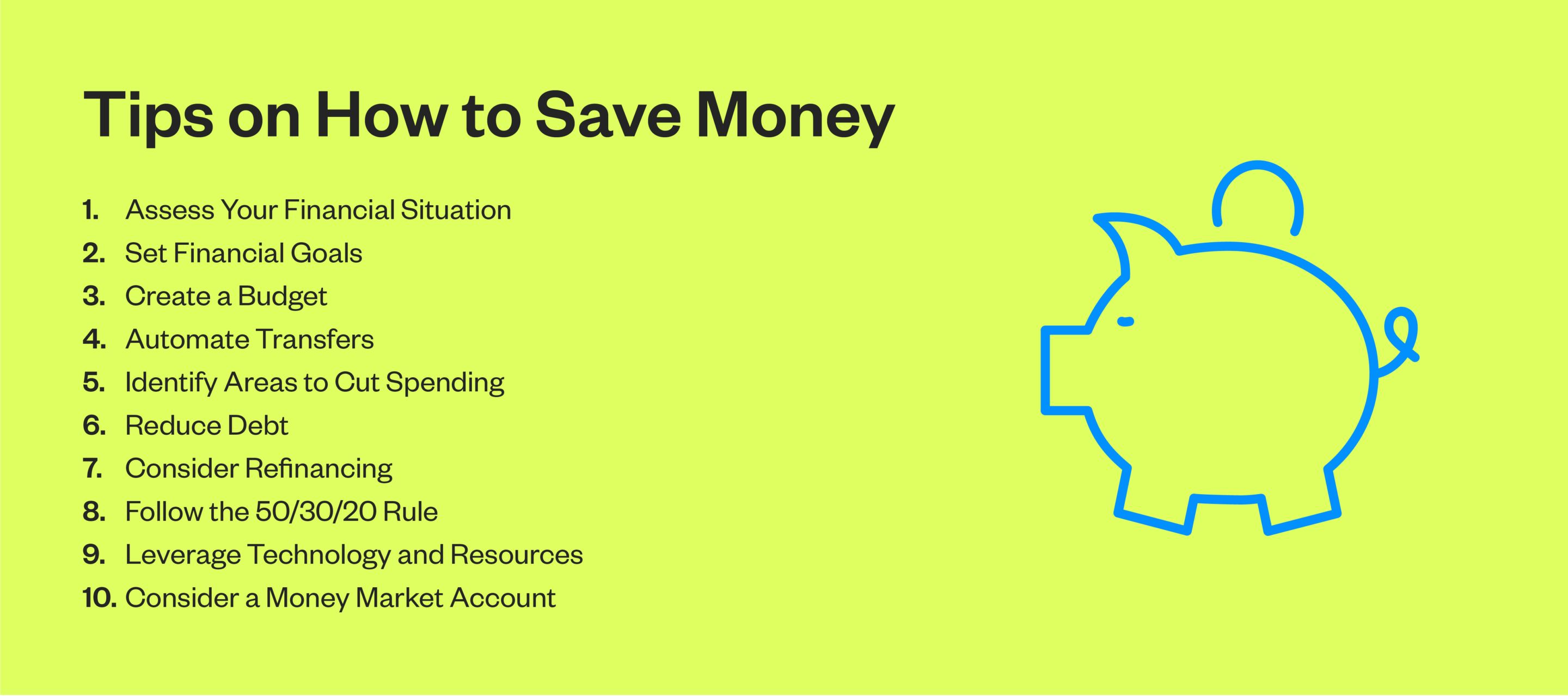
One of the most effective and widely recognized frameworks is the 50/30/20 rule. This model dictates that 50% of your after-tax income should go toward Needs, 30% toward Wants, and 20% toward Savings and debt repayment. The beauty of this system lies in its simplicity. It provides a clear boundary for lifestyle spending while ensuring that one-fifth of your income is consistently working toward your future. If your “Needs” exceed 50%, it is a signal that your fixed costs—likely housing or transportation—are too high for your current income level, necessitating a structural change.
Zero-Based Budgeting
For those who require more rigor, zero-based budgeting is a powerful alternative. In this system, every single dollar of your monthly income is assigned a specific “job” before the month begins. If you earn $4,000 a month, your expenses, savings, and investments must equal exactly $4,000. This eliminates the “drift” that occurs when unallocated cash sits in a checking account, often leading to mindless spending. By giving every dollar a destination, you maximize the efficiency of your capital.
Practical Strategies for Immediate Cash Flow Optimization
With a framework in place, the focus shifts to optimization. Saving money is a two-sided equation: increasing income and decreasing expenses. While increasing income often takes time, optimizing expenses provides immediate results.
Eliminating “Phantom Expenses”
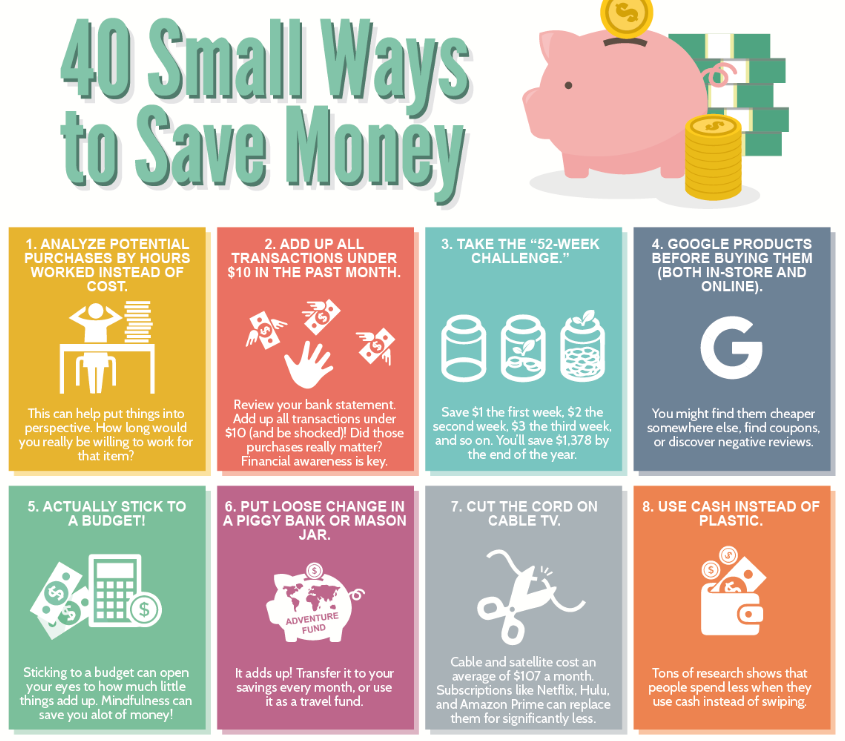
Phantom expenses are recurring costs for services you no longer use or value. This includes forgotten gym memberships, multiple redundant streaming platforms, and premium tiers for software that could be handled by a free version. In the digital economy, “subscription creep” is a major deterrent to wealth accumulation. Conducting a “subscription audit” every quarter can easily reclaim hundreds, if not thousands, of dollars per year.
The Art of Strategic Purchasing
How you buy is just as important as what you buy. Strategic purchasing involves moving away from impulse buying and toward planned procurement. This includes techniques such as the “24-Hour Rule”—waiting a full day before committing to any non-essential purchase over a certain dollar amount. This cooling-off period allows the initial emotional surge of dopamine to subside, enabling a more rational decision. Additionally, focusing on “cost-per-use” rather than the initial sticker price can lead to smarter long-term savings. Buying a high-quality pair of shoes that lasts five years is ultimately more economical than buying five pairs of cheap shoes that fall apart in six months.
Leveraging Technology and Automation for Seamless Saving
One of the greatest hurdles to saving is human psychology. We are biologically wired to value the present over the future—a concept known as hyperbolic discounting. To combat this, the most successful savers remove human willpower from the equation entirely through automation.
Automated Transfers and Payroll Deductions
The most effective way to start saving is to “pay yourself first.” This means that your savings contribution should be deducted from your income before you have the chance to spend it. Most employers allow you to split your direct deposit into multiple accounts. By directing 10-20% of your paycheck into a separate savings account, you adapt your lifestyle to the remaining balance. If your employer doesn’t offer this, you can set up an automatic transfer from your checking to your savings account on the day you receive your salary. When saving is invisible and automatic, it becomes effortless.
Utilizing High-Yield Savings Accounts (HYSA)
Where you store your savings is just as important as how much you save. Traditional checking accounts offer negligible interest rates, meaning the purchasing power of your money is actually being eroded by inflation. High-Yield Savings Accounts (HYSAs), often offered by online-first financial institutions, provide interest rates significantly higher than the national average. By moving your emergency fund or short-term savings into an HYSA, your money begins to earn a meaningful return with zero risk, effectively rewarding you for your discipline.
Building Resilience: The Emergency Fund and Long-Term Vision
The ultimate goal of saving is not merely to accumulate a pile of cash, but to build financial resilience and a bridge to wealth creation. Saving is the defensive play that allows you to eventually go on the offensive with investing.
Determining Your Safety Net
The first major milestone for any saver is the establishment of an emergency fund. This is a dedicated pool of liquid cash intended to cover unexpected life events—medical emergencies, car repairs, or sudden job loss. Professional advice typically recommends maintaining three to six months’ worth of essential living expenses in this fund. This “peace of mind” fund prevents you from having to take on high-interest debt when life becomes unpredictable, which is the most common way people fall into financial traps.
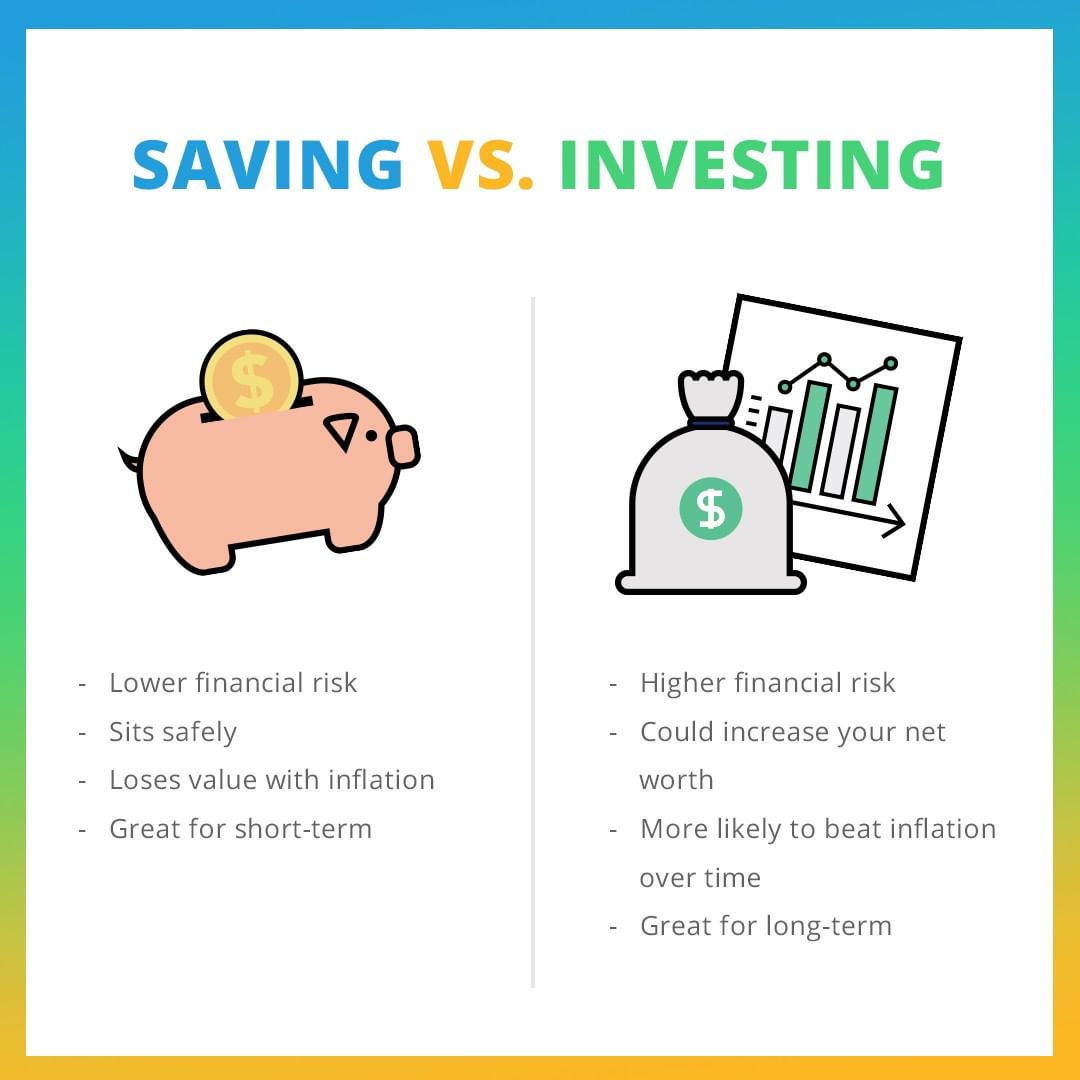
Shifting from Saving to Investing
It is important to understand that while saving creates stability, investing creates wealth. Once you have an established emergency fund and have optimized your monthly cash flow, the “savings” portion of your budget should begin to transition toward productive assets. This includes contributing to retirement accounts, index funds, or other investment vehicles. The transition from a “saver” to an “investor” is the final stage of financial maturity. Saving provides the seed capital; investing provides the harvest. By starting your saving journey today, you are essentially funding the investments of your future self.
In conclusion, learning how to start saving money is an exercise in intentionality. It requires the courage to look at your financial data, the discipline to implement a framework, and the wisdom to automate your progress. By treating your personal finances with the same rigor as a business professional treats a corporate balance sheet, you transform your bank account from a source of stress into a tool for ultimate freedom. The best time to start was yesterday; the second best time is today.
aViewFromTheCave is a participant in the Amazon Services LLC Associates Program, an affiliate advertising program designed to provide a means for sites to earn advertising fees by advertising and linking to Amazon.com. Amazon, the Amazon logo, AmazonSupply, and the AmazonSupply logo are trademarks of Amazon.com, Inc. or its affiliates. As an Amazon Associate we earn affiliate commissions from qualifying purchases.