
Starting a new venture, whether it’s a full-fledged enterprise or an ambitious side hustle, is an exhilarating journey. Yet, amidst the excitement of innovation and market potential, one critical element often determines long-term viability and financial success: a well-crafted business plan. Far from being a mere formality, a business plan serves as your financial roadmap, a detailed document outlining your company’s objectives, strategies, and, most importantly, its fiscal future. For anyone serious about securing investment, managing cash flow effectively, or simply understanding the economic landscape of their endeavor, a robust business plan is not optional – it’s foundational.
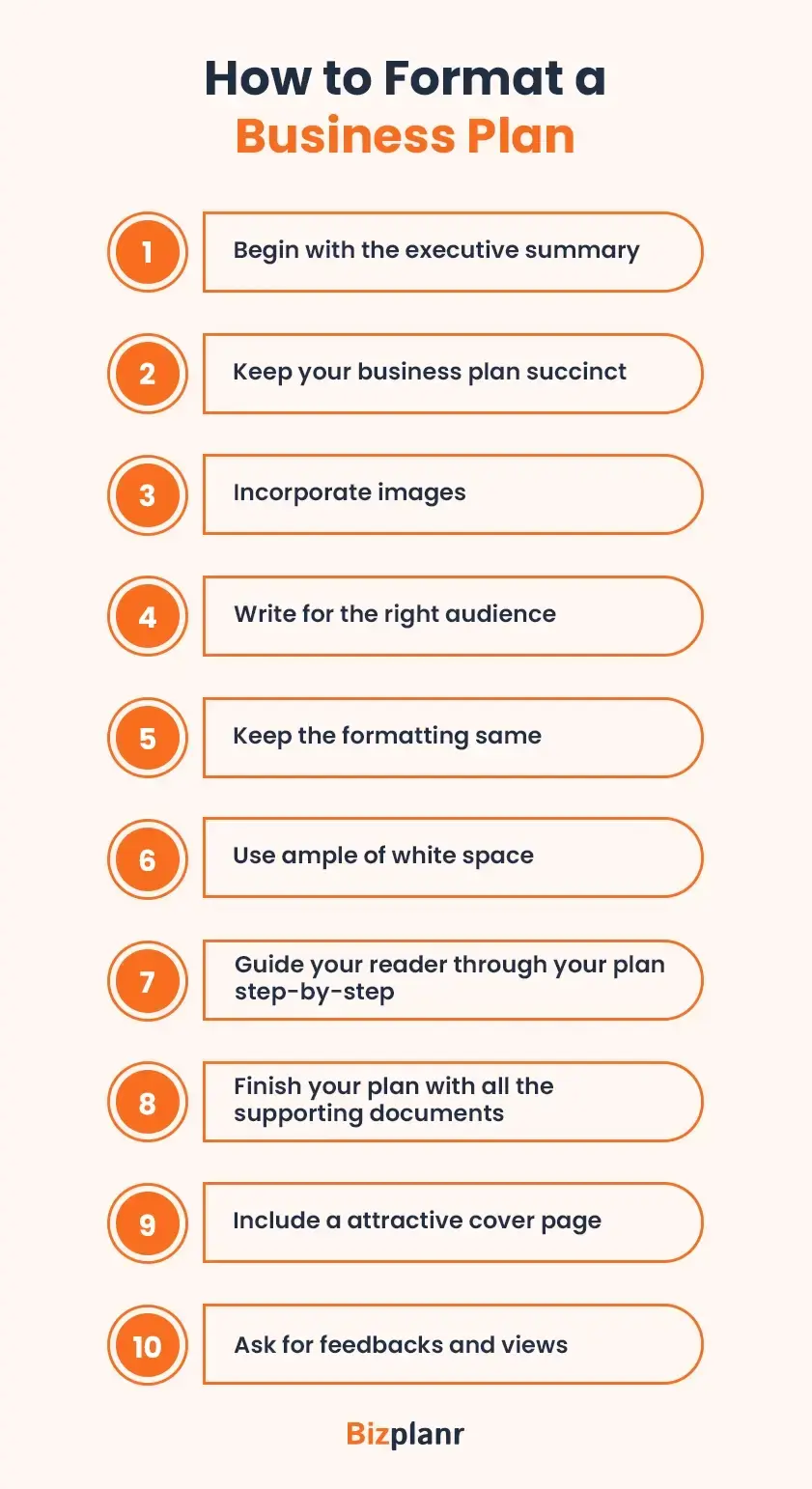
In the realm of personal finance and business finance, the plan is the ultimate tool for converting an idea into a profitable reality. It forces you to scrutinize every financial assumption, from startup costs and operational expenses to revenue projections and profit margins. Without this crucial document, you’re essentially navigating uncharted waters without a compass, risking financial missteps that could jeopardize your entire venture. This guide will walk you through the essential steps to construct a business plan that prioritizes financial clarity and sustainability, ensuring your venture has the strongest possible financial footing from day one.
The Financial Imperative of a Business Plan
At its core, a business plan is a financial document. It’s the cornerstone upon which all funding decisions are made, all budgets are set, and all financial performance is measured. Understanding its financial imperative is the first step towards writing an effective plan.
Securing Capital and Funding
For many entrepreneurs, starting a business requires capital. Whether you’re seeking a bank loan, attracting angel investors, or pitching to venture capitalists, your business plan is the primary document they will scrutinize. Investors and lenders are inherently risk-averse; they want to see a clear, comprehensive financial strategy that demonstrates viability and a return on investment.
A well-articulated funding request, backed by solid financial projections, communicates that you understand the financial landscape of your business. It shows how much money you need, what it will be used for, and, crucially, how and when their investment will generate returns or be repaid. Without this detailed financial narrative, securing the necessary funds to launch or expand your operations becomes an uphill battle, often leading to personal finance strains as entrepreneurs dip into savings or take on personal debt.
Projecting Financial Performance
A significant portion of your business plan will be dedicated to financial projections. This involves forecasting your revenue, expenses, and ultimately, your profitability over a specific period, typically the next three to five years. These projections aren’t just arbitrary numbers; they are educated estimates based on market research, industry benchmarks, and your specific business model.
- Revenue Projections: How much money do you anticipate generating from sales of products or services? This requires understanding your pricing strategy, sales volume, and market demand.
- Expense Projections: What are your anticipated costs? This includes both fixed costs (rent, salaries, insurance) and variable costs (raw materials, production costs, marketing spend).
- Profitability Analysis: By comparing your projected revenue against your projected expenses, you can determine your expected net profit. This critical analysis helps you understand the financial health and sustainability of your venture.
Accurate financial forecasting is vital for making informed strategic decisions, from hiring staff to investing in new equipment. It allows you to anticipate challenges, set realistic goals, and demonstrate the potential for your business to be a sustainable source of online income or a significant revenue generator.
Managing Cash Flow and Budgeting
Beyond profitability, a business plan helps you manage the lifeblood of any business: cash flow. Cash flow refers to the movement of money in and out of your business. A profitable business can still fail if it doesn’t have enough cash on hand to meet its short-term obligations.
Your business plan should include a cash flow statement that projects when money will come in and when it will go out. This allows you to identify potential cash flow gaps and plan for them, perhaps by securing a line of credit or adjusting payment terms with suppliers. It also forms the basis for your operational budget, ensuring that financial resources are allocated efficiently and effectively, preventing wasteful spending and maximizing your capital. This level of financial foresight is crucial for both small businesses and larger enterprises aiming for robust growth and financial resilience.
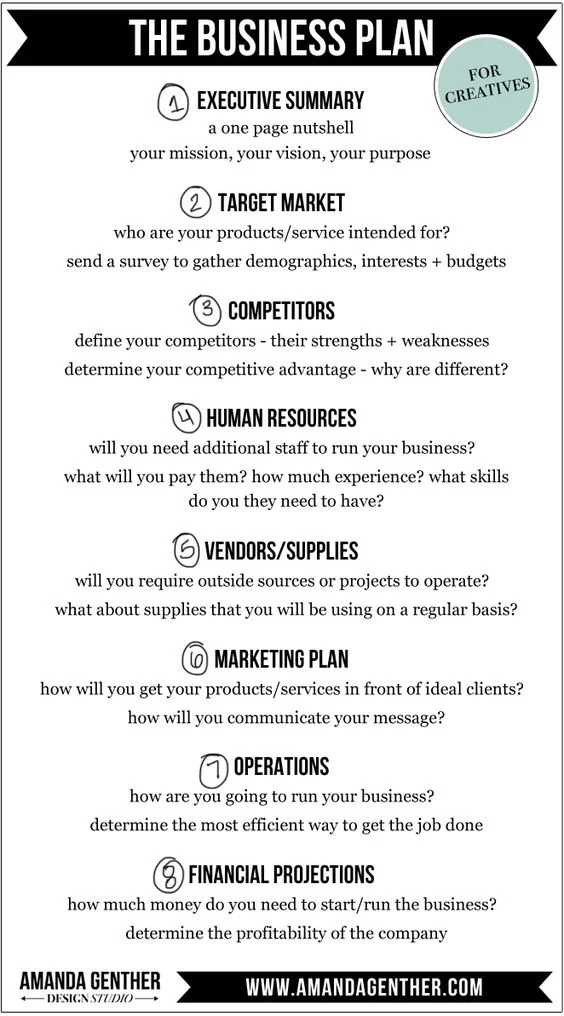
Core Financial Components of Your Plan
While a business plan encompasses many sections, the financial segment is paramount. It’s where your vision translates into tangible numbers. Here are the key financial components you must include.
Executive Summary: A Glimpse into Financial Viability
While the Executive Summary comes first in the document, it’s often written last. It should provide a concise overview of your entire business plan, including your venture’s financial highlights. This means briefly touching upon your funding needs, projected profitability, and key financial milestones. For investors, this section is often their first and sometimes only read, so ensuring it clearly articulates your financial potential is crucial. It’s an immediate signal of whether your business aligns with their investment criteria.
Financial Projections: The Heart of Your Financial Plan
This section is where you present the detailed financial data. It typically includes:
- Startup Costs: A comprehensive list of all initial expenses required to get your business off the ground. This includes legal fees, equipment purchases, initial inventory, website development, marketing launch campaigns, and initial working capital. Failing to accurately estimate startup costs is a common pitfall that can derail a business before it even begins.
- Income Statement (Profit & Loss Statement): This projects your revenues, expenses, and net profit over a specific period (monthly for the first year, then quarterly or annually). It illustrates your business’s ability to generate profit.
- Balance Sheet: This provides a snapshot of your company’s financial health at a specific point in time, detailing assets (what you own), liabilities (what you owe), and owner’s equity (the residual value). It helps assess solvency and overall financial stability.
- Cash Flow Statement: As mentioned, this projects the actual flow of cash into and out of your business, essential for managing liquidity and ensuring you can meet your financial obligations.
- Break-Even Analysis: This calculation determines the point at which your total revenues equal your total expenses, meaning your business is neither making nor losing money. It’s a vital metric for understanding sales targets and pricing strategies.

Funding Request: Clearly Stating Your Needs
If you are seeking external funding, this section details exactly how much money you need, what it will be used for (e.g., equipment, marketing, working capital), and your proposed terms for repayment or equity allocation. Investors want to see a clear justification for every dollar requested and a credible plan for how their funds will be utilized to generate growth and returns. Be specific about the type of funding (debt, equity) and the expected timeline for its deployment. This ties directly into your long-term business finance strategy.
Pricing Strategy and Revenue Model
Your financial projections are only as strong as the assumptions they’re built upon. This section should detail how you plan to generate revenue. What are your products or services? How will they be priced? What is your revenue model (e.g., subscription, one-time sale, freemium)? Justifying your pricing strategy with market research, competitor analysis, and an understanding of perceived value is crucial. This demonstrates a clear understanding of your market position and potential for generating online income or traditional sales.
Practical Steps to Build Your Financial Framework
Crafting the financial section of your business plan requires diligent research and realistic forecasting.
Researching Market & Competitor Pricing
Before you can set your own prices, you need to understand the market. Investigate what competitors charge for similar products or services. Research industry average profit margins and pricing models. This research helps you position your product competitively while ensuring your pricing allows for healthy profit margins. It also helps validate your revenue projections and makes them more credible to potential investors.
Estimating Startup and Operating Costs
Be meticulous when listing all potential costs. For startup costs, think of everything from legal formation fees and permits to initial inventory, marketing materials, and necessary equipment. For operating costs, consider rent, utilities, salaries, insurance, supplies, and marketing. Overestimate rather than underestimate, as unexpected expenses are common. Using financial tools like spreadsheets or specialized business planning software can help organize these figures and create a more accurate picture.
Developing Realistic Sales Forecasts
This is often the most challenging part. Avoid overly optimistic projections. Base your sales forecasts on concrete data: market size, your marketing strategy, conversion rates, and your operational capacity. Start with conservative estimates and build a strong case for how you will achieve them. Consider different scenarios (best-case, worst-case, most likely) to show that you’ve thought through potential fluctuations in demand or market conditions. For businesses aiming for online income, this could involve projecting website traffic, conversion rates, and average order values.
Crafting Your Funding Proposal
If you are seeking investment, your funding proposal needs to be compelling. Clearly state the amount, the proposed use of funds, and the expected return or repayment schedule. Articulate the unique value proposition of your business and why it represents a sound investment. Provide an exit strategy for investors, if applicable. Remember, investors are looking for a significant return on their money, so your plan must clearly illustrate how their investment will grow your business financially.
Leveraging Your Business Plan for Ongoing Financial Health
A business plan isn’t a static document you write once and then forget. It’s a dynamic tool for continuous financial management and strategic adjustment.
Tracking Performance Against Projections
Once your business is operational, regularly compare your actual financial performance against the projections in your business plan. Are revenues meeting expectations? Are expenses higher than anticipated? This ongoing comparison allows you to identify discrepancies early, understand what’s working and what isn’t, and make timely adjustments. It’s a direct way to measure your financial literacy and the effectiveness of your initial strategy.
Adapting to Market Changes and Financial Realities
The business world is constantly evolving. Economic downturns, new competitors, technological advancements, and shifts in consumer behavior can all impact your financial outlook. Your business plan should be a living document that you review and update periodically (at least annually, or more frequently during periods of rapid growth or change). Adapting your financial projections and strategies based on new information ensures your business remains resilient and responsive to market realities. This iterative process is crucial for maintaining financial stability and capitalizing on new opportunities.
The Business Plan as a Dynamic Financial Tool
Think of your business plan as more than just a document for securing funding; it’s an internal compass for financial decision-making. It guides your budgeting, helps you set financial goals, and provides a benchmark for evaluating new opportunities or challenges. For entrepreneurs engaged in online income generation or scaling side hustles, the plan helps formalize their operations, professionalize their financial approach, and paves the way for greater profitability and sustainability.
By rigorously developing and consistently refining your business plan with a strong focus on its financial components, you establish a powerful framework for success. It transforms abstract ideas into concrete financial strategies, turning ambitious dreams into achievable financial realities, paving the way for sustained profitability and robust business growth.
aViewFromTheCave is a participant in the Amazon Services LLC Associates Program, an affiliate advertising program designed to provide a means for sites to earn advertising fees by advertising and linking to Amazon.com. Amazon, the Amazon logo, AmazonSupply, and the AmazonSupply logo are trademarks of Amazon.com, Inc. or its affiliates. As an Amazon Associate we earn affiliate commissions from qualifying purchases.