
In the contemporary landscape of digital personal finance, the ability to move capital fluidly between platforms is more than a convenience—it is a necessity for effective liquidity management. PayPal and Cash App represent two of the most significant pillars in the peer-to-peer (P2P) payment ecosystem, yet they operate as “walled gardens.” Because these two platforms are direct competitors, they do not offer a native, one-click button to “Send to Cash App” from within the PayPal interface.
For the modern financial consumer, understanding the bridge between these two platforms is essential for managing side-hustle income, paying monthly obligations, or consolidating funds for investment. This guide explores the strategic methods for transferring funds from PayPal to Cash App, focusing on minimizing fees and maximizing the speed of your financial transactions.

The Evolution of Digital Wallets and Cross-Platform Transfers
The rise of the “fintech” era has decentralized the way we interact with money. No longer are consumers tethered to traditional brick-and-mortar banking institutions for their daily transactions. However, this decentralization has created a fragmented ecosystem. PayPal, a legacy giant in the digital payment space, and Cash App, a mobile-first disruptor owned by Block, Inc., serve different but overlapping market segments.
Understanding the Role of Interoperability in Modern Finance
Interoperability—the ability of different systems and organizations to work together—is the “holy grail” of personal finance. In an ideal world, sending money from a PayPal balance to a Cash App wallet would be as seamless as sending a text message. Currently, however, the financial industry relies on intermediary layers like the Automated Clearing House (ACH) network or the Visa/Mastercard debit networks to facilitate these movements. For the user, navigating these layers requires a strategic approach to ensure that “transactional friction” (delays and fees) is kept to a minimum.
Why Move Funds Between PayPal and Cash App?
From a personal finance perspective, there are several strategic reasons to move funds between these two platforms. PayPal is often the primary vehicle for international payments, e-commerce sales, and freelance invoicing. Conversely, Cash App has become a preferred tool for domestic P2P transfers, micro-investments in equities, and Bitcoin purchases. A user might receive a large payment from a client via PayPal but prefer to use Cash App’s “Boost” rewards for their daily coffee or grocery shopping. Understanding the transfer process allows the user to treat their total digital balance as a single, fungible pool of capital.
Direct vs. Indirect Transfer Methods: Navigating the Financial Landscape
Since there is no direct integration, users must employ a “bridge” strategy. This involves using a third-party financial instrument that both platforms recognize.
The Linked Bank Account Strategy (The Standard Method)
The most reliable and cost-effective method for transferring funds is using a traditional bank account as a clearinghouse. This method involves two distinct phases:
- The Withdrawal Phase: You initiate a transfer from your PayPal balance to your linked traditional bank account. Depending on your preference, this can be a Standard Transfer (typically free, taking 1–3 business days) or an Instant Transfer (charging a small percentage fee for immediate access).
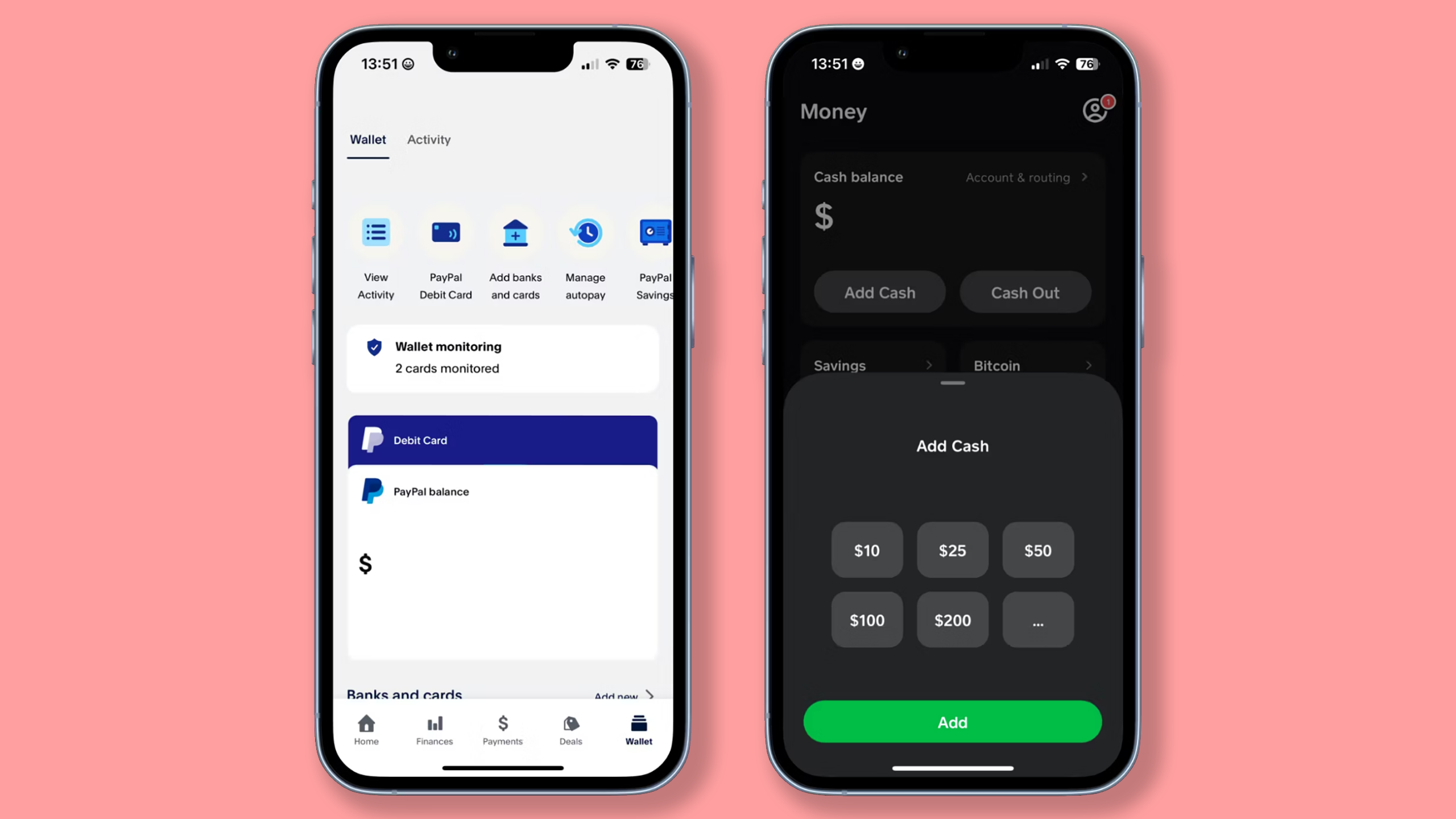
- The Funding Phase: Once the funds have cleared in your bank account, you open Cash App and use the “Add Cash” feature to pull that exact amount from the bank account into your Cash App wallet.
While this method is the slowest, it is the most robust from a regulatory and record-keeping standpoint, providing a clear paper trail for personal accounting and tax purposes.
Utilizing the PayPal Debit Card and Cash App’s “Add Cash” Feature
For those who require more velocity, the PayPal Business Debit Mastercard or the PayPal Cash Card can serve as a faster bridge. If you possess a physical or virtual PayPal debit card, you can sometimes link this card directly as a funding source within Cash App.
To execute this, you navigate to the “Linked Banks” section of Cash App and attempt to add the PayPal card details. If accepted, you can “Pull” funds directly from your PayPal balance into Cash App. However, it is important to note that many P2P platforms have begun to restrict the use of “prepaid” or “competitor” debit cards to prevent fraud and reduce interchange costs. If this method works for your specific account tier, it represents the fastest way to bridge the gap.
Third-Party Platforms: Are They Worth the Risk?
There are various third-party “exchange” services that claim to facilitate direct transfers between PayPal and Cash App for a fee. From a professional financial standpoint, these should generally be avoided. These services often operate in a regulatory gray area, lack FDIC insurance, and charge exorbitant commissions that can reach 10% to 20%. Furthermore, sharing your login credentials or sending money to an unknown intermediary introduces significant security risks that outweigh the benefit of a slightly faster transfer.
Maximizing Value: Managing Fees and Transfer Times
In personal finance, every percentage point matters. When moving money between PayPal and Cash App, the primary goal is to avoid “leaking” value through unnecessary fees.
Standard Transfers vs. Instant Transfers: A Cost-Benefit Analysis
PayPal currently charges a fee (usually 1.75% of the transfer amount, capped at a maximum fee) for Instant Transfers to a bank account or debit card. For a $1,000 transfer, this results in a $17.50 loss. If the transfer is not time-sensitive, the Standard Transfer (ACH) is the superior financial choice, as it costs $0. Over a lifetime of transactions, choosing the free option can save a user hundreds, if not thousands, of dollars in “convenience fees.”
Hidden Costs and How to Avoid Them
Beyond the explicit transfer fees, users must be aware of potential “opportunity costs.” Money sitting in transit between platforms is not earning interest and is not available for investment. To optimize this, users should:
- Batch Transfers: Instead of moving $20 five times, move $100 once to reduce the administrative burden.
- Timing: Initiate ACH transfers on Monday mornings to avoid the “weekend lag,” where funds may sit in limbo for 48–72 hours due to banking holidays and non-business days.
Security Protocols and Financial Safeguards
Whenever you move capital across the digital ether, security must be your primary concern. The transition point between two apps is often where accounts are most vulnerable to phishing or “man-in-the-middle” attacks.
Protecting Your Assets During Multi-Step Transfers
To ensure your funds remain secure during the transfer from PayPal to Cash App, implement the following “Financial Hygiene” steps:
- Two-Factor Authentication (2FA): Ensure 2FA is active on PayPal, Cash App, and your intermediary bank account. Use an authenticator app rather than SMS-based 2FA for higher security.
- Verified Accounts: Ensure both your PayPal and Cash App accounts are fully verified with legal identification. Unverified accounts often have lower transfer limits and are more likely to be flagged for “suspicious activity” during cross-platform movements.
- Confirm Linked Details: Before hitting “Send,” double-check that the routing and account numbers for your bridge bank account are correct. A single typo can lead to a “misdirected payment,” which can take weeks of bureaucratic effort to recover.
Regulatory Compliance and Anti-Money Laundering (AML) Standards
Users should be aware that large or frequent transfers between P2P platforms may trigger automated flags under AML (Anti-Money Laundering) or KYC (Know Your Customer) regulations. If you are moving more than $600, PayPal and Cash App may be required to report these movements to the IRS or relevant tax authorities. Maintaining a clear record of why you are moving the money (e.g., transferring personal savings vs. receiving business income) is vital for tax season.
The Future of Peer-to-Peer (P2P) Finance
The friction we currently experience when sending money from PayPal to Cash App is likely a temporary stage in the evolution of finance. As “Open Banking” regulations expand, we are moving toward an era where financial data and capital can flow more freely between licensed institutions.
The Potential for Native Cross-Platform Integration
In the coming years, the launch of the Federal Reserve’s “FedNow” service and the continued adoption of Real-Time Payments (RTP) networks will likely force these platforms to become more open. We may eventually see a standardized “PayID” system where a single identifier can receive funds regardless of the platform the sender is using.
Until that era of total interoperability arrives, the “Bank Bridge” method remains the gold standard for the fiscally responsible user. By understanding the mechanics of these transfers, you can ensure that your money is always where you need it, when you need it, without sacrificing your hard-earned capital to unnecessary fees or security risks. Optimizing your digital transfers is not just a technical skill; it is a fundamental component of modern financial literacy.
aViewFromTheCave is a participant in the Amazon Services LLC Associates Program, an affiliate advertising program designed to provide a means for sites to earn advertising fees by advertising and linking to Amazon.com. Amazon, the Amazon logo, AmazonSupply, and the AmazonSupply logo are trademarks of Amazon.com, Inc. or its affiliates. As an Amazon Associate we earn affiliate commissions from qualifying purchases.