
Selling your car privately can be a rewarding experience, offering the potential to net a higher sale price compared to trading it in or selling to a dealership. This approach requires a bit more effort, but with the right strategy, you can navigate the process smoothly and achieve a successful sale. This guide focuses on the financial benefits and practical steps involved in maximizing your return when selling your car privately.
Maximizing Your Profit: The Financial Upside of Private Sales
The primary allure of selling a car privately lies in the significant financial advantage it offers. By cutting out the intermediary – the dealership or used car lot – you effectively capture the profit margin that would otherwise go to them. This difference can be substantial, allowing you to invest that extra capital elsewhere, reduce debt, or simply enjoy a larger sum of money from your vehicle’s sale.
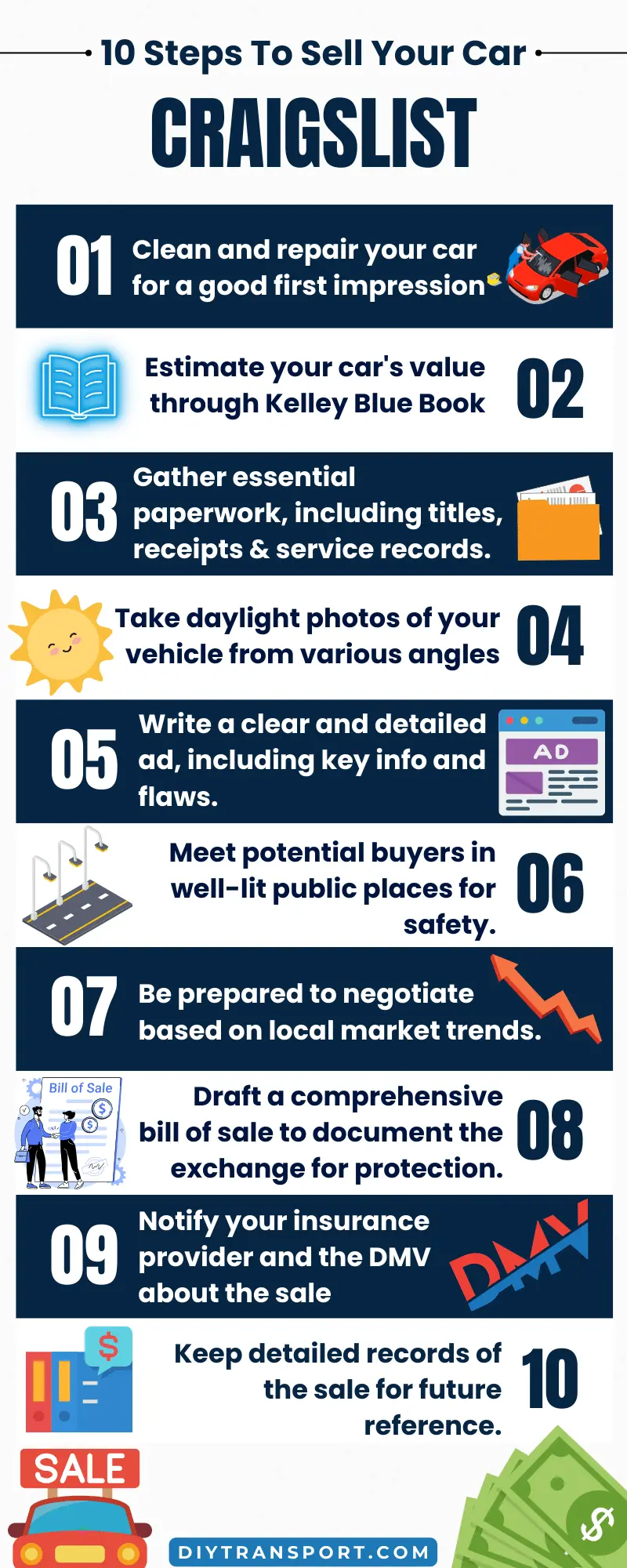
Understanding Your Car’s True Market Value
Before you even think about listing your car, the cornerstone of a successful private sale is accurately determining its market value. This isn’t just a casual guess; it’s a critical step to ensure you price your vehicle competitively while also extracting the maximum possible return.
Researching Comparable Vehicles
The most effective way to gauge your car’s worth is through thorough research. Utilize online resources that track used car sales. Websites like Kelley Blue Book (KBB), Edmunds, and NADA Guides provide valuation tools that consider your car’s make, model, year, mileage, condition, and features. While these provide a good starting point, they often reflect wholesale or retail values, and your private sale price will likely fall somewhere in between.
To refine this, actively search for similar vehicles being sold privately in your local area. Look at online marketplaces such as Craigslist, Facebook Marketplace, eBay Motors, and dedicated car selling platforms. Pay attention to:
- Make and Model: Exact matches are ideal, but similar trims and engine sizes are also relevant.
- Year and Mileage: These are major determinants of value. Cars with lower mileage and newer model years generally command higher prices.
- Condition: Be realistic. A car in pristine condition with a full service history will fetch more than one with visible wear and tear or mechanical issues.
- Features and Options: Upgraded sound systems, sunroofs, leather seats, navigation systems, and advanced safety features can all add value.
- Geographic Location: Prices can vary slightly by region due to demand and local economic factors.
By compiling data from multiple comparable listings, you can establish a realistic price range. Aim to price your car slightly above the lower end of the market to allow for negotiation, but not so high that it deters potential buyers.
Accounting for Condition and Maintenance
Your car’s condition is paramount to its sale price. A well-maintained vehicle, both mechanically and aesthetically, will always sell for more.
- Mechanical Health: Ensure your car is running smoothly. Address any minor mechanical issues, such as squeaky brakes or a check engine light, before listing. A pre-sale inspection by a trusted mechanic can identify potential problems and give buyers peace of mind, or at least provide a clear understanding of any known issues.
- Cosmetic Appeal: A clean car is an inviting car. Thoroughly wash and detail the exterior, paying attention to the paintwork, wheels, and glass. The interior should be spotless – vacuum carpets, clean upholstery, wipe down all surfaces, and ensure a fresh scent. Consider minor cosmetic repairs like touching up paint chips or fixing small dents if the cost is minimal compared to the potential price increase.
- Service Records: Gather all your maintenance and repair records. This documentation provides a transparent history of your car’s upkeep and demonstrates responsible ownership, significantly boosting buyer confidence and justifying your asking price.
By accurately assessing and presenting your car’s condition, you can confidently set a price that reflects its true worth and maximizes your financial gain.
Preparing Your Car for Sale: Presentation is Key to Higher Returns
The physical and administrative preparation of your car directly impacts its perceived value and, consequently, the price you can command. A little effort upfront can translate into a significant financial benefit.
Deep Cleaning and Detailing
This is perhaps the most impactful, yet often underestimated, step in preparing your car for a private sale. A sparkling clean vehicle conveys that it has been well cared for, immediately increasing its appeal to potential buyers and justifying a higher price.
- Exterior Wash and Wax: Go beyond a quick wash. Thoroughly clean the wheels and tires, paying attention to wheel wells. Wash the paintwork with quality car shampoo, and consider a polish and wax to restore shine and protect the paint. Clean all glass surfaces, inside and out, for maximum visibility.
- Interior Deep Clean: This is where buyers often focus. Vacuum every inch of the carpet and upholstery, including under the seats and in the trunk. Clean and condition leather seats, and wipe down all dashboards, door panels, and consoles. Remove all personal belongings and any lingering odors. Consider an air freshener, but opt for a subtle, neutral scent.
- Engine Bay Detailing: A clean engine bay can impress mechanically-minded buyers and suggests overall good maintenance. Carefully clean around the engine components, avoiding excessive water use.
- Headlight Restoration: Cloudy headlights can make a car look older and less safe. Kits are available to restore clarity, significantly improving the vehicle’s appearance.
The goal is to make your car look as close to showroom condition as possible, creating a positive first impression that fosters buyer enthusiasm and supports your asking price.
Addressing Minor Repairs and Enhancements
Before listing, assess your car for any minor issues that could detract from its value or deter potential buyers.
- Small Dents and Scratches: Minor cosmetic flaws can be addressed relatively inexpensively. Consider using touch-up paint for scratches or exploring DIY dent removal kits for minor dings.
- Worn Tires: If your tires are significantly worn, replacing them can be a worthwhile investment. Good tires not only improve safety but also enhance the car’s overall appearance and perceived mechanical soundness.
- Fluid Levels and Checks: Ensure all fluid levels (oil, coolant, brake fluid, windshield washer fluid) are topped up. Check for any obvious leaks.
- Interior Touch-ups: Replace burnt-out bulbs in the interior, fix loose trim pieces, or replace worn floor mats if they are inexpensive to do so.
- Consider a Professional Detail: If you’re not a car enthusiast or lack the time, a professional detailing service can be a wise investment, often paying for itself in terms of increased sale price.

By investing time and a small amount of money in preparing your car, you are essentially investing in its market value, making it more attractive and allowing you to achieve a more profitable private sale.
Marketing Your Car Effectively: Reaching the Right Buyers
Once your car is prepped and priced, the next crucial step is to market it to the right audience. This involves creating compelling listings and strategically placing them where potential buyers are actively searching.
Crafting an Irresistible Online Listing
Your online listing is your car’s digital showroom. It needs to be informative, accurate, and enticing.
- High-Quality Photography: This is arguably the most important element. Take numerous photos in good natural light from various angles. Include shots of the exterior (front, back, sides, wheels), interior (dashboard, seats, trunk), engine bay, and any unique features or aftermarket additions. Highlight any imperfections honestly, but ensure the overall impression is positive.
- Detailed and Honest Description: Start with the essential details: year, make, model, mileage, transmission, engine size, and trim level. Then, elaborate on the car’s features, highlighting anything that makes it stand out. Be transparent about its history, including any accidents or major repairs. Mention recent maintenance and upgrades.
- Compelling Headline: Create a headline that is clear, concise, and informative. Include key selling points like “Low Mileage,” “One Owner,” “Excellent Condition,” or a desirable feature.
- Clear Pricing Strategy: State your price clearly. You can opt for a firm price or an “or best offer” (OBO) to encourage negotiation. Be prepared to justify your price based on your market research.
- Contact Information: Provide clear and professional contact information. Consider using a secondary email address or phone number to protect your privacy.
A well-crafted listing acts as a powerful sales tool, attracting genuine buyers and filtering out those who are not serious.
Strategic Placement and Promotion
Where you list your car significantly impacts the pool of potential buyers you reach.
- Online Marketplaces: Utilize major online platforms like Facebook Marketplace, Craigslist, eBay Motors, and dedicated car selling websites (e.g., AutoTrader.com). Tailor your listings slightly for each platform if necessary to adhere to their specific guidelines.
- Social Media: Share your listing on your personal social media profiles and in local car enthusiast groups on Facebook. Personal recommendations can be very effective.
- Local Advertising: Consider placing a “For Sale” sign in your car’s window when parked in visible locations (respecting local regulations) or posting flyers at community centers, workplaces, or car wash facilities.
- Word of Mouth: Let friends, family, and colleagues know you’re selling your car. Personal referrals are often the most trustworthy.
By employing a multi-pronged marketing approach, you increase the visibility of your car, attracting a wider range of potential buyers and improving your chances of securing a quick and profitable sale.
Navigating the Sale: Offers, Negotiations, and Paperwork
Once you start receiving inquiries, the process shifts from marketing to direct interaction and transaction. This stage requires careful handling to ensure a secure and financially beneficial outcome.
Handling Inquiries and Showings Professionally
The initial interactions with potential buyers set the tone for the entire transaction.
- Respond Promptly and Courteously: Answer all inquiries in a timely and polite manner. If you miss a call, return it as soon as possible. Be prepared to answer common questions about the car’s history, maintenance, and features.
- Screen Potential Buyers: Be wary of unusual requests, overly lowball offers, or attempts to conduct transactions via unusual payment methods. A genuine buyer will be eager to see the car in person.
- Schedule Showings: Arrange showings in a safe and public location during daylight hours. Consider meeting at a police station parking lot or a busy shopping center. Always have a friend or family member accompany you.
- Allow Test Drives: Permit test drives, but always accompany the potential buyer. Ask to see their driver’s license before they get behind the wheel.
Professionalism and caution are key to ensuring a positive and secure experience during the showing and test drive process.
Negotiating Effectively and Securing Payment
Negotiation is an expected part of the private car selling process. Your preparation will equip you to handle it confidently.
- Be Prepared to Negotiate: Know your bottom line price, but be open to reasonable offers. Refer back to your market research to justify your asking price.
- Highlight Your Car’s Strengths: During negotiations, gently remind the buyer of the car’s condition, maintenance history, and desirable features that justify the price.
- Don’t Be Afraid to Say No: If an offer is too low or the buyer is being unreasonable, it’s perfectly acceptable to decline. There will be other interested parties.
- Secure Funds Before Transferring Ownership: This is critical for protecting your financial interests. Avoid accepting personal checks or incomplete payment methods. The safest options include:
- Cash: For lower-value vehicles, cash can be a straightforward and secure payment method. Count the money carefully in a safe location.
- Cashier’s Check or Bank Draft: These are guaranteed funds from a bank. However, be aware of potential scams involving fake cashier’s checks. It’s advisable to accompany the buyer to their bank to verify the check’s authenticity.
- Wire Transfer: This is a secure method, but ensure the funds have fully cleared in your account before handing over the car and title.
- Escrow Services: For higher-value vehicles, consider using a reputable online escrow service. This service holds the buyer’s funds until all conditions of the sale are met and the buyer takes possession of the car.
Always verify the payment method and ensure you have received the full agreed-upon amount before signing over the title and releasing the vehicle.

Completing the Paperwork for a Smooth Transaction
Proper documentation is essential to finalize the sale and protect both parties legally.
- Bill of Sale: This document serves as proof of the transaction and should include:
- Full names and addresses of the buyer and seller.
- Vehicle details (make, model, year, VIN).
- Odometer reading at the time of sale.
- The sale price.
- Date of sale.
- Signatures of both buyer and seller.
- A statement that the car is sold “as-is” (unless otherwise agreed upon) to limit future liability.
- Title Transfer: This is the legal document that transfers ownership of the vehicle. You will need to sign over the title to the buyer. Ensure all fields are filled out accurately and legibly.
- Lien Release (If Applicable): If you have a loan on the car, you must obtain a lien release from your lender once the loan is fully paid off. This document proves the car is free and clear of any financial encumbrances.
- Notify Your Insurance Company: Inform your auto insurance provider that you have sold the vehicle to cancel your policy or transfer it to a new vehicle.
- Notify the Department of Motor Vehicles (DMV): Most states require you to report the sale of a vehicle to the DMV. This often involves submitting a “Notice of Transfer and Release of Liability” form. This is crucial to absolve you of responsibility for the vehicle once it’s no longer in your possession.
By meticulously handling the paperwork, you ensure a legally sound transaction and prevent potential future complications, leaving you free to enjoy the financial rewards of your private car sale.
aViewFromTheCave is a participant in the Amazon Services LLC Associates Program, an affiliate advertising program designed to provide a means for sites to earn advertising fees by advertising and linking to Amazon.com. Amazon, the Amazon logo, AmazonSupply, and the AmazonSupply logo are trademarks of Amazon.com, Inc. or its affiliates. As an Amazon Associate we earn affiliate commissions from qualifying purchases.