
The global financial landscape has undergone a seismic shift over the last decade, transitioning from a purely fiat-based system to one that increasingly recognizes decentralized digital assets. At the forefront of this revolution is Bitcoin. No longer relegated to the fringes of internet subcultures, Bitcoin has matured into a recognized asset class, often referred to by institutional investors as “digital gold.” For the modern individual looking to diversify their wealth, understanding how to purchase Bitcoin is no longer just a technical curiosity; it is a fundamental skill in personal finance and wealth management.
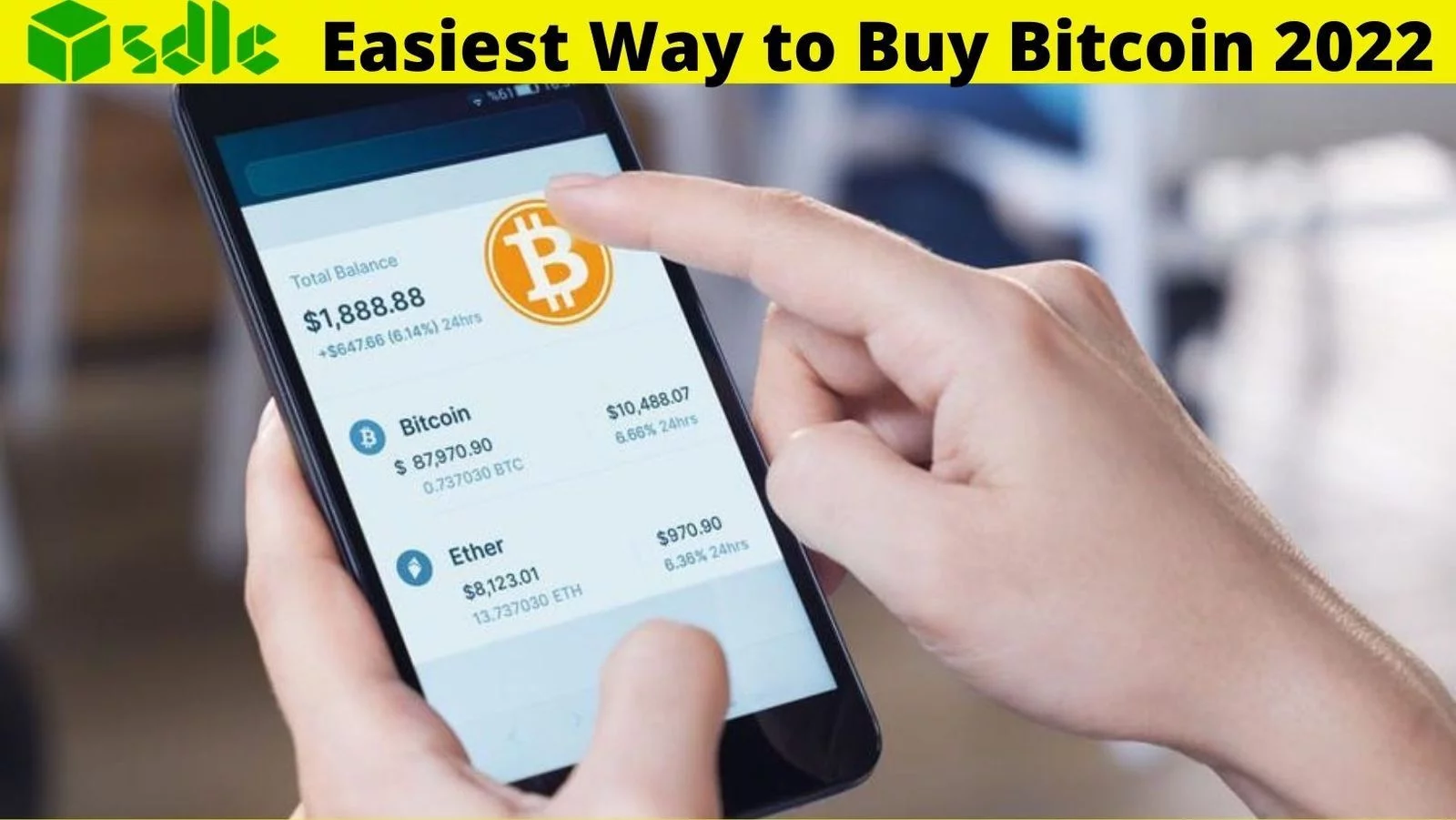
This guide explores the strategic approach to acquiring Bitcoin, focusing on the financial infrastructure, risk management, and long-term positioning required to integrate this asset into your broader monetary strategy.
Evaluating the Role of Bitcoin in Your Personal Finance
Before executing your first transaction, it is essential to categorize Bitcoin within the context of your overall financial health. Unlike traditional savings accounts or government bonds, Bitcoin is characterized by high volatility and significant growth potential. To approach it professionally, one must view it through the lens of asset allocation.
Bitcoin as a Hedge and “Digital Gold”
In the realm of personal finance, Bitcoin is increasingly utilized as a hedge against the debasement of fiat currencies. Because Bitcoin has a hard cap of 21 million coins, it offers a deflationary contrast to traditional currencies that may be subject to inflationary pressures from central bank policies. When purchasing Bitcoin, many investors are not looking for a quick “flip,” but rather a long-term store of value that operates independently of the traditional banking system.
Assessing Your Risk Tolerance and Allocation
A professional approach to purchasing Bitcoin involves strict adherence to a “risk-first” mentality. Financial advisors often suggest that high-volatility assets should occupy a specific, controlled percentage of a total portfolio—ranging from 1% to 10%, depending on the individual’s age, income stability, and financial goals. Before purchasing, you must determine how much capital you can afford to lock away for a multi-year horizon, as the short-term price fluctuations can be emotionally and financially taxing for the unprepared.
Choosing Your Entry Point: Financial Platforms and Gateways
The infrastructure for purchasing Bitcoin has evolved from clunky, experimental websites to sophisticated financial platforms that mirror the user experience of high-end stock brokerages. Selecting the right platform is your first major financial decision.
Centralized Exchanges (CEX)
For the majority of buyers, centralized exchanges like Coinbase, Kraken, or Binance provide the most liquid and user-friendly entry points. These platforms function similarly to a stock exchange, offering deep liquidity, which ensures you can buy or sell large amounts without significantly impacting the price. From a money management perspective, these exchanges offer the benefit of integrated tax reporting tools and high-level security protocols.
FinTech Apps and Traditional Brokerages
If you prefer to keep your digital assets alongside your traditional equities, many FinTech apps (such as Revolut or Cash App) and legacy brokerages (like Fidelity) now offer Bitcoin purchasing options. The advantage here is convenience and a unified financial view. However, investors should be aware of the “custody” aspect—some traditional platforms allow you to buy the price action of Bitcoin but may limit your ability to withdraw the actual asset to a private wallet.
Peer-to-Peer (P2P) Markets and Bitcoin ATMs
For those who prioritize financial privacy or require localized payment methods, P2P markets allow for direct transactions between individuals. While these can offer more flexibility in terms of payment (such as bank transfers or even physical cash), they often come with higher premiums. Similarly, Bitcoin ATMs provide a physical point of purchase but are generally considered the least efficient way to buy due to high transaction fees that can eat into your investment principal.
Executing the Purchase: A Practical Financial Walkthrough
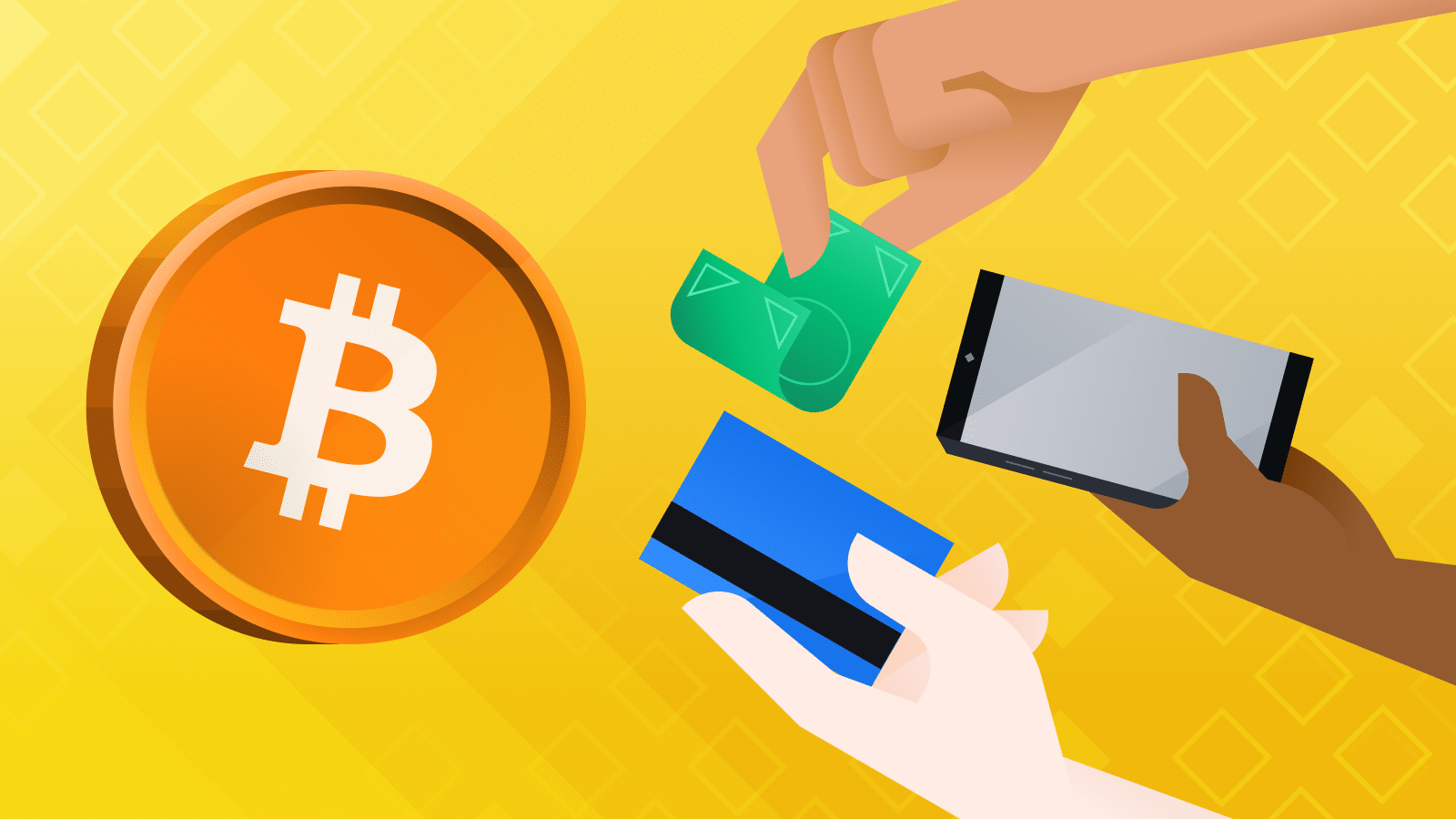
Once you have selected a platform, the process of purchasing involves several critical steps that require attention to detail to ensure the safety of your funds and compliance with financial regulations.
Navigating KYC and AML Requirements
To remain compliant with international “Know Your Customer” (KYC) and “Anti-Money Laundering” (AML) laws, reputable platforms will require you to verify your identity. This typically involves providing a government-issued ID and proof of residence. While this may feel intrusive to those seeking the anonymity originally promised by early crypto-advocates, it is a necessary step for any investor who wishes to move significant amounts of money between the traditional banking system and the digital asset space safely.
Funding and Liquidity Management
After verification, you must fund your account. Most platforms accept ACH transfers, wire transfers, or credit/debit cards. From a financial efficiency standpoint, wire or ACH transfers are preferred because they usually carry lower fees than credit card purchases. It is also wise to consider “slippage”—the difference between the expected price of a trade and the price at which the trade is executed. In periods of high volatility, using “Limit Orders” instead of “Market Orders” can save you a significant percentage of your principal by ensuring you only buy at your desired price point.
Understanding Transaction Fees
Every purchase involves a fee structure. These include trading fees (charged by the exchange), spread (the difference between the buy and sell price), and network fees (cost of moving Bitcoin on the blockchain). A savvy investor calculates these costs beforehand to ensure they aren’t losing 3-5% of their investment value just to the process of acquisition.
Post-Purchase Strategy: Storage and Asset Allocation
The financial journey does not end once the “Buy” button is clicked. How you manage the asset after purchase is what separates a casual buyer from a disciplined investor.
Custodial vs. Non-Custodial Management
In the world of personal finance, “custody” refers to who holds the actual keys to the asset. Leaving your Bitcoin on an exchange (custodial) is convenient for active trading but introduces “platform risk”—the risk that the exchange could be hacked or go bankrupt. For long-term wealth preservation, many investors move their Bitcoin to a “cold wallet” (non-custodial). This is the digital equivalent of taking gold bars out of a bank and putting them in a private home safe. It increases security but places the full responsibility of asset protection on the owner.
The Power of Dollar-Cost Averaging (DCA)
One of the most effective financial strategies for purchasing Bitcoin is Dollar-Cost Averaging. Instead of trying to “time the market” and buy at the absolute bottom—which is statistically improbable—investors commit to buying a fixed dollar amount at regular intervals (e.g., $100 every Tuesday). This strategy smooths out volatility over time, lowering the average cost per coin and removing the emotional stress of price swings. In the context of long-term wealth building, DCA is widely considered the “gold standard” for entering volatile markets.
Tax Efficiency and Regulatory Compliance
Finally, purchasing Bitcoin carries significant responsibilities regarding tax reporting and legal compliance. In the eyes of most tax authorities (such as the IRS in the US or HMRC in the UK), Bitcoin is treated as property, not currency.
Understanding Capital Gains Obligations
Every time you trade Bitcoin for another asset or sell it back into fiat currency, you trigger a taxable event. If the price of Bitcoin has increased since you bought it, you owe capital gains tax. Keeping meticulous records of your “cost basis” (the price at which you originally purchased the asset) is essential. Modern financial tools and dedicated crypto-tax software can sync with your exchange accounts to automate this process, ensuring you don’t face penalties during tax season.
Tracking and Reporting for Long-term Growth
For those using Bitcoin as part of an estate plan or long-term retirement strategy, documentation is key. Ensuring that your digital assets are accounted for in your financial ledger allows for a clearer picture of your net worth and facilitates easier transitions should you choose to use your Bitcoin as collateral for loans or other sophisticated financial products in the future.
By treating the purchase of Bitcoin with the same rigor as a real estate investment or a stock portfolio, you transition from a spectator to a participant in the new digital economy. Success in this niche is not about chasing “hype,” but about disciplined acquisition, secure management, and a deep understanding of how digital scarcity fits into a modern financial life.
aViewFromTheCave is a participant in the Amazon Services LLC Associates Program, an affiliate advertising program designed to provide a means for sites to earn advertising fees by advertising and linking to Amazon.com. Amazon, the Amazon logo, AmazonSupply, and the AmazonSupply logo are trademarks of Amazon.com, Inc. or its affiliates. As an Amazon Associate we earn affiliate commissions from qualifying purchases.