
Starting a small business is often romanticized as an act of creative will or a leap of faith. However, from a strictly financial perspective, opening a business is an exercise in capital allocation, risk management, and cash flow optimization. Whether you are launching a boutique consultancy or a local brick-and-mortar storefront, the difference between a venture that thrives and one that collapses within the first eighteen months usually comes down to the robustness of its financial foundation.
To open a small business successfully, one must move beyond the “good idea” phase and into the “viable entity” phase. This requires a clinical approach to money: how you get it, how you protect it, and how you multiply it. This guide explores the essential financial pillars of launching a small business, focusing on capital acquisition, tax efficiency, and long-term fiscal health.
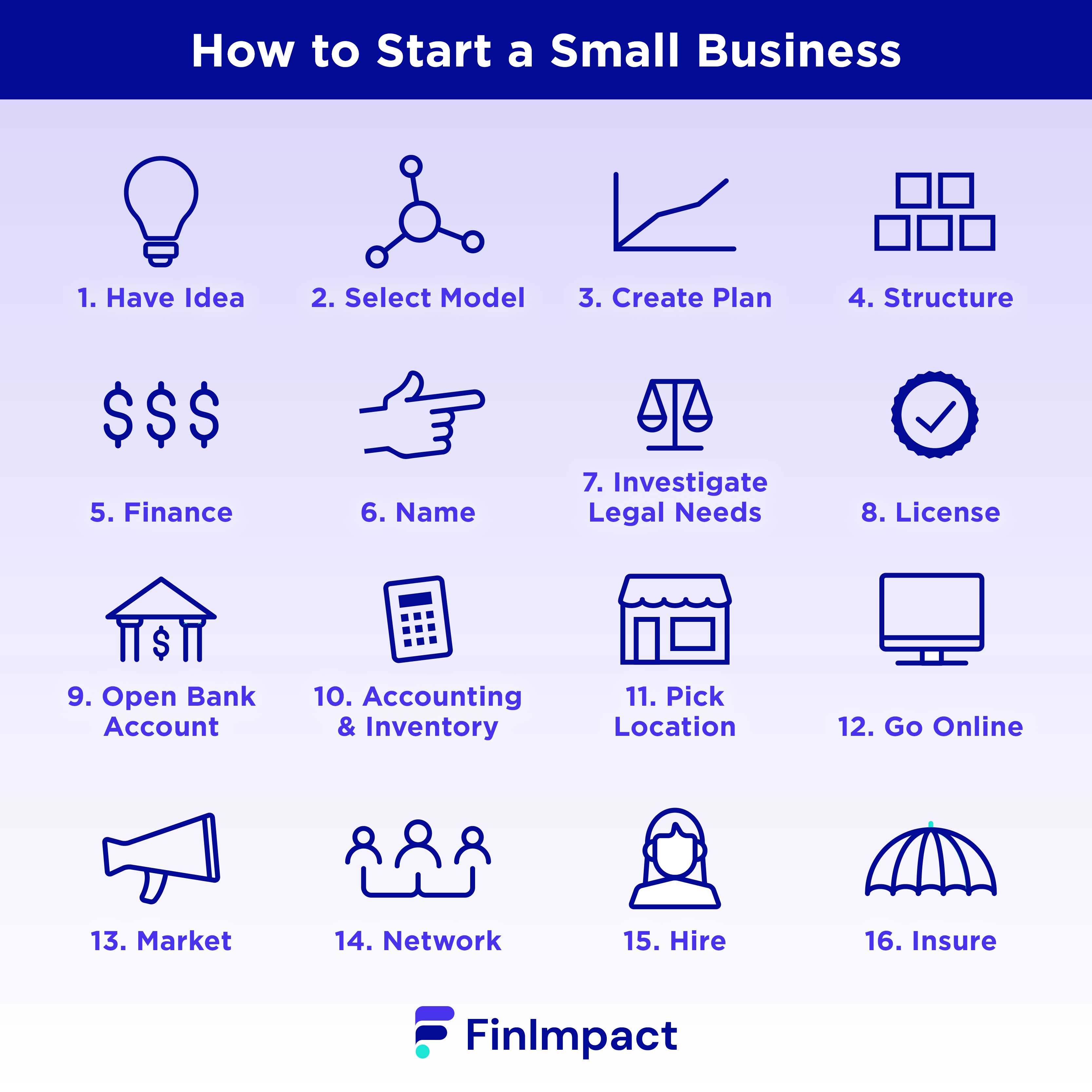
Securing the Foundation: Capital Acquisition and Funding Models
The first hurdle for any entrepreneur is the “capital gap”—the distance between the current state of zero and the point where the business is self-sustaining. How you bridge this gap will dictate the level of control you retain and the pressure you face during the early stages of operation.
Bootstrapping vs. External Investment
Bootstrapping, or self-funding, is the practice of starting a business using personal savings and initial revenue to fuel growth. Financially, this is the lowest-risk method regarding debt, as you are not beholden to interest rates or monthly repayments. However, it carries a high personal opportunity cost.
On the other hand, seeking external investment—such as angel investors or venture capital—provides a massive injection of liquidity. The trade-off is equity. In the “Money” niche, we view equity as the most expensive form of capital. While you gain immediate cash, you surrender a percentage of all future profits. For most small businesses, a middle-ground approach is often the most sustainable.
Understanding Debt Financing and Small Business Loans
Debt financing allows you to maintain full ownership while leveraging other people’s money. Small Business Administration (SBA) loans or traditional commercial bank loans are common routes. When evaluating these, the “Effective Interest Rate” is your most important metric. You must ensure that your projected Return on Assets (ROA) exceeds the cost of the debt. If your loan carries a 7% interest rate, but your business operations only yield a 5% margin, you are effectively paying for the privilege of working.
Crowdfunding and Alternative Capital
In the modern financial landscape, crowdfunding platforms have emerged as a viable “pre-sales” model. This is financially ingenious because it provides working capital without debt or equity loss. You are essentially using your customers’ future purchases to fund your current production. Additionally, micro-loans and FinTech lending platforms offer quicker, albeit often more expensive, paths to liquidity for those who may not qualify for traditional institutional banking.
Building the Infrastructure: Budgeting and Cash Flow Management
Once capital is secured, the focus shifts to management. A business can be profitable on paper but still go bankrupt because it ran out of cash. This is the paradox of “Cash Flow vs. Profitability.” To open a small business, you must build a financial infrastructure that tracks every cent from day one.
Calculating Pre-Launch Burn Rate and Startup Costs
Startup costs fall into two categories: Capital Expenditures (CapEx) and Operating Expenses (OpEx). CapEx includes one-time purchases like machinery, lease deposits, or initial inventory. OpEx covers the recurring costs like rent, utilities, and software subscriptions.
Your “Burn Rate” is the amount of money you spend each month before you reach a break-even point. When opening a business, your “Runway”—the number of months you can survive without a single dollar of revenue—should ideally be six to twelve months. Underestimating startup costs by 20–30% is a common mistake; a prudent financial plan always includes a “contingency” line item.
The Importance of a Working Capital Reserve
Working capital is the lifeblood of daily operations. It is defined as your current assets minus your current liabilities. For a new small business, maintaining a healthy working capital ratio (ideally between 1.5 and 2.0) ensures you can take advantage of bulk-purchase discounts from suppliers or handle unexpected repairs without halting production. Without this reserve, a single delayed payment from a client could trigger a domino effect of unpaid bills.
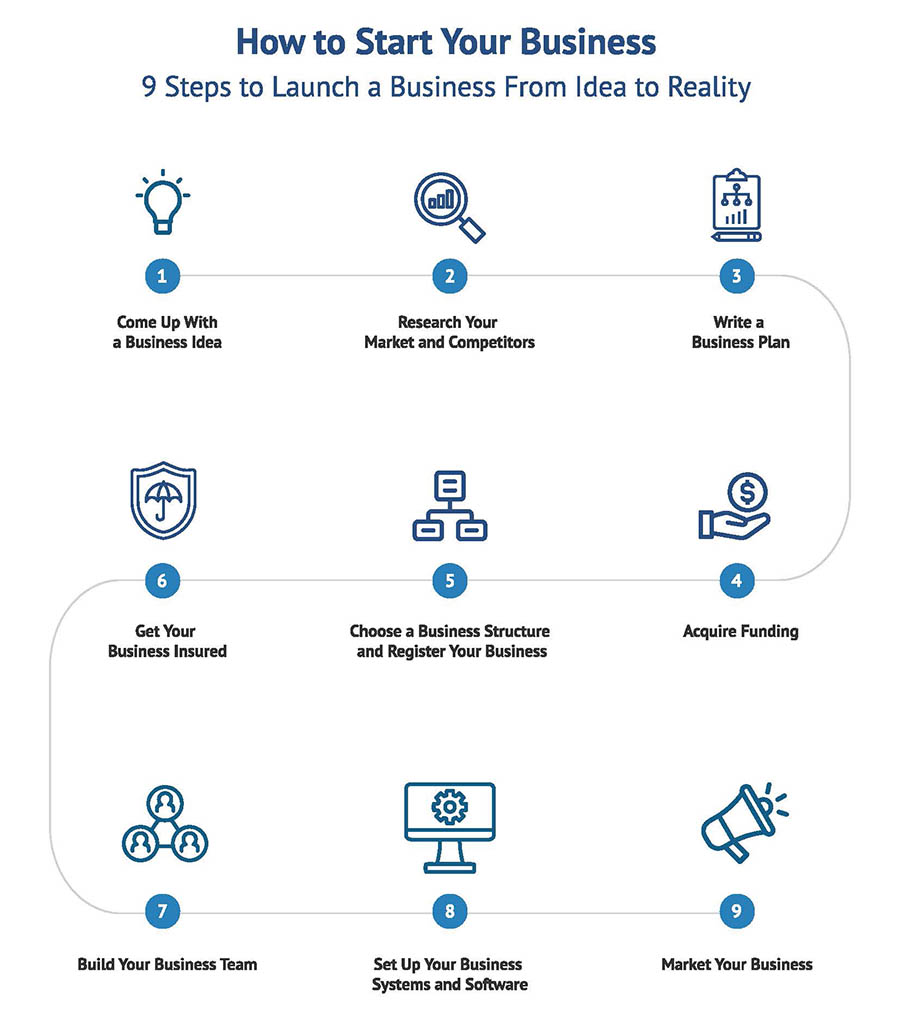
Selecting Business Banking and Accounting Software
Separating personal and business finances is not just a suggestion; it is a financial imperative. Opening a dedicated business checking account and a high-yield business savings account is the first step in establishing a “corporate veil.”
Furthermore, the implementation of cloud-based accounting software (like QuickBooks, Xero, or FreshBooks) allows for real-time financial monitoring. These tools enable you to generate Profit and Loss (P&L) statements, Balance Sheets, and Cash Flow Statements at the touch of a button. In the world of business finance, what isn’t measured cannot be managed.
Tax Strategy and Legal Financial Obligations
Many entrepreneurs treat taxes as an afterthought, only to be blindsided by a massive liability in their second year. A sophisticated financial approach to opening a business involves proactive tax planning.
Choosing the Right Business Structure for Tax Efficiency
The legal structure you choose—be it a Sole Proprietorship, LLC, S-Corp, or C-Corp—has profound implications for your “Taxable Income.”
- Sole Proprietorships/LLCs: Often function as “pass-through” entities where business income is taxed at the individual’s personal rate.
- S-Corporations: Allow owners to split income between a “reasonable salary” (subject to payroll taxes) and “distributions” (not subject to self-employment taxes), potentially saving thousands of dollars annually.
- C-Corporations: Subject to double taxation but offer lower corporate tax rates and are often preferred by businesses intending to reinvest all profits for rapid scaling.
Navigating Payroll, Sales Tax, and Deductions
If your business has employees, payroll tax compliance is non-negotiable. The penalties for mismanaging payroll taxes are among the most severe. Similarly, if you sell physical goods, you must navigate the complexities of “Sales Tax Nexus”—the requirement to collect and remit sales tax in jurisdictions where you have a business presence.
On the positive side, understanding deductible business expenses is a key way to reduce your tax burden. From home office deductions to Section 179 depreciation on equipment, every dollar deducted is a dollar of profit retained.
Long-term Financial Compliance and Auditing
Establishing a relationship with a Certified Public Accountant (CPA) early on is an investment, not a cost. A CPA helps ensure that your books are “audit-ready.” As your small business grows, your financial complexity increases. Having a professional oversee your filings ensures that you remain in good standing with the IRS and local revenue departments, preventing costly legal battles that could drain your capital.
Scaling for Growth: Reinvestment and Revenue Diversification
The final stage of opening a small business is preparing it for growth. Once the doors are open and the revenue is steady, the “Money” focus shifts from survival to optimization.
Establishing Key Performance Indicators (KPIs) for Profitability
To scale, you must identify which levers actually drive profit. Common financial KPIs include:
- Gross Profit Margin: How much is left after the Direct Cost of Goods Sold (COGS).
- Customer Acquisition Cost (CAC): How much you spend to get one new customer.
- Lifetime Value (LTV): The total revenue you expect from a single customer over time.
A healthy business maintains an LTV to CAC ratio of at least 3:1. If it costs you $10 to get a customer who only spends $5, your business model is fundamentally flawed regardless of how “busy” you are.
Strategies for Reinvesting Profits back into the Business
When a business becomes profitable, owners face a choice: take the money out as personal income or reinvest it. The “Retained Earnings” strategy involves keeping profits within the company to fund expansion, upgrade technology, or hire talent. This is the most tax-efficient way to grow, as reinvested profits are often deductible expenses, reducing the overall tax bill while increasing the asset value of the company.
Managing Side Revenue Streams and Asset Protection
A resilient small business often has multiple revenue streams. This might include a service-based business adding a digital product line, or a retail store offering subscription boxes. Diversification protects the business from market volatility in any one sector.
Simultaneously, as the business grows, “Asset Protection” becomes vital. This involves using insurance products (Professional Liability, General Liability, etc.) and potentially shifting business assets into holding companies to shield the core operation from litigation or total financial loss.
By focusing on these financial pillars—capital, cash flow, tax strategy, and scalable metrics—you transform the act of “opening a business” from a gamble into a calculated financial maneuver. In the end, the most successful small businesses aren’t just those with the best products; they are the ones with the most disciplined financial engines.
aViewFromTheCave is a participant in the Amazon Services LLC Associates Program, an affiliate advertising program designed to provide a means for sites to earn advertising fees by advertising and linking to Amazon.com. Amazon, the Amazon logo, AmazonSupply, and the AmazonSupply logo are trademarks of Amazon.com, Inc. or its affiliates. As an Amazon Associate we earn affiliate commissions from qualifying purchases.