
Managing money is often perceived as a daunting task involving complex spreadsheets and restrictive sacrifices. However, at its core, effective money management is less about deprivation and more about intentionality. It is the process of aligning your financial resources with your life goals, ensuring that every dollar spent or saved serves a specific purpose. In an era of rising inflation, volatile markets, and an overwhelming array of financial products, mastering the art of personal finance is no longer optional—it is a fundamental survival skill.
This guide provides a roadmap for navigating the complexities of personal finance, from the foundational habits of budgeting to the advanced strategies of wealth accumulation and income diversification.
The Foundation of Financial Wellness: Budgeting and Tracking
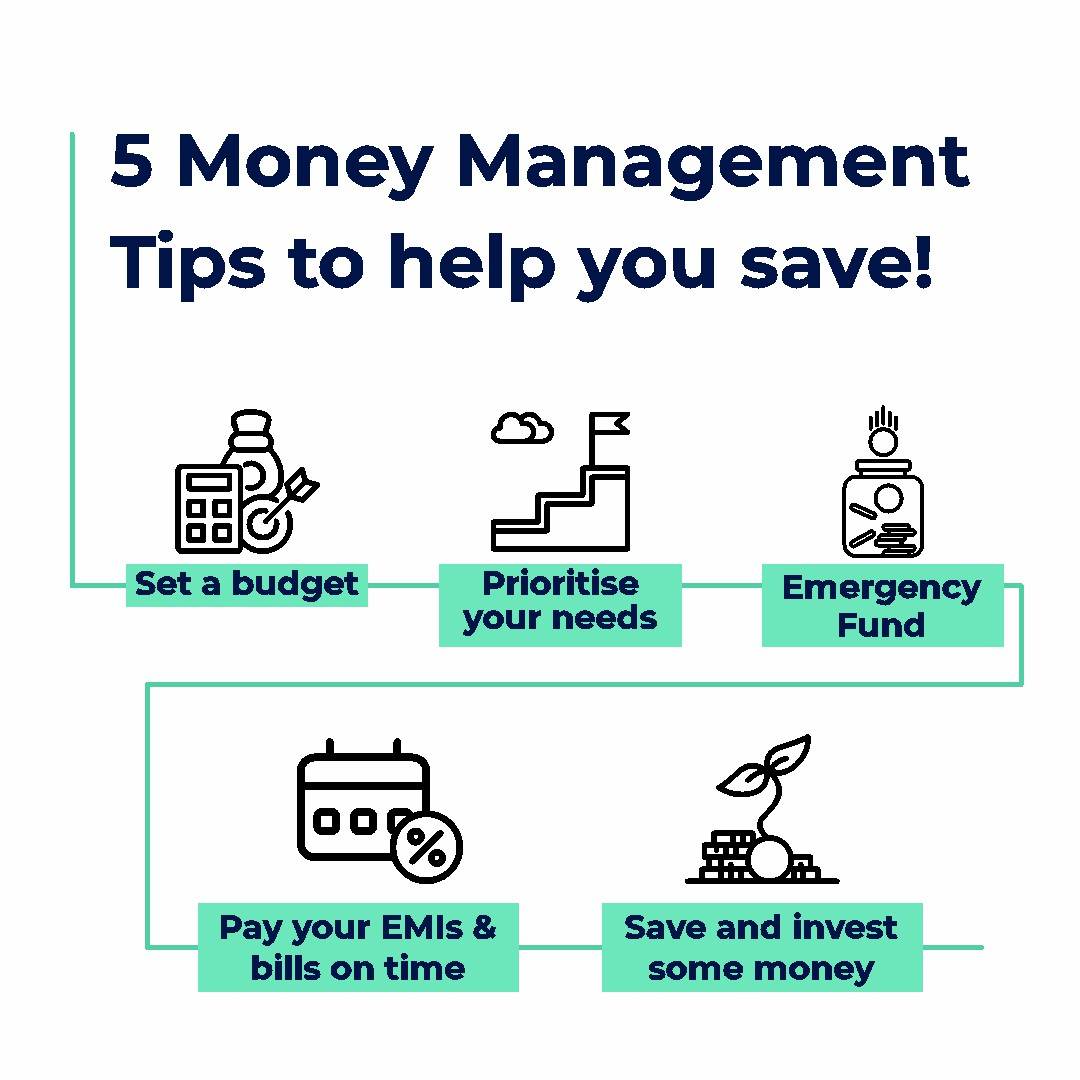
The first step in managing your money is gaining total clarity on where it is going. You cannot manage what you do not measure. Budgeting is not a financial straightjacket; rather, it is a blueprint for your future. It allows you to move from reactive spending—where you wonder where your money went at the end of the month—to proactive allocation.
The 50/30/20 Rule: A Simple Framework
For those overwhelmed by traditional line-item budgeting, the 50/30/20 rule offers a balanced and intuitive framework. This method suggests allocating 50% of your after-tax income to “Needs” (housing, utilities, groceries, and insurance), 30% to “Wants” (dining out, hobbies, and entertainment), and 20% to “Financial Goals” (debt repayment, savings, and investments). This structure ensures that your essential expenses are covered while still allowing for a lifestyle you enjoy, all while prioritizing your long-term financial health.
Leveraging Digital Tools for Real-Time Expense Tracking
In the digital age, manual ledgers are largely a thing of the past. Utilizing financial management software or mobile apps can automate the tracking process. These tools sync with your bank accounts and credit cards to categorize transactions automatically, providing a visual representation of your spending patterns. By reviewing these categories weekly, you can identify “spending leaks”—small, recurring expenses like unused subscriptions or excessive convenience purchases—that, when plugged, can free up significant capital for your investment goals.
The Psychology of Mindful Spending
Effective budgeting requires a shift in mindset. Instead of viewing saving as “losing” money you could have spent, view it as “buying” your future freedom. Before making a significant purchase, practice the “48-hour rule”: wait two days before hitting the buy button. This cooling-off period helps distinguish between a genuine need and an impulsive emotional want, keeping your budget on track without feeling like a burden.
Strategizing Debt Repayment and Emergency Reserves
Financial stability is difficult to achieve when you are anchored by high-interest debt or living one paycheck away from a crisis. Managing your money effectively requires a dual-pronged approach: protecting your downside with an emergency fund and aggressively tackling liabilities that erode your net worth.
The Necessity of a High-Yield Emergency Fund
Before you begin investing heavily in the stock market, you must establish a “peace of mind” fund. Life is unpredictable; medical emergencies, car repairs, or sudden job losses can derail even the best financial plans. A standard recommendation is to save three to six months’ worth of essential living expenses. To maximize this reserve, place it in a High-Yield Savings Account (HYSA). Unlike traditional savings accounts that offer negligible interest, an HYSA allows your emergency fund to maintain its purchasing power against inflation while remaining liquid and accessible.
Snowball vs. Avalanche: Choosing Your Debt Strategy
Not all debt is created equal. High-interest debt, particularly from credit cards, is a financial emergency that should be addressed with urgency. Two popular strategies exist for debt repayment: the “Debt Snowball” and the “Debt Avalanche.”
- The Debt Snowball involves paying off your smallest balances first to gain psychological momentum. The “win” of closing an account provides the motivation to keep going.
- The Debt Avalanche focuses on paying off the debt with the highest interest rate first. While it may take longer to see an account balance hit zero, this method is mathematically superior, as it minimizes the total interest paid over time. Choose the method that aligns best with your personal psychology.
Understanding Good Debt vs. Bad Debt
Part of money management is recognizing the difference between productive and destructive debt. “Bad debt” is typically high-interest consumer debt used to purchase depreciating assets. “Good debt,” such as a low-interest mortgage or a student loan for a high-ROI degree, can be viewed as an investment in an asset or your own earning potential. The goal is not necessarily to be debt-free at all costs, but to eliminate the debt that hinders your ability to build wealth.

Building Wealth Through Intelligent Investing
Once you have a budget in place and your debt is under control, the focus shifts from preservation to growth. Saving is about having money for tomorrow; investing is about having money for the next decade and beyond. To manage your money effectively at this stage, you must understand how to make your capital work as hard as you do.
Understanding Asset Allocation and Risk Tolerance
Investing is not gambling; it is the calculated assumption of risk in exchange for potential returns. Your asset allocation—how you divide your portfolio among stocks, bonds, real estate, and cash—is the most significant driver of your long-term returns. A younger investor with a long time horizon can typically afford a higher “risk appetite,” leaning more toward equities (stocks) for their high growth potential. As one approaches retirement, the allocation usually shifts toward fixed-income assets (bonds) to preserve capital.
The Power of Compound Interest and Long-Term Holding
Albert Einstein famously called compound interest the eighth wonder of the world. It is the process where your investment earnings are reinvested to generate their own earnings. The key ingredient for compounding is time. By starting early—even with small amounts—you allow the exponential nature of growth to do the heavy lifting. Managing your money in the markets requires discipline; it is often said that “time in the market beats timing the market.” Avoid the temptation to trade frequently based on news cycles and instead focus on a “buy and hold” strategy using low-cost index funds or ETFs.
Tax-Advantaged Accounts and Optimization
An essential but often overlooked aspect of money management is tax efficiency. Using accounts like a 401(k), 403(b), or an IRA (Individual Retirement Account) allows your investments to grow tax-deferred or even tax-free (in the case of a Roth IRA). If your employer offers a 401(k) match, this is effectively a 100% return on your investment and should be the first priority in your investment hierarchy. By lowering your taxable income today or securing tax-free withdrawals tomorrow, you significantly increase your net wealth.
Diversifying Income Streams: Beyond the 9-to-5
While cutting expenses is a finite strategy—you can only reduce your spending to zero—increasing your income has infinite potential. In the modern economy, relying on a single source of income is a risk. Diversifying your cash flow provides a safety net and accelerates your path to financial independence.
Exploring Passive Income and Side Hustles
Managing your money also involves managing your time to create new revenue streams. This could involve “active” side hustles, such as consulting or freelance work in your field of expertise, or “passive” income ventures. Passive income might include rental income from real estate, dividend-paying stocks, or creating digital products like e-books or online courses that continue to sell after the initial work is completed. The goal is to decouple your time from your income, allowing money to flow in even when you aren’t actively working.
Investing in Your Greatest Asset: Human Capital
The most valuable asset you will ever own is your ability to earn. Investing in yourself—through certifications, advanced degrees, or learning new high-demand skills like data analysis or digital marketing—often yields a higher return on investment than the stock market. By increasing your “Human Capital,” you increase your value in the marketplace, which leads to higher primary income, more robust retirement contributions, and greater surplus for investing.
The Role of Financial Automation
To ensure consistency in your wealth-building journey, automate your financial life. Set up automatic transfers from your checking account to your savings and investment accounts on the day you receive your paycheck. When you automate your finances, you remove the “decision fatigue” and the temptation to spend surplus cash. This “pay yourself first” mentality ensures that your financial goals are met before any discretionary spending occurs.
Conclusion: The Journey to Financial Freedom
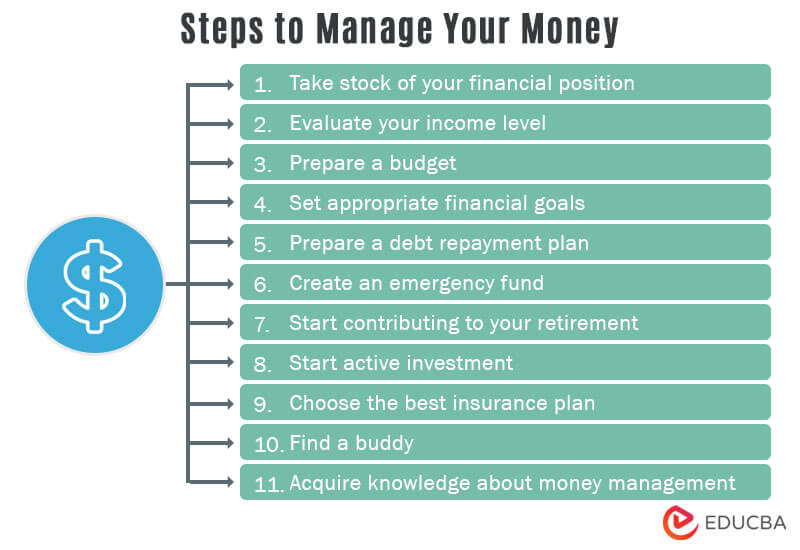
Managing your money is not a one-time event but a continuous process of refinement. It begins with the discipline of tracking and budgeting, moves through the strategic elimination of debt, and culminates in the sophisticated growth of assets and income streams.
The ultimate goal of money management is not merely to accumulate a large balance in a bank account; it is to achieve financial freedom—the point where your assets generate enough income to cover your living expenses, giving you total control over your time and your life. By implementing these strategies today, you are not just managing numbers on a screen; you are designing a future of security, opportunity, and choice. Consistency, patience, and education are your greatest allies on this journey. Start where you are, use what you have, and stay focused on the long-term vision of financial independence.
aViewFromTheCave is a participant in the Amazon Services LLC Associates Program, an affiliate advertising program designed to provide a means for sites to earn advertising fees by advertising and linking to Amazon.com. Amazon, the Amazon logo, AmazonSupply, and the AmazonSupply logo are trademarks of Amazon.com, Inc. or its affiliates. As an Amazon Associate we earn affiliate commissions from qualifying purchases.