
In an era of economic uncertainty, rising living costs, and evolving career landscapes, the pursuit of extra income has moved beyond a luxury to become a strategic financial imperative for many. Whether the goal is to build a safety net, accelerate debt repayment, save for a significant purchase, or simply improve one’s quality of life, understanding the diverse pathways to generate additional revenue is crucial. This article delves into a comprehensive guide on how to effectively make extra income, focusing squarely on the financial strategies, practical methods, and disciplined approaches that underpin sustainable earning.
I. Understanding the Landscape of Extra Income Generation
The world of supplementary earnings is vast and varied, ranging from traditional part-time jobs to innovative digital ventures. Before diving into specific methods, it’s essential to grasp the fundamental concepts and assess one’s personal financial situation and goals. This foundational understanding helps in selecting the most suitable and sustainable avenues for additional income.
A. Defining Your Financial Goals and Needs
The first step in any income-generating endeavor is to clearly define why you need extra money and how much you aim to earn. Is it for a down payment on a house, paying off student loans, building an emergency fund, or simply discretionary spending? Specific, measurable, achievable, relevant, and time-bound (SMART) goals provide direction and motivation. For instance, instead of “I want to make more money,” a better goal would be, “I want to earn an extra $500 per month for the next 12 months to pay down my credit card debt.” This clarity will influence the type of side hustle or investment you pursue, as some methods offer quick returns while others build wealth over time.
B. Assessing Your Skills, Time, and Resources
Not all income-generating opportunities are created equal, and not all are suitable for everyone. A realistic self-assessment is paramount. What unique skills do you possess? Are you a great writer, a skilled graphic designer, a proficient coder, or an excellent communicator? How much free time can you realistically dedicate each week without compromising your primary job, family, or well-being? Do you have any existing assets, such as a spare room, a car, or specialized equipment, that could be leveraged? Understanding these factors will help narrow down the myriad options to those that are feasible, enjoyable, and financially rewarding for you. Overestimating your available time or underestimating the effort required for certain ventures can quickly lead to burnout and discouragement.
C. Differentiating Active vs. Passive Income Streams
It’s vital to distinguish between active and passive income. Active income requires direct, ongoing effort and trading your time for money (e.g., freelancing, gig work). Passive income, while often requiring significant upfront effort or investment, generates earnings with minimal ongoing involvement (e.g., rental properties, royalties, high-yield savings accounts, dividend stocks). A balanced approach often involves starting with active income to quickly boost earnings and then strategically investing a portion of those earnings into passive ventures for long-term financial security and freedom. Both have their merits, and a comprehensive extra income strategy often incorporates elements of both.
II. Strategic Avenues for Active Income
Active income streams are typically the fastest way to start earning extra money, as they directly leverage your time, skills, and effort. These methods are excellent for achieving immediate financial goals and building capital that can later be diversified.
A. Leveraging the Gig Economy and Freelancing
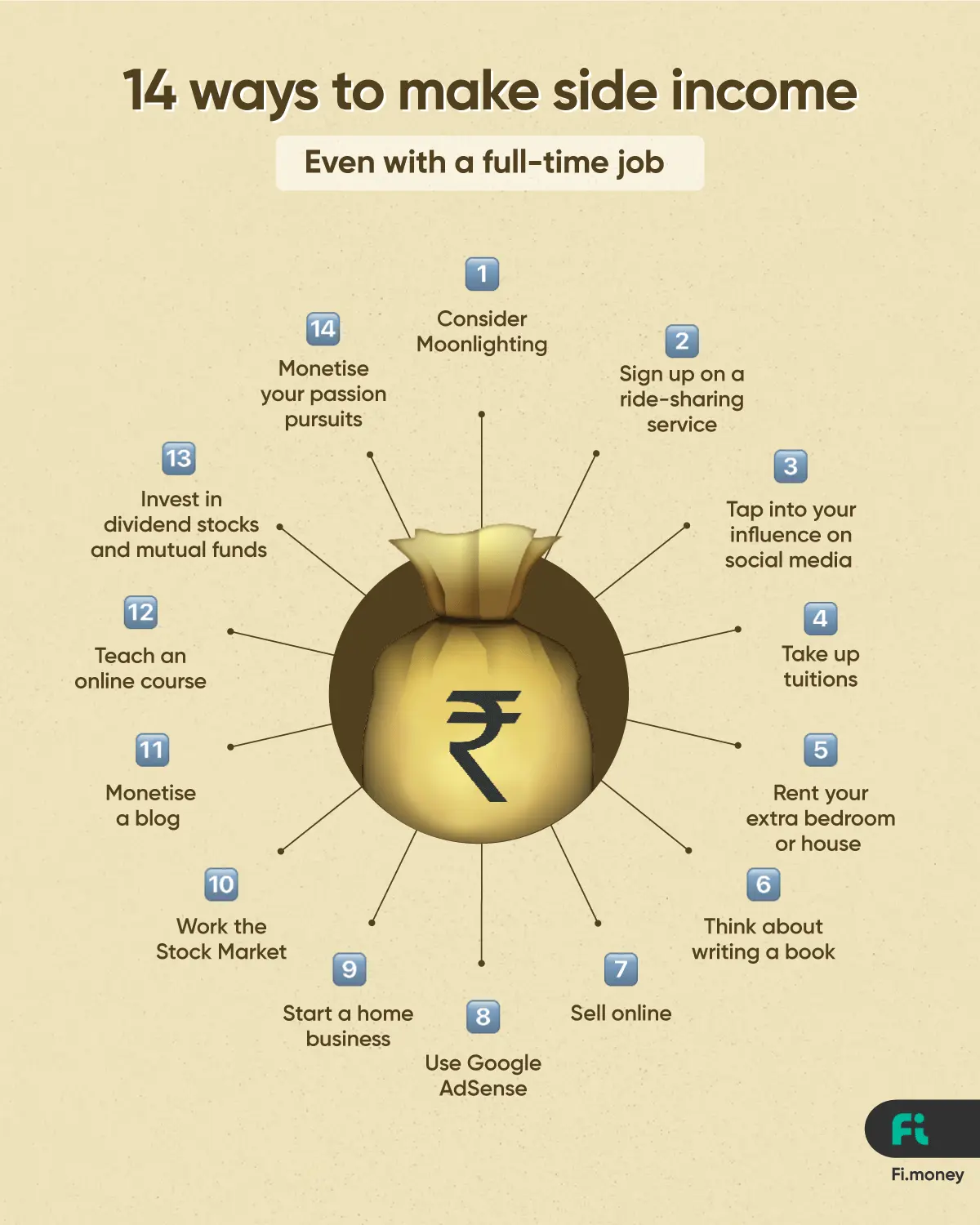
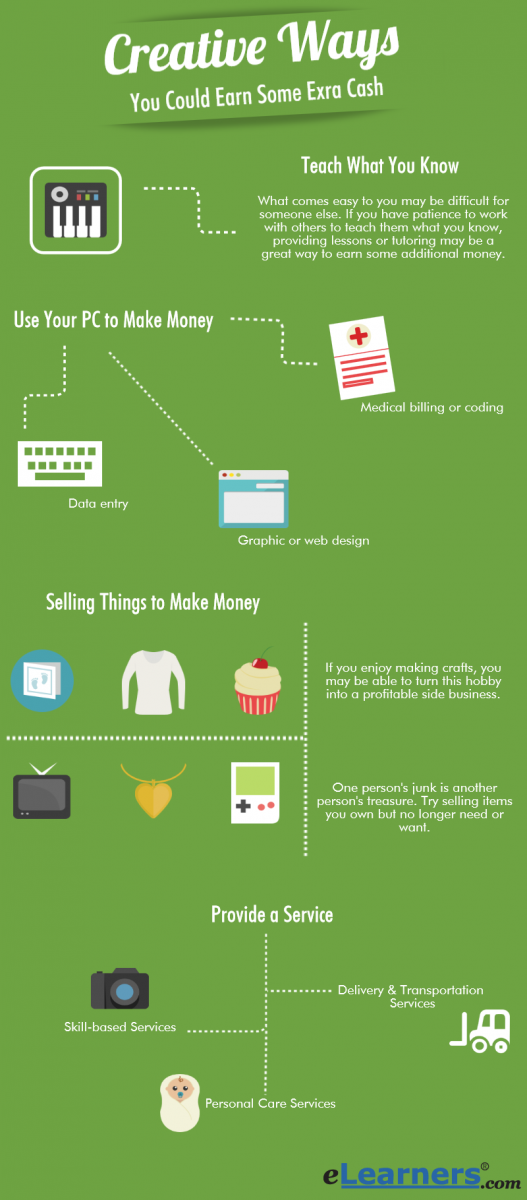
The gig economy has revolutionized how individuals can earn money on their own terms. Platforms like Upwork, Fiverr, TaskRabbit, and Uber allow people to offer services ranging from writing, graphic design, and web development to delivery, driving, and home repairs.
- Online Freelancing: Websites connect freelancers with clients seeking specific skills. This can include content writing, virtual assistance, social media management, translation, data entry, and more. Building a strong portfolio and positive client reviews are key to success.
- Local Services and Odd Jobs: For those who prefer hands-on work or community interaction, platforms like TaskRabbit or even local classifieds can provide opportunities for pet-sitting, house cleaning, yard work, tutoring, or running errands.
- Delivery and Ridesharing: Companies like Uber Eats, DoorDash, and Lyft offer flexible schedules for those with a vehicle, allowing them to earn money during their free hours.
B. Monetizing Skills and Hobbies
Your existing talents and passions can be powerful sources of additional income. This often feels less like “work” because you’re engaged in something you genuinely enjoy.
- Tutoring and Coaching: If you excel in a particular academic subject, sport, or skill (e.g., music, coding, a foreign language), offering private lessons or coaching can be lucrative. Online platforms like Chegg Tutors or local community centers can connect you with students.
- Crafts and Creative Arts: For the artistically inclined, selling handmade goods through platforms like Etsy, local craft fairs, or even your own e-commerce site can turn a hobby into a profit center. This includes jewelry, artwork, custom apparel, baked goods, and more.
- Consulting and Specialized Services: If you have expertise in a specific industry or niche (e.g., marketing, finance, HR, IT), offering your consulting services to small businesses or individuals can command higher rates. This leverages your professional experience beyond your primary job.
C. Part-time Employment and Seasonal Work
While less flexible than freelancing, traditional part-time jobs offer consistent income and often come with predictable hours and benefits.
- Retail or Hospitality: Many stores, restaurants, and hotels hire part-time staff, especially during evenings and weekends.
- Seasonal Opportunities: Holidays, tourist seasons, or specific agricultural periods often create temporary job openings that can provide a significant boost to your income for a limited time. Examples include tax preparation, holiday retail, or summer camp counseling.
III. Cultivating Passive Income Streams
Passive income is the holy grail for financial independence, providing earnings that don’t directly require your constant time and effort. While often requiring upfront investment or effort, these streams can generate wealth over the long term.
A. Digital Products and Content Creation
The digital age has opened unprecedented opportunities for creating assets that can generate income repeatedly.
- E-books and Online Courses: If you have specialized knowledge, packaging it into an e-book or an online course (on platforms like Teachable or Udemy) can provide recurring revenue with minimal ongoing input after initial creation.
- Stock Photography/Videography: Photographers and videographers can license their work through stock agencies (e.g., Shutterstock, Adobe Stock), earning royalties each time their content is downloaded.
- Blogging and Vlogging: Building an audience through a blog or YouTube channel can eventually lead to income through advertising (Google AdSense), affiliate marketing, sponsored content, or selling your own products. This is an example of “passive income” that requires significant initial and ongoing content creation and promotion to reach a scale where it truly becomes passive.
B. Investment Strategies
Investing is a classic route to passive income, allowing your money to work for you.
- Dividend Stocks and Bonds: Investing in companies that pay regular dividends or in bonds can provide a steady stream of income. This requires research and understanding of market risks.
- Real Estate Investing: This can range from traditional rental properties (requiring significant capital and management) to Real Estate Investment Trusts (REITs) which allow investment in real estate without direct property ownership.
- High-Yield Savings Accounts (HYSAs) and CDs: While offering lower returns than stocks or real estate, HYSAs and Certificates of Deposit (CDs) provide a safe, guaranteed return on your savings, making your idle cash productive.
C. Renting Out Assets
Leveraging underutilized assets you already own can be an effective way to generate income.
- Spare Room or Property: Platforms like Airbnb allow homeowners to rent out spare rooms, guesthouses, or entire properties for short-term stays.
- Vehicle Rental: Services like Turo enable you to rent out your personal car when you’re not using it.
- Equipment Rental: Specialized equipment, from power tools to camera gear, can be rented out to others who need them for short periods.
IV. Strategic Planning and Financial Management
Earning extra income is only half the battle; managing it wisely and strategically is crucial for long-term financial growth and stability. Without proper planning, extra earnings can easily dissipate without achieving your ultimate goals.
A. Budgeting and Allocating Extra Income
Once you start earning extra money, it’s vital to have a plan for where it goes. Without a budget, it’s easy for additional funds to be absorbed into daily expenses without making a significant impact.
- Create a Separate Budget: Treat your extra income as a distinct financial stream. Decide beforehand how much will go towards debt repayment, savings, investments, or discretionary spending.
- The “Envelope System” or Digital Equivalents: Physically or digitally earmark specific amounts for your goals. For example, 50% to debt, 30% to savings, 20% to investments.
- Prioritize High-Interest Debt: If you have credit card debt or other high-interest loans, channeling a significant portion of your extra income towards these can save you a substantial amount in interest payments over time.
B. Tax Implications and Compliance
Earning extra income, especially through self-employment or the gig economy, comes with tax responsibilities that differ from traditional W-2 employment. Ignoring these can lead to penalties.
- Estimate and Pay Quarterly Taxes: If you expect to owe more than a certain amount in taxes from your self-employment income, you may be required to pay estimated taxes quarterly.
- Track All Income and Expenses: Meticulous record-keeping is essential. Document all income received and track deductible expenses related to your extra income ventures (e.g., home office expenses, supplies, mileage).
- Consult a Tax Professional: Especially when starting, it’s highly advisable to consult with an accountant or tax advisor who specializes in self-employment income to ensure compliance and maximize deductions.
C. Reinvestment and Growth
To truly leverage extra income for long-term wealth, consider reinvesting a portion of your earnings back into your ventures or into other growth opportunities.
- Scaling Your Side Hustle: Reinvesting in new equipment, marketing, or professional development can help you grow your income-generating activities, allowing you to charge more or attract more clients.
- Investing in Yourself: Use some of the extra income to acquire new skills or certifications that could unlock higher-paying opportunities.
- Diversifying Investments: Beyond your initial ventures, use extra capital to diversify your investment portfolio, spreading risk and potentially increasing overall returns.
V. Mindset and Sustainability
Making extra income is not just about identifying opportunities; it’s also about cultivating the right mindset, discipline, and long-term perspective to ensure these efforts are sustainable and lead to genuine financial betterment.
A. Discipline and Consistency
Success in generating extra income, particularly through side hustles, hinges on discipline. It requires consistent effort, even when motivation wanes.
- Time Management: Carve out dedicated time slots for your extra income activities and treat them with the same importance as your primary job.
- Setting Boundaries: Learn to say no to commitments that might derail your income goals. Protect your dedicated work time.
- Avoiding Burnout: While discipline is crucial, it’s equally important to recognize your limits. Schedule breaks, ensure adequate rest, and don’t overcommit, as burnout can quickly lead to abandoning your efforts.
B. Continuous Learning and Adaptation
The economic landscape and available income opportunities are constantly evolving. Staying informed and adaptable is key to long-term success.
- Stay Updated: Regularly research new platforms, tools, and market trends in your chosen income avenues.
- Skill Development: Invest time in learning new skills or refining existing ones. The more valuable your skills, the higher your earning potential.
- Embrace Experimentation: Not every venture will be a home run. Be willing to try new things, learn from failures, and pivot when necessary. The ability to adapt to changing demands is a significant asset.

C. The Long-Term Perspective
While immediate financial relief is often the driving force, successful extra income generation is best approached with a long-term mindset.
- Building a Financial Foundation: View extra income as a tool to build a robust financial foundation – paying off debt, establishing an emergency fund, and building investments.
- Compound Interest: The earlier you start investing a portion of your extra income, the more powerful compound interest becomes over time, exponentially growing your wealth.
- Achieving Financial Freedom: Ultimately, the goal is often to create a diversified portfolio of income streams that can contribute to greater financial independence, reduce reliance on a single income source, and provide more choices in life.
Making extra income is a journey that requires strategic thinking, diligent effort, and consistent financial management. By clearly defining goals, leveraging personal skills, exploring diverse income streams (both active and passive), and adopting a disciplined approach to both earning and managing funds, individuals can significantly enhance their financial standing and move closer to their long-term economic aspirations. It’s an empowering path that, when navigated wisely, offers not just additional funds, but increased financial security and freedom.
aViewFromTheCave is a participant in the Amazon Services LLC Associates Program, an affiliate advertising program designed to provide a means for sites to earn advertising fees by advertising and linking to Amazon.com. Amazon, the Amazon logo, AmazonSupply, and the AmazonSupply logo are trademarks of Amazon.com, Inc. or its affiliates. As an Amazon Associate we earn affiliate commissions from qualifying purchases.