
In an era defined by economic volatility and the rising cost of living, the concept of a “single source of income” is increasingly viewed as a financial vulnerability. The pursuit of extra cash is no longer merely a hobby for the industrious; it has become a sophisticated pillar of modern personal finance. Whether the objective is to accelerate debt repayment, bolster a retirement portfolio, or establish a discretionary fund for travel and leisure, diversifying your revenue streams requires a blend of strategic planning, market awareness, and disciplined execution.
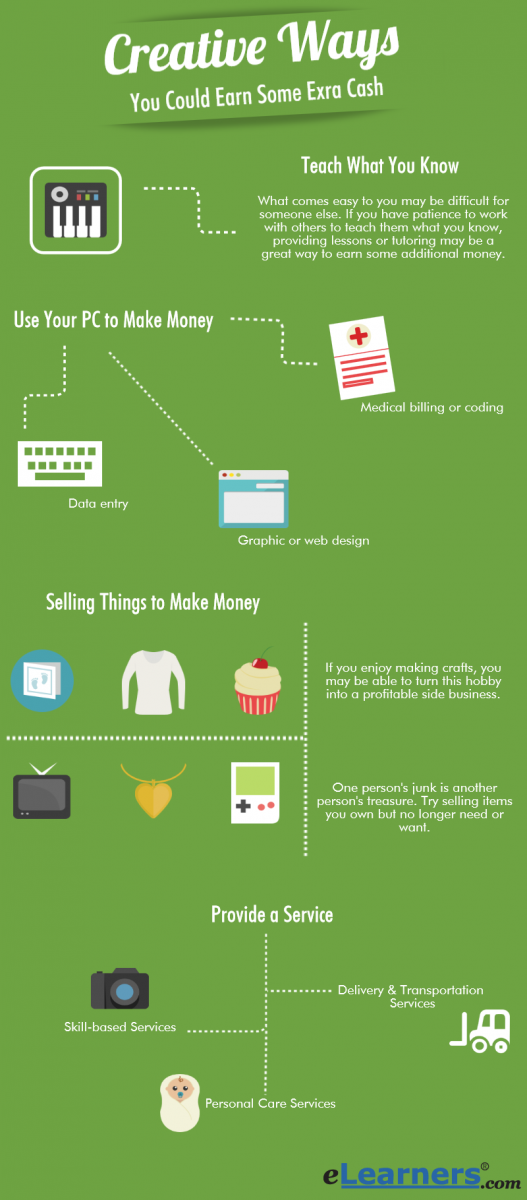
Generating additional income is not a monolithic endeavor. It ranges from “active” pursuits—where time is directly traded for currency—to “passive” architectures, where initial investments of time or capital yield recurring dividends. This guide explores the most effective methodologies for generating extra cash within the modern financial landscape, focusing on high-value activities that offer sustainable returns.
Leveraging the Digital Economy for Passive Income
The digital landscape has democratized the ability to generate passive income, allowing individuals to decouple their earning potential from the traditional 40-hour workweek. Unlike active labor, passive income requires a significant upfront investment—either in the form of capital or intellectual property—but offers the unique advantage of scalability.
High-Yield Investing and Dividend Portfolios
One of the most traditional yet effective ways to generate extra cash is through the strategic deployment of existing capital. In a fluctuating interest rate environment, high-yield savings accounts (HYSAs) and Certificates of Deposit (CDs) have regained their status as low-risk vehicles for capital preservation and modest growth. However, for those seeking higher yields, dividend-growth investing remains a cornerstone of wealth generation. By investing in “Dividend Aristocrats”—companies that have consistently increased their dividend payouts for over 25 years—investors can create a growing stream of cash flow that acts as a hedge against inflation.
Creating and Monetizing Digital Assets
The “Creator Economy” has opened doors for specialists to monetize their expertise through digital products. This includes the creation of online courses, e-books, and specialized templates (such as financial planners or project management frameworks). The beauty of a digital asset lies in its low marginal cost of reproduction; once the product is created, every subsequent sale represents near-total profit. By leveraging platforms like Teachable or Gumroad, individuals can reach a global audience, turning their unique knowledge into a 24/7 revenue engine.
Affiliate Marketing and Content Ecosystems
For those who possess a niche interest or a burgeoning online presence, affiliate marketing offers a way to earn commissions by recommending products or services. This is not about “get-rich-quick” schemes but rather about building a trusted content ecosystem—be it a blog, a YouTube channel, or a specialized newsletter. By providing genuine value and objective reviews, you can integrate affiliate links that provide a steady trickle of extra cash. The key to success in this arena is transparency and alignment; only promote products that resonate with your audience’s needs and maintain your professional integrity.
Maximizing Skill-Based Freelancing and the Gig Economy
While passive income is the ultimate goal for many, active income via freelancing remains the fastest way to inject liquidity into your bank account. The global shift toward remote work has expanded the marketplace for specialized skills, allowing professionals to moonlight as consultants or project-based contributors.
Identifying and Packaging High-Value Skills
To maximize the “cash-per-hour” ratio, one must move away from commoditized tasks and toward high-value, specialized services. Skills such as technical writing, data analysis, financial modeling, and specialized software proficiency (e.g., Salesforce or AWS architecture) command premium rates. The strategy here is “productizing” your service: instead of offering “writing,” offer a “comprehensive white-paper package for B2B tech firms.” This shifts the conversation from hourly rates to value-based pricing, significantly increasing your earning potential.
Navigating Global Freelance Marketplaces
Platforms like Upwork, Toptal, and Fiverr Pro serve as the infrastructure for the modern freelancer. However, the secret to making significant extra cash on these platforms is not in the volume of bids, but in the quality of the profile and the accumulation of social proof. A well-optimized profile that highlights specific case studies and testimonials can allow a freelancer to charge double or triple the market average. It is essential to treat these platforms as a storefront; professional communication and the consistent meeting of deadlines turn one-time gigs into lucrative, long-term retainer contracts.
Coaching and Professional Consulting
If you have climbed the corporate ladder or mastered a specific trade, your insights are valuable to those following in your footsteps. Professional coaching and consulting represent a high-margin side hustle. Whether it is career coaching for mid-level managers or financial consulting for small businesses, this “human-centric” freelance model allows for high hourly rates with minimal overhead. The barrier to entry is high—requiring proven expertise—but the financial rewards are among the highest in the side-hustle category.
The Resale Revolution: Turning Physical Assets into Capital
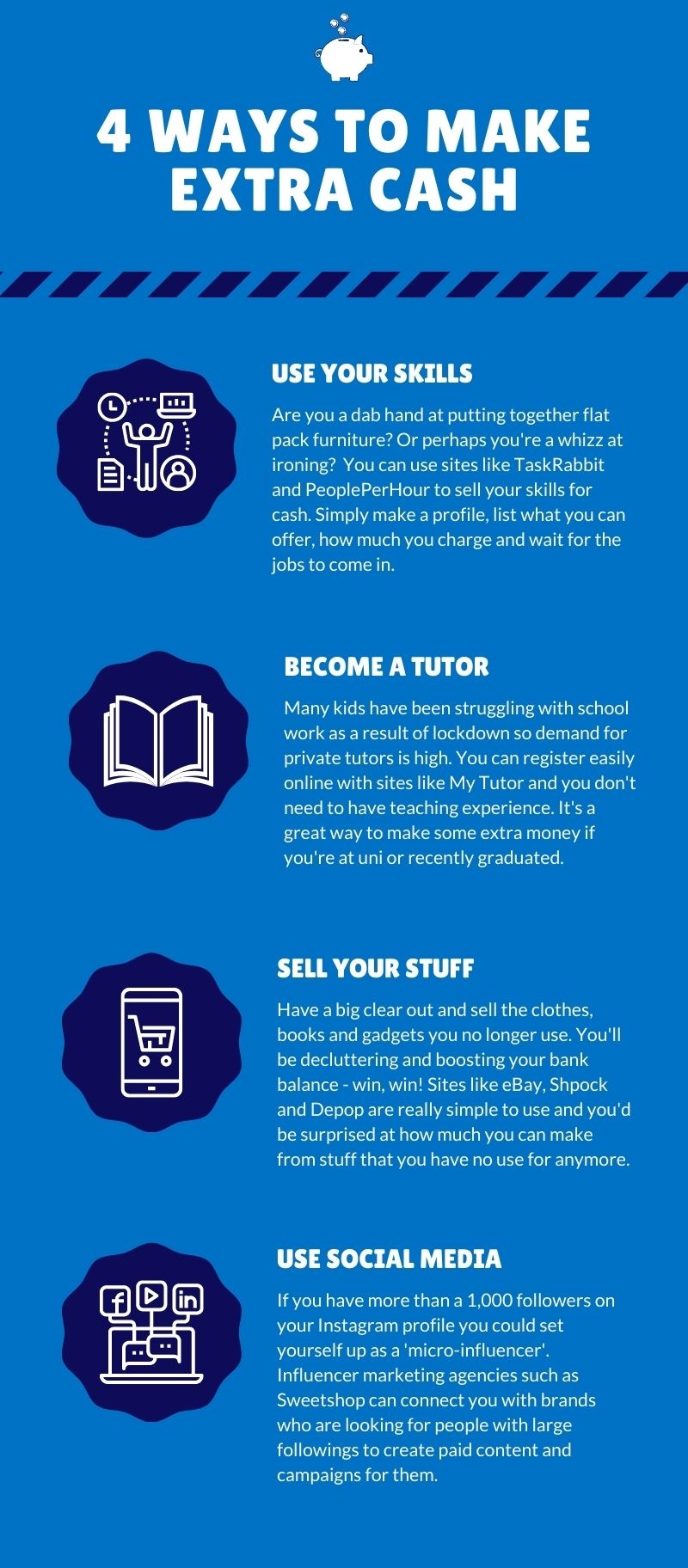
The “circular economy” is not just a sustainable movement; it is a multi-billion dollar marketplace. Reselling, or “flipping,” physical goods has evolved from simple garage sales to sophisticated e-commerce operations. By understanding market trends and logistics, individuals can turn underutilized assets or undervalued finds into significant extra cash.
Niche E-commerce and the Art of the Flip
The most successful resellers focus on specific niches where they possess deep product knowledge. This could range from vintage electronics and designer fashion to rare books or high-end watch components. By sourcing items from thrift stores, estate sales, or online liquidations and selling them on specialized marketplaces, you can exploit “information asymmetry”—knowing the true value of an item that the seller does not.
Navigating Marketplaces: From eBay to Chrono24
Choosing the right platform is critical for maximizing profit margins. While eBay remains the king of general merchandise, specialized platforms often fetch higher prices due to their curated audiences. Poshmark and Depop are essential for fashion; Reverb is the standard for musical instruments; and Chrono24 is the go-to for luxury timepieces. Each platform has its own fee structure and shipping logistics, which must be factored into your “net profit” calculations to ensure the venture remains worth your time.
Scaling Through Inventory and Logistics Management
What begins as a weekend hobby can quickly become a logistical challenge. To make “extra cash” consistently through reselling, one must implement basic business systems. This includes dedicated storage space, a streamlined photography and listing process, and an organized tracking system for expenses and revenues. By treating reselling as a micro-business rather than a casual activity, you can scale your operations, moving from selling individual household items to sourcing bulk inventory and managing a consistent monthly turnover.
Optimizing Personal Finance to “Find” Extra Cash
Sometimes, the most efficient way to increase your available cash is not by earning more, but by optimizing what you already have. Financial optimization acts as an immediate “raise” that requires no additional labor after the initial setup.
The Expense Audit and Subscription Rationalization
In the digital age, “subscription creep” is a silent killer of disposable income. A rigorous audit of bank statements often reveals recurring charges for services no longer used—streaming platforms, gym memberships, or software licenses. By using automated tools or manual spreadsheets to identify and cancel these “leaks,” many individuals find an extra $100 to $300 per month. This is “found money” that can be redirected into high-interest debt repayment or investment vehicles.
Tax Efficiency and Incentives
Making extra cash also involves keeping more of what you earn. For those with side hustles, understanding tax-deductible business expenses is paramount. Home office deductions, equipment costs, and a portion of utility bills can often be deducted from your taxable income, effectively increasing your net take-home pay. Furthermore, maximizing employer-matching contributions in retirement accounts (like a 401k) is essentially accepting “free money” that compounds over time, contributing to long-term wealth.
Utilizing Cashback and Reward Ecosystems
While not a primary income strategy, the disciplined use of cashback credit cards and reward portals can generate a meaningful amount of extra cash over a year. By routing necessary expenses—such as groceries, fuel, and utilities—through cards that offer 2% to 5% back, and utilizing shopping portals like Rakuten, a household can easily generate several hundred dollars in annual rebates. The caveat, of course, is that this strategy only works if the balance is paid in full every month, avoiding high-interest charges that would negate any gains.

Conclusion: Building a Multi-Faceted Income Strategy
Making extra cash is rarely the result of a single “lucky break.” Instead, it is the outcome of a diversified strategy that combines the scalability of passive income, the high rates of specialized freelancing, the market opportunities of the circular economy, and the discipline of financial optimization.
As you embark on this journey, the most important step is to start small but think systematically. Choose one avenue that aligns with your current skills or capital, master it, and then layer on additional streams. By treating your personal finances with the same rigor as a corporate entity, you turn “extra cash” from a temporary bonus into a permanent foundation for financial freedom and resilience. In the modern economy, your ability to adapt and diversify is your greatest financial asset.
aViewFromTheCave is a participant in the Amazon Services LLC Associates Program, an affiliate advertising program designed to provide a means for sites to earn advertising fees by advertising and linking to Amazon.com. Amazon, the Amazon logo, AmazonSupply, and the AmazonSupply logo are trademarks of Amazon.com, Inc. or its affiliates. As an Amazon Associate we earn affiliate commissions from qualifying purchases.