
Quantum computing stands at the precipice of a technological revolution, promising to solve problems currently intractable for even the most powerful supercomputers. From drug discovery and material science to financial modeling and artificial intelligence, its potential applications span virtually every industry. For investors, this nascent field represents an intriguing, albeit complex, opportunity. While still in its early stages, the quantum computing market is attracting significant capital, signaling its long-term disruptive power. Understanding how to navigate this frontier requires a blend of technological foresight, risk assessment, and strategic financial planning. This guide delves into the various avenues available for investors seeking to participate in the quantum revolution, outlining the potential, the pitfalls, and the practical steps to consider.
Understanding the Quantum Leap: Why Invest?
The allure of quantum computing stems from its fundamental departure from classical computing. Instead of bits representing 0s and 1s, quantum computers use qubits, which can represent 0, 1, or both simultaneously through superposition. This, combined with phenomena like entanglement, allows quantum machines to process vast amounts of information and explore multiple possibilities concurrently, dramatically accelerating computation for specific problems. This transformative capability is not just theoretical; it’s increasingly demonstrating practical applications in critical sectors, paving the way for unprecedented innovation and value creation.
The Promise of Quantum Computing
The potential impact of quantum computing is staggering. In healthcare, it could accelerate drug discovery by simulating molecular interactions with unparalleled accuracy, leading to new treatments for diseases like cancer and Alzheimer’s. For finance, quantum algorithms could optimize portfolio management, detect fraud with greater precision, and enhance risk analysis by modeling complex market dynamics. Logistics and manufacturing stand to benefit from optimized supply chains and material design. Cryptography is another area poised for significant disruption, with quantum computers capable of breaking current encryption standards, necessitating the development of quantum-resistant alternatives. The sheer breadth of these applications underscores the technology’s long-term value proposition.
Market Potential and Growth Projections
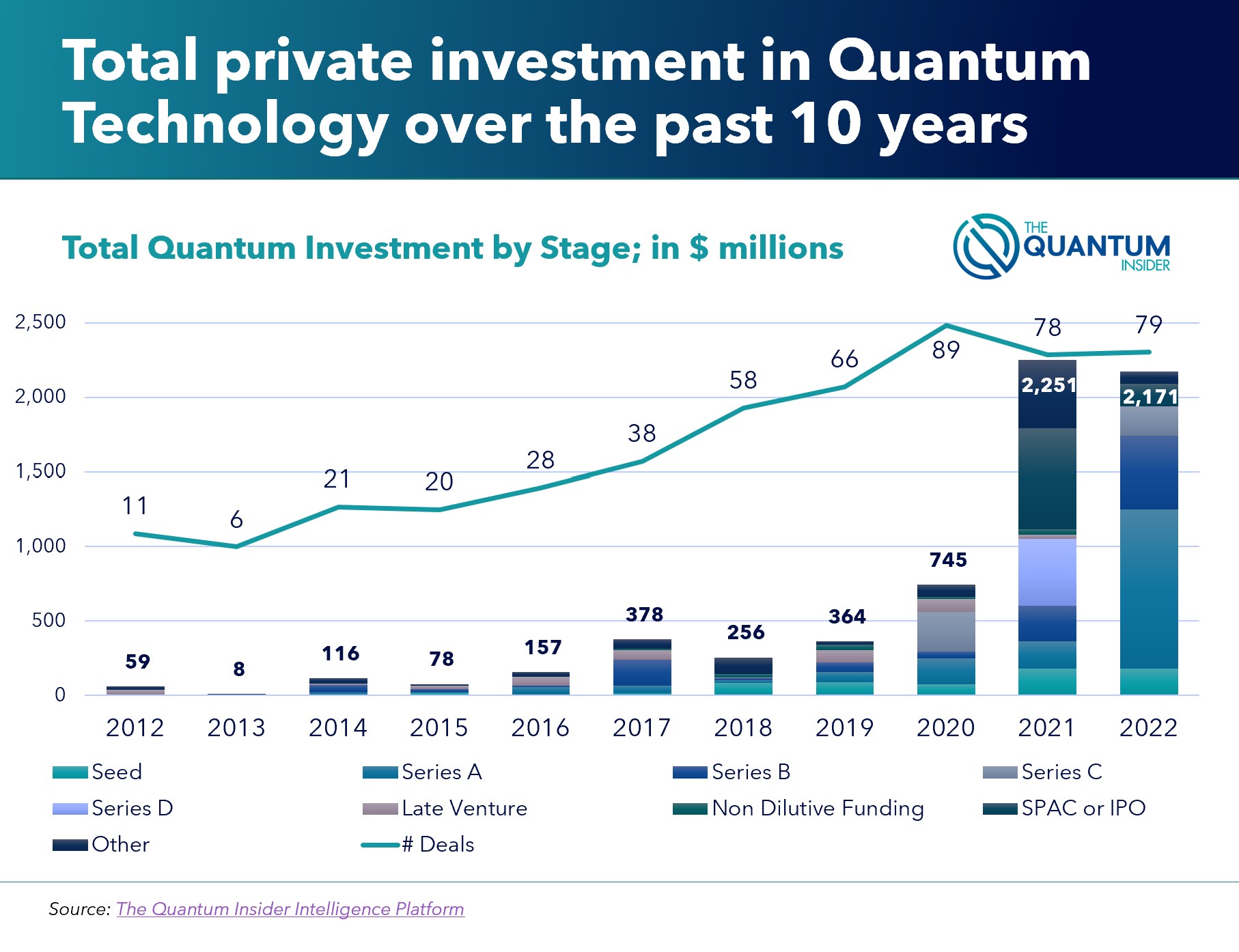
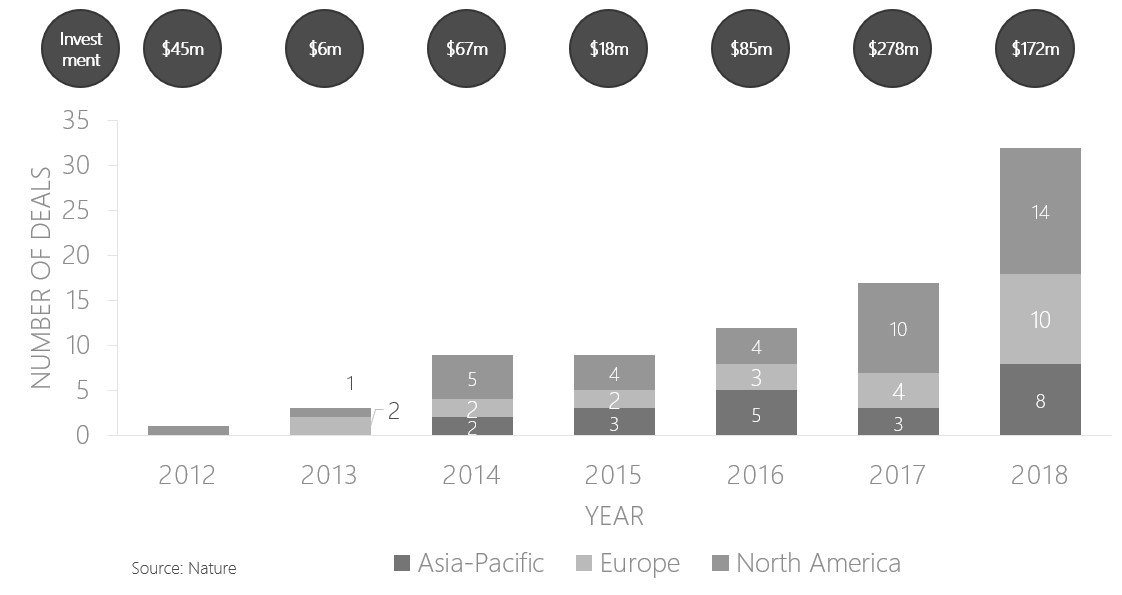
While the market is still nascent, projections for quantum computing are robust. Various market intelligence reports estimate the quantum computing market to grow from a few hundred million dollars today to tens of billions within the next decade, potentially reaching hundreds of billions in the decades that follow. This exponential growth is driven by increasing R&D investments from governments and corporations, advancements in quantum hardware and software, and a growing understanding of its practical applications. Early-stage companies are attracting significant venture capital, and established tech giants are pouring resources into developing their quantum capabilities. For investors with a high tolerance for risk and a long-term outlook, this projected growth trajectory presents a compelling argument for early entry into the market.
Navigating the Investment Landscape: Direct and Indirect Approaches
Investing in quantum computing isn’t a one-size-fits-all endeavor. The market offers a spectrum of opportunities, ranging from direct investment in pure-play quantum companies to indirect exposure through diversified tech portfolios. Each approach carries its own set of risks and potential rewards, catering to different investor profiles and objectives. Understanding these pathways is crucial for constructing a coherent investment strategy in this complex domain.
Direct Investment: Publicly Traded Pure-Plays
Direct investment in publicly traded quantum computing companies offers the most focused exposure to the sector. However, the number of such companies is currently limited. These “pure-play” firms are solely dedicated to developing quantum hardware, software, or services. Examples might include companies specializing in quantum processors, quantum cryptography solutions, or quantum software development kits. Investing directly requires thorough due diligence into their specific technological approach, competitive landscape, and commercialization strategy. While potentially offering higher upside if a company achieves a breakthrough, it also concentrates risk significantly within a single, highly speculative enterprise. Investors must be prepared for volatility and the possibility that the technology may take longer than anticipated to mature or may face unforeseen challenges.
Indirect Investment: Tech Giants and ETFs
A more conservative approach involves indirect investment through established technology giants that are heavily investing in quantum computing R&D. Companies like IBM, Google (Alphabet), Microsoft, and Amazon are all developing their own quantum programs, platforms, and cloud services. While quantum computing might only represent a small fraction of their overall business, these companies offer diversification and stability from their other revenue streams. Their vast resources, existing customer bases, and robust R&D budgets provide a more buffered entry point into the quantum space. Additionally, as the market matures, quantum-focused exchange-traded funds (ETFs) or thematic mutual funds may emerge, offering diversified exposure to a basket of quantum-related companies, both pure-plays and large conglomerates. This approach significantly reduces individual stock risk and provides broader market exposure.
Venture Capital and Private Equity Opportunities
For accredited investors with access to private markets, venture capital (VC) and private equity (PE) funds specializing in deep tech or quantum computing offer another avenue. Many of the most innovative and promising quantum startups are still privately held. Investing in these early-stage companies through a fund can provide exposure to potentially disruptive technologies before they hit public markets. However, this route comes with higher illiquidity, longer investment horizons, and substantial risk, as many startups fail. Accessing these opportunities typically requires significant capital and connections within the VC/PE ecosystem. For those with the means and expertise, it can offer an opportunity to get in on the ground floor of future quantum leaders.
Assessing the Risks and Rewards of Quantum Investments
Investing in quantum computing is fundamentally an investment in a frontier technology. As such, it embodies both immense potential for reward and significant, inherent risks. A balanced perspective is crucial for any investor considering this space, understanding that patience and a high tolerance for uncertainty will be key virtues.
High Growth, High Risk: The Early Stage Nature
The primary characteristic of quantum computing as an investment is its early-stage nature. While the hype is considerable, the technology is still largely in its research and development phase, with commercial applications just beginning to emerge. This means there’s a significant “technological risk” – the possibility that current approaches might not scale as expected, or that fundamental breakthroughs are still years or decades away. Furthermore, there’s a “market risk” – whether sufficient demand will materialize for quantum solutions at scale, and what the competitive landscape will look like. Investors must be prepared for the possibility of substantial capital loss, as well as the potential for multi-bagger returns if the technology takes off as anticipated. It’s an arena for speculative capital, not for risk-averse investors.
Regulatory and Geopolitical Factors
The strategic importance of quantum computing has not gone unnoticed by governments worldwide. This leads to a complex web of regulatory and geopolitical factors that can influence investment outcomes. Export controls, restrictions on foreign investment in critical technologies, and intellectual property disputes are all potential headwinds. Governments are also heavily subsidizing quantum research, which can create both opportunities for companies receiving grants and challenges for those competing without such support. The “quantum race” between nations could lead to protectionist policies or even nationalization of key assets, adding another layer of uncertainty to international investments in this sector.
The Long-Term Horizon for Returns
Unlike mature industries where returns can be realized over short to medium terms, quantum computing demands a significantly longer investment horizon. It’s unlikely that investors will see substantial, widespread commercialization and profitability within the next 3-5 years for many pure-play quantum companies. Breakthroughs take time, scaling up hardware is challenging, and educating the market on its applications will be an ongoing process. Patient capital is paramount. Investors should approach quantum computing with a mindset of making a decade-long (or longer) investment, understanding that the value generation will likely be exponential rather than linear once critical milestones are achieved.
Due Diligence: Key Considerations Before Investing
Given the inherent risks and long-term nature of quantum investments, rigorous due diligence is not just recommended, but essential. Traditional financial metrics may not fully capture the value of early-stage quantum companies, necessitating a deeper dive into their technological foundation, competitive advantages, and leadership.
Evaluating Technology and IP Strength
For any quantum computing company, the core of its value lies in its technology and intellectual property (IP). Investors must try to understand the underlying quantum hardware (e.g., superconducting qubits, trapped ions, photonic qubits) or software architecture. What makes their approach unique? Is it scalable? What patents do they hold or are they pursuing? Are there proprietary algorithms or novel approaches to error correction? While this often requires a level of technical understanding, independent expert analysis or reviewing reputable technical reports can provide critical insights. Investing in a company with a strong, defensible technological moat is paramount.
Assessing Management Teams and Partnerships
In a field as complex and competitive as quantum computing, the quality of the management team is a strong indicator of potential success. Look for teams with deep scientific and engineering expertise, proven business acumen, and a clear vision for commercialization. Experience in bringing complex technologies to market is a huge plus. Furthermore, strategic partnerships with universities, government labs, or established corporations can validate a company’s technology, provide funding, and accelerate its path to market. A robust ecosystem of collaborators can be a powerful signal of a company’s potential.
Understanding Valuation Metrics in Nascent Markets
Traditional valuation metrics like P/E ratios or even revenue multiples might be less relevant for early-stage quantum companies, many of which may have minimal or no revenue. Instead, investors often need to consider other indicators:
- Funding Rounds and Valuations: What was the valuation in the latest private funding rounds? Who are the institutional investors?
- Technological Milestones: Has the company achieved significant technical breakthroughs (e.g., increasing qubit count, reducing error rates)?
- Customer Engagements/Pilots: Are they securing early pilot programs or partnerships with potential customers?
- Total Addressable Market (TAM): What is the estimated size of the market they aim to capture?
- Burn Rate and Runway: How long can the company operate with its current capital?
These qualitative and forward-looking metrics become crucial in assessing the potential future value of a quantum computing investment.
Building a Quantum-Focused Portfolio
Given the speculative nature of quantum computing, a thoughtful portfolio construction strategy is essential. Diversification, a long-term mindset, and a willingness to allocate only a portion of one’s portfolio to high-risk ventures are fundamental principles.
Diversification Strategies
Even within the quantum computing sector, diversification is key. Instead of putting all capital into a single pure-play company, consider spreading investments across different aspects of the quantum ecosystem. This could mean investing in:
- Hardware developers: Companies focused on building the quantum processors.
- Software and algorithm developers: Firms creating the applications and operating systems.
- Quantum security solutions: Companies addressing the cryptographic implications.
- Enabling technologies: Firms providing essential components like cryogenic systems or specialized optics.
- Geographic diversification: Investing in companies across different regions (e.g., US, Europe, Asia) to mitigate geopolitical risks.
- Methodological diversification: Investing in companies pursuing different quantum computing approaches (e.g., superconducting, trapped ions, photonic).
Additionally, for most investors, quantum computing should represent only a small, carefully considered portion of a broader, diversified investment portfolio. This ensures that even if the quantum bets don’t pay off, the overall financial health of the portfolio remains secure.
Long-Term Outlook and Patience
The phrase “patient capital” is particularly apt for quantum computing. This is not a sector for short-term speculation. The journey from fundamental research to widespread commercial adoption will be long, punctuated by both exhilarating breakthroughs and frustrating setbacks. Investors must be prepared to hold their positions for many years, potentially a decade or more, before realizing significant returns. The vision should be focused on the long-term transformation that quantum computing promises, rather than immediate gains. Regular monitoring of technological advancements, market developments, and company performance is important, but a steady hand and a belief in the eventual realization of quantum’s potential are paramount.
In conclusion, investing in quantum computing offers a tantalizing opportunity to be part of the next great technological leap. While fraught with risks typical of pioneering industries, the potential rewards for informed and patient investors are substantial. By understanding the technology’s promise, exploring diverse investment avenues, rigorously assessing risks, and committing to a long-term, diversified strategy, investors can strategically position themselves to capitalize on the quantum revolution.