
The financial landscape has undergone a seismic shift over the last decade, transitioning from traditional centralized banking models toward a decentralized, digital-first economy. At the heart of this revolution is cryptocurrency. Once dismissed as a niche interest for technologists, digital assets have matured into a legitimate asset class recognized by institutional investors, hedge funds, and sovereign wealth funds. However, for the individual investor, the path to building a crypto portfolio is often clouded by extreme volatility and complex terminology. To succeed, one must approach cryptocurrency not as a speculative gamble, but as a disciplined component of a broader financial strategy.

This guide explores the essential pillars of cryptocurrency investing from a personal finance and wealth-management perspective, providing a roadmap for those looking to diversify their portfolios in the digital age.
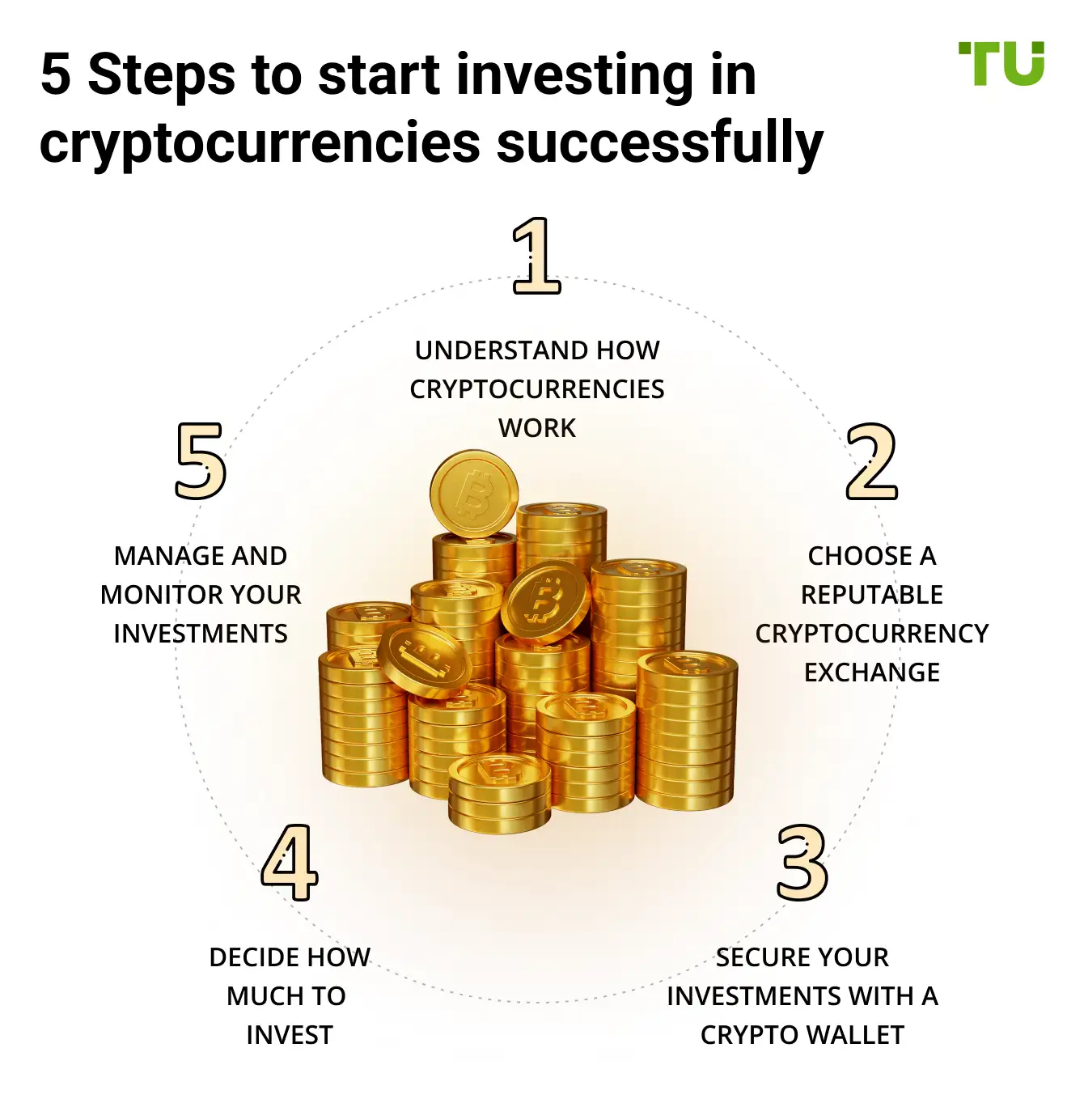
1. Establishing the Foundation: Understanding Crypto as an Asset Class
Before committing capital, an investor must understand the unique characteristics of cryptocurrency within the context of personal finance. Unlike stocks, which represent equity in a company, or bonds, which represent debt, cryptocurrencies often function as digital commodities, utility tokens, or a store of value.
Assessing Your Risk Tolerance and Allocation
The first rule of crypto investing is rooted in traditional financial wisdom: never invest money you cannot afford to lose. Due to its high volatility, cryptocurrency should typically represent a calculated percentage of your total investment portfolio—often ranging from 1% to 10% depending on your age, income stability, and risk appetite. Because the market can experience 20–50% swings in a single week, your “Money” strategy must account for the psychological and financial impact of these fluctuations.
Differentiating Between Bitcoin and Altcoins
In the world of finance, Bitcoin is frequently referred to as “Digital Gold.” Its primary value proposition is its finite supply and its role as a hedge against fiat currency devaluation. On the other hand, “Altcoins” (Alternative Coins) like Ethereum or Solana offer different value drivers, such as smart contract functionality or decentralized finance (DeFi) ecosystems. From an investment standpoint, Bitcoin is generally considered the “blue-chip” asset of the space, while altcoins offer higher growth potential accompanied by significantly higher risk.
2. The Infrastructure of Investing: Exchanges and Custody
Once you have determined your budget, the next step is choosing the financial tools and platforms required to execute your trades and secure your assets. In the “Money” niche, the efficiency of your on-ramp and the security of your holdings are paramount.
Selecting a Reliable Cryptocurrency Exchange
A cryptocurrency exchange is the primary marketplace where you swap fiat currency (like USD or EUR) for digital assets. For a professional investor, the choice of exchange should be based on three factors: regulatory compliance, fee structures, and liquidity.
- Centralized Exchanges (CEXs): Platforms like Coinbase or Kraken offer user-friendly interfaces and high liquidity, making them ideal for beginners. They function similarly to traditional brokerage accounts.
- Transaction Costs: Be mindful of “spreads” and trading fees. Over time, high fees can erode your investment returns, so it is vital to choose a platform that aligns with your trading frequency.
Understanding Custody: Hot vs. Cold Storage
In traditional banking, the institution secures your funds. In cryptocurrency, the responsibility often falls on the investor. This introduces the concept of “Self-Custody.”
- Hot Wallets: These are software-based applications connected to the internet. They are convenient for frequent trading but are more susceptible to hacking.
- Cold Storage: These are hardware devices (similar to USB drives) that keep your private keys offline. For long-term “Buy and Hold” strategies, cold storage is the gold standard for protecting your capital from digital theft.
3. Developing a Strategic Investment Methodology
Successful investing is rarely about “timing the market”; rather, it is about “time in the market.” To mitigate the risks of volatility, investors should employ proven financial frameworks.
The Power of Dollar-Cost Averaging (DCA)
Dollar-cost averaging is a strategy where an investor invests a fixed amount of money at regular intervals, regardless of the asset’s price. For example, instead of investing $10,000 at once, you might invest $500 every two weeks. This approach smooths out the purchase price over time, reducing the risk of making a large entry at a market peak. In the volatile crypto market, DCA is often the most effective way for long-term investors to build a position without the stress of daily price swings.
Diversification Within the Crypto Sector
Just as a stock portfolio should not consist of a single sector, a crypto portfolio should be diversified. A balanced approach might involve:
- Core Holdings: A large percentage in Bitcoin and Ethereum for stability.
- Growth Assets: A smaller percentage in mid-cap projects with specific use cases (e.g., Oracles, Layer 2 scaling solutions).
- Speculative Plays: A very small “play money” allocation for micro-cap tokens with high upside potential.
By diversifying, you ensure that your entire portfolio isn’t dependent on the success of a single protocol.
Rebalancing and Profit Taking
A common mistake in crypto investing is failing to realize gains. Because assets can appreciate 100% or more in a short period, your portfolio can become “overweight” in crypto. Professional financial management requires periodic rebalancing—selling a portion of your crypto gains to move them back into more stable assets like index funds or high-yield savings accounts. This locks in wealth and maintains your intended risk profile.
4. Regulatory Compliance and Tax Implications
As cryptocurrency moves into the mainstream, it is increasingly subject to the scrutiny of financial regulators and tax authorities. Understanding these obligations is a critical component of professional money management.
Navigating Crypto Taxation
In many jurisdictions, including the United States, cryptocurrencies are treated as property for tax purposes. This means every “taxable event”—such as selling crypto for fiat, trading one crypto for another, or using crypto to buy a service—triggers a capital gains tax.
- Short-term vs. Long-term Gains: Assets held for more than a year often qualify for lower tax rates.
- Record Keeping: Investors must maintain meticulous records of their “cost basis” (the price at which they bought the asset). Utilizing specialized crypto tax software can help automate this process and ensure compliance with the IRS or relevant local authorities.
Staying Informed on Regulatory Shifts
The “Money” aspect of crypto is heavily influenced by government policy. Developments such as the approval of Spot Bitcoin ETFs (Exchange-Traded Funds) have made it easier for traditional investors to gain exposure through their 401(k)s or IRAs. However, ongoing lawsuits or new legislation regarding stablecoins and decentralized exchanges can impact market liquidity. A sophisticated investor stays informed on these macro trends to anticipate market shifts.
5. Long-Term Wealth Preservation and Security
The final stage of crypto investing is moving from wealth accumulation to wealth preservation. This requires a shift in mindset toward security and legacy planning.
Protecting Against Scams and Social Engineering
The decentralized nature of crypto means there is no “undo” button for transactions. Investors must be hyper-aware of phishing attempts, fraudulent “Initial Coin Offerings” (ICOs), and “rug pulls” (where developers abandon a project after taking investor funds). Principles of digital hygiene—such as using two-factor authentication (2FA) via hardware keys rather than SMS—are essential financial safeguards.
Integrating Crypto into Estate Planning
As digital assets become a larger part of an individual’s net worth, they must be included in estate planning. If an investor passes away without sharing their private keys or recovery phrases with their heirs, those assets may be lost forever. Using “multi-signature” wallets or specialized digital inheritance services ensures that your crypto wealth can be passed down to future generations securely and legally.

Conclusion
Investing in cryptocurrency is no longer a fringe activity; it is a sophisticated financial endeavor that requires a blend of traditional investment discipline and modern technical awareness. By focusing on asset allocation, utilizing secure infrastructure, employing strategies like DCA, and remaining vigilant about taxes and security, you can effectively integrate digital assets into your financial life.
The goal of crypto investing should not be to “get rich quick,” but to participate in the growth of a new financial layer of the internet. With a professional and cautious approach, cryptocurrency can serve as a powerful engine for long-term wealth creation and a vital hedge against the limitations of the traditional financial system.
aViewFromTheCave is a participant in the Amazon Services LLC Associates Program, an affiliate advertising program designed to provide a means for sites to earn advertising fees by advertising and linking to Amazon.com. Amazon, the Amazon logo, AmazonSupply, and the AmazonSupply logo are trademarks of Amazon.com, Inc. or its affiliates. As an Amazon Associate we earn affiliate commissions from qualifying purchases.