
In the ever-evolving landscape of technology, the ability to adapt and innovate is paramount. One such innovation that has gained significant traction for its versatility and practicality is the ability to install and run Windows directly from a USB flash drive. This isn’t just about creating a bootable installer; it’s about having a portable, fully functional Windows operating system that you can carry with you and use on virtually any compatible computer. This capability opens up a world of possibilities, from troubleshooting and data recovery to running specific software environments or even having your personal Windows setup on the go.
The allure of a portable Windows installation lies in its freedom from the constraints of a single machine. Imagine being able to boot into your familiar Windows environment on a friend’s computer, a public terminal, or even a machine you’re repairing, without leaving any trace of your presence or altering the host system. This is precisely the power that installing Windows to a flash drive bestows. It’s a testament to how technology continues to democratize access and empower users with greater control over their digital lives.
This guide will delve deep into the process of creating a portable Windows installation on a USB flash drive. We’ll explore the necessary prerequisites, the most effective methods, and crucial considerations to ensure a smooth and successful setup. Whether you’re a seasoned IT professional looking for a powerful diagnostic tool, a student needing a consistent computing environment across different devices, or simply a tech enthusiast eager to explore new possibilities, this tutorial is designed to equip you with the knowledge and confidence to achieve your goal.
Understanding the Essentials: What You’ll Need
Before embarking on the journey of installing Windows to a flash drive, it’s crucial to gather the right tools and understand the fundamental requirements. This preparation phase is key to a streamlined and successful installation process, minimizing potential hiccups and ensuring you have everything you need at your fingertips.
The Crucial Hardware: USB Flash Drives and Their Specifications
The cornerstone of this endeavor is your USB flash drive. Not all flash drives are created equal, and selecting the right one is paramount for performance and reliability.
Capacity: More is Merrier (and Necessary)
The first and most critical specification is capacity. Installing a full Windows operating system, along with any necessary updates and potential applications you might want to install later, requires a substantial amount of space. A barebones Windows installation can easily exceed 20GB, and that’s before you even consider installing any software or updates.
- Minimum Recommended: For a basic Windows 10 or Windows 11 installation, aim for a 64GB USB flash drive at a minimum. This will provide enough space for the operating system files and a small buffer for essential updates.
- Ideal for Portability: If you plan to install applications, store files, or have a more robust portable environment, a 128GB or even a 256GB flash drive is highly recommended. This offers much greater flexibility and longevity for your portable Windows installation.
- Avoid Smaller Drives: Drives smaller than 32GB are generally not viable for a full Windows installation. They will likely lead to insufficient space errors during the process or render the drive unusable for practical purposes once the OS is installed.
Speed: The Bottleneck to Your Workflow
Beyond capacity, the speed of your USB flash drive is a critical factor that directly impacts the performance of your portable Windows installation. When you boot and run an operating system from a flash drive, the read and write speeds of the drive become the bottleneck for almost every operation – from booting up to launching applications and saving files.
- USB 3.0 / 3.1 / 3.2: For a reasonably performant experience, you must use a USB 3.0 (or its successors like 3.1 or 3.2) flash drive. These interfaces offer significantly higher transfer speeds compared to USB 2.0.
- NVMe or High-Speed SATA-based USB Drives: For the best possible performance, consider using an external SSD enclosure with a fast NVMe or SATA SSD connected via USB 3.1 Gen 2 or USB 3.2. While this is a more expensive option, it will provide an experience that closely rivals a traditional internal hard drive or SSD.
- Avoid USB 2.0: Using a USB 2.0 flash drive for a portable Windows installation will result in an extremely slow and frustrating experience. Boot times can be measured in minutes, applications will take an age to load, and general usage will feel sluggish and unresponsive. It’s not recommended for this purpose.
Reliability and Brand Reputation
When dealing with operating systems and sensitive data, reliability is paramount. Choose a reputable brand known for producing durable and dependable flash drives. Cheap, unbranded drives are more prone to failure, data corruption, and can even pose a security risk if they contain malicious firmware. Investing in a quality drive from a well-known manufacturer will save you potential headaches and data loss in the long run.
The Digital Foundation: Windows ISO Image and Licensing
To install Windows, you need the installation media itself – the digital blueprint of the operating system.
Obtaining a Genuine Windows ISO Image
You’ll need a legitimate Windows ISO (International Organization for Standardization) image file. This is a single file that contains all the files necessary to install a particular version of Windows.
- Microsoft’s Official Download Tool: The most straightforward and legitimate way to obtain an ISO for Windows 10 and Windows 11 is by using Microsoft’s Media Creation Tool. You can download this tool directly from the official Microsoft website. It allows you to either create installation media on a USB drive (which we’ll be modifying) or download an ISO file that you can then use with other tools.
- Volume Licensing Service Center (VLSC) or MSDN: If you are an enterprise customer or a developer with access to Microsoft’s Volume Licensing or MSDN subscriptions, you can download ISO images from their respective portals.
- Important Note on Licensing: While this guide focuses on the technical process of installation, remember that running Windows requires a valid product key and license. Ensure you have the necessary licensing for the version of Windows you intend to install. Using unlicensed software is illegal and unethical.
Understanding Windows Editions and Architecture (32-bit vs. 64-bit)
You’ll need to decide which edition and architecture of Windows you want to install.
- Editions: Common editions include Windows 10 Home, Pro, Enterprise, and Education, as well as Windows 11 Home and Pro. Your choice might depend on your licensing, intended use, and desired features. For a portable installation, Windows 10 Pro or Windows 11 Pro often offers a good balance of features and compatibility.
- Architecture: You’ll need to choose between 32-bit (x86) and 64-bit (x64). Modern computers almost exclusively use 64-bit processors, and 64-bit versions of Windows can utilize more RAM and run more demanding applications. Unless you have a very specific reason to install a 32-bit version (e.g., for compatibility with ancient hardware), always opt for the 64-bit version. Ensure your target computers also support 64-bit operating systems.
The Software Toolkit: Utilities for the Transformation
Beyond the hardware and the OS itself, you’ll need specific software tools to prepare the flash drive and install Windows onto it. The traditional method of simply copying files won’t work for a bootable, fully functional OS.
- Rufus: This is a highly popular, free, and open-source utility that is indispensable for creating bootable USB drives. Rufus is known for its speed, flexibility, and ease of use. It can handle various bootable formats, including Windows installations, and offers advanced options for creating persistent storage and customizing the installation.
- Windows To Go Creation Tool (if applicable/available): Historically, Microsoft offered a feature called “Windows To Go” which was specifically designed for creating bootable Windows installations on USB drives. While this feature has been largely deprecated in newer Windows versions, its underlying principles are what we aim to replicate. Some third-party tools may still incorporate similar functionalities.
- Diskpart (Built-in Windows Tool): This command-line utility is part of Windows and is essential for advanced disk management, including partitioning and formatting drives. We might use it in conjunction with other tools or for manual preparation of the USB drive.
- Imagex or DISM (Deployment Image Servicing and Management): These are powerful command-line tools used for capturing, servicing, and applying Windows image files (.wim). They are crucial for more advanced or customized installations, allowing for greater control over the Windows image.
Crafting Your Portable Windows Environment: Step-by-Step Installation
With the essential hardware and software in hand, we can now proceed with the actual installation process. This section will guide you through the most effective methods for creating a fully functional Windows environment on your USB flash drive. We’ll focus on a method that allows for a robust and persistent installation, not just a bootable installer.
Method 1: Leveraging Rufus for a Seamless Installation
Rufus is widely considered one of the most user-friendly and effective tools for creating bootable USB drives, and it excels at preparing drives for portable Windows installations.
Preparing the USB Drive with Rufus
- Download and Launch Rufus: If you haven’t already, download the latest version of Rufus from its official website. Run the executable file.
- Select Your USB Drive: In Rufus, under the “Device” dropdown, select your target USB flash drive. Double-check that you have selected the correct drive, as all data on it will be erased.
- Select the Windows ISO: Click the “SELECT” button next to “Boot selection” and navigate to the Windows ISO file you downloaded earlier.
- Configure Partition Scheme and Target System:
- Partition scheme: For modern systems, select GPT (GUID Partition Table). If you need to support older BIOS-based systems, you might need to select MBR.
- Target system: This will usually default to UEFI (non CSM) when GPT is selected. If you chose MBR, you might need to select BIOS (or UEFI-CSM). It’s generally recommended to stick with UEFI for newer hardware.
- Advanced Format Options (Crucial for Portable Windows): This is where Rufus shines. Look for options related to “Image Option” or similar.
- Windows To Go: If Rufus explicitly offers a “Windows To Go” option or a similar setting that indicates creating a portable Windows installation (rather than just a bootable installer), select it. This typically pre-configures the drive for this purpose.
- Persistent storage: Some versions of Rufus or specific settings might allow you to allocate a portion of the drive for persistent storage. This means that any changes you make, applications you install, and files you save will be retained between reboots. This is essential for a true portable OS.
- Volume Label: You can assign a descriptive name to your USB drive, like “Portable Win11” or “My Windows Drive.”
- File System and Cluster Size: Rufus usually selects appropriate defaults (e.g., NTFS for the file system). It’s generally best to leave these at their recommended settings unless you have a specific reason to change them.
- Start the Process: Click the “START” button. Rufus will likely present you with a warning that all data on the USB drive will be destroyed. Confirm to proceed.
Rufus will now format the drive and begin copying the Windows installation files, making the necessary modifications to ensure it’s bootable and functional as a portable OS. This process can take a considerable amount of time, depending on the speed of your USB drive and the size of the ISO.
Booting from Your Portable Windows USB
Once Rufus has completed its task, you’ll have a bootable USB drive containing your portable Windows installation.
- Insert the USB Drive: Plug your prepared USB flash drive into the computer you wish to boot from.
- Access the Boot Menu: You’ll need to access your computer’s boot menu or BIOS/UEFI settings. The key to do this varies by manufacturer, but common keys include
F2,F10,F12,Del, orEscpressed immediately after powering on the computer. - Select the USB Drive: In the boot menu, select your USB flash drive as the boot device. It might be listed by its manufacturer name or simply as “USB HDD” or “UEFI USB Device.”
- Initial Windows Setup: The computer will now boot from the USB drive, and you’ll begin the standard Windows setup process.
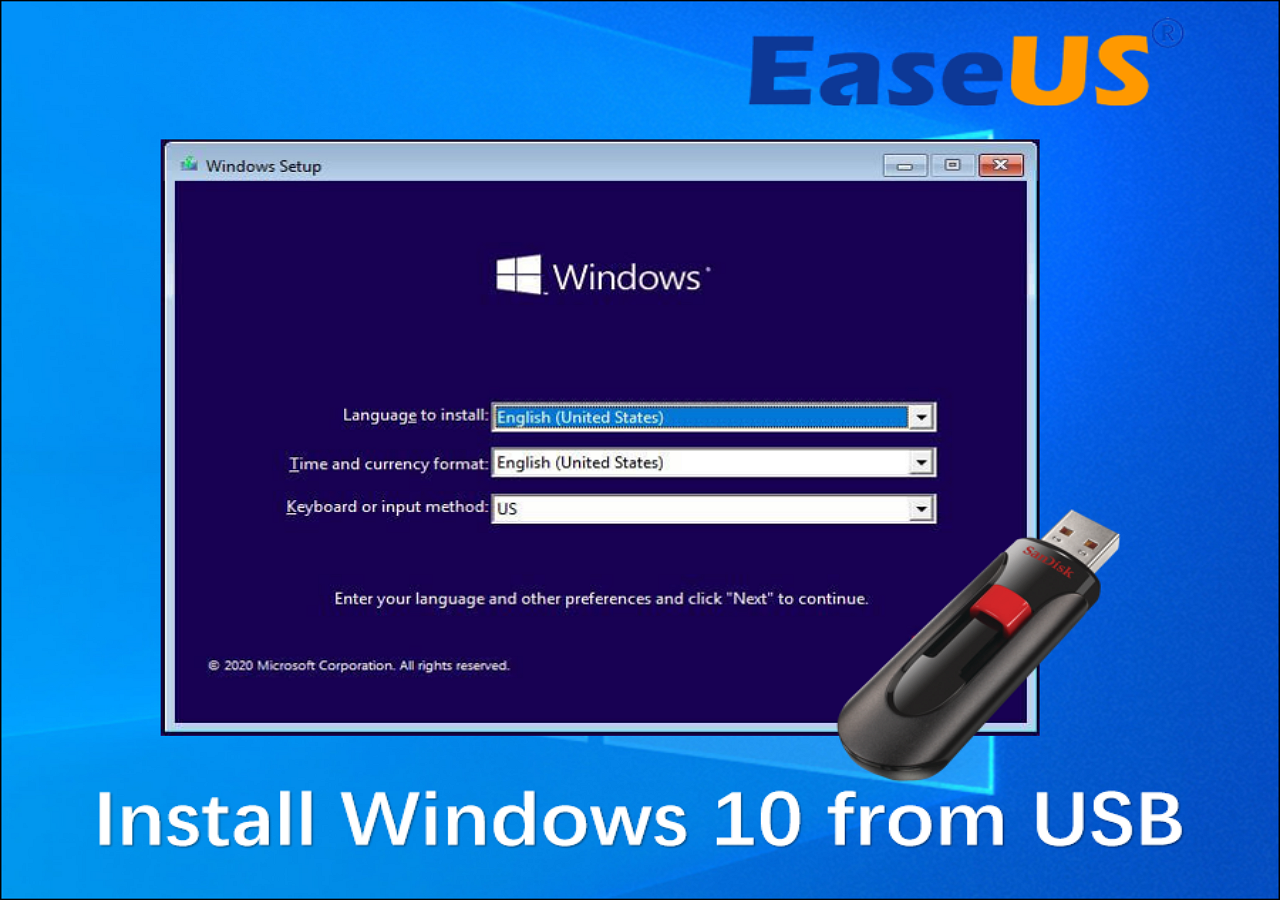
- Language, Time, and Keyboard: Select your preferred settings.
- “Install Now”: Proceed with the installation.
- Product Key: You may be prompted for a product key. If you are setting this up for the first time and don’t have a key handy, you can often select “I don’t have a product key” and activate Windows later.
- Choose Windows Edition: Select the edition of Windows you intend to run (e.g., Windows 10 Pro).
- Accept License Terms: Agree to the terms.
- Crucial Step: Installation Type: This is where it might differ from a standard installation. If you are using a method that supports “Windows To Go” or a similar concept, the installer might recognize the portable nature. If it prompts for “Upgrade” or “Custom (advanced),” you would typically choose “Custom.” However, the Rufus “Windows To Go” option often bypasses this specific prompt during the initial boot, aiming to create a functional install directly.
- Drive Selection: The installer will then show available drives. Be extremely careful here. You want to install Windows onto your USB flash drive, not the internal hard drive of the computer you are currently using. The Rufus method is designed to install directly onto the selected USB drive, so it should be the primary target. If you are unsure, it’s best to disconnect any internal drives of the host computer to prevent accidental installation on them.
- Completing the Installation: Windows will now install onto the USB drive. This will take a significant amount of time. Once the installation is complete, the computer will restart. Ensure it boots back into your portable Windows installation from the USB drive. You will then go through the Out-of-Box Experience (OOBE) for Windows, setting up your user account, privacy settings, etc.
Post-Installation Configuration and Optimization
Once your portable Windows is up and running from the USB drive, a few steps can enhance its usability and performance.
- Install Drivers: While Windows often installs generic drivers, it’s a good idea to install specific drivers for the hardware you’ll most commonly be using the drive on, if possible. However, for a truly portable drive, you might want to stick to generic drivers to maximize compatibility across different machines.
- Install Essential Software: Install any applications you frequently use. Remember that the speed of installation and execution will be limited by your USB drive’s speed.
- Windows Updates: Run Windows Update to ensure your portable OS is up-to-date with the latest security patches and feature updates.
- Optimize for Performance:
- Disable unnecessary startup programs: Use Task Manager to prevent programs from launching automatically when Windows starts.
- Adjust visual effects: In System Properties > Advanced > Performance, you can choose to “Adjust for best performance” to reduce visual flair and improve responsiveness.
- Consider a faster USB port: Always plug your portable drive into the fastest available USB port on the host computer (e.g., USB 3.0 or higher).
Method 2: Using DISM for Advanced Control (More Technical)
For users who want more control over the Windows image or are facing limitations with tools like Rufus, the DISM (Deployment Image Servicing and Management) command-line tool offers a powerful alternative. This method is more technical and involves manually preparing partitions and applying the Windows image.
Manual Partitioning and Formatting
- Open Command Prompt as Administrator: Search for “cmd,” right-click “Command Prompt,” and select “Run as administrator.”
- Launch Diskpart: Type
diskpartand press Enter. - List Disks: Type
list diskand press Enter to identify your USB flash drive by its size. - Select Your USB Disk: Type
select disk X(replaceXwith the number corresponding to your USB drive) and press Enter. Be absolutely certain you have selected the correct disk. - Clean the Disk: Type
cleanand press Enter. This will erase all data and partitions from the USB drive. - Create Primary Partition: Type
create partition primaryand press Enter. - Format the Partition: Type
format fs=ntfs quickand press Enter. NTFS is recommended for Windows installations. - Assign a Drive Letter: Type
assign letter=W(or any available letter) and press Enter. - Exit Diskpart: Type
exitand press Enter.
Applying the Windows Image with DISM
-
Mount the Windows ISO: You can mount the ISO file by double-clicking it in Windows Explorer, which will assign it a drive letter (e.g.,
G:). -
Locate the Install.wim or Install.esd: Navigate to the
sourcesfolder within the mounted ISO. You’ll find either aninstall.wimorinstall.esdfile. The.esdfile is a compressed version, and you might need to convert it to.wimif your DISM version doesn’t directly support it, or use specific DISM commands for.esd. -
Apply the Image: In the administrator Command Prompt, use the following command, replacing
G:with your mounted ISO drive letter,W:with your USB drive letter, andinstall.wim(orinstall.esd) with the correct filename:dism /Apply-Image /ImageFile:G:sourcesinstall.wim /Index:1 /ApplyDir:W:/Index:1usually refers to the primary Windows edition within the WIM file. You might need to check other indices if you want a different edition.
-
Make the Drive Bootable: This is a crucial step that DISM doesn’t fully handle on its own for portable installations. You’ll often need to use
bcdbootto create the boot sector.- Type
bcdboot G:Windows /s W: /f UEFI(replaceG:with your mounted ISO drive letter andW:with your USB drive letter. Use/f BIOSif you formatted for legacy BIOS). This command copies boot files and creates the boot configuration data.
- Type
Finalizing the Installation
After running the DISM and bcdboot commands, you can attempt to boot from the USB drive. The initial boot might present you with the standard Windows setup screens. You’ll then go through the Out-of-Box Experience as described in Method 1.
Note: The DISM method requires a deeper understanding of command-line tools and Windows imaging. Mistakes can lead to an unbootable drive. For most users, the Rufus method is far more straightforward and less error-prone.
Navigating the Nuances: Considerations and Best Practices
Creating and using a portable Windows installation from a flash drive is a powerful capability, but it comes with its own set of considerations and requires adherence to best practices to ensure a smooth, secure, and efficient experience. Understanding these nuances will help you maximize the utility of your portable Windows setup.
Performance Expectations and Limitations
It’s vital to manage your performance expectations. Running an entire operating system from a USB flash drive will never be as fast as running it from an internal SSD or even a high-performance HDD.
- Bottlenecking: The read and write speeds of your USB drive are the primary bottleneck. Even with a fast USB 3.2 drive, operations will be slower than internal storage.
- Wear and Tear: Constant read/write operations can contribute to the wear and tear of a flash drive, potentially reducing its lifespan compared to simply using it for data transfer. High-quality drives are more resilient.
- Host Computer’s USB Port: The speed of the USB port on the computer you’re using also plays a significant role. Always use the fastest available ports (USB 3.0 and above).
- Application Load Times: Expect longer load times for applications and for Windows to boot up.
- Gaming and Heavy Applications: Running demanding applications like modern games or video editing software is generally not recommended and will likely result in a poor user experience due to performance limitations. This setup is best suited for productivity, system administration, troubleshooting, or accessing your familiar computing environment.
Data Persistence and Security
The concept of “persistent storage” is what truly makes a portable Windows installation useful. It means your settings, installed programs, and saved files remain between sessions. However, this also introduces important considerations regarding data security and privacy.
- Keeping Data Safe:
- Backup Regularly: Treat the data on your portable Windows drive with the same importance as data on your main computer. Regularly back up important files to another location.
- Encryption: Consider using BitLocker (available in Windows Pro/Enterprise editions) to encrypt your portable Windows drive. This is crucial if you’re carrying sensitive data. If the drive is lost or stolen, your data will be unreadable without the recovery key or password.
- Secure Your Microsoft Account: If you sign in with a Microsoft account, ensure it’s protected with a strong password and two-factor authentication.
- Leaving No Trace: A portable Windows installation, especially when using methods like “Windows To Go,” is designed to leave minimal traces on the host computer. However, be aware that some system logs might still be generated on the host machine depending on its configuration.
- Malware Concerns: If you frequently use your portable drive on public or untrusted computers, there’s a risk of malware infection. Running antivirus software on your portable installation and being cautious about what you download and install is essential.
Compatibility and Hardware Differences
While Windows is designed for broad hardware compatibility, running it from a USB drive across different computers introduces specific challenges.
- Driver Issues: Each computer has unique hardware components (graphics cards, network adapters, chipsets, etc.). When you boot your portable Windows on a new machine, Windows will attempt to detect and install drivers for that hardware.
- Generic Drivers: For maximum compatibility, it’s often best to rely on Windows’ generic drivers where possible. Avoid installing highly specific, proprietary drivers unless you are dedicating the drive to a specific set of machines.
- Driver Conflicts: In some cases, driver conflicts can occur, leading to system instability or non-functional hardware on the host machine.
- UEFI vs. BIOS: Ensure your USB drive is configured with the appropriate boot mode (UEFI or Legacy BIOS) for the majority of the computers you intend to use it on. Newer systems primarily use UEFI.
- Hardware Limitations of the Host: The performance and functionality of your portable Windows installation will ultimately be limited by the hardware specifications of the host computer. A powerful portable OS will still run slowly on an old, underpowered machine.
- Windows Version and Licensing: Ensure the version of Windows on your USB drive is compatible with the hardware and that you have a valid license for its activation on multiple machines if required by Microsoft’s licensing terms for the specific edition.

Maintaining and Updating Your Portable Windows
Just like any operating system, your portable Windows installation will require maintenance and updates to stay secure and functional.
- Windows Updates: Regularly connect your portable drive to a computer with internet access and run Windows Update. This is critical for security patches.
- Driver Updates (Use with Caution): While it’s tempting to update drivers, be cautious. Updating drivers for a specific piece of hardware on one computer might cause issues when you boot on a different computer. If you aim for maximum cross-compatibility, stick with stable, generic drivers.
- Software Updates: Keep your installed applications updated for security and new features.
- Disk Cleanup: Periodically run Disk Cleanup on your portable drive to remove temporary files and free up space.
- Recreating the Drive: In some cases, if your portable Windows installation becomes heavily corrupted or bogged down with too many changes, it might be more efficient to recreate the drive from scratch using a fresh ISO and a tool like Rufus.
By understanding these considerations and adhering to best practices, you can effectively create, manage, and utilize a powerful portable Windows environment that enhances your productivity and flexibility in the digital realm. This technology empowers you to take your personalized computing experience wherever you go, on your terms.
aViewFromTheCave is a participant in the Amazon Services LLC Associates Program, an affiliate advertising program designed to provide a means for sites to earn advertising fees by advertising and linking to Amazon.com. Amazon, the Amazon logo, AmazonSupply, and the AmazonSupply logo are trademarks of Amazon.com, Inc. or its affiliates. As an Amazon Associate we earn affiliate commissions from qualifying purchases.