
In today’s fast-evolving technological landscape, the ability to efficiently manage and deploy operating systems is a fundamental skill for anyone interacting with computers, from tech enthusiasts to IT professionals. Gone are the days when optical drives were the primary medium for installing Windows. The humble USB pendrive has emerged as the superior, more versatile, and significantly faster alternative for operating system deployment. This guide delves deep into the process of installing Windows from a USB pendrive, offering a step-by-step walkthrough, crucial insights, and troubleshooting tips to ensure a smooth and successful installation. Whether you’re upgrading your system, performing a clean install for optimal performance, or rescuing a troubled machine, understanding this process is invaluable for maintaining a robust and secure digital environment.
The Modern Advantage: Why Install Windows from a USB Pendrive?
The shift from DVD-based installations to USB-based ones isn’t just a matter of convenience; it represents a significant leap in efficiency, portability, and sustainability within the tech ecosystem. For a website dedicated to Technology Trends, Software, and Productivity, highlighting these advantages is key to understanding why this method has become the industry standard.
Speed and Efficiency: A Performance Boost from the Start
USB 3.0 and newer standards boast transfer speeds significantly higher than traditional optical drives. This means the installation files are copied and accessed much faster, drastically reducing the overall time required for Windows setup. For individuals or businesses needing to deploy multiple systems, this time-saving translates directly into increased productivity and reduced downtime. A quicker installation process means you can get back to work, gaming, or creating sooner, maximizing the utility of your tech assets. Furthermore, solid-state drives (SSDs), now common in most modern machines, pair perfectly with USB installations, yielding an incredibly swift and seamless experience.
Portability and Versatility: Your OS Installer, Anywhere
A compact USB pendrive is far more portable and durable than a fragile optical disc. It can be carried in a pocket, attached to a keychain, or stored securely without fear of scratches or damage that could render an installation DVD useless. This makes it an ideal tool for IT support staff, freelance technicians, or even home users who frequently work with different computers. Moreover, many modern laptops and compact desktop PCs are ditching optical drives entirely, making a USB installer the only viable option for clean installations or system repairs. Its versatility extends to reusability; unlike a burned DVD, a bootable USB can be formatted and repurposed countless times for different Windows versions or other operating systems, embodying a smart and sustainable tech practice.
Essential Pre-Installation Checklist: Laying the Groundwork for Success
Before embarking on the Windows installation journey, a thorough preparation phase is paramount. Skipping these preliminary steps can lead to data loss, frustrating errors, or a compromised installation. This checklist ensures you have all the necessary components and safeguards in place.
1. Backup Your Data:
This cannot be stressed enough. A clean Windows installation involves formatting the primary drive, which will erase all existing data. Prioritize backing up all critical documents, photos, videos, and any other important files to an external hard drive, cloud storage (like OneDrive, Google Drive, or Dropbox), or another secure location. For businesses, this might involve network backups or specific data migration strategies. This step is your ultimate digital security net.
2. Obtain a Windows ISO File:
The “ISO” file is a complete disc image of the Windows operating system. You can legally download this directly from Microsoft’s official website. For Windows 10/11, the Windows Media Creation Tool (which we’ll discuss shortly) often handles this download automatically. Ensure you download the correct version (Home, Pro, Enterprise) and architecture (32-bit or 64-bit) for your system and product key.
3. Prepare a USB Pendrive:
You’ll need a USB flash drive with at least 8GB of storage for Windows 10/11. For optimal performance, a USB 3.0 drive is recommended, especially if your computer has USB 3.0 ports. Crucially, this drive will be formatted during the bootable media creation process, so ensure it contains no important data or back up anything you wish to keep before proceeding.
4. Secure Your Windows Product Key:
If you’re performing a fresh installation on a new machine, you’ll need your product key to activate Windows. If you’re reinstalling Windows on a machine that previously had an activated digital license tied to your Microsoft account, Windows should activate automatically once connected to the internet. However, having your product key handy is always a good practice. It’s often found on a sticker on your PC, in your purchase confirmation email, or within your Microsoft account.
5. Note Down Essential Drivers:
While Windows often includes generic drivers for basic functionality, it’s wise to download critical drivers (especially for network adapters, Wi-Fi, and graphics cards) beforehand, if possible. Save them to a separate USB drive or an external storage device. This way, if your new Windows installation doesn’t immediately recognize your internet hardware, you can still get online to download the rest of the necessary updates and drivers. Visit your motherboard or laptop manufacturer’s support website for the latest drivers.
6. Ensure a Stable Power Supply:
For desktop PCs, ensure the power cable is securely connected. For laptops, make sure the battery is fully charged and the power adapter is plugged in throughout the entire installation process. An unexpected power loss during installation can corrupt your system, necessitating a restart of the entire process.
By diligently following this pre-installation checklist, you significantly minimize potential issues and pave the way for a smooth and successful Windows installation, optimizing your tech productivity from the outset.
Crafting Your Bootable USB: Tools and Techniques
The core of installing Windows from a pendrive lies in creating a “bootable” USB drive. This involves transferring the Windows installation files onto the USB in a specific way that allows your computer to boot directly from it, rather than its internal hard drive. There are two primary, reliable methods for achieving this, each with its own advantages.
Utilizing the Windows Media Creation Tool (Official Microsoft Approach)
For most users, especially those using Windows 10 or 11, the official Windows Media Creation Tool is the simplest and most recommended method. It’s a free utility provided by Microsoft that automates the process of downloading the Windows ISO and writing it to a USB drive, ensuring compatibility and ease of use.
Steps:
- Download the Tool: Navigate to the official Microsoft website for Windows 10 or Windows 11 download. Locate and download the “Download tool now” button.
- Run the Tool: Double-click the downloaded
MediaCreationTool.exefile. Accept the license terms when prompted. - Choose “Create installation media”: Select the option “Create installation media (USB flash drive, DVD, or ISO file) for another PC” and click “Next.”
- Select Language, Architecture, and Edition: The tool will often recommend options based on your current PC. You can uncheck “Use recommended options for this PC” if you need to create media for a different system configuration (e.g., 32-bit instead of 64-bit). Click “Next.”
- Choose USB Flash Drive: Select “USB flash drive” as the media type you want to use and click “Next.”
- Select Your USB Drive: The tool will list available USB drives. Carefully select the correct USB pendrive you prepared earlier. Double-check this step to avoid accidentally formatting the wrong drive. Click “Next.”
- Download and Create: The tool will now download the Windows ISO file and then write it to your selected USB drive. This process can take a significant amount of time depending on your internet speed and the speed of your USB drive. Do not remove the USB drive or shut down your computer during this stage.
- Finish: Once completed, you’ll see a “Your USB flash drive is ready” message. Click “Finish.” Your bootable Windows USB is now ready.
The Power of Rufus for Advanced Users
Rufus is a popular, open-source utility that offers more advanced options and greater control over the bootable USB creation process. It’s often preferred by users who need to customize boot settings, handle specific partition schemes (MBR vs. GPT), or work with non-standard ISOs. Rufus is known for its speed and efficiency in creating bootable drives.
Steps:
- Download Rufus: Go to the official Rufus website (
rufus.ie) and download the latest portable version. - Download Windows ISO: If you haven’t already, download the Windows ISO file directly from Microsoft’s website. You’ll need the ISO file saved on your computer.
- Run Rufus: Double-click the downloaded Rufus executable. You might need to grant administrative permissions.
- Select Your USB Drive: Under “Device,” select your target USB pendrive from the dropdown menu. Again, be extremely careful to select the correct drive.
- Select Boot Selection: Click the “SELECT” button next to “Boot selection” and browse to the location where you saved your Windows ISO file. Select the ISO file.
- Image Option: For most standard Windows installations, leave this as “Standard Windows installation.”
- Partition Scheme and Target System: This is where Rufus offers more control.
- Partition Scheme:
- GPT (GUID Partition Table): Recommended for newer computers (usually those from 2010 onwards) with UEFI firmware. This is the modern standard.
- MBR (Master Boot Record): For older computers with traditional BIOS firmware, or for systems that require legacy boot compatibility.
- Target system: Usually, Rufus will auto-select this based on your partition scheme (UEFI or BIOS (or UEFI-CSM)). If unsure, GPT/UEFI is generally the safer bet for modern machines.
- Tip: If you’re creating media for a PC you already own, you can check its current partition style by opening Disk Management (search “Disk Management” in Windows), right-clicking on your main drive, going to “Properties,” then “Volumes,” and looking at “Partition style.”
- Partition Scheme:
- Volume Label and File System: You can leave the “Volume label” as default or change it. The “File system” will typically be NTFS for Windows installation media; leave it as suggested by Rufus.
- Start the Process: Click the “START” button. Rufus will warn you that all data on the USB drive will be destroyed. Confirm by clicking “OK.”
- Wait for Completion: Rufus will now create the bootable USB drive. This process is usually faster than the Media Creation Tool. Once the status bar turns green and says “READY,” you can close Rufus. Your bootable USB is now prepared.

Both methods effectively create a bootable Windows USB, empowering you with the tools to reinstall or upgrade your operating system efficiently. Choosing between them depends on your comfort level with advanced options and your specific needs.
Navigating the Installation Process: A Step-by-Step Guide
With your bootable USB drive ready, the next phase involves booting your computer from this drive and guiding Windows through its installation wizard. This is where you configure your system’s foundation.
Booting from Your USB Drive: Accessing BIOS/UEFI
The first crucial step is to instruct your computer to start from the USB drive instead of its internal hard drive. This is done by accessing your computer’s BIOS (Basic Input/Output System) or UEFI (Unified Extensible Firmware Interface) settings.
Steps:
- Insert the USB Drive: Make sure your bootable Windows USB drive is plugged into an available USB port on your computer.
- Restart Your Computer: Initiate a restart.
- Access BIOS/UEFI Setup or Boot Menu: As your computer starts up (usually within the first few seconds), repeatedly press the designated key to enter the BIOS/UEFI setup or the Boot Menu.
- Common Keys: These keys vary by manufacturer but are often:
F2,Delete,F10,F12,Esc. Look for a prompt on the screen during startup, such as “Press DEL to enter Setup” or “Press F12 for Boot Menu.” - Boot Menu vs. BIOS/UEFI Setup:
- Boot Menu: This is generally easier. It allows you to select a boot device for the current startup without permanently changing boot order settings. Look for an option that lists your USB drive (it might appear with its brand name or as “USB HDD”).
- BIOS/UEFI Setup: If a Boot Menu isn’t available or doesn’t work, you’ll need to enter the full BIOS/UEFI setup. Navigate to the “Boot” tab or section (it might be under “Advanced” or “Startup”). Here, you’ll find “Boot Order” or “Boot Priority.” Move your USB drive to the top of the list, above your hard drive/SSD.
- Common Keys: These keys vary by manufacturer but are often:
- Save and Exit: Once you’ve selected the USB drive to boot from or changed the boot order, save your changes (often
F10for “Save and Exit”) and exit the BIOS/UEFI. - Start Windows Setup: Your computer should now restart and boot directly from the USB drive, displaying the Windows setup screen. If it boots to your existing OS, repeat the steps, trying a different key or checking your BIOS settings again.
The Windows Setup Wizard: Configuration and Partitioning
Once you’ve successfully booted from the USB, the intuitive Windows Setup wizard will guide you through the remaining steps.
Steps:
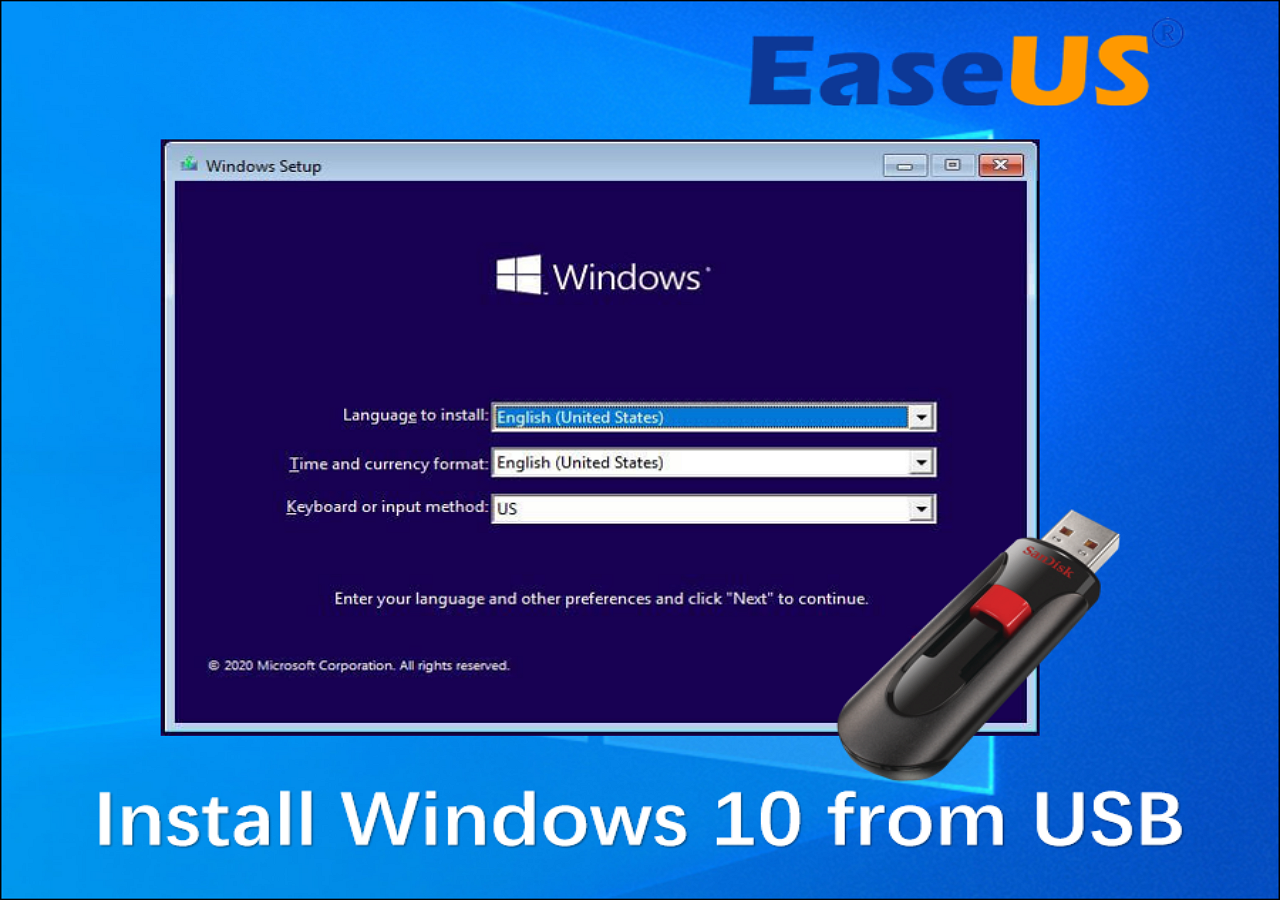
- Language, Time, and Keyboard: On the first screen, select your preferred language, time and currency format, and keyboard or input method. Click “Next.”
- Install Now: Click the “Install now” button in the center of the screen.
- Product Key (Optional): If you have a product key, enter it here. If you’re reinstalling Windows on a machine that had a digital license or if you plan to activate later, you can click “I don’t have a product key” and proceed.
- Choose Operating System: If your ISO contains multiple versions of Windows (e.g., Home and Pro), select the edition you have a license for or wish to install. Click “Next.”
- License Terms: Read through the Microsoft Software License Terms and check the “I accept the license terms” box. Click “Next.”
- Type of Installation: This is a crucial choice:
- Upgrade: Install Windows and keep files, settings, and applications: This option is for upgrading an existing version of Windows while attempting to retain your files. It’s generally not recommended for a “clean” install.
- Custom: Install Windows only (advanced): This is the option you want for a fresh, clean installation, which typically leads to better performance. Select this.
- Partitioning Your Drive: This is the most critical step for data management and system organization.
- You will see a list of drives and partitions. For a clean install, it’s generally best to delete all existing partitions on the drive where you intend to install Windows (e.g., “Drive 0”). Select each partition associated with your target drive (e.g., “Drive 0 Partition 1,” “Drive 0 Partition 2,” etc.) and click “Delete.”
- Once all partitions are deleted, you’ll have “Drive 0 Unallocated Space.” Select this unallocated space and click “Next.” Windows will automatically create the necessary system partitions and begin the installation.
- Advanced User Tip: If you wish to create separate partitions for your operating system and data, select the “Unallocated Space,” click “New,” specify the size for your OS partition (e.g., 200GB for Windows and programs), click “Apply,” and then select the remaining unallocated space to create another partition for your data.
- Windows Installation: Windows will now begin copying files, getting features ready, installing updates, and finishing up. Your computer will restart several times during this process. Do not remove the USB drive until Windows indicates it’s safe to do so or until you see the initial setup screens.
Completing the Installation and Initial Setup
After the installation process finishes and your computer restarts for the final time, you’ll be greeted with the Out-of-Box Experience (OOBE) to personalize your Windows setup.
Steps:
- Region Selection: Choose your country or region.
- Keyboard Layout: Select your preferred keyboard layout. You can add a second layout if needed.
- Network Connection: Connect to a Wi-Fi network or plug in an Ethernet cable. An internet connection is often required for updates and Microsoft account setup.
- Sign in with Microsoft Account or Create Local Account:
- Microsoft Account (Recommended): Enter your Microsoft account email and password. This links your Windows license, syncs settings, and provides access to cloud services like OneDrive.
- Local Account (Alternative): If you prefer not to use a Microsoft account, you might find an option like “Offline account” or “Skip for now” to create a local user profile. This option is sometimes hidden or less prominent.
- PIN Creation: Set up a PIN for faster and more secure sign-ins.
- Privacy Settings: Review and configure your privacy settings (e.g., location, diagnostic data, tailored experiences). Adjust these according to your preferences for digital security and data control.
- Cortana Setup: Decide whether to enable or disable Cortana, Microsoft’s virtual assistant.
- Final Touches: Windows will go through some final preparation steps. Soon, you’ll arrive at your brand-new Windows desktop.
Congratulations! You have successfully installed Windows from a USB pendrive. The foundational elements of your digital environment are now in place, ready for customization and productivity.
Post-Installation Essentials and Troubleshooting Tips
A fresh Windows installation is just the beginning. To ensure optimal performance, security, and a seamless user experience, several post-installation steps are crucial. Furthermore, knowing how to address common issues can save you significant time and frustration.
Driver Installation and System Updates: The First Steps
After landing on your new Windows desktop, your immediate priority should be to ensure all hardware components are recognized and functioning correctly, and that your system is up-to-date with the latest security patches and features.
- Run Windows Update:
- Go to
Settings > Update & Security > Windows Update(orSettings > Windows Updatein Windows 11). - Click “Check for updates.” Let Windows download and install all available updates. This process may involve multiple restarts. Windows Update is intelligent and often finds and installs many necessary drivers automatically, especially for common hardware.
- Go to
- Install Essential Drivers:
- While Windows Update is good, it might not always provide the absolute latest or most optimized drivers for specialized hardware (e.g., high-end graphics cards, certain motherboard chipsets, or specific peripherals).
- Graphics Card Drivers: If you have a dedicated NVIDIA, AMD, or Intel graphics card, visit the manufacturer’s website to download and install the latest drivers. These are crucial for gaming performance, video editing, and overall display quality.
- Motherboard Chipset Drivers: Visit your motherboard manufacturer’s website (for desktops) or laptop manufacturer’s support page. Download and install drivers for your chipset, audio, network adapter (if not already working), and any other integrated components.
- Peripherals: Install drivers for any specific printers, scanners, or other external devices that require them.
- Install Antivirus/Security Software: While Windows Defender provides baseline protection, consider installing a reputable third-party antivirus solution if you prefer one. Ensure it’s up-to-date to protect your fresh system from malware and digital threats.
- Install Essential Applications: Begin installing your frequently used software, such as web browsers (Chrome, Firefox, Edge), office suites (Microsoft Office, LibreOffice), communication tools, and any specialized software you need for work or hobbies.
Common Installation Hurdles and Their Solutions
Even with careful preparation, issues can arise. Here are some common problems and their effective troubleshooting strategies:
- “No Boot Device Found” or “Operating System Not Found”:
- Cause: The computer is not booting from the USB drive.
- Solution: Re-enter BIOS/UEFI settings. Double-check the boot order, ensuring the USB drive is prioritized. Make sure “Legacy Boot” or “CSM” is enabled if you’re using an MBR partition scheme on an older system, or ensure “UEFI Boot” is enabled if using GPT. Secure Boot might need to be temporarily disabled in UEFI settings for some older USB creation methods.
- “Windows cannot be installed to this disk” during partitioning:
- Cause: This usually occurs due to an incompatibility between the partition scheme (MBR/GPT) of the target drive and the boot mode (BIOS/UEFI) you’re using. For example, trying to install Windows to an MBR disk while booting in UEFI mode, or vice-versa.
- Solution:
- If booting in UEFI mode (recommended for modern systems): The drive must be GPT. If it’s MBR, you’ll need to convert it. During the installation’s partitioning step, delete all partitions on the target drive until it’s “Unallocated Space.” Then, open the command prompt by pressing
Shift + F10. Typediskpart, thenlist disk, thenselect disk X(replace X with the number of your target drive), thenclean, and finallyconvert gpt. Close the command prompt and refresh the drive list in the installer. - If booting in Legacy BIOS mode: The drive must be MBR. If it’s GPT, use
convert mbrinstead ofconvert gptindiskpart.
- If booting in UEFI mode (recommended for modern systems): The drive must be GPT. If it’s MBR, you’ll need to convert it. During the installation’s partitioning step, delete all partitions on the target drive until it’s “Unallocated Space.” Then, open the command prompt by pressing
- Blue Screen of Death (BSOD) during or after installation:
- Cause: Often indicates a driver incompatibility, faulty hardware (RAM, hard drive), or corrupted installation media.
- Solution:
- Corrupted Media: Recreate the bootable USB drive using the Media Creation Tool or Rufus, ensuring a good ISO download.
- Hardware Issues: Run memory diagnostics (Windows Memory Diagnostic Tool or MemTest86). If you suspect the hard drive, use manufacturer diagnostics. Try installing with minimal hardware connected (e.g., one RAM stick, no extra peripherals).
- Driver Issues: If BSOD occurs after first boot, try booting into Safe Mode (press F8 or Shift+F8 during startup, though this is harder in Windows 10/11) to roll back or uninstall recent drivers.
- Slow Installation or System Performance:
- Cause: Slow USB drive, slow target drive, or insufficient system resources.
- Solution: Use a faster USB 3.0 drive if available. Ensure your target drive (SSD vs. HDD) meets performance expectations. Check your CPU and RAM usage. Ensure all drivers are installed.
- Windows activation issues:
- Cause: Incorrect product key, issues with digital license, or no internet connection during activation.
- Solution: Double-check your product key. Ensure your computer is connected to the internet. If you have a digital license tied to your Microsoft account, sign in with that account. For persistent issues, use the built-in Activation Troubleshooter or contact Microsoft Support.
By understanding these potential pitfalls and their solutions, you can approach the Windows installation process with confidence, ensuring not just a successful setup but also the knowledge to troubleshoot effectively. This proactive approach reinforces digital security and keeps your tech environment running smoothly, aligning perfectly with the principles of productivity and robust technology management.

Conclusion: Empowering Your Digital Environment
Installing Windows from a USB pendrive is a fundamental skill in the modern computing landscape, offering unparalleled advantages in speed, portability, and efficiency over traditional methods. From the meticulous preparation of your bootable media to navigating the intricacies of partitioning and securing your system with post-installation updates, each step contributes to creating a stable, secure, and high-performing digital environment.
This comprehensive guide, tailored for anyone seeking to master their tech, underscores the importance of a clean, optimized Windows installation for enhanced productivity, system reliability, and overall digital security. Whether you are a dedicated tech enthusiast maintaining personal machines, a professional managing corporate systems, or an individual simply aiming for peak computer performance, the ability to reinstall and configure Windows from a USB drive empowers you to take full control of your computing experience. Embrace this modern approach, and unlock the full potential of your hardware, ensuring your systems are always running at their best, ready for the challenges and opportunities of the digital world.
aViewFromTheCave is a participant in the Amazon Services LLC Associates Program, an affiliate advertising program designed to provide a means for sites to earn advertising fees by advertising and linking to Amazon.com. Amazon, the Amazon logo, AmazonSupply, and the AmazonSupply logo are trademarks of Amazon.com, Inc. or its affiliates. As an Amazon Associate we earn affiliate commissions from qualifying purchases.