
In the ever-evolving landscape of technology, operating systems are the foundation upon which our digital lives are built. While pre-installed operating systems are common, there are numerous scenarios where installing Windows from a USB drive becomes not just convenient, but essential. Whether you’re setting up a brand-new PC, upgrading an aging machine, troubleshooting persistent software issues, or even experimenting with different Windows versions, a bootable USB drive offers a flexible and efficient solution. This guide will walk you through the entire process, from gathering the necessary components to successfully installing Windows, all while keeping in mind the broader implications for your tech setup and even your financial considerations.
The ability to install an operating system from a portable medium like a USB drive is a testament to the advancements in digital technology. It democratizes the process of PC maintenance and setup, allowing users to take control of their hardware and software with confidence. This skill is invaluable, not only for individual users but also for small businesses and tech enthusiasts who manage multiple devices. Furthermore, understanding how to perform this installation efficiently can indirectly impact your financial decisions, by enabling you to extend the life of existing hardware or to confidently set up new systems without relying on expensive third-party services.
Let’s delve into the practical steps that will empower you to perform a clean Windows installation using a USB drive. This process, while seemingly technical, is designed to be accessible to most users with a bit of patience and attention to detail.
Preparing Your Toolkit: What You’ll Need
Before embarking on the journey of installing Windows from a USB drive, it’s crucial to gather all the necessary tools and resources. This preparation phase is critical for a smooth and error-free installation process.
The Essential Hardware
-
A USB Flash Drive: The cornerstone of this operation is a USB flash drive. For most modern Windows installations, especially Windows 10 and Windows 11, a minimum of 8GB of storage is recommended. It’s advisable to opt for a drive with slightly more capacity, say 16GB or even 32GB, to ensure compatibility with larger Windows ISO files and to leave a little breathing room. The speed of the USB drive can also play a role in the overall installation time; a USB 3.0 or higher drive will significantly speed up the file transfer process. Ensure that the USB drive you choose is empty or contains data you are willing to lose, as the creation process will format it, erasing all existing content.
-
A Working Computer: You’ll need a functional computer with a stable internet connection to download the Windows installation media and the necessary tools. This computer will be used to create the bootable USB drive.
-
The Target Computer: This is the machine where you intend to install Windows. Ensure it has a functional USB port, as this is how the installation will be initiated.
The Digital Resources
-
Windows ISO File: The core of your installation is the Windows ISO file. This is a disk image that contains all the files necessary for a clean installation of Windows. You can download the official ISO file directly from Microsoft’s website. For Windows 10, you can use the Media Creation Tool, which allows you to download the ISO or create a USB directly. For Windows 11, Microsoft provides a dedicated download page for the ISO image. Always ensure you are downloading from a legitimate Microsoft source to avoid malware or counterfeit software.
-
USB Bootable Media Creation Tool: While some methods allow for direct ISO burning, using a dedicated tool simplifies the process of making a USB drive bootable. The most popular and user-friendly option is Rufus. Rufus is a free, open-source utility that can format and create bootable USB drives from ISO images. Other alternatives include the official Microsoft Media Creation Tool (which can sometimes create the USB directly without needing a separate ISO download) and third-party tools like Ventoy, which allows you to boot from multiple ISO files on a single USB drive. For this guide, we will focus on using Rufus, as it offers excellent control and reliability.
Crafting the Bootable USB Drive: The Key to Installation
The process of transforming a standard USB flash drive into a bootable Windows installer is arguably the most critical step. This involves using specialized software to transfer the Windows installation files onto the USB drive in a way that allows your computer’s BIOS/UEFI to recognize and boot from it.
Utilizing Rufus for a Reliable Bootable USB
Rufus is a lightweight yet powerful tool that excels at creating bootable USB drives. Its intuitive interface makes it accessible even for beginners.
-
Download and Launch Rufus: If you haven’t already, download the latest version of Rufus from its official website. Once downloaded, simply run the executable file. No installation is typically required.
-
Connect Your USB Drive: Plug the prepared USB flash drive (the one you’re willing to format) into your computer.
-
Configure Rufus Settings:
- Device: In the Rufus window, select your USB flash drive from the “Device” dropdown menu. Be absolutely sure you’ve chosen the correct drive, as any mistake here could lead to data loss on the wrong storage device.
- Boot selection: Click the “SELECT” button next to “Boot selection.” Browse to the location where you downloaded your Windows ISO file and select it.
- Image option: For most standard Windows installations, you can leave this as “Standard Windows installation.”
- Partition scheme: This is an important setting that depends on the system you’re installing Windows on.
- GPT (GUID Partition Table): This is the modern standard, required for UEFI boot mode. Most newer computers (manufactured in the last decade) use UEFI.
- MBR (Master Boot Record): This is the older standard, typically used for BIOS boot mode. Older computers might require this.
If you’re unsure, you can often check your target computer’s BIOS settings or research its specifications. If the target computer supports UEFI, GPT is generally the preferred choice.
- Target system: This will usually auto-populate based on the Partition scheme you select (e.g., “UEFI (non CSM)” for GPT, “BIOS (or UEFI-CSM)” for MBR).
- Volume label: You can give your USB drive a descriptive name, such as “Windows 11 Installer.”
- File system and Cluster size: For most Windows installations, leaving these at their default settings (NTFS and 4096 bytes) is recommended.
-
Start the Process: Once all settings are configured, click the “START” button. Rufus will warn you that all data on the selected USB drive will be destroyed. Confirm by clicking “OK.” Rufus will then proceed to format the USB drive and copy the Windows installation files, making it bootable. This process can take some time, depending on the speed of your USB drive and the computer.
-
Completion: When Rufus displays “READY” (usually in green), your bootable Windows USB drive is successfully created. Click “CLOSE.”
Initiating the Installation: Booting from Your USB Drive
With your bootable USB drive ready, the next step is to configure your target computer to boot from it. This involves accessing your computer’s BIOS or UEFI settings.
Navigating Your Computer’s Boot Menu

-
Insert the USB Drive: Plug the newly created bootable Windows USB drive into a USB port on the target computer.
-
Restart the Computer: Power on or restart the target computer.
-
Access BIOS/UEFI Settings: Immediately after the computer starts booting, you’ll need to press a specific key to enter the BIOS/UEFI setup. This key varies depending on the motherboard manufacturer. Common keys include:
- DEL (Delete)
- F2
- F10
- F12
- ESC (Escape)
The boot screen often displays a message like “Press [Key] to enter Setup” or “Press [Key] for Boot Menu.” If you miss the window, restart the computer and try again.
-
Configure Boot Order: Once inside the BIOS/UEFI settings, navigate to the “Boot” or “Boot Order” section. The exact location and naming can vary. Your goal is to change the boot sequence so that the USB drive is listed before your internal hard drive or SSD.
- Look for an option like “Boot Priority,” “Boot Sequence,” or “Hard Drive Boot Priority.”
- Use the arrow keys to select your USB drive (it might be listed by its brand name or as “USB HDD,” “Removable Device,” etc.) and move it to the top of the list.
-
Save and Exit: After setting the correct boot order, navigate to the “Exit” section of the BIOS/UEFI. Select the option to “Save Changes and Exit” or “Exit Saving Changes.” Confirm your decision when prompted.
-
Booting from USB: The computer will now restart, and if the boot order was set correctly, it should boot from your USB drive. You should see a message like “Press any key to boot from USB…” If you see this, press any key on your keyboard.
The Windows Installation Process: Step-by-Step
Once the computer successfully boots from your USB drive, the Windows setup wizard will appear, guiding you through the installation. This is where you’ll make key decisions about how Windows is installed and configured.
Customizing Your Installation
-
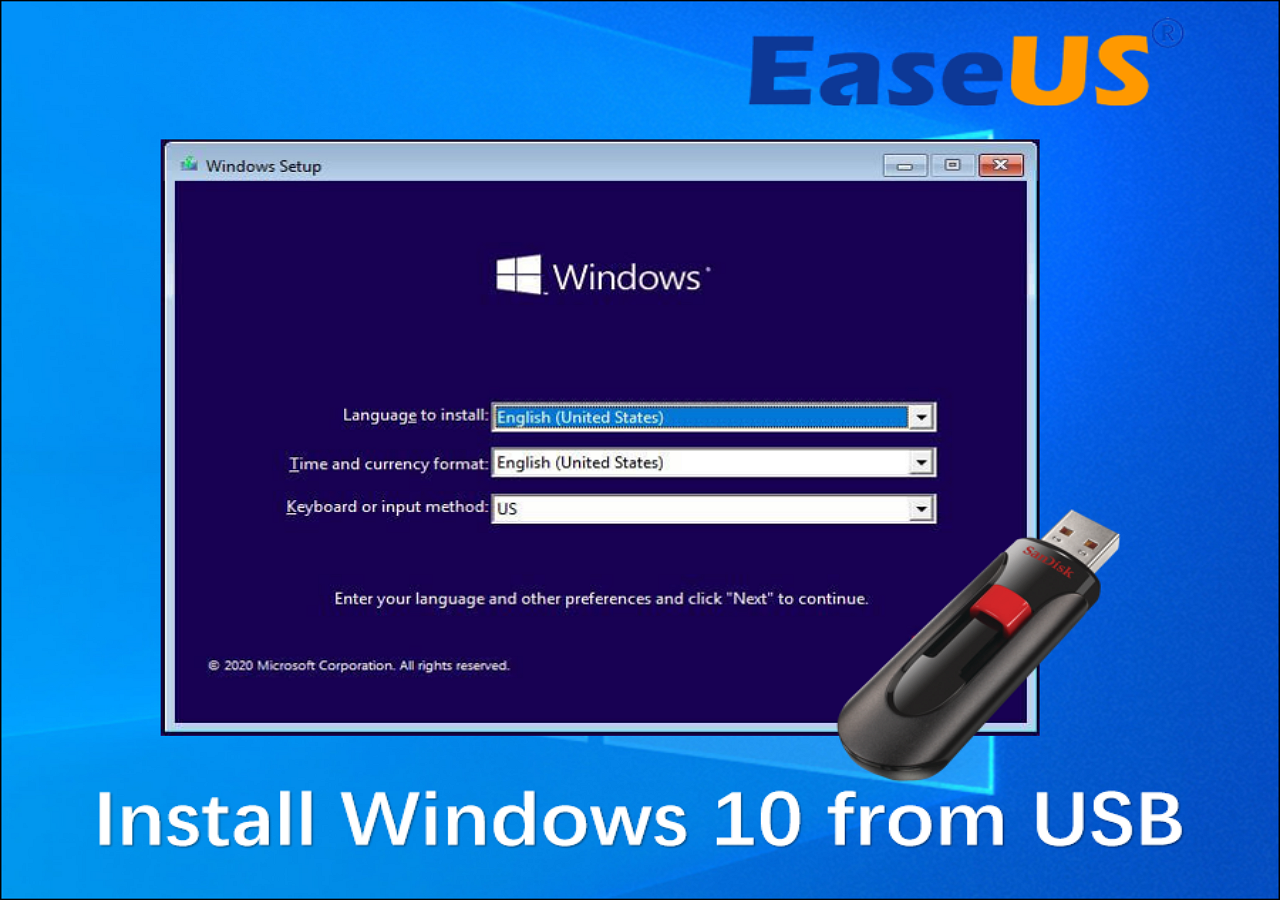
Language, Time, and Keyboard Input: The first screen will prompt you to select your language, time and currency format, and keyboard or input method. Choose your preferences and click “Next.”
-
Install Now: Click the “Install now” button to begin the installation process.
-
Product Key (Optional): If you have a Windows product key, you can enter it now. If you’re reinstalling Windows on a machine that previously had an activated version, or if you plan to activate it later, you can click “I don’t have a product key” and proceed. Windows will automatically activate online if it detects it’s on hardware that previously had an activated license.
-
Select Operating System: If your ISO contained multiple editions of Windows (e.g., Home, Pro), you’ll be prompted to choose the edition you want to install. Ensure you select the edition for which you have a license.
-
License Terms: Read and accept the Microsoft license terms by checking the box and clicking “Next.”
-
Installation Type: This is a crucial step. You’ll be presented with two options:
- Upgrade: This option attempts to install Windows while keeping your files, settings, and applications. It’s generally recommended for upgrading from an older version of Windows. However, for a truly fresh start or when troubleshooting, a “Custom” installation is preferred.
- Custom: Install Windows only (advanced): This option performs a clean installation. It allows you to format existing partitions or create new ones. This is the recommended method for a fresh install or to resolve issues with a previous Windows installation. Click “Custom: Install Windows only (advanced).”
-
Disk Partitioning: You will now see a list of all the drives and partitions on your computer.
- For a clean install on a new or wiped drive: Select the unallocated space where you want to install Windows and click “New.” Windows will automatically create the necessary partitions (System Reserved, Recovery, Primary). Click “Apply.”
- For a clean install on a drive with existing partitions: Select the partition where Windows is currently installed (usually labeled as “Primary” and is the largest). Be extremely careful here. To perform a clean install, you will need to delete the existing Windows partition(s) and any associated system partitions (like System Reserved or Recovery partitions related to the old Windows installation). After deleting, you’ll have unallocated space. Select this unallocated space and click “New” to create new partitions, or simply click “Next” to allow Windows setup to create them automatically in the unallocated space.
- Important Note: Deleting partitions permanently erases all data on them. Ensure you have backed up any important data from these partitions before proceeding.
- Once you’ve selected the partition where you want to install Windows (or the unallocated space for a new installation), click “Next.”
-
Installing Windows: Windows will now begin copying files, installing features, and installing updates. Your computer will restart several times during this process. Crucially, do not remove the USB drive until Windows prompts you to do so or until you’ve completed the initial setup and are on the desktop. If the computer restarts and boots back into the USB installer, you may need to quickly remove the USB drive or re-enter the BIOS and set your hard drive/SSD as the primary boot device.
Initial Windows Setup (OOBE – Out-of-Box Experience)
After the main installation is complete and the computer has restarted, you will enter the Out-of-Box Experience (OOBE). This is the final stage where you configure your Windows settings.
-
Region and Keyboard Layout: Confirm your region and keyboard layout.
-
Network Connection: Connect to a Wi-Fi network or plug in an Ethernet cable. This is important for activation and updates.
-
Account Setup: You’ll be prompted to sign in with a Microsoft account or create a local account. For Windows 11 Home, a Microsoft account is often mandatory.
-
Privacy Settings: Review and adjust your privacy settings for location, diagnostic data, tailored experiences, and more.
-
Cortana (Optional): You may be asked if you want to set up Cortana.
-
Final Touches: Windows will apply your settings, and you’ll eventually be greeted by the Windows desktop.
Congratulations! You have successfully installed Windows from a USB drive. Now you can install drivers, essential software, and personalize your new Windows environment. This process, while detailed, is a fundamental skill for any PC user, offering flexibility, control, and the ability to maintain your digital workspace efficiently.
aViewFromTheCave is a participant in the Amazon Services LLC Associates Program, an affiliate advertising program designed to provide a means for sites to earn advertising fees by advertising and linking to Amazon.com. Amazon, the Amazon logo, AmazonSupply, and the AmazonSupply logo are trademarks of Amazon.com, Inc. or its affiliates. As an Amazon Associate we earn affiliate commissions from qualifying purchases.