
In the dynamic world of technology, Python has emerged as a powerhouse, powering everything from complex AI models to elegant web applications. For developers and creatives alike, the ability to manipulate and process images directly within their Python scripts is invaluable. This is where Pillow, the friendly fork of the Python Imaging Library (PIL), steps in. Pillow is an indispensable tool that unlocks a vast array of image manipulation capabilities, making it a must-have for anyone working with visual content in Python.
Whether you’re a seasoned developer looking to integrate image processing into your software, a data scientist augmenting your datasets, or a web designer creating dynamic visual elements, understanding how to install and utilize Pillow is a fundamental skill. This guide will walk you through the entire process, from understanding what Pillow is to its practical installation and basic usage, ensuring you can harness its power efficiently. We will delve into the core concepts, address common installation scenarios, and provide clear, actionable steps to get you up and running.

Understanding Pillow: Your Python Image Manipulation Toolkit
Before we dive into the installation process, it’s crucial to understand what Pillow is and why it’s so widely adopted. As mentioned, Pillow is a fork of the original PIL, which was the de facto standard for image processing in Python for many years. However, PIL development had largely stalled, leading to compatibility issues with newer Python versions and a lack of ongoing maintenance.
Pillow emerged as the solution, actively maintained and updated to support modern Python environments and operating systems. It provides a robust set of features for opening, manipulating, and saving images in various formats. Think of it as your digital darkroom, but within your code. With Pillow, you can:
- Open and Save Images: Support for a wide range of image file formats, including JPEG, PNG, GIF, TIFF, BMP, and more.
- Basic Image Operations: Resize, crop, rotate, flip, and paste images.
- Color Manipulations: Adjust brightness, contrast, color balance, and convert between color modes (e.g., RGB to grayscale).
- Filtering and Enhancement: Apply various filters like blur, sharpen, edge detection, and noise reduction.
- Drawing on Images: Add text, shapes, and lines to existing images.
- Pixel Access: Directly access and modify individual pixel data.
The versatility of Pillow makes it a cornerstone for numerous applications. In the Tech domain, it’s essential for:
- AI and Machine Learning: Preprocessing image data for training computer vision models, generating synthetic data, or visualizing model outputs.
- Web Development: Dynamically resizing user-uploaded images, creating thumbnails, applying watermarks, or generating image-based reports.
- Data Visualization: Enhancing plots and charts with image overlays or creating image-based data representations.
- Digital Security: Analyzing image metadata, detecting image tampering, or implementing image-based authentication.
- Productivity Tools: Building applications that automate image batch processing, such as resizing photos for a portfolio or converting image formats.
Beyond pure tech, Pillow also finds its place in Brand and Money related applications:
- Brand: Generating branded logos dynamically, creating custom marketing materials with specific image overlays, or ensuring brand consistency across various visual assets.
- Money: For e-commerce, dynamically resizing product images, creating promotional banners, or even for financial document analysis where image processing might be involved.
In essence, Pillow democratizes image manipulation within the Python ecosystem, making powerful visual tools accessible to a broader audience.
Installing Pillow: The Gateway to Image Manipulation
Installing Pillow is a straightforward process, thanks to Python’s package management system, pip. pip is the standard package installer for Python and allows you to easily download and install libraries from the Python Package Index (PyPI).
The primary method for installing Pillow involves opening your terminal or command prompt and executing a simple pip command. However, the specifics of this command can vary slightly depending on your operating system and whether you are using a virtual environment.
Prerequisites
Before you begin, ensure you have Python installed on your system. You can check if Python is installed by opening your terminal and typing:
python --version
# or
python3 --version
If you see a version number, you’re good to go. If not, you’ll need to download and install Python from the official Python website (python.org).
It is highly recommended to use a virtual environment for your Python projects. Virtual environments create isolated Python installations, preventing package conflicts between different projects.
Installing Pillow Using Pip
Using a Virtual Environment (Recommended)
-
Create a Virtual Environment:
Navigate to your project directory in the terminal. Then, create a virtual environment (let’s call itvenv):python -m venv venv # or python3 -m venv venv -
Activate the Virtual Environment:
- On Windows:
bash

venvScriptsactivate
- On macOS and Linux:
bash

source venv/bin/activate
You’ll notice the name of your virtual environment (e.g.,
(venv)) appearing at the beginning of your terminal prompt, indicating that it’s active. - On Windows:
-
Install Pillow:
With the virtual environment activated, install Pillow usingpip:pip install Pillowpipwill automatically download the latest stable version of Pillow and its dependencies from PyPI and install them into your active virtual environment.
Installing Without a Virtual Environment (Not Recommended for Development)
If you are absolutely sure you don’t need a virtual environment for your current task, you can install Pillow globally. However, this is generally discouraged as it can lead to dependency issues if you have multiple projects with different library requirements.
pip install Pillow
# or
pip3 install Pillow
This command will install Pillow for the Python interpreter that your pip command is associated with.
Verifying the Installation
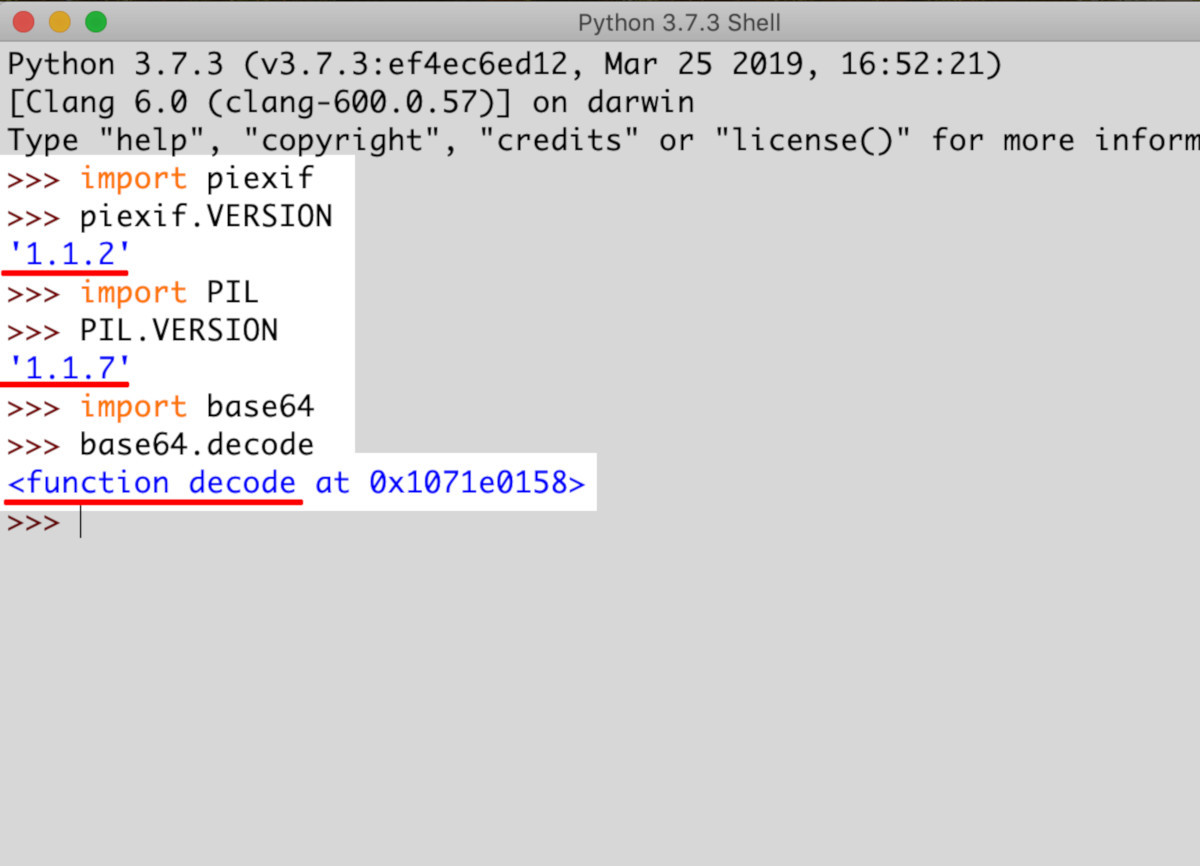
To confirm that Pillow has been installed correctly, you can try importing it in a Python interpreter.
-
Open a Python Interpreter:
Typepythonorpython3in your activated terminal (or regular terminal if you didn’t use a virtual environment). -
Import Pillow:
from PIL import ImageIf no error messages appear, Pillow is installed successfully. You can then exit the interpreter by typing
exit()or pressingCtrl+D(Linux/macOS) orCtrl+Zfollowed by Enter (Windows).
Troubleshooting Common Installation Issues

pipnot recognized: Ensure Python andpipare added to your system’s PATH environment variable during installation. If not, you might need to specify the full path to thepipexecutable.- Permissions errors: On some systems, you might need administrator privileges to install packages globally. Try running your terminal as an administrator or using
sudo pip install Pillow(use with caution). - Outdated
pip: It’s a good practice to keeppipupdated. Runpip install --upgrade pipto ensure you have the latest version. - Build errors (especially on Linux/macOS): Pillow sometimes requires development headers for certain image formats. If you encounter build errors, you might need to install development packages. For example, on Ubuntu/Debian:
bash

sudo apt-get update

sudo apt-get install libjpeg-dev zlib1g-dev
On macOS with Homebrew:
bash

brew install jpeg zlib
After installing these dependencies, try installing Pillow again.
Basic Image Operations with Pillow
Once Pillow is installed, you can start leveraging its power. Let’s explore some fundamental operations to get you acquainted with its API.
Opening and Displaying an Image
The most basic operation is opening an image file. You’ll need an image file (e.g., my_image.jpg) in the same directory as your Python script, or provide its full path.
from PIL import Image

try:
    # Open an image file
    img = Image.open("my_image.jpg")

    # Display the image (this will open it in your default image viewer)
    img.show()

    # You can also get image information
    print(f"Format: {img.format}")
    print(f"Size: {img.size}")
    print(f"Mode: {img.mode}")

except FileNotFoundError:
    print("Error: The image file was not found. Make sure 'my_image.jpg' is in the correct directory.")
except Exception as e:
    print(f"An error occurred: {e}")
Resizing an Image
Resizing is a common task. Pillow’s resize() method takes a tuple representing the new width and height.
from PIL import Image

try:
    img = Image.open("my_image.jpg")

    # Define new dimensions
    new_width = 300
    new_height = 200
    new_size = (new_width, new_height)

    # Resize the image
    resized_img = img.resize(new_size)

    # Save the resized image
    resized_img.save("my_image_resized.jpg")
    print("Image resized and saved as 'my_image_resized.jpg'")

    # Optionally display it
    # resized_img.show()

except FileNotFoundError:
    print("Error: The image file was not found.")
except Exception as e:
    print(f"An error occurred: {e}")
Cropping an Image
Cropping allows you to extract a specific region from an image. The crop() method takes a 4-tuple defining the left, upper, right, and lower pixel coordinate.
from PIL import Image

try:
    img = Image.open("my_image.jpg")

    # Define the cropping box (left, upper, right, lower)
    # Example: crop a 100x100 square from the top-left corner
    box = (0, 0, 100, 100)

    cropped_img = img.crop(box)

    # Save the cropped image
    cropped_img.save("my_image_cropped.jpg")
    print("Image cropped and saved as 'my_image_cropped.jpg'")

    # Optionally display it
    # cropped_img.show()

except FileNotFoundError:
    print("Error: The image file was not found.")
except Exception as e:
    print(f"An error occurred: {e}")
Rotating an Image
Rotating an image is simple with the rotate() method, which takes the angle of rotation in degrees.
from PIL import Image

try:
    img = Image.open("my_image.jpg")

    # Rotate the image by 90 degrees clockwise
    rotated_img = img.rotate(90)

    # Save the rotated image
    rotated_img.save("my_image_rotated.jpg")
    print("Image rotated and saved as 'my_image_rotated.jpg'")

    # Optionally display it
    # rotated_img.show()

except FileNotFoundError:
    print("Error: The image file was not found.")
except Exception as e:
    print(f"An error occurred: {e}")
These basic examples demonstrate the ease with which you can start performing common image manipulations. Pillow offers a rich API for many more advanced operations, allowing you to fine-tune your images, apply artistic effects, and much more.
Conclusion: Empowering Your Python Projects with Pillow
Installing and using Pillow in Python is a fundamental step for anyone looking to work with images programmatically. Whether you’re building sophisticated AI applications, creating dynamic web experiences, or streamlining your creative workflow, Pillow provides the tools you need. Its comprehensive feature set, active development, and straightforward installation process make it an indispensable library in the Python ecosystem.
By following the steps outlined in this guide, you should now have Pillow successfully installed and a basic understanding of how to perform common image operations. Remember to always use virtual environments to keep your project dependencies organized and avoid conflicts. As you delve deeper into Pillow’s capabilities, you’ll discover its immense potential to enhance your Python projects, bringing your visual ideas to life with code. Happy coding and happy image manipulating!
aViewFromTheCave is a participant in the Amazon Services LLC Associates Program, an affiliate advertising program designed to provide a means for sites to earn advertising fees by advertising and linking to Amazon.com. Amazon, the Amazon logo, AmazonSupply, and the AmazonSupply logo are trademarks of Amazon.com, Inc. or its affiliates. As an Amazon Associate we earn affiliate commissions from qualifying purchases.