
In an era where automotive theft has become increasingly sophisticated, relying solely on factory-installed electronic security systems is often insufficient. High-tech thieves now employ signal boosters, relay attacks, and OBD-II port hacking to bypass keyless entry systems in seconds. To counter these digital threats, many tech enthusiasts and security-conscious owners are returning to a fundamental principle of hardware security: the killswitch. This guide provides a comprehensive technical deep dive into the installation of a vehicle killswitch, treating the car not just as a machine, but as a complex hardware system requiring a physical “air-gap” security layer.

Understanding the Logic of Circuit Interruption
Before diving into the physical installation, it is crucial to understand the technical logic behind a killswitch. In any electronic system, a “killswitch” acts as a manual break in a vital circuit. For a vehicle, this means interrupting a component that is essential for the engine to start or remain running. By introducing a hidden physical break in the continuity of a wire, you create a hardware-level authentication requirement that no software hack can bypass.
Identifying Key Systems for Interruption
There are three primary systems in a vehicle that are ideal for a killswitch implementation: the fuel pump, the ignition system, and the battery.
- The Fuel Pump Circuit: This is perhaps the most popular choice. By interrupting the power to the fuel pump, the car may start briefly using residual pressure but will stall almost immediately. This is highly effective because it mimics a mechanical failure, often confusing a thief into abandoning the vehicle.
- The Ignition/Starter Circuit: Interrupting the starter solenoid wire prevents the engine from cranking at all. While effective, it is often the first place sophisticated thieves look.
- The Battery Disconnect: This involves a high-amperage switch that cuts all power to the vehicle. While this is the ultimate “off” switch, it can reset modern Electronic Control Units (ECUs), clocks, and radio presets, which may be inconvenient for daily drivers.
The Role of Relays in Circuit Security
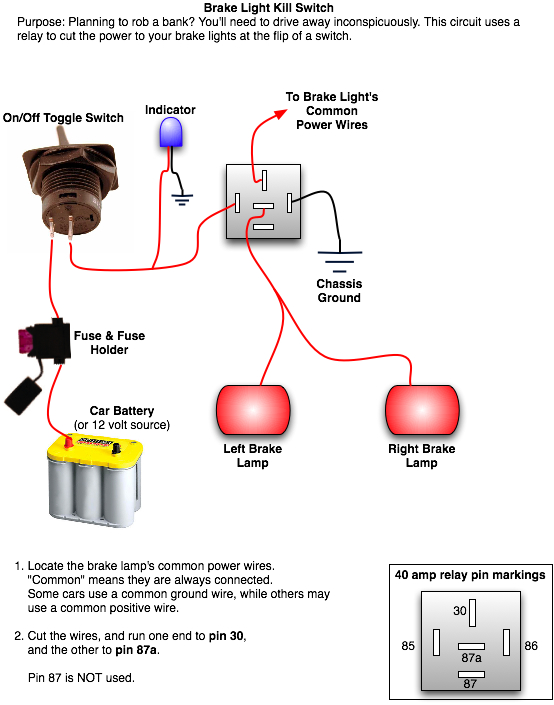
In modern automotive tech, you rarely want to run a high-current load directly through a small toggle switch hidden under the dash. This is where a relay becomes essential. A relay is an electromagnetic switch that allows a low-current circuit (your hidden switch) to control a high-current circuit (the fuel pump). Using a relay prevents overheating, reduces the risk of electrical fires, and allows you to use much smaller, more easily hidden switches for the user interface.
Essential Tools and Component Selection
The success of a hardware security project depends on the quality of the components and the precision of the tools used. Treating this as a professional tech integration ensures long-term reliability and prevents “bricking” your vehicle’s electrical system.
Selecting the Right Switch
The “user interface” of your killswitch can range from simple to high-tech:
- Toggle and Rocker Switches: Classic hardware switches that provide tactile feedback. They are easy to hide in consoles or under steering columns.
- Magnetic Reed Switches: These allow for “invisible” installation. The switch is hidden behind a plastic interior panel and is only activated when you place a magnet in a specific spot on the outside of the panel.
- Push-Button Latches: These can be integrated into existing (but unused) factory buttons to maintain an “OEM” (Original Equipment Manufacturer) look, making the security feature indistinguishable from standard interior components.
Necessary Hardware and Testing Equipment
To perform a professional-grade installation, you will need:
- Digital Multimeter: Essential for identifying the correct wires and verifying voltage and continuity.
- Wire Strippers and Crimpers: For clean connections.
- Soldering Iron and Heat Shrink Tubing: Never use “twist-on” connectors or electrical tape alone in a vehicle. Vibration and temperature swings will eventually cause these to fail. Solder ensures a permanent, low-resistance bond.
- Automotive Grade Wire: Ensure the wire gauge (AWG) matches or exceeds the factory wiring you are interrupting to prevent voltage drops.

Step-by-Step Technical Implementation
Once you have identified the target circuit and gathered your tools, the installation process requires a methodical approach to ensure the vehicle’s ECU does not throw error codes or enter a “limp mode.”
Mapping the Wiring Diagram
The first step is locating the specific wire you intend to interrupt. You should consult a factory service manual or a reliable automotive database for your specific make and model. For a fuel pump killswitch, you typically look for the wire leading from the fuel pump relay in the fuse box to the pump itself. Use your multimeter to probe the wire while the ignition is turned to the “On” position to confirm it carries 12V.
Splicing and Soldering for Reliability
After disconnecting the vehicle’s battery (a mandatory safety step), cut the identified wire. You will now have two ends: the “supply” side and the “load” side.
- Extend these wires to the location where you intend to mount your switch or relay.
- Slide heat shrink tubing onto the wires before joining them.
- Solder the extensions to the factory wires using a Western Union splice for maximum mechanical strength.
- Shrink the tubing over the joint to create a waterproof, vibration-resistant seal.
Concealment and Wire Routing
The technical efficacy of a killswitch is directly proportional to how well it is hidden. Avoid routing your new wires in a way that looks “aftermarket.”
- Looming: Use plastic convoluted tubing or fabric wire loom tape that matches the factory harness.
- Stealth Routing: Run wires through existing firewalls and behind interior panels. Avoid running wires near moving parts like the steering column or pedals, and stay away from high-heat areas like the exhaust manifold.
Advanced Tech Integrations and the Digital Layer
For the tech-savvy enthusiast, a simple toggle switch is only the beginning. Modern hardware hacking allows for the integration of digital layers into the physical killswitch.
Incorporating Smart Modules and Remote Logic
By integrating a micro-controller like an Arduino or a dedicated GSM module, you can create a “Smart Killswitch.” This allows you to:
- Remote Kill: Use a mobile app or SMS command to break the circuit if the vehicle is stolen while running.
- Geofencing: Program the system to automatically engage the killswitch if the vehicle leaves a specific GPS radius.
- Timed Logic: Set the switch to only allow the car to start within certain hours of the day.
Biometric and RFID Authentication
Rather than a physical switch, you can use an RFID reader hidden behind the dashboard. The car will only start if your specific RFID key fob (or a chip embedded in your phone) is placed near a hidden sensor. Similarly, fingerprint scanners can be integrated into the center console, providing a biometric handshake before the fuel pump or ignition circuit is closed. This moves the project from basic electrical engineering into the realm of integrated security systems.
Conclusion: The Enduring Value of Hardware Security
In an increasingly connected world, the “Internet of Things” (IoT) has turned cars into rolling computers. While this brings convenience, it also introduces vulnerabilities that can be exploited from thousands of miles away. A physical killswitch represents a return to “Zero Trust” security architecture. It operates on the simple, immutable laws of physics: if the circuit is open, the current cannot flow, and the engine cannot run.
By following professional technical standards—using relays, high-quality soldering, and clever concealment—you can implement a security layer that is invisible to hackers and insurmountable for thieves. Whether you use a simple hidden toggle or a sophisticated biometric interface, the killswitch remains one of the most effective hardware-level defenses in the modern technological landscape. Staying ahead of vehicle theft isn’t just about better software; sometimes, it’s about a better switch.
aViewFromTheCave is a participant in the Amazon Services LLC Associates Program, an affiliate advertising program designed to provide a means for sites to earn advertising fees by advertising and linking to Amazon.com. Amazon, the Amazon logo, AmazonSupply, and the AmazonSupply logo are trademarks of Amazon.com, Inc. or its affiliates. As an Amazon Associate we earn affiliate commissions from qualifying purchases.