
The landscape of personal finance has undergone a seismic shift over the last decade. The days of carrying bulky wallets filled with cash or fumbling with checkbooks to settle a dinner bill are rapidly fading into obsolescence. In their place, a new era of “mobile-first” finance has emerged, led by platforms that prioritize speed, convenience, and social connectivity. At the forefront of this revolution is Venmo. Owned by PayPal, Venmo has transitioned from a niche peer-to-peer (P2P) payment app into a robust financial ecosystem.

Understanding how to get Venmo and, more importantly, how to integrate it into your broader financial strategy is essential for anyone looking to optimize their cash flow and simplify their daily transactions. This guide explores the logistical, strategic, and security-oriented facets of adopting Venmo as a primary financial tool.
Navigating the Setup Process: A Step-by-Step Guide to Financial Connectivity
Setting up a Venmo account is more than just a software installation; it is the establishment of a digital bridge between your traditional banking institutions and the modern marketplace. To begin, one must approach the setup with an eye toward financial organization.
Downloading and Account Creation
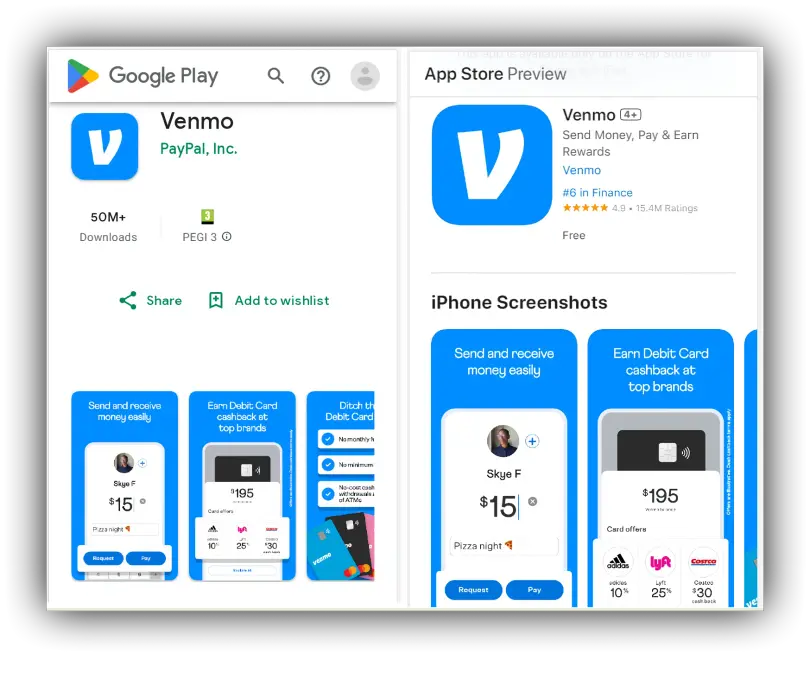
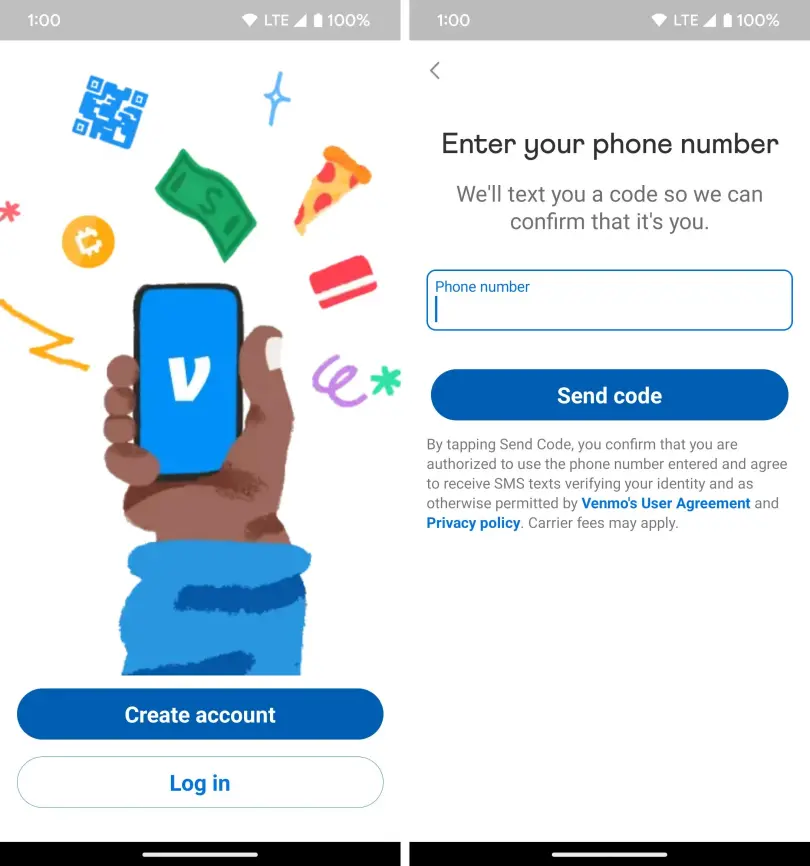
The first step in the journey is acquiring the application via the Apple App Store or Google Play Store. While a web-based version exists, Venmo is fundamentally designed for mobile utility. Upon launching the app, you will be prompted to sign up using an email address or a mobile number.
From a financial management perspective, it is advisable to use a dedicated, secure email address that you monitor frequently for transaction alerts. During the initial setup, you will create a username (often referred to as a “handle”), which serves as your public-facing identity for transactions. Choose a name that is professional yet recognizable to your peers to avoid confusion during high-stakes transfers.
Linking Financial Institutions: Cards vs. Bank Accounts
The core utility of Venmo relies on its connection to your existing capital. You have two primary options for funding your account: linking a bank account or linking a debit/credit card.
- Bank Accounts: This is the most cost-effective method. By linking a checking account via Plaid (a secure third-party integrator), you can send money to friends and family without incurring any transaction fees.
- Debit Cards: Similar to bank accounts, debit cards typically offer fee-free transfers for P2P payments.
- Credit Cards: While Venmo allows the use of credit cards, users should proceed with caution. The platform charges a 3% fee on transactions funded by credit cards. Furthermore, some card issuers may categorize these transfers as “cash advances,” which carry significantly higher interest rates and additional fees.
Verifying Your Identity for Expanded Limits
To comply with federal regulations, including “Know Your Customer” (KYC) and Anti-Money Laundering (AML) laws, Venmo requires identity verification for users who wish to hold a balance or exceed certain spending limits. This process involves providing your legal name, physical address, date of birth, and Social Security Number (SSN). While some may be hesitant to share this data, it is a necessary step to unlock the platform’s full suite of financial tools, such as the ability to pay using an existing Venmo balance.
Maximizing Venmo as a Personal Finance Tool
Once the account is established, the focus shifts from setup to strategy. Venmo is no longer just for “splitting the pizza.” It has become a versatile asset for managing online income, side hustles, and daily budgeting.
Peer-to-Peer (P2P) Efficiency for Shared Expenses
The primary draw of Venmo is its ability to eliminate the “social friction” of money. Whether it is splitting rent with a roommate or dividing the cost of a group vacation, Venmo provides a transparent ledger of shared liabilities. The “Request” feature acts as an informal invoicing tool, allowing users to nudge debtors without the awkwardness of a face-to-face confrontation. For the savvy budgeter, these transactions can be tagged and categorized, providing a clearer picture of monthly discretionary spending.
Utilizing Venmo for Small Business and Side Hustles
For freelancers and entrepreneurs, Venmo has introduced “Business Profiles.” This is a crucial distinction for those looking to earn online income. Unlike personal profiles, business profiles are designed to handle payments for goods and services.
While business transactions incur a small seller fee (typically 1.9% plus a fixed fee), they offer several advantages:
- Tax Compliance: Venmo tracks these earnings and provides 1099-K forms when you meet federal or state reporting thresholds.
- Professionalism: It allows you to keep business revenue separate from personal gifts, simplifying your end-of-year accounting.
- Searchability: Business profiles can be discovered by other users in the area, acting as a lightweight marketing tool for local service providers.
The Venmo Debit and Credit Card Ecosystem
To further bridge the gap between digital and physical finance, Venmo offers its own suite of cards. The Venmo Debit Card allows you to spend your Venmo balance anywhere Mastercard is accepted, effectively turning your app into a checking account.
The Venmo Credit Card takes this a step further by offering a tiered rewards system. It automatically calculates your top spending category (e.g., groceries, dining, or travel) and awards 3% cash back on those purchases, with 2% on the second-highest and 1% on everything else. For those looking to optimize their “cash-back stack,” this automated optimization is a sophisticated financial perk that requires zero manual tracking.
Security and Risk Management in Digital Payments
As with any financial tool, the convenience of Venmo comes with inherent risks. Managing these risks is paramount to maintaining your financial health and protecting your hard-earned assets.
Understanding Consumer Protections
One of the most common misconceptions about Venmo is that it offers the same protections as a traditional credit card or a bank wire. For personal P2P transactions, payments are generally considered “instant and irreversible.” If you accidentally send money to the wrong “John Smith,” Venmo cannot simply “reverse” the charge. This makes it imperative to verify the recipient’s identity—often by confirming the last four digits of their phone number—before hitting “Send.”
Privacy Settings and Transaction Visibility
Venmo’s unique “social feed” allows users to see who their friends are paying and why (though the dollar amounts remain hidden). From a financial privacy perspective, many professionals prefer to set their transactions to “Private.” This prevents third parties or bad actors from gleaning insights into your spending habits, your location, or your social network, which could be exploited in social engineering scams.
Best Practices to Prevent Fraud
To secure your digital wallet, you should implement multi-layered defense strategies:
- Two-Factor Authentication (2FA): Always require a code sent to your mobile device for new logins.
- Biometric Locks: Enable FaceID or fingerprint scanning to open the app.
- Avoid Strangers: Never use the personal payment feature to buy items from strangers on marketplaces like Craigslist or Facebook. Scammers often insist on Venmo because they know the buyer has little recourse once the funds are sent. For these transactions, always use the “Goods and Services” toggle if available, which provides a layer of purchase protection.
Advanced Financial Features: Crypto and Direct Deposit
As the platform matures, it is incorporating features typically reserved for traditional banks and investment brokerages, making it a more comprehensive “one-stop-shop” for financial management.
Managing Cryptocurrency within the App
For those interested in the digital asset market, Venmo allows users to buy, sell, and hold popular cryptocurrencies like Bitcoin, Ethereum, and Litecoin for as little as $1. This low barrier to entry makes it an excellent “testing ground” for individuals looking to diversify their investment portfolio without managing complex private keys or external hardware wallets. However, users should remember that crypto is volatile; it should be treated as a high-risk component of a broader investment strategy.
Using Direct Deposit for Faster Paydays
A lesser-known feature of Venmo is its Direct Deposit functionality. By providing your Venmo routing and account numbers to your employer, you can have your paycheck deposited directly into the app. In many cases, Venmo can process these funds up to two days earlier than traditional banks. This can be a vital tool for managing cash flow, ensuring that funds are available for bills and expenses before the weekend hits.
Conclusion: The Strategic Adoption of Mobile Finance
“Getting Venmo” is a simple technical task, but mastering Venmo is a strategic financial move. By understanding the nuances of fee structures, leveraging business profiles for side income, and maintaining rigorous security protocols, you transform a simple app into a powerful financial ally.
As we move toward a more digitized economy, the ability to move money with agility and precision will separate the financially savvy from the rest. Venmo offers the tools to achieve this—it is up to the user to wield them with professional care and insight. Whether you are splitting a coffee or managing a burgeoning freelance empire, Venmo provides the infrastructure to navigate the modern world of money with confidence.
aViewFromTheCave is a participant in the Amazon Services LLC Associates Program, an affiliate advertising program designed to provide a means for sites to earn advertising fees by advertising and linking to Amazon.com. Amazon, the Amazon logo, AmazonSupply, and the AmazonSupply logo are trademarks of Amazon.com, Inc. or its affiliates. As an Amazon Associate we earn affiliate commissions from qualifying purchases.