
In an increasingly digital world, peer-to-peer payment platforms like Venmo have become indispensable tools for managing personal finances. Far beyond simply splitting dinner bills, Venmo offers a versatile ecosystem for receiving, earning, and accessing funds, making it a pivotal component of modern online income and personal finance strategies. This guide will delve into the multifaceted ways individuals can “get money” from Venmo, from everyday transactions to leveraging its features for entrepreneurial endeavors and ensuring secure financial management. Understanding these mechanisms is crucial for anyone looking to optimize their use of this popular financial tool.

Understanding Venmo’s Core Functionality for Receiving Payments
At its heart, Venmo is designed to simplify the transfer of money between individuals, but its applications extend well beyond casual exchanges. Grasping its fundamental payment-receiving features is the first step toward effectively managing your funds within the platform.
The Basics: Requesting and Receiving Funds from Friends and Family
The most common way to get money on Venmo is through direct payments from friends and family. Whether someone owes you for a shared outing, a loaned item, or simply wants to send a gift, Venmo makes the process seamless. Users can easily send money to your Venmo username, phone number, or email address linked to your account. When a payment is sent to you, the funds typically appear in your Venmo balance almost instantly.
Equally important is the ability to request money. If you’ve covered an expense for someone, instead of waiting for them to initiate a payment, you can send a request through the app. This feature clearly outlines the amount owed and the reason, prompting the other party to pay you directly. This proactive approach ensures you receive what’s due promptly, eliminating awkward reminders and simplifying financial reconciliations within your social circle. These basic functions form the bedrock of Venmo’s utility as a personal finance tool, enabling quick and transparent exchanges that bolster everyday financial harmony.
Streamlining Payments for Shared Expenses
Venmo truly shines when it comes to managing shared expenses. Group dinners, weekend trips, rent, utilities, or even collective gifts often involve multiple parties contributing varying amounts. Traditionally, coordinating these payments could be a logistical headache, requiring complex calculations and multiple transfers. Venmo simplifies this dramatically.
The app allows users to split bills directly within a transaction or create new requests that can be sent to multiple contacts simultaneously. For instance, if you pay for a group meal, you can input the total cost, select the friends who were present, and Venmo will calculate each person’s share or allow you to customize individual amounts. This feature ensures that everyone contributes fairly and that you, as the initial payer, are reimbursed efficiently. By centralizing these complex payment distributions, Venmo reduces the friction associated with shared finances, making it easier to manage household budgets, travel costs, and social expenditures without accruing personal debt or constantly chasing reimbursements. This efficiency in shared expense management directly translates to getting your money back faster and with less hassle.
Handling Gift Payments and Informal Transfers
Beyond transactional payments, Venmo is also a popular platform for sending and receiving gifts or informal transfers. Whether it’s a birthday present, a holiday bonus from a family member, or a simple act of generosity, Venmo provides a convenient digital conduit for these funds. For the recipient, there’s no immediate action required other than acknowledging the notification that money has arrived. The funds instantly boost their Venmo balance, ready to be used or transferred.
This ease of informal transfers is particularly beneficial in scenarios where physical cash might be inconvenient or impossible, such as sending money to a college student far from home, contributing to a virtual baby shower fund, or offering support during an unexpected emergency. While these transfers are often spontaneous, they represent a significant way many individuals “get money” into their Venmo accounts, serving as a flexible digital wallet for various life events and needs. Understanding that Venmo functions not just for transactional debts but also as a conduit for gifts and support broadens its utility in managing personal finances.
Leveraging Venmo for Online Income and Side Hustles
Venmo has evolved beyond personal transfers to become a viable platform for small businesses, freelancers, and individuals engaged in side hustles to accept payments. For those looking to earn money, Venmo offers tools that streamline transactions and provide a professional edge.
Accepting Payments for Goods and Services (Venmo Business Profiles)
For entrepreneurs, freelancers, and small businesses, the ability to accept digital payments is paramount. Venmo addresses this need through its business profiles. Unlike personal profiles, business profiles are designed specifically for commercial transactions, offering features that benefit both sellers and customers. When you set up a business profile, you gain access to a dedicated feed for business transactions, a unique QR code for easy payments, and detailed insights into your sales.
Crucially, Venmo business profiles also come with a level of buyer and seller protection, providing a more secure environment for commercial exchanges compared to using a personal account for business. While Venmo charges a small fee (typically 1.9% + $0.10) for receiving payments on business profiles, this fee is often seen as a small trade-off for the convenience, professionalism, and enhanced security features it provides. For anyone operating a small venture, setting up a business profile on Venmo is a strategic step towards legitimizing operations and efficiently “getting money” for their products or services. It separates personal finances from business revenue, which is a fundamental principle of sound financial management.
Using Venmo for Your Side Gigs: Freelancing, Selling Items, and More
The flexibility of Venmo makes it an excellent tool for managing payments from various side gigs. Whether you’re a freelance writer, graphic designer, dog walker, tutor, or someone who sells crafts online or at local markets, Venmo simplifies the payment process. Instead of dealing with invoices and complex payment gateways, you can provide clients with your Venmo username or QR code for immediate payment. This directness can often expedite payment collection, a common pain point for freelancers and small business owners.
For individuals selling items—be it clothes on a resale app, handmade goods, or even secondhand furniture—Venmo offers a straightforward way for buyers to pay you instantly upon sale. This eliminates the need for cash, checks, or cumbersome bank transfers, making transactions quicker and safer. By adopting Venmo for these various income streams, individuals can consolidate their earnings, track incoming funds, and manage their working capital more effectively, thereby directly contributing to how they “get money” from their entrepreneurial efforts.
Navigating Venmo’s Purchase Protection and Fees for Sellers
While Venmo provides immense convenience, it’s vital for sellers to understand its purchase protection policies and associated fees. For transactions made via a business profile, Venmo generally offers purchase protection for both buyers and sellers, which can be a significant advantage. This protection can help resolve disputes and provide a safety net against fraud, though it’s crucial to familiarize yourself with the specific terms and conditions.
Regarding fees, as mentioned, standard business transactions typically incur a small percentage fee. It’s essential to factor these fees into your pricing strategy to ensure profitability. For instance, if you’re selling a product for $100, a 1.9% + $0.10 fee means you’ll receive $97.90. This small deduction can accumulate over many transactions, so having a clear understanding of the fee structure prevents unexpected reductions in your earnings. Moreover, it’s critical not to use a personal Venmo account to accept payments for goods and services to avoid violating Venmo’s user agreement and potentially having your account flagged or frozen. Using the designated business profile ensures compliance and access to the appropriate protections, safeguarding your financial interests as a seller.

Accessing and Transferring Your Venmo Balance
Once you’ve accumulated money in your Venmo account, the next step is often to access these funds for spending or saving. Venmo provides several convenient options for transferring money out of your balance and into your broader financial ecosystem.
Standard Transfers to Your Bank Account (1-3 Business Days)
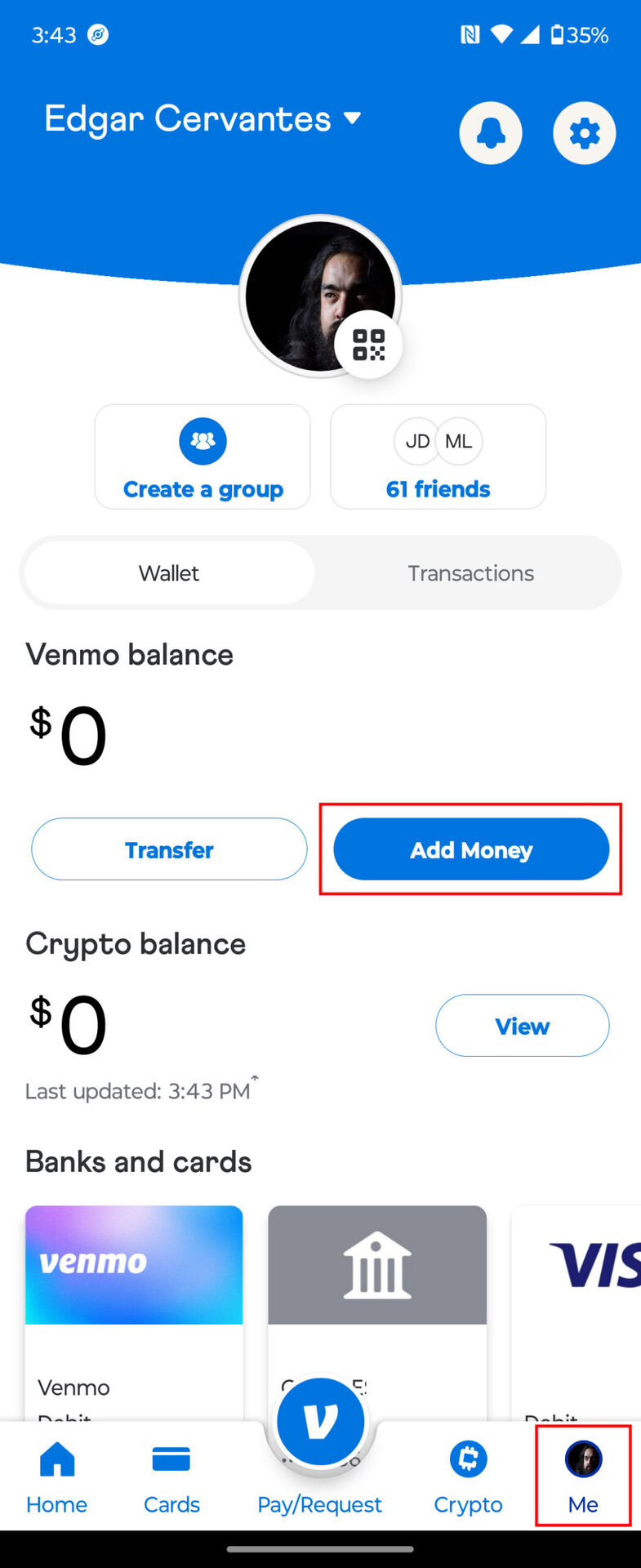
The most common method for accessing your Venmo balance is to initiate a standard transfer to a linked bank account. This process is straightforward: within the Venmo app, you select the option to transfer funds, choose your linked bank account, and specify the amount. These standard transfers are free of charge.
However, the primary characteristic of a standard transfer is its processing time. It typically takes 1 to 3 business days for the funds to clear and appear in your bank account. This duration can vary based on your bank’s processing times and whether the transfer is initiated on a weekend or holiday. While this method is cost-effective, it requires a bit of foresight if you need access to your funds by a specific deadline. For routine transfers of earnings or received payments that don’t require immediate access, the standard transfer is a reliable and free way to move money from Venmo into your primary banking account for broader financial management.
Instant Transfers for Immediate Access (Fees Apply)
For situations where time is of the essence, Venmo offers an instant transfer option. As the name suggests, this feature allows you to move funds from your Venmo balance to your linked debit card or eligible bank account almost immediately, often within minutes. This can be incredibly useful if you need to pay a bill, make a significant purchase, or cover an unexpected expense without delay.
The convenience of instant transfers comes with a small fee, which is a percentage of the transferred amount (typically 1.75% with a minimum of $0.25 and a maximum of $25). It’s crucial to factor this fee into your decision-making. While the charge is relatively small for smaller transfers, it can become more substantial for larger sums. Before initiating an instant transfer, verify the fee displayed in the app to ensure it aligns with your financial planning. This option provides flexibility, giving users immediate access to their “money from Venmo” when urgency dictates, making it a valuable tool in personal financial management.
Utilizing the Venmo Debit Card for Direct Spending
Another efficient way to access and spend your Venmo balance directly is through the Venmo Debit Card. This Mastercard-branded debit card is directly linked to your Venmo balance, allowing you to use your funds for purchases anywhere Mastercard is accepted, both online and in physical stores. It functions much like a traditional debit card, drawing directly from the money you have in your Venmo account.
The Venmo Debit Card eliminates the need to transfer funds to a separate bank account before spending. If your Venmo balance runs low, you can even enable a “Reload” feature that automatically draws funds from a linked bank account to cover purchases, preventing declines. This card offers a practical solution for everyday spending, making your Venmo balance as liquid as the money in your primary checking account. It’s an excellent tool for those who frequently receive money via Venmo and prefer to use those funds directly without multiple transfer steps, simplifying the process of getting and spending your money.
Maximizing Your Financial Benefits and Security on Venmo
Beyond the basic functions of sending and receiving money, Venmo offers features that can enhance your financial management and provide additional benefits. Crucially, maintaining robust security practices is paramount to protecting your funds.
Exploring Venmo Credit Card Rewards and Cash Back
For users looking to maximize their financial benefits, Venmo also offers a credit card. The Venmo Credit Card provides cash back rewards on eligible purchases, categorized based on where you spend the most. For example, you might earn higher cash back on dining, groceries, or transportation, with the highest spend category earning a top-tier reward rate, and subsequent categories earning less. These cash back rewards are automatically applied to your Venmo balance, effectively adding more “money from Venmo” to your account simply by using the card for everyday spending.
This feature allows financially savvy users to integrate Venmo into a broader rewards strategy, turning routine expenditures into a source of passive income or savings. It’s an incentive for using Venmo’s ecosystem for more than just peer-to-peer transfers, encouraging a deeper engagement with its financial tools. As with any credit card, responsible usage and understanding the terms and conditions are key to leveraging its benefits without incurring debt, ensuring it truly enhances your financial health.
Setting Up Direct Deposit with Venmo (If Applicable)
In a significant step towards becoming a more comprehensive banking alternative, Venmo also offers a direct deposit feature for eligible users. This allows you to receive your paycheck, government benefits, or other regular deposits directly into your Venmo account. By setting up direct deposit, your employer or payer can send your funds directly to Venmo using a unique routing and account number provided by the platform.
This feature can be incredibly beneficial for managing finances, particularly for those who primarily use Venmo for transactions or side hustle income. It consolidates your funds in one place, making it easier to track your overall balance, pay bills (if using the Venmo Debit Card), and allocate money as needed. Receiving your primary income via direct deposit into Venmo streamlines your financial flow, providing a more integrated approach to how you “get money” and manage it within a single application. It signifies Venmo’s growing role as a central hub for personal financial activity.
Essential Security Practices for Protecting Your Funds
While Venmo offers convenience, safeguarding your funds requires diligence. Adopting essential security practices is non-negotiable to protect your money from unauthorized access or fraudulent activities.
Firstly, always use a strong, unique password for your Venmo account and enable two-factor authentication (2FA). 2FA adds an extra layer of security by requiring a code from your phone in addition to your password, making it significantly harder for unauthorized users to gain access. Secondly, be wary of phishing attempts. Venmo will never ask for your password or personal information via email or text message. Always verify the sender of any suspicious communication and access your account directly through the app or official website.
Thirdly, regularly review your transaction history. Promptly report any unauthorized transactions or suspicious activity to Venmo customer support. Be cautious about clicking on links in unsolicited messages, especially those promising free money or asking for personal details. Finally, avoid linking your Venmo account to public Wi-Fi networks when conducting sensitive transactions, as these networks can be less secure. By diligently following these security measures, you can significantly reduce the risk of financial compromise and ensure that the money you get from Venmo remains securely in your possession, reinforcing sound personal finance principles.
In conclusion, Venmo is much more than just a payment app; it’s a dynamic financial tool for receiving, earning, and managing money. From seamless peer-to-peer transfers and streamlining shared expenses to facilitating side hustle payments and offering direct deposit options, Venmo provides numerous avenues for individuals to “get money.” By understanding its features, leveraging its business tools, and adhering to robust security practices, users can effectively integrate Venmo into their broader financial strategy, ensuring convenient and secure access to their funds in the digital age.
aViewFromTheCave is a participant in the Amazon Services LLC Associates Program, an affiliate advertising program designed to provide a means for sites to earn advertising fees by advertising and linking to Amazon.com. Amazon, the Amazon logo, AmazonSupply, and the AmazonSupply logo are trademarks of Amazon.com, Inc. or its affiliates. As an Amazon Associate we earn affiliate commissions from qualifying purchases.