
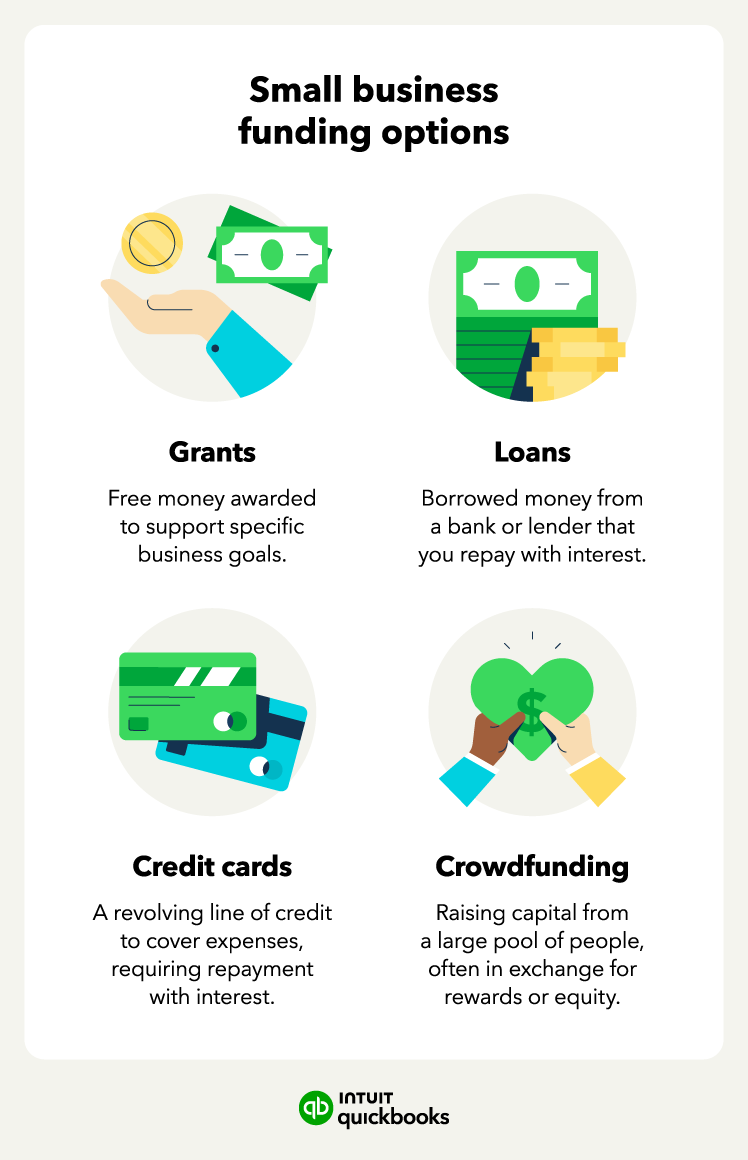
For many entrepreneurs, the most daunting hurdle to growth is not a lack of vision or effort, but a lack of capital. While venture capital and bank loans are the traditional routes for financing, they often come with significant strings attached—either in the form of equity dilution or high-interest debt. This is where small business grants enter the picture. Often referred to as “free money,” grants are non-dilutive funds that do not require repayment. However, the path to securing these funds is highly competitive and requires a strategic, disciplined approach to business finance.
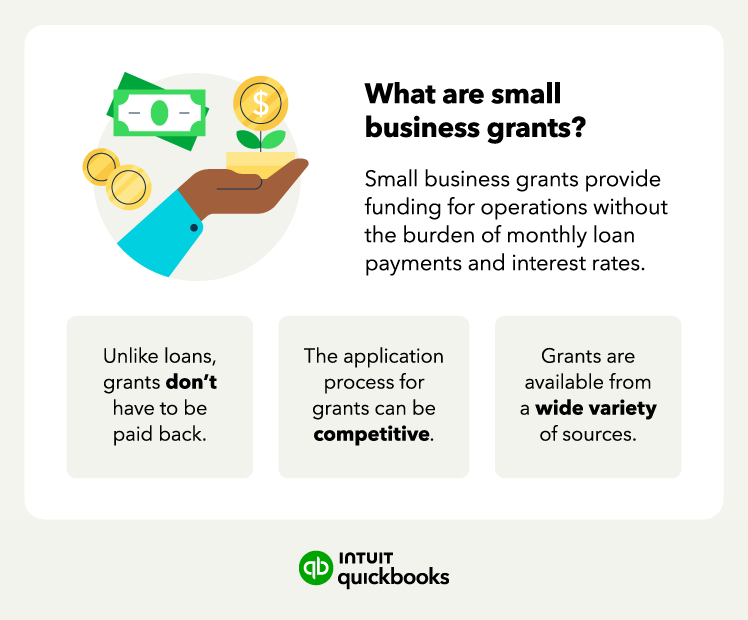
Understanding how to navigate the complex ecosystem of government, private, and corporate grants can transform a struggling startup into a thriving enterprise. This guide explores the foundational elements of grant acquisition, from preparing your financial documentation to mastering the art of the proposal.
Understanding the Landscape of Small Business Grants
Before diving into applications, it is essential to understand that grants are not a monolithic entity. They are categorized based on their source, each with its own set of eligibility requirements, compliance standards, and financial objectives.
Federal vs. State and Local Grants
The federal government is the largest provider of business grants, though most federal funds are not meant for general “start-up” costs. Instead, federal grants are typically directed toward specific industries such as scientific research, environmental conservation, or technology development. The primary portal for these opportunities is Grants.gov, a centralized database that hosts thousands of funding programs.
State and local grants, on the other hand, are often more accessible for the average small business owner. These funds are usually managed by state economic development agencies or municipal governments with the goal of stimulating the local economy. Because these grants are localized, the competition is less intense than at the federal level. Local grants often focus on job creation, urban renewal, or supporting businesses in underserved communities.
Private and Corporate Grant Opportunities
In recent years, the private sector has significantly expanded its role in small business financing. Large corporations like FedEx, Visa, and Amazon run annual grant competitions. These are often marketing-driven but provide substantial capital to winners.
Private foundations also offer grants, usually aligned with a specific social mission. For example, a foundation dedicated to environmental sustainability might offer grants to businesses that implement “green” supply chain practices. Unlike government grants, which are bound by strict legal statutes, private grants may have more flexible terms but often require the applicant to demonstrate a high degree of brand alignment with the grantor.
Preparing Your Financial Foundation for Grant Applications
A grant is an investment by the grantor into your business’s potential to achieve a specific outcome. To win, you must prove that your business is a safe and organized vessel for those funds. This requires a level of financial “readiness” that many small businesses overlook.
Organizing Financial Statements and Tax Documentation
Most grant applications require extensive proof of financial health. At a minimum, you should have at least two years of business tax returns and up-to-date financial statements, including Balance Sheets, Profit and Loss (P&L) statements, and Cash Flow statements.
Grantors look for fiscal responsibility. If your records are disorganized or show erratic spending, reviewers may view your business as a high-risk investment. Utilizing professional accounting software or hiring a part-time bookkeeper can ensure that when a grant window opens, you are ready to hit “submit” with accurate data. Furthermore, ensure you have your Employer Identification Number (EIN) and, for federal grants, a Unique Entity Identifier (UEI) from SAM.gov, which has replaced the old DUNS system.
Developing a Compelling Business Plan
A grant application is essentially a high-stakes business plan. You must clearly articulate what your business does, who it serves, and how the grant money will be used to achieve a specific milestone.
Financial forecasting is a critical component here. You should be able to provide a “Use of Funds” statement that breaks down exactly how every dollar will be spent. Grantors rarely provide funds for “general operating expenses.” Instead, they want to fund specific projects—such as purchasing a new piece of equipment that will double production or launching a marketing campaign to reach a new demographic. Your business plan must bridge the gap between where your finances are now and where the grant will take them.
Strategic Searching: Finding the Right Grants for Your Niche
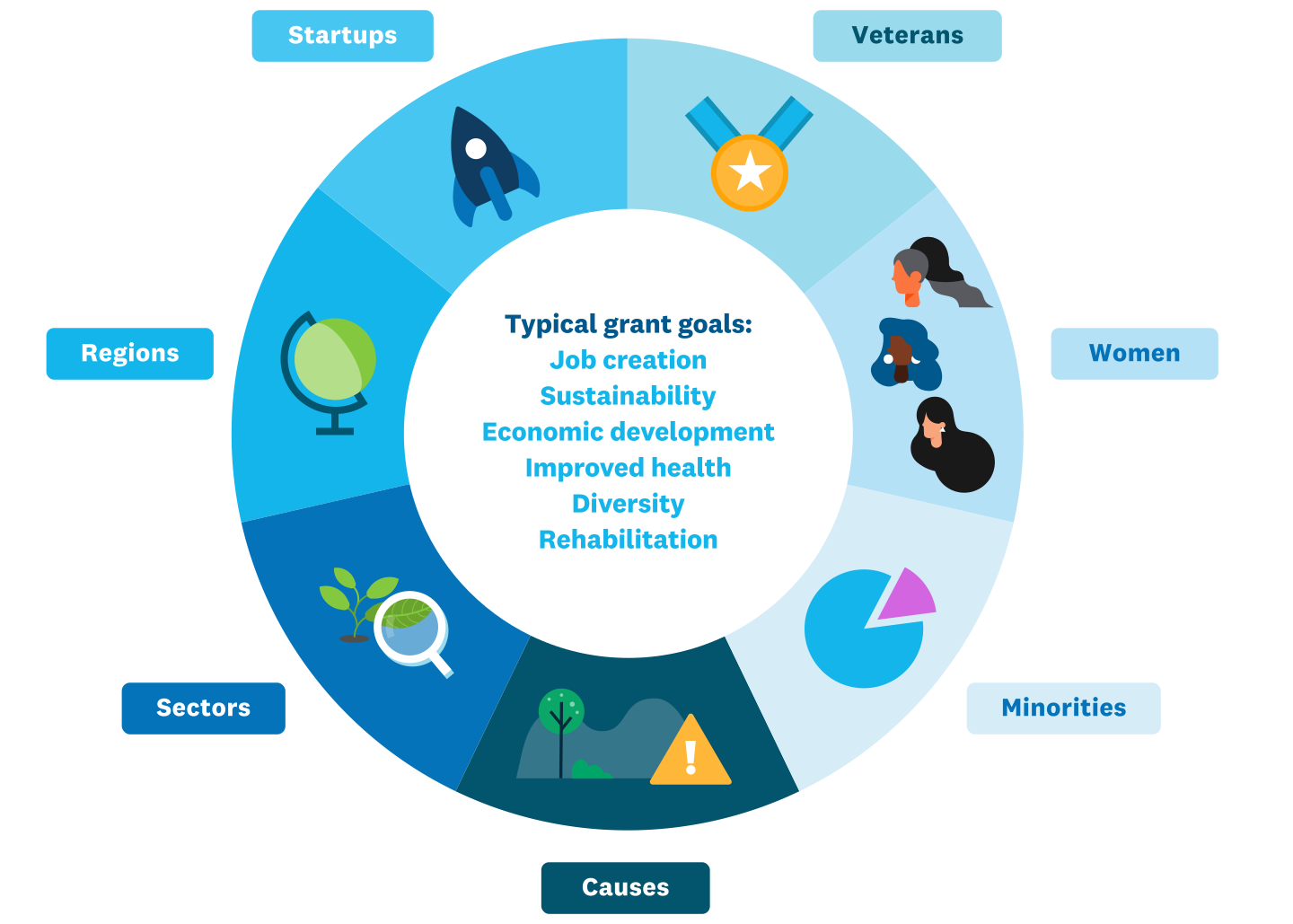
One of the most common mistakes entrepreneurs make is taking a “shotgun” approach—applying for every grant they find. This is a waste of valuable time. Success in the grant world comes from finding the niche where your business’s identity meets the grantor’s mission.
Grants for Minorities, Women, and Veterans
Many funding bodies have set aside specific pools of capital to support diversity in entrepreneurship. Organizations like the Minority Business Development Agency (MBDA) or the Women’s Business Centers (WBC) provide resources and lead entrepreneurs toward targeted grant opportunities.
For instance, the “Amber Grant” for women-owned businesses is a well-known monthly award that has helped hundreds of female entrepreneurs. Similarly, the Department of Veterans Affairs and private organizations like “StreetShares” provide financial boosts specifically for veteran-owned businesses. If you fall into one of these categories, these specialized grants should be your first priority, as the applicant pool is narrower and the mission is tailored to your success.
Sector-Specific Funding and Research-Based Grants (SBIR/STTR)
If your small business is involved in innovation, the Small Business Innovation Research (SBIR) and Small Business Technology Transfer (STTR) programs are the “gold standard” of grants. These programs encourage domestic small businesses to engage in Federal Research/Research and Development (R&D) with the potential for commercialization.
While these grants are highly technical and financially rigorous, they provide millions of dollars in funding across various phases. Even if you aren’t a high-tech lab, look for industry-specific grants. For example, the USDA offers grants for rural businesses and agricultural producers, while the Department of Energy provides funding for businesses improving energy efficiency.
The Grant Application Process: From Submission to Award
Writing a grant is a skill that blends technical writing with persuasive storytelling. Because reviewers often have to read hundreds of applications, your proposal must be clear, concise, and impactful.
Drafting a Winning Proposal and Grant Narrative
Your grant narrative should answer the “Why?” as much as the “How?” Why does your business deserve this money over another? Why is your project necessary for your community or industry?
When drafting the proposal, follow the instructions to the letter. If a section asks for a 500-word limit, do not write 501. Use data to back up your claims. Instead of saying, “We plan to grow our customer base,” say, “With this $25,000 grant, we will implement a localized SEO strategy that is projected to increase our inbound lead generation by 30% over six months.” This level of financial and operational specificity builds trust with the reviewers.
Avoiding Common Pitfalls and Rejection Factors
The primary reason grants are rejected is not a lack of merit, but a failure to follow technical requirements. Common pitfalls include:
- Missing Deadlines: Grant cycles are strict; a submission one minute late is usually disqualified.
- Ineligible Expenses: Requesting funds for items explicitly forbidden in the grant guidelines (e.g., using a research grant to pay off existing debt).
- Lack of Sustainability: Grantors want to see that their money will act as a “catalyst” for a business that is otherwise viable. They are less likely to fund a business that will collapse the moment the grant money runs out.
Financial Management and Compliance After Winning
Winning a grant is the beginning of a new financial relationship, not the end of the process. Once the funds are in your account, you are legally and ethically bound to use them as specified in your proposal.
Reporting Requirements and Fund Allocation
Most grants, especially government and large corporate ones, come with rigorous reporting requirements. You may be required to submit quarterly financial reports showing exactly how the funds were disbursed.
It is best practice to open a separate business bank account specifically for grant funds. This creates a “clean” audit trail, ensuring that grant money isn’t accidentally commingled with daily operational funds. If you cannot prove where the money went through receipts and bank statements, you may be required to pay the grant back, or worse, face legal action for fraud.
Leveraging Grants for Sustainable Growth
Finally, view the grant as a stepping stone. A successful grant award can significantly improve your business’s financial profile. It serves as a “stamp of approval” that you can use when applying for future loans or seeking investors.
By utilizing grant capital to build infrastructure, hire key talent, or purchase equipment, you are increasing the valuation and stability of your company without taking on the burden of debt. When managed correctly, small business grants are more than just a financial injection; they are a strategic tool for long-term wealth creation and business resilience.
aViewFromTheCave is a participant in the Amazon Services LLC Associates Program, an affiliate advertising program designed to provide a means for sites to earn advertising fees by advertising and linking to Amazon.com. Amazon, the Amazon logo, AmazonSupply, and the AmazonSupply logo are trademarks of Amazon.com, Inc. or its affiliates. As an Amazon Associate we earn affiliate commissions from qualifying purchases.