
Securing your first credit card, or adding a new one to your portfolio, is a significant milestone in your personal financial journey. A credit card is more than just a piece of plastic or a digital entry in a mobile wallet; it is a powerful financial tool that, when used correctly, can help you build a robust credit history, earn valuable rewards, and provide a safety net for emergencies. However, the process of obtaining a credit card can often feel opaque and intimidating. From understanding complex credit scores to navigating the sea of available offers, the path to approval requires a strategic approach.
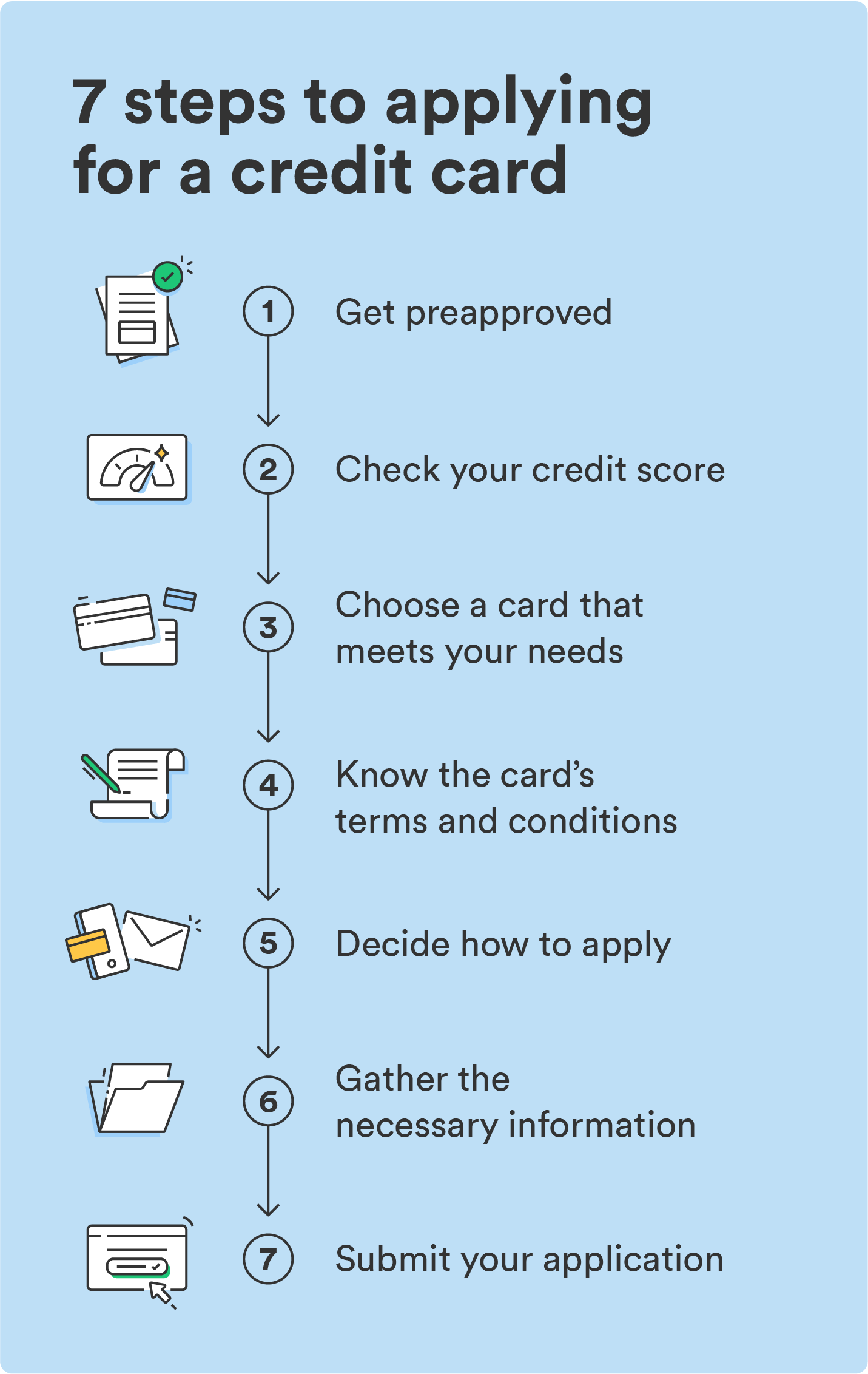
This guide provides an in-depth exploration of the credit card application process, ensuring you have the knowledge necessary to secure the right card for your specific financial situation.
Understanding the Fundamentals of Credit and Eligibility
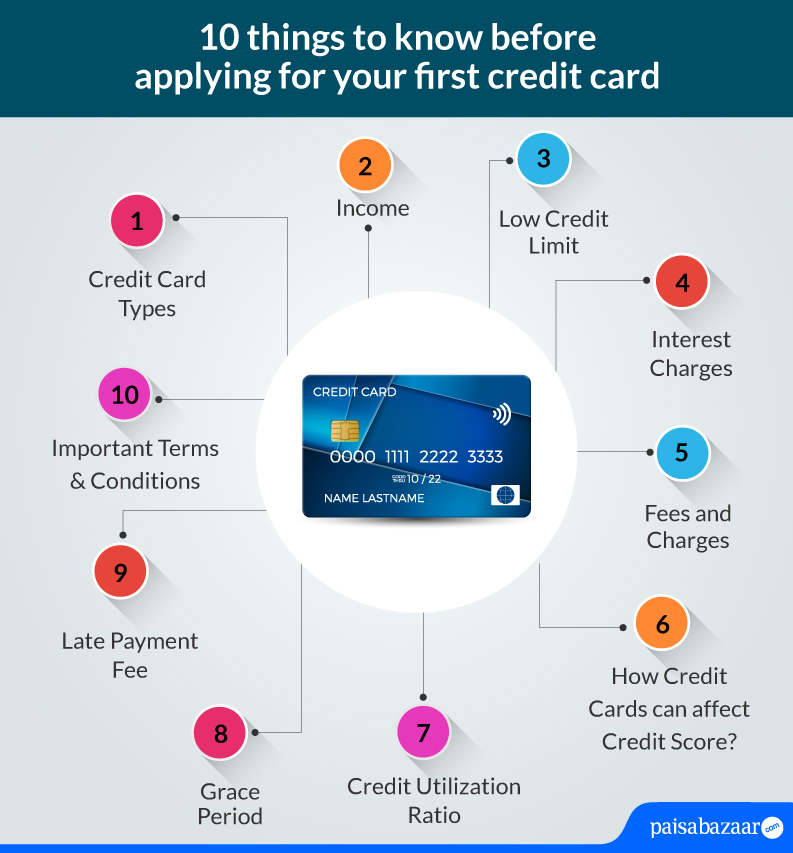
Before you submit an application, it is essential to understand the criteria that lenders use to evaluate your creditworthiness. Banks and financial institutions are essentially gauging the risk of lending you money. If you understand these metrics, you can position yourself as a low-risk applicant, increasing your chances of approval.
The Role of Credit Scores and Reports
The most critical factor in your credit card application is your credit score. In the United States, this is typically a FICO score or a VantageScore, ranging from 300 to 850. Lenders use this number to predict how likely you are to pay back borrowed money on time. A score above 700 is generally considered “good,” while anything above 800 is “excellent.”
Your score is derived from your credit report, which tracks your history with loans, existing credit cards, and payment patterns. If you have no credit history, you are essentially a “thin file” applicant. In this case, lenders have no data to assess your reliability, which can be just as challenging as having a poor score. Before applying, it is wise to request a free copy of your credit report from major bureaus—Equifax, Experian, and TransUnion—to ensure there are no errors dragging your score down.
Income and Debt-to-Income Ratio
Credit card issuers are legally required to ensure that a cardholder has the “ability to pay.” This means you must provide proof of a steady income. While a high salary isn’t always necessary for an entry-level card, your Debt-to-Income (DTI) ratio matters. This ratio compares your monthly debt obligations (like rent, student loans, or car payments) to your gross monthly income. If a high percentage of your income is already spoken for by other debts, a lender may be hesitant to extend further credit, fearing you might become overextended.
Age and Residency Requirements
On a more practical level, you must meet basic legal requirements. In most jurisdictions, you must be at least 18 years old to apply for a credit card. However, under the Credit CARD Act of 2009, applicants under the age of 21 must demonstrate independent income or have a co-signer. Furthermore, most national banks require you to be a legal resident or a citizen with a valid Social Security Number (SSN) or Individual Taxpayer Identification Number (ITIN) to process the application.
Choosing the Right Card for Your Financial Goals
The “best” credit card does not exist in a vacuum; the right choice depends entirely on your current financial standing and your future objectives. Applying for a card that doesn’t align with your profile often leads to a rejected application, which can temporarily lower your credit score.
Secured vs. Unsecured Credit Cards
If you are building credit for the first time or rebuilding after financial hardship, a secured credit card is often the most viable entry point. These cards require a refundable security deposit, which usually acts as your credit limit. Because the deposit protects the lender, these are much easier to obtain.
Conversely, unsecured credit cards are the standard cards most people think of. They do not require a deposit and are granted based on your creditworthiness. These range from basic “starter” cards with low limits to high-end “premium” cards that require excellent credit scores.
Rewards, Cash Back, and Travel Perks
For those with established credit, the focus often shifts to the value proposition of the card.
- Cash Back Cards: Ideal for those who want a simple, tangible return on their spending. Some cards offer a flat percentage (e.g., 2% on everything), while others offer higher rates on specific categories like groceries or gas.
- Travel Rewards Cards: Best for frequent flyers. These cards earn points or miles that can be redeemed for flights, hotel stays, and lounge access.
- Low-Interest or Balance Transfer Cards: These are strategic tools for those looking to pay down existing debt or finance a large purchase without incurring high interest charges.
Cards for Students and First-Time Applicants
Many major banks offer specific “Student” versions of their popular cards. These products are designed for individuals with limited credit history but who are currently enrolled in higher education. They often have lower barrier-to-entry requirements and may even offer “Good Grade” bonuses, making them an excellent way for young adults to begin their financial journey responsibly.
The Step-by-Step Application Process
Once you have identified the category of card that fits your profile, it is time to navigate the actual application. Precision and honesty during this phase are paramount.
Gathering Necessary Documentation
To streamline the online application, have your personal information ready. You will typically need:
- Full legal name and date of birth.
- Social Security Number or ITIN.
- Total annual gross income (including wages, investment income, and in some cases, household income if you are over 21).
- Monthly housing payment.
- Contact information (email, phone, and physical address).
Pre-Qualification vs. Hard Inquiries
Many issuers offer a “pre-qualification” or “pre-approval” tool on their websites. This is a crucial step because it uses a “soft pull” on your credit, which does not impact your score. It gives you a highly accurate estimate of which cards you are likely to be approved for.
Once you officially submit an application, the lender will perform a “hard inquiry.” This will cause a minor, temporary dip in your credit score (usually 5 to 10 points). By using pre-qualification tools first, you minimize the risk of taking a hard inquiry hit for a card you had no chance of getting.
Submitting the Application and Responding to Decisions
Most modern applications provide an instant decision. However, if you receive a “pending” status, do not panic. It may simply mean the bank needs to verify your income or identity. If you are denied, the lender is legally required to send you an “Adverse Action Notice” explaining why. Use this document as a roadmap—if it says your “utilization is too high,” focus on paying down current balances before applying again in three to six months.
Best Practices for Managing Your New Line of Credit
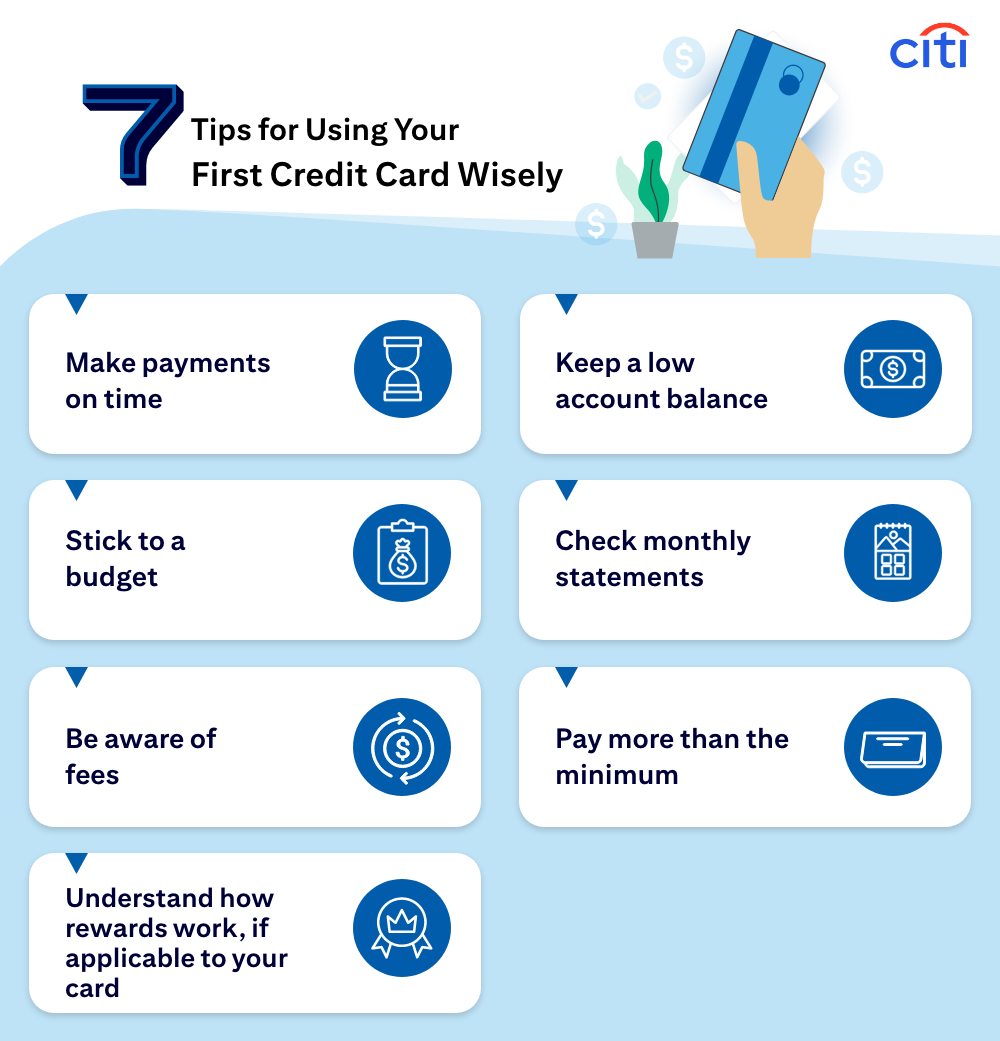
Getting the card is only half the battle; managing it effectively is what builds long-term wealth and financial stability. A credit card is a double-edged sword that requires discipline.
Automating Payments and Avoiding Interest
The golden rule of credit cards is to pay your statement balance in full every month. By doing this, you avoid interest charges entirely, essentially getting a free short-term loan and earning rewards for “free.” Setting up “Auto-Pay” for the full statement balance is the most effective way to ensure you never miss a deadline. A single late payment can stay on your credit report for seven years and significantly damage your score.
Monitoring Your Credit Utilization Ratio
Your credit utilization ratio—the amount of credit you are using compared to your total limit—is the second most important factor in your credit score. Financial experts recommend keeping this ratio below 30%, though below 10% is ideal. For example, if you have a $1,000 limit, try not to have a balance higher than $300 when your statement closes. High utilization signals to lenders that you may be over-reliant on credit, which can lower your score even if you pay on time.
Protecting Your Financial Identity
In an era of increasing digital fraud, managing a credit card also involves vigilant monitoring. Use the card issuer’s mobile app to set up real-time transaction alerts. This allows you to spot unauthorized charges immediately. Furthermore, credit cards offer superior consumer protection compared to debit cards; if a fraudulent charge occurs, you are generally not held liable for the loss while the bank investigates.
By understanding these pillars of the credit world—eligibility, selection, application, and management—you can turn a credit card into a cornerstone of your financial success. Approach the process with patience and strategy, and you will find that a credit card is one of the most effective tools for navigating the modern economy.
aViewFromTheCave is a participant in the Amazon Services LLC Associates Program, an affiliate advertising program designed to provide a means for sites to earn advertising fees by advertising and linking to Amazon.com. Amazon, the Amazon logo, AmazonSupply, and the AmazonSupply logo are trademarks of Amazon.com, Inc. or its affiliates. As an Amazon Associate we earn affiliate commissions from qualifying purchases.