
The era of visiting a physical travel agent to browse paper brochures is long dead. Today, the quest for affordable airfare is an arms race between sophisticated airline algorithms and the tech-savvy consumer. Airlines employ massive data centers and complex revenue management software to fluctuate prices by the minute, often based on variables the average traveler never considers. To win this game, one must understand the technology driving the industry and leverage a specific suite of digital tools designed to exploit gaps in the system. Getting a cheap flight is no longer about luck; it is about data literacy, network optimization, and the strategic use of software.
The Evolution of Dynamic Pricing: Understanding the Airline Algorithm
At the heart of modern airfare is “Dynamic Pricing,” a tech-driven strategy where prices are adjusted in real-time based on supply, demand, and consumer behavior. This isn’t managed by humans, but by powerful Revenue Management Systems (RMS) that process millions of data points every second.
How Airlines Use Big Data to Forecast Demand
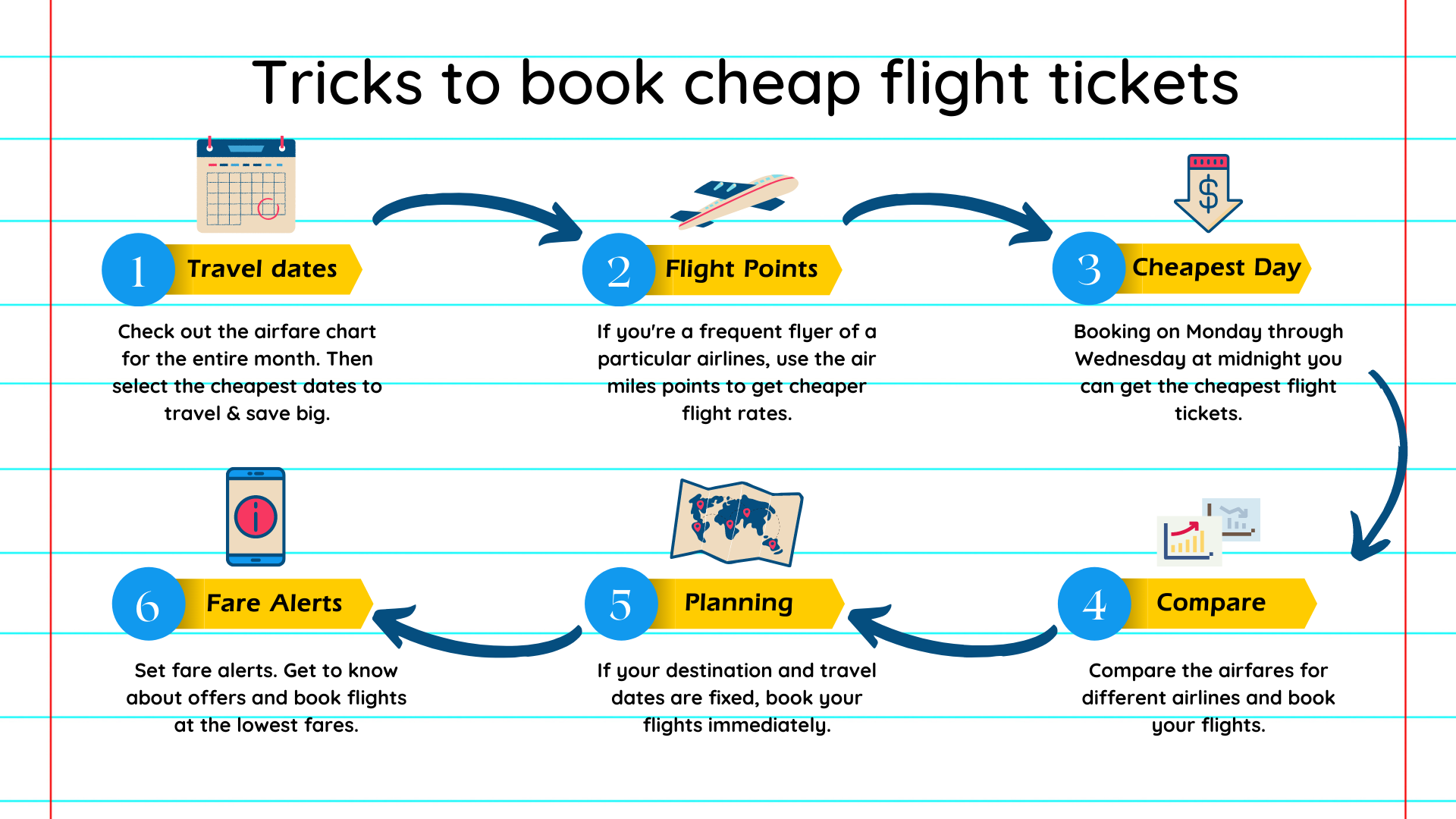
Airlines utilize historical data—often spanning decades—to predict exactly how many seats will sell on a specific route at a specific time. However, modern tech goes further. They now integrate real-time data from global events, weather patterns, and even the search volume on their own websites. If a tech conference is announced in San Francisco, the algorithms instantly recognize the spike in search queries and adjust the “buckets” of available seats. Understanding that you are fighting an AI helps you realize that traditional “tricks” like booking on a Tuesday are largely obsolete; the machine is far more reactive than that.
The Role of Cookies and Browser Fingerprinting
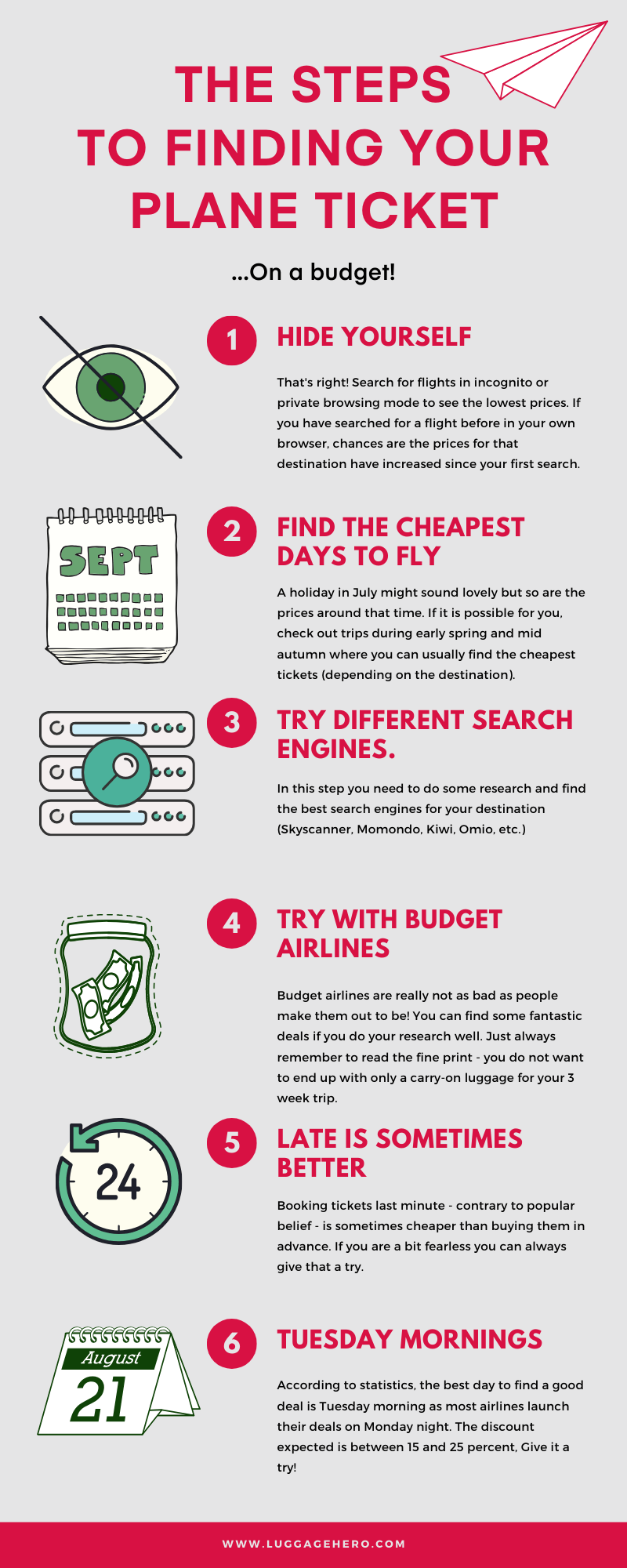
There has long been a debate about whether airlines raise prices if you search for the same flight multiple times. From a technical standpoint, this is facilitated through cookies and browser fingerprinting. While many industry experts claim airlines don’t use “search history” to hike prices, the tech exists to do so. Browser fingerprinting allows a website to identify your specific device based on your OS, screen resolution, and installed fonts. To mitigate any risk of targeted price increases, power users rely on “Incognito Mode” or, more effectively, specialized privacy browsers that rotate user agents and clear cache data after every session.
Leveraging the Digital Stack: Essential Software for Travelers
To beat the airline’s AI, you need your own tech stack. The modern traveler should view flight searching as a data-mining exercise. By using the right aggregators and predictive tools, you can visualize the price floor of any given route.
Meta-Search Engines and GDS Integration
Most flight search engines pull data from Global Distribution Systems (GDS) like Amadeus, Sabre, and Travelport. However, not all search engines are programmed the same way. Platforms like Google Flights and Skyscanner use high-speed APIs to query these databases. Google Flights is particularly powerful because it uses the ITA Software Matrix—the same heavy-duty engine used by travel professionals—to provide lightning-fast filtering. The “Tech” advantage here is using “Explore” features that allow you to leave the destination blank, letting the algorithm find the lowest data points across a global map.
Predictive Analytics and AI Forecasting
Apps like Hopper have revolutionized the booking process by using predictive analytics. Hopper’s AI analyzes trillions of historical flight prices to predict whether a fare will rise or fall with a claimed 95% accuracy. Instead of checking manually every day, users can set up “Watches.” When the algorithm detects a price dip that matches a historical “low” for that specific route, it sends a push notification. This is the quintessence of “Tech” replacing “Effort”—letting a machine monitor the market 24/7 so you don’t have to.
Automated Alert Systems and Web Scraping
For those looking for “Error Fares”—tickets priced incorrectly due to human error or technical glitches—manual searching is impossible. These fares often last only minutes. Tech-savvy travelers use services that employ web-scraping bots to monitor airline backends. When a bot detects a massive anomaly (like a $200 round trip from New York to Tokyo), it triggers an automated alert via email or Telegram. Using these “push” technologies ensures you are at the front of the line before the airline’s IT department patches the glitch.
Geographic Arbitrage and Network Optimization
One of the most effective technical methods for reducing flight costs involves manipulating your digital presence and understanding the architecture of airline networks.
Using VPNs to Bypass Regional Pricing Tiers
Airlines often practice “Point of Sale” pricing. A user booking a flight from a high-income country like the United States may be shown a higher price than a user booking the exact same flight from a lower-income country or the airline’s home country. By using a Virtual Private Network (VPN), you can mask your IP address and spoof your location. Setting your VPN to a country with a weaker currency or a lower cost of living can sometimes trigger a different pricing tier in the airline’s database. This technical “geographic arbitrage” requires a clean browser cache and, occasionally, paying in the local currency of the spoofed location to realize the full savings.
Hidden City Ticketing and Multi-City Routing Tools
The logic of airline pricing is often counter-intuitive. A flight from London to New York might be $800, but a flight from London to Los Angeles with a layover in New York might be $500. “Hidden City Ticketing” is the practice of booking the cheaper flight to the further destination and simply walking out of the airport at the layover city. Platforms like Skiplagged use proprietary algorithms to find these “hidden” opportunities that standard search engines are programmed to ignore. Furthermore, using “Multi-City” search tools to manually “stitch” together flights from different low-cost carriers (known as “Self-Transfer”) can bypass the expensive “interlining” agreements that major airlines use to keep prices high.
The Future of Airfare Tech: AI Agents and Blockchain
As we look toward the future, the technology used to find cheap flights is becoming even more autonomous and decentralized.
Generative AI and Personal Travel Assistants
We are moving away from manual search bars toward Natural Language Processing (NLP). Large Language Models (LLMs) like ChatGPT, when integrated with travel plugins, can now process complex queries like, “Find me the cheapest way to get to a beach destination in Europe with a 5-hour max flight time and a hotel under $100.” These AI agents can scan multiple variables simultaneously—weather, flight costs, and local events—providing a curated data set that would take a human hours to compile.
Decentralized Booking and Smart Contracts
The rise of Web3 and blockchain technology is beginning to touch the travel industry. Decentralized booking platforms aim to remove the “middleman” fees charged by traditional Online Travel Agencies (OTAs). By using smart contracts, a traveler can purchase a ticket directly on a ledger, potentially reducing the overhead costs that airlines pass on to consumers. Moreover, some startups are tokenizing flight tickets as NFTs, allowing for a secure, transparent secondary market where travelers can resell their non-refundable tickets if they can’t travel, creating a new ecosystem for “discounted” last-minute airfare.

Conclusion: The Digital Advantage
In the modern landscape, the secret to “how to get cheap flights” is synonymous with “how to use technology.” The days of “insider secrets” are over; we now live in an era of data transparency and algorithmic warfare. By understanding the mechanics of dynamic pricing, employing a robust stack of predictive software, and using tools like VPNs to navigate the global digital market, you can consistently find prices that the average consumer will never see. To travel cheaply is to be a master of the digital tools at your disposal, turning the very algorithms designed to maximize airline profits into instruments for your own financial advantage.
aViewFromTheCave is a participant in the Amazon Services LLC Associates Program, an affiliate advertising program designed to provide a means for sites to earn advertising fees by advertising and linking to Amazon.com. Amazon, the Amazon logo, AmazonSupply, and the AmazonSupply logo are trademarks of Amazon.com, Inc. or its affiliates. As an Amazon Associate we earn affiliate commissions from qualifying purchases.