
For the modern consumer, auto insurance is often viewed as a burdensome monthly expense or a mere legal formality required to register a vehicle. However, when viewed through the lens of personal finance, auto insurance is one of the most critical risk management tools in an individual’s financial portfolio. A single accident can lead to hundreds of thousands of dollars in medical bills, legal fees, and property damage—costs that can instantly derail a long-term investment strategy or lead to bankruptcy.
Understanding how to get auto insurance is not just about finding the lowest price; it is about securing the appropriate level of protection for your assets while optimizing your cash flow. This guide provides a comprehensive roadmap for navigating the insurance market from a financial perspective.
Evaluating Your Financial Needs and Coverage Requirements
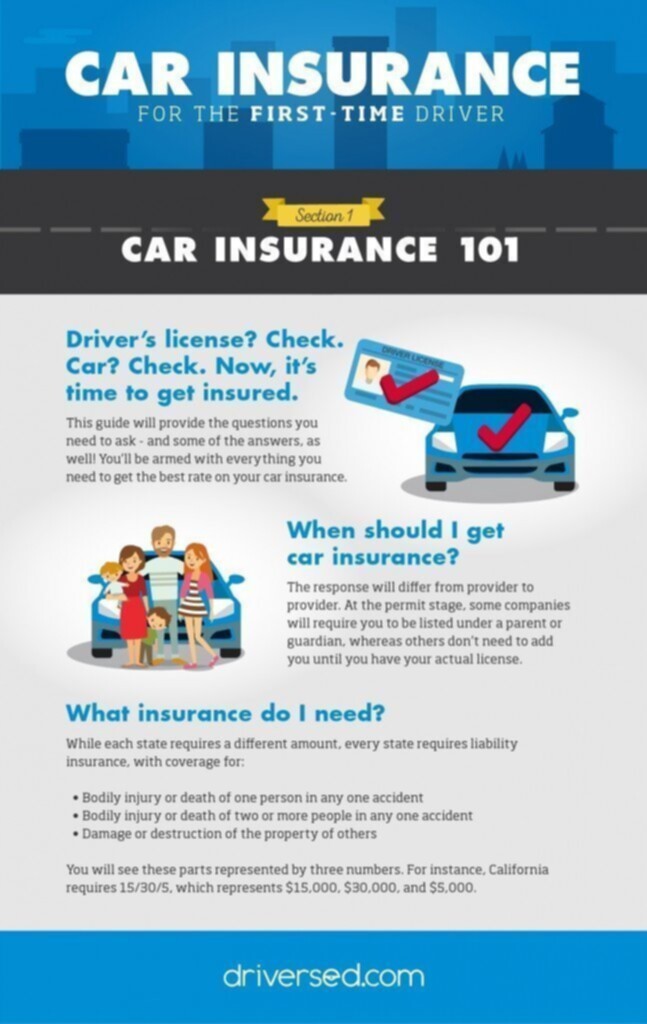
Before requesting quotes or contacting agents, you must conduct a thorough assessment of your financial standing. The “state minimum” coverage is rarely sufficient for anyone with significant assets to protect. The goal is to balance the cost of premiums with the potential “out-of-pocket” impact of a catastrophic event.
The Role of Liability Coverage in Asset Protection
Liability insurance is the cornerstone of financial protection. It consists of two parts: Bodily Injury liability and Property Damage liability. If you are found at fault in an accident, these coverages pay for the other party’s expenses. From a money management perspective, your liability limits should ideally align with your net worth. If your limits are too low, an injured party could sue you personally for the difference, putting your savings, home equity, and future earnings at risk. Financial experts often recommend a 100/300/100 split ($100,000 per person, $300,000 per accident, and $100,000 for property damage) as a baseline for middle-class households.
Collision and Comprehensive: Safeguarding Your Capital Investment
A vehicle is a depreciating asset, but for most people, it represents a significant capital investment. Collision coverage pays to repair your car after an accident, regardless of fault. Comprehensive coverage protects against non-collision events such as theft, fire, or natural disasters. When deciding whether to include these, consider the “replacement rule”: if the annual cost of the coverage plus your deductible exceeds the actual cash value of the car, it may be financially prudent to drop these coverages and “self-insure” by keeping an emergency fund specifically for vehicle replacement.
Uninsured and Underinsured Motorist Protection
While you can control your own coverage, you cannot control the financial responsibility of others. A significant percentage of drivers operate vehicles without insurance or with inadequate limits. Uninsured Motorist (UM) coverage is essentially insurance you buy to protect yourself from others’ financial negligence. In the context of personal finance, this is a low-cost way to ensure that your medical bills and lost wages are covered even if the at-fault party is insolvent.
The Step-by-Step Acquisition Process
Securing a policy requires a systematic approach to ensure you are receiving the best value for your dollar. The insurance market is highly competitive, and prices can vary by hundreds of dollars between providers for the exact same coverage levels.
Information Gathering and Documentation
To receive an accurate quote, you must have your financial and personal data ready. This includes your Vehicle Identification Number (VIN), your driver’s license number, and a record of your driving history for the last three to five years. Crucially, you should also have a copy of your current “Declarations Page.” This document lists your current coverages and limits, serving as a benchmark to ensure that when you shop around, you are comparing “apples to apples.”
Comparative Shopping: Leveraging Quotes for Best Value
The most common mistake in personal finance is brand loyalty to an insurance company that does not reward it. It is recommended to get at least three to five quotes from different types of insurers: captive agents (who work for one company), independent agents (who represent multiple brands), and direct-to-consumer online platforms. By casting a wide net, you expose yourself to different underwriting models, some of which may favor your specific demographic or driving profile more than others.
Finalizing the Policy and Binding Coverage
Once you have selected a provider based on the balance of price, financial stability ratings (such as A.M. Best scores), and coverage terms, you must “bind” the policy. This involves making an initial payment and signing the legal documents. Ensure there is no gap between the cancellation of your old policy and the start of your new one. A lapse in coverage, even for twenty-four hours, can lead to a “high-risk” designation by future insurers, significantly increasing your long-term premiums.
Deciphering the Financial Variables of Premium Calculation
Insurance companies use complex actuarial science to determine your premium. Understanding these variables allows you to make lifestyle or financial adjustments that can lower your costs over time.
The Impact of Credit-Based Insurance Scores
In most states, your credit history is one of the most influential factors in determining your insurance premium. Actuarial data suggests a strong correlation between financial responsibility and driving safety. From a money management standpoint, improving your credit score—by reducing revolving debt and ensuring on-time payments—can yield a higher “Return on Investment” via lower insurance premiums than many traditional savings accounts.
Actuarial Risk: Driving History and Demographic Profiles
Your history as a “financial risk” to the company is measured by your claims and violation history. A single speeding ticket or an at-fault accident can result in a “surcharge” on your premium that lasts for three to five years. Additionally, factors such as your age, marital status, and primary residence location play a role. Living in an area with high rates of litigation or vehicle theft will naturally command a higher premium, a factor that should be considered when choosing a place to live.
Vehicle Depreciation and Replacement Value Considerations
The type of vehicle you drive significantly impacts your insurance overhead. High-performance sports cars or luxury SUVs are more expensive to repair and have higher theft rates, leading to higher premiums. Before purchasing a new vehicle, it is financially wise to call your insurance agent for a “pre-purchase quote.” This ensures that the insurance cost of the new asset fits within your monthly budget.
Advanced Strategies for Reducing Insurance Expenses
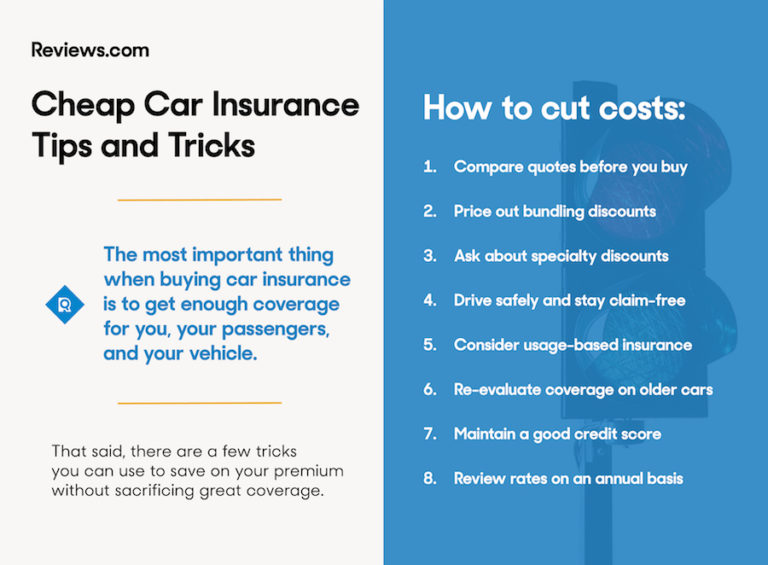
Optimization is the key to efficient personal finance. Once you have a policy, there are several strategic levers you can pull to reduce your annual spend without sacrificing essential protection.
Optimizing Deductibles for Cash Flow Management
The deductible is the amount you pay out of pocket before the insurance company contributes. Moving from a $250 deductible to a $1,000 deductible can reduce your premium by 15% to 30%. However, this is only a sound financial move if you have the liquidity to cover that $1,000 at a moment’s notice. By maintaining a robust emergency fund, you can afford higher deductibles, thereby lowering your fixed monthly expenses.
Bundling and Multi-Policy Incentives
Most financial institutions reward “depth of relationship.” By bundling your auto insurance with homeowners, renters, or life insurance, you can often trigger discounts ranging from 5% to 25% across all policies. This not only simplifies your financial life by consolidating bills but also provides a significant “bulk-buy” discount that is hard to match with standalone policies.
Telematics and Usage-Based Savings
A growing trend in the financial tech space of insurance is “telematics.” By allowing an insurer to track your driving habits via a mobile app or plug-in device, you can earn discounts based on your actual behavior rather than general demographic data. If you are a low-mileage driver or a cautious one, this can result in substantial savings, aligning your insurance costs directly with your actual usage of the asset.
Integrating Auto Insurance into Your Long-Term Financial Plan
Auto insurance is not a “set it and forget it” product. As your life changes—as you build wealth, get married, buy a home, or retire—your insurance needs will evolve.
Periodic Reviews and Market Re-entry
Financial advisors recommend reviewing your insurance portfolio at least once every twelve to eighteen months. As your car ages, the need for collision coverage diminishes. As your net worth grows, the need for higher liability limits increases. Furthermore, the insurance market is cyclical; a company that was the most expensive two years ago may have changed its underwriting criteria and now offers the most competitive rates in your zip code.
Managing the Financial Impact of an Incident
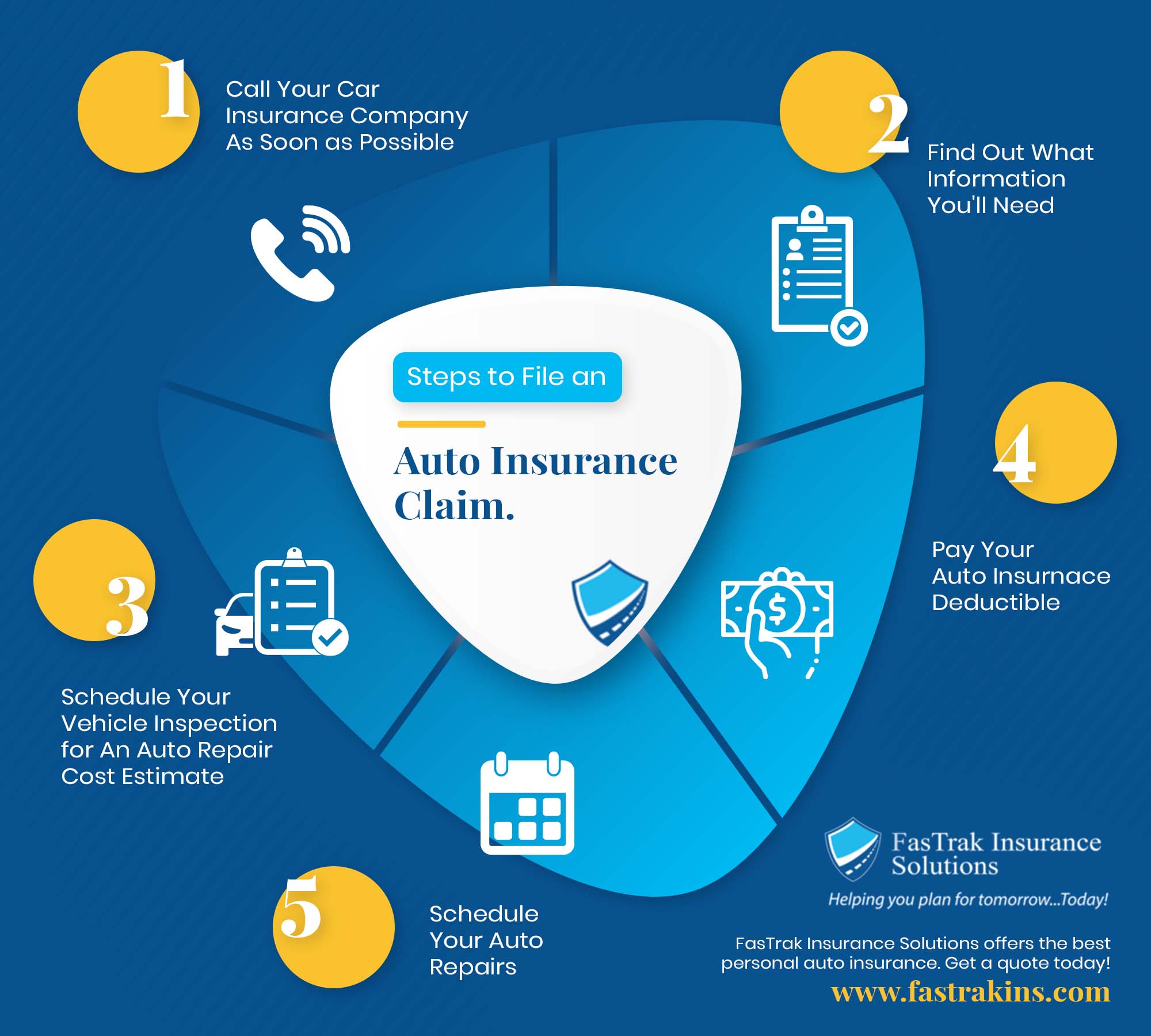
If you are involved in an accident, the way you handle the claim is a financial decision. For minor damages that are only slightly above your deductible, it may be more cost-effective to pay for repairs out of pocket. Filing a claim for a $1,200 repair when you have a $1,000 deductible may net you $200 today, but it could cost you $500 in increased premiums over the next three years. Always calculate the “long-term cost of a claim” before involving the insurer for minor issues.
By treating auto insurance as a sophisticated financial instrument rather than a mere bill, you can protect your hard-earned assets and ensure that your journey toward financial independence is not derailed by the unpredictable nature of the road. Shopping for insurance with a “Money” mindset—focusing on risk, ROI, and asset protection—is the hallmark of a savvy investor and a responsible vehicle owner.