
The intersection of healthcare and technology has fundamentally altered the patient experience. What once required a physical journey to a clinic and a long wait in a sterile room has been streamlined into a digital workflow. Getting a prescription online is no longer a futuristic concept; it is a sophisticated orchestration of software, cloud computing, and encrypted communication. This guide explores the technological infrastructure that enables online prescriptions and provides a technical roadmap for navigating these digital health platforms.
The Architecture of Modern Telehealth Platforms
At the core of the “online prescription” experience is the telehealth platform—a complex suite of software designed to replicate and enhance the clinical encounter. These platforms are not merely video conferencing tools; they are integrated ecosystems that connect patients, providers, and pharmacies in real-time.
Video Conferencing and Real-Time Diagnostics
The primary interface for getting a prescription online is the high-definition video consultation. Modern platforms utilize WebRTC (Web Real-Time Communication) protocols, which allow for low-latency, high-quality audio and video streaming directly within a web browser or mobile app. This technology is critical because it allows a physician to perform visual assessments—such as checking for physical symptoms or observing a patient’s demeanor—which are essential for making an informed prescribing decision.
Electronic Health Records (EHR) Integration
Behind the scenes, the most vital piece of technology is the integration with Electronic Health Records (EHR). When you use an online service, the software must communicate with centralized databases to pull your medical history, existing prescriptions, and known allergies. This interoperability is powered by APIs (Application Programming Interfaces) that follow FHIR (Fast Healthcare Interoperability Resources) standards. By automating the data retrieval process, the technology ensures that the prescribing physician has a comprehensive view of the patient’s health profile, reducing the risk of adverse drug interactions.
Navigating the Workflow of Online Prescribing
Understanding how to get a prescription online requires an understanding of the digital workflow. The process is a sequence of data inputs and algorithmic checks that ensure safety and legal compliance before a doctor ever joins the call.
Asynchronous vs. Synchronous Consultations
The “how” depends heavily on whether a platform uses synchronous or asynchronous technology. Synchronous consultations involve a live, two-way interaction. Asynchronous technology, often used for routine refills or dermatological issues, allows patients to upload photos and complete detailed questionnaires at their convenience. A physician then reviews this digital packet at a later time. From a tech perspective, asynchronous platforms rely heavily on robust database management and secure file-hosting services to ensure that high-resolution medical images are stored and transmitted without loss of detail.
Digital Questionnaires and AI Screening
Before you speak to a doctor, you usually interact with an intelligent intake form. These are not static documents; they are dynamic branching logic forms. If a patient indicates a specific symptom, the software automatically triggers a subset of deeper questions. In advanced HealthTech platforms, AI-driven screening tools analyze these inputs to flag “red flags”—symptoms that suggest a patient might be seeking a controlled substance inappropriately or who may be experiencing a medical emergency that requires an in-person ER visit. This automated triage is a cornerstone of digital prescription safety.
Ensuring Data Security and Regulatory Compliance
One of the biggest hurdles in the tech side of online prescriptions is security. Because medical data is highly sensitive and valuable on the dark web, telehealth platforms must employ military-grade security protocols.

Encryption Standards and HIPAA Compliance
In the United States, the Health Insurance Portability and Accountability Act (HIPAA) mandates strict standards for data protection. Any platform used to get a prescription online must use end-to-end encryption. This means that data is encrypted at the source (the patient’s device) and only decrypted at the destination (the doctor’s terminal or the pharmacy’s server). Technologies like AES-256 (Advanced Encryption Standard) are the industry norm for protecting “data at rest” (stored data) and “data in transit.”
Verifying Legitimacy: E-Prescribing Networks
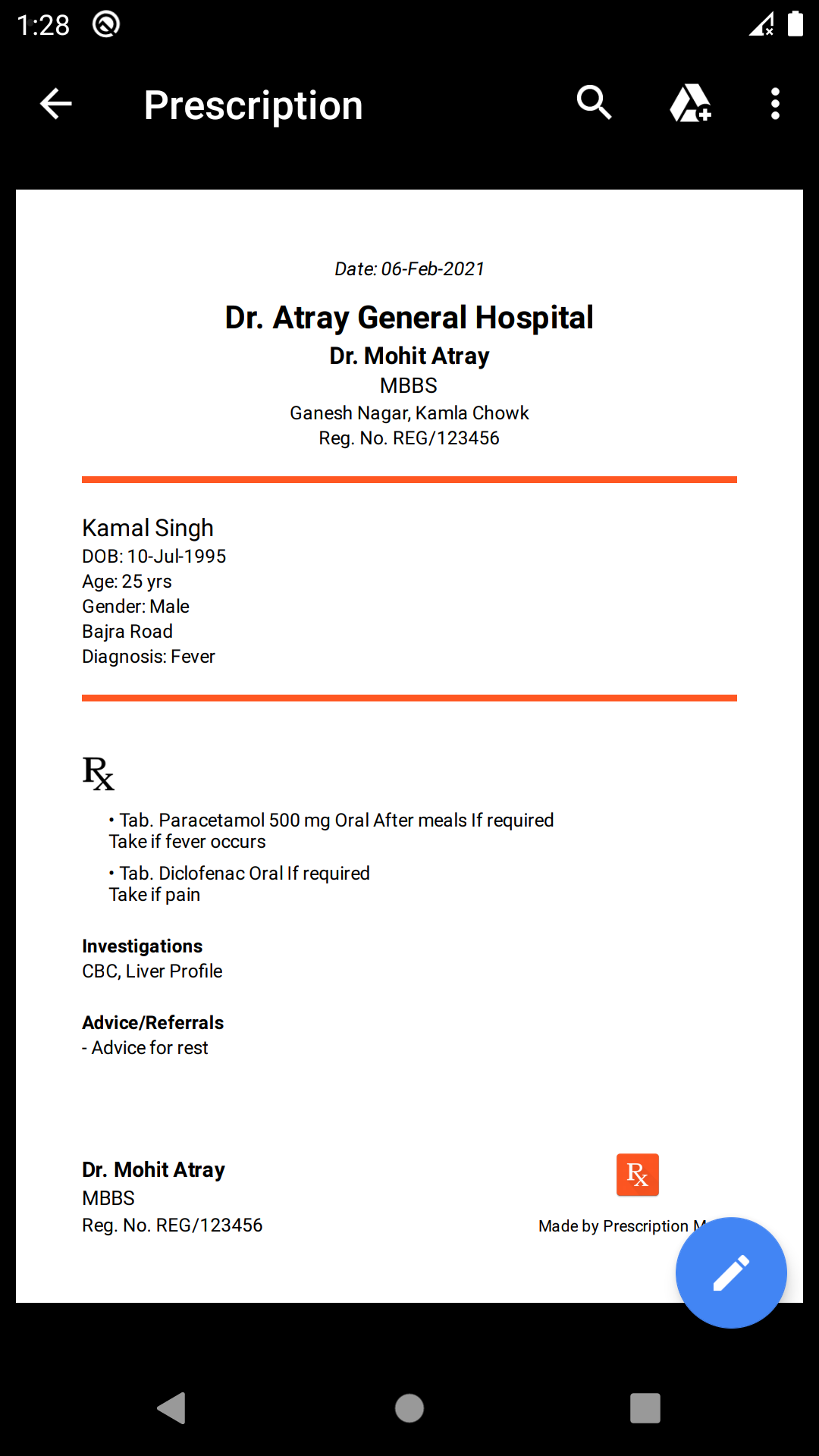
The actual “sending” of the prescription is a tech marvel in itself. Gone are the days of paper slips or even simple faxes. Modern prescriptions are sent via E-Prescribing (eRx) networks like Surescripts. These networks function as a secure, private internet for medical orders. When a doctor clicks “submit” on their portal, the data is packaged into a standardized format (NCPDP SCRIPT), digitally signed with an electronic credential, and routed through a secure clearinghouse directly to the pharmacy’s dispensing software. This digital paper trail is virtually impossible to forge, adding a layer of security that paper prescriptions never had.
The Role of Mobile Apps and IoT in Prescription Management
The evolution of mobile technology has placed a pharmacy in the pocket of every consumer. Mobile apps have become the primary gateway for patients looking to manage their medications digitally.
Smartphone Apps as Medical Portals
Mobile applications offer a more integrated experience than web browsers. They can leverage native phone features like biometrics (FaceID or fingerprint sensors) for secure login, ensuring that only the authorized patient can access their prescription history. Furthermore, push notifications serve as a “technological nudge,” reminding patients when it is time for a follow-up consultation or when a prescription is ready for pickup.
Wearable Data and Precision Dosing
The next frontier in getting a prescription online involves Internet of Things (IoT) devices. Modern telehealth platforms are increasingly allowing patients to sync data from Apple HealthKit or Google Fit. By providing a doctor with 30 days of continuous heart rate data or blood glucose levels from a wearable sensor, the technology allows for more precise “data-driven prescribing.” Instead of a one-size-fits-all dosage, the tech enables a physician to tailor a prescription based on the patient’s real-world physiological data.
The Future of Digital Medicine: AI and Automation
As we look toward the future of how to get a prescription online, the role of Artificial Intelligence (AI) and Machine Learning (ML) will only grow. These technologies are set to make the process faster, safer, and more personalized.
AI-Assisted Risk Assessment
Machine learning models are currently being trained on millions of clinical outcomes to help doctors predict which medications will be most effective for a specific patient. In the online prescription context, an AI might analyze a patient’s genetic markers (if uploaded) or lifestyle data to suggest a specific medication class to the doctor. This doesn’t replace the doctor’s judgment; rather, it provides a “clinical decision support” layer that enhances the accuracy of the online consultation.
Automated Refill Logistics and Blockchain
The logistics of receiving a prescription are also being revolutionized. Some startups are exploring blockchain technology to create a decentralized, immutable ledger of prescriptions. This would prevent “doctor shopping” (seeking the same prescription from multiple providers) more effectively than current state databases. Simultaneously, the integration of autonomous delivery bots and smart-lock pharmacy kiosks ensures that once the “tech” of the prescription is complete, the physical medication reaches the patient through equally advanced means.

Conclusion
The journey of getting a prescription online is a testament to the power of the modern tech stack. From the WebRTC protocols that facilitate the virtual visit to the FHIR-based APIs that manage medical history, and the E-Prescribing networks that securely transmit the final order, every step is a sophisticated digital interaction. As AI and IoT continue to integrate into these platforms, the process will become even more seamless, transforming the smartphone into a powerful tool for personalized, data-driven healthcare. For the modern patient, understanding this technology is the first step toward taking control of their health in the digital age.
aViewFromTheCave is a participant in the Amazon Services LLC Associates Program, an affiliate advertising program designed to provide a means for sites to earn advertising fees by advertising and linking to Amazon.com. Amazon, the Amazon logo, AmazonSupply, and the AmazonSupply logo are trademarks of Amazon.com, Inc. or its affiliates. As an Amazon Associate we earn affiliate commissions from qualifying purchases.