
Securing a mortgage is perhaps the most significant financial transaction the average person will undertake in their lifetime. It is a complex, multi-layered process that requires meticulous planning, a deep understanding of personal finance, and a strategic approach to the lending market. While the prospect of transitioning from a renter to a homeowner is exciting, the path to obtaining a home loan is paved with rigorous documentation, credit scrutiny, and financial benchmarks.
To successfully navigate this landscape, one must view the mortgage process not just as a series of forms to sign, but as a strategic financial project. This guide outlines the essential steps to obtaining a mortgage, from the initial stages of financial preparation to the final signature at the closing table.
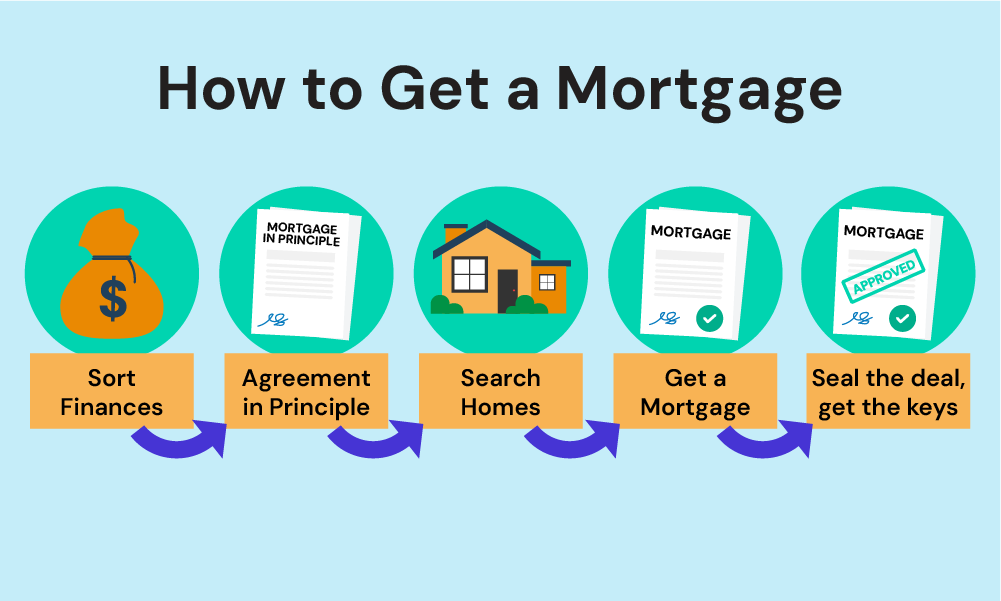
1. Financial Preparation: Building Your Mortgage Readiness
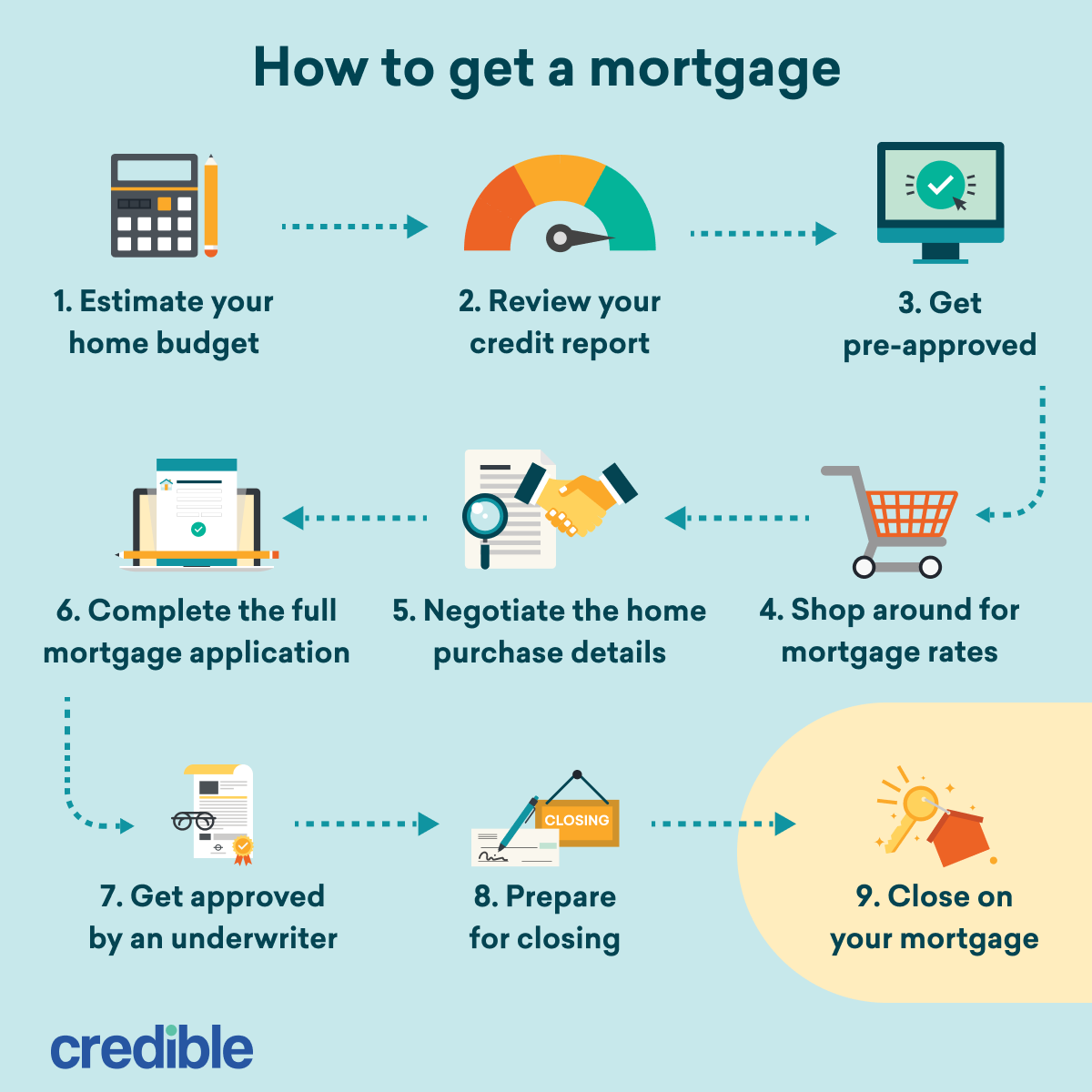
Before you even browse a real estate listing, your first priority must be your “financial fitness.” Lenders view you through the lens of risk; the more stable and liquid you appear, the better the terms you will receive.
Improving Your Credit Score
Your credit score is the single most important factor in determining your interest rate. A higher score signifies to the lender that you are a reliable borrower who manages debt responsibly. To get the best rates, aim for a score of 740 or higher, though options exist for those in the 600s. To boost your score, ensure all bills are paid on time, keep credit card balances below 30% of your limit, and avoid opening new credit lines or making large purchases (like a new car) in the months leading up to your application.
Managing Debt-to-Income (DTI) Ratios
Lenders use the Debt-to-Income (DTI) ratio to measure your ability to manage monthly payments. This is calculated by dividing your total monthly debt obligations by your gross monthly income. Ideally, lenders prefer a DTI ratio below 43%, though some programs allow for higher. If your DTI is too high, focus on paying down high-interest revolving debt, such as credit cards or personal loans, to free up “room” for a mortgage payment.
Saving for the Down Payment and Closing Costs
While the traditional 20% down payment is the gold standard for avoiding Private Mortgage Insurance (PMI), it is not a strict requirement for many. However, you must still accumulate a significant “nest egg.” Beyond the down payment, you must account for closing costs, which typically range from 2% to 5% of the home’s purchase price. Lenders will also want to see “reserves”—extra cash in your bank account after the house is bought—to ensure you can handle emergency repairs or temporary income loss.
2. Understanding Your Loan Options
The mortgage market is not one-size-fits-all. Choosing the right product can save you tens of thousands of dollars over the life of the loan.
Conventional Loans vs. Government-Backed Loans
Conventional loans are the most common and are typically governed by entities like Fannie Mae and Freddie Mac. They generally require higher credit scores but offer more flexibility once you reach 20% equity.
For those with lower credit scores or smaller down payments, government-backed options are available:
- FHA Loans: Insured by the Federal Housing Administration, these allow for down payments as low as 3.5% and are more forgiving of lower credit scores.
- VA Loans: Available to veterans and active-duty service members, these often require $0 down and have no monthly mortgage insurance.
- USDA Loans: Designed for rural and suburban homebuyers with low-to-moderate incomes, also offering 0% down options.
Fixed-Rate vs. Adjustable-Rate Mortgages (ARMs)
A fixed-rate mortgage offers stability; your interest rate and monthly principal-and-interest payment remain the same for the entire duration (usually 15 or 30 years). Conversely, an Adjustable-Rate Mortgage (ARM) starts with a lower “teaser” rate for a set period (e.g., 5 or 7 years) before adjusting based on market conditions. ARMs can be beneficial for those who plan to sell or refinance before the rate adjusts, but they carry the risk of significantly higher payments in the future.
Choosing the Right Term Length
The 30-year mortgage is the standard because it offers the lowest monthly payment. However, if your budget allows, a 15-year mortgage significantly reduces the total interest paid over the life of the loan and builds equity much faster. When selecting a term, balance your monthly cash flow needs against your long-term wealth-building goals.
3. The Pre-Approval Process: Your Golden Ticket
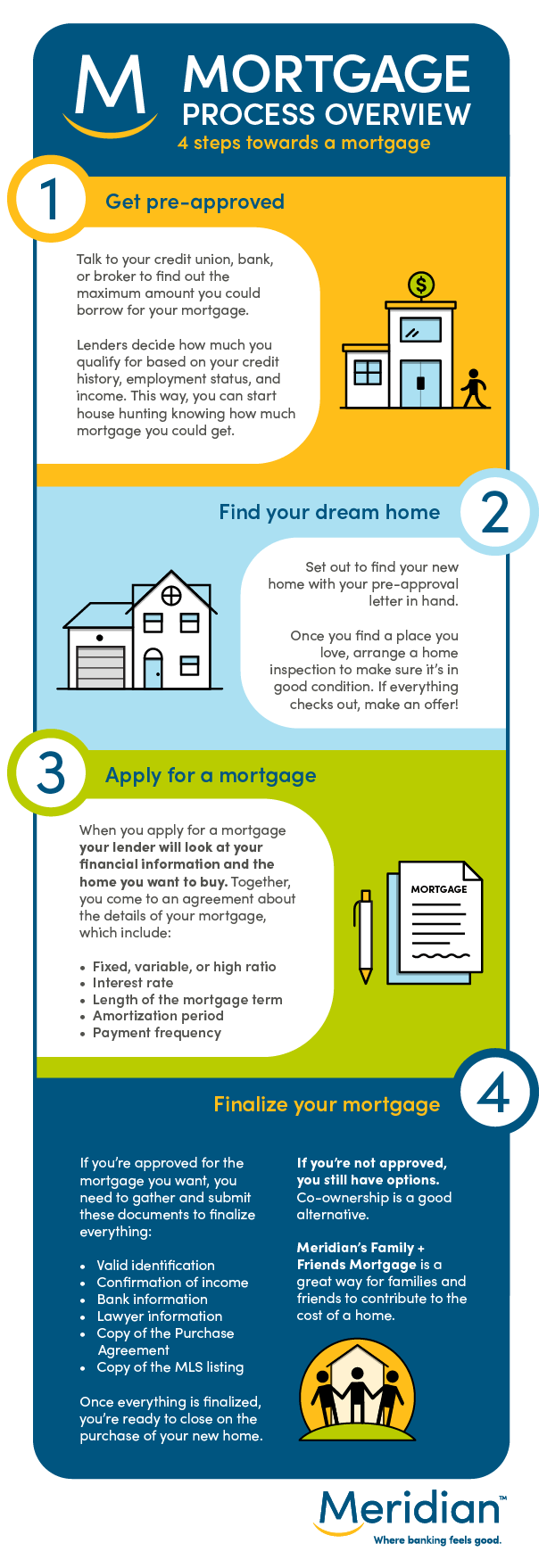
In a competitive real estate market, a pre-approval letter is your “passport” to viewing homes and making offers. It proves to sellers that a financial institution has already vetted your finances and is willing to lend you a specific amount.
The Difference Between Pre-Qualification and Pre-Approval
A pre-qualification is a preliminary estimate based on unverified information you provide to a lender. It holds little weight in a serious negotiation. A pre-approval, however, involves a hard credit pull and an initial review of your financial documents. It is a much more robust commitment from the lender and is essential for any serious homebuyer.
Necessary Documentation for Lenders
To get pre-approved, you must provide a paper trail of your financial life. Be prepared to submit:
- Income Verification: W-2s from the last two years and your most recent pay stubs.
- Tax Returns: Typically the last two years of federal filings.
- Asset Statements: Two to three months of bank statements and investment account summaries.
- Employment History: Lenders prefer two years of steady employment in the same field.
Why Rate Shopping Matters
Not all lenders are created equal. Rates and fees can vary significantly between big banks, credit unions, and online mortgage brokers. When you apply for pre-approval, try to “rate shop” within a 14-to-45-day window. Credit scoring models recognize this as shopping for a single loan, so multiple inquiries will only count as one hit to your credit score. Comparing Loan Estimates from at least three different lenders can help you identify who is offering the lowest “Annual Percentage Rate” (APR), which includes both interest and fees.
4. From Application to Underwriting: The Final Hurdles
Once you have a signed purchase agreement for a home, the mortgage process shifts into high gear. This is the transition from a “pre-approval” to a formal loan commitment.
Submitting the Formal Loan Application
Your lender will update your file with the specific details of the property you are purchasing. During this phase, it is crucial to remain financially stagnant. Do not change jobs, do not take out new loans, and do not make large deposits into your bank accounts that cannot be easily sourced. Any sudden change in your financial profile can derail the application.
Navigating the Appraisal and Inspection
The lender will hire a third-party appraiser to ensure the home is actually worth the price you are paying. This protects the lender’s investment. If the appraisal comes in low, you may need to cover the “appraisal gap” in cash, renegotiate the price with the seller, or walk away. While the lender requires an appraisal, you should independently hire a home inspector to check for structural issues, as the lender is concerned with value, but you are concerned with safety and maintenance.
The Role of the Underwriter
The underwriter is the final gatekeeper. Their job is to verify every detail of your application and ensure it meets all lending guidelines. They may issue “conditions”—requests for more information, such as a letter explaining a gap in employment or additional proof of a down payment gift. Promptly responding to these requests is vital to keeping your closing date on track.
5. Closing the Deal: Finalizing Your Investment
The closing (or settlement) is the final stage where ownership of the property is officially transferred from the seller to you.
Reviewing the Closing Disclosure
At least three business days before closing, your lender is legally required to provide a Closing Disclosure (CD). This document summarizes the final terms of your loan, your exact monthly payment, and the “cash to close” amount. Compare this carefully with your original Loan Estimate to ensure there are no unexpected fees or rate changes.
Preparing for Closing Day Costs
On closing day, you will be required to provide the funds for your down payment and closing costs. This is usually done via a wire transfer or a cashier’s check. Be extremely vigilant regarding “wire fraud”; always verify wiring instructions via a known phone number for your title company or attorney, as scammers often target homebuyers during this vulnerable window.
Signing the Final Paperwork
The actual closing usually takes place at a title company or an attorney’s office. You will sign a mountain of documents, including the Promissory Note (your legal promise to repay the loan) and the Deed of Trust (which puts the house up as collateral). Once the funds are disbursed and the deed is recorded with the county, you will receive the keys to your new home.
Obtaining a mortgage is a marathon, not a sprint. By focusing on credit health, understanding the nuances of different loan products, and maintaining a disciplined approach to documentation, you can transform a daunting financial hurdle into a manageable process. Ultimately, the mortgage is the tool that allows you to build equity and secure your financial future through homeownership.