
In the realm of personal finance, travel is often viewed as a discretionary luxury that can derail even the most disciplined budget. However, for the financially savvy individual, airfare is not a fixed cost but a volatile commodity. Understanding how to navigate the complex landscape of airline pricing is more than just a travel hack; it is an exercise in market analysis, capital allocation, and strategic timing.
Finding the cheapest flights requires a shift in perspective. Instead of viewing a plane ticket as a simple purchase, one must view it as a financial asset whose price fluctuates based on supply, demand, and algorithmic predictions. By applying principles of personal finance and economic strategy, you can significantly reduce one of your largest variable expenses, freeing up capital for investments, savings, or further experiences.
Mastering the Economics of Airline Pricing Models
To find the cheapest flights, one must first understand the “enemy.” Airlines employ some of the most sophisticated dynamic pricing models in the global economy. Their goal is “yield management”—the practice of selling the right seat to the right customer at the right time for the maximum possible price.
Understanding Fare Classes and Revenue Management
Most travelers believe there are only three classes: Economy, Business, and First Class. In reality, each cabin is divided into dozens of “fare buckets” or sub-classes, each with its own price point and set of rules. As the cheaper buckets fill up, the price automatically jumps to the next tier. From a financial perspective, your goal is to identify when these lower-tier buckets are available. This requires monitoring “load factors”—the percentage of seats filled on a flight. When load factors are low, airlines are incentivized to drop prices to cover their marginal costs.
The Myth of “Incognito Mode” vs. Real-Time Market Volatility
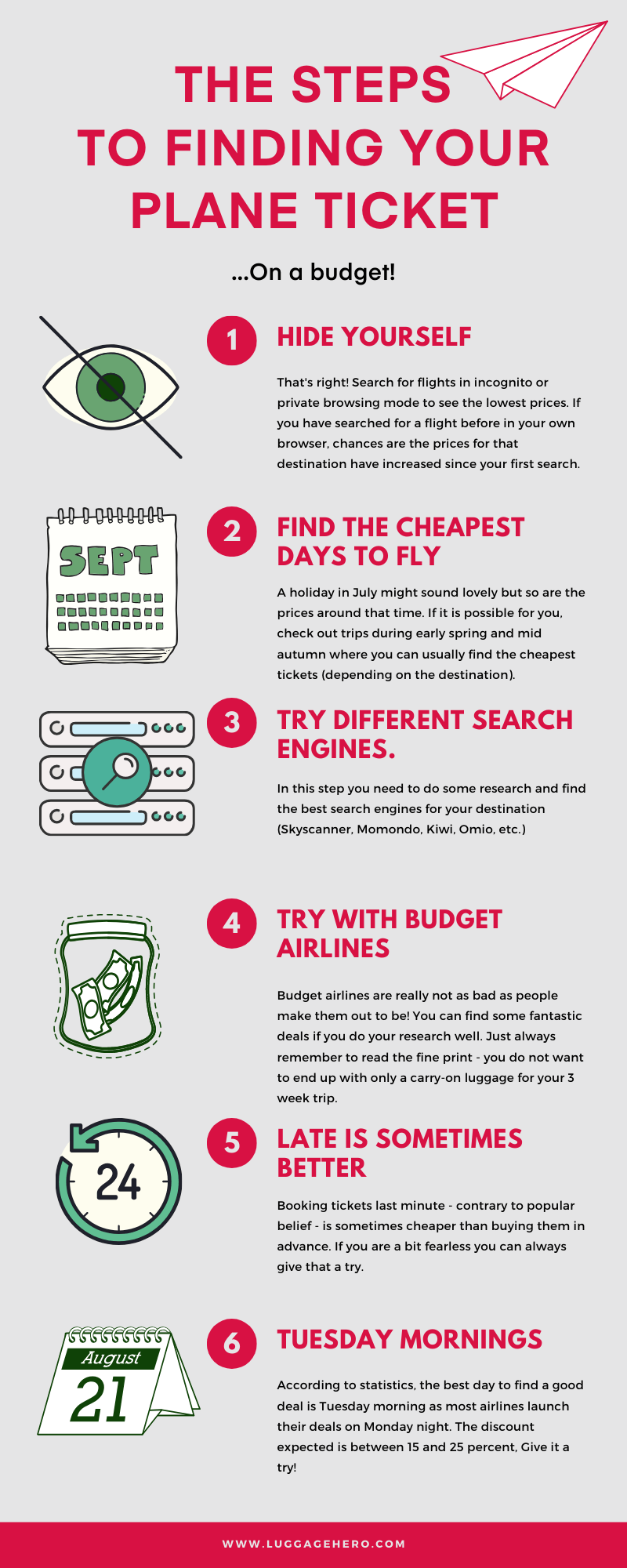
There is a long-standing myth in the travel community that searching in “Incognito Mode” prevents airlines from raising prices based on your search history. While data tracking exists, the reality of price fluctuations is much more closely tied to real-time market volatility and global distribution systems (GDS). Prices change because of “cached data”—where a third-party site shows an old price that updates to the current market rate once you click through. To save money, focus less on clearing cookies and more on tracking the macro-trends of the route you intend to fly.
Leveraging the 24-Hour Rule as a Financial Hedge
In many jurisdictions, including the United States, airlines are legally required to offer a 24-hour refund window for tickets booked at least a week in advance. This is a powerful financial tool. It allows you to “lock in” a low price when you see it, giving you a day to finalize your plans without the risk of the price increasing. If you find a better deal within that window, you can cancel and rebook, effectively hedging against immediate price drops.
Strategic Capital Allocation: Leveraging Financial Tools and Rewards
Finding the cheapest flight is not always about the lowest sticker price; it is about the “net cost” to your portfolio. By using specific financial instruments, you can offset the cost of travel or even eliminate it entirely.
Maximizing Travel Rewards and Credit Card Arbitrage
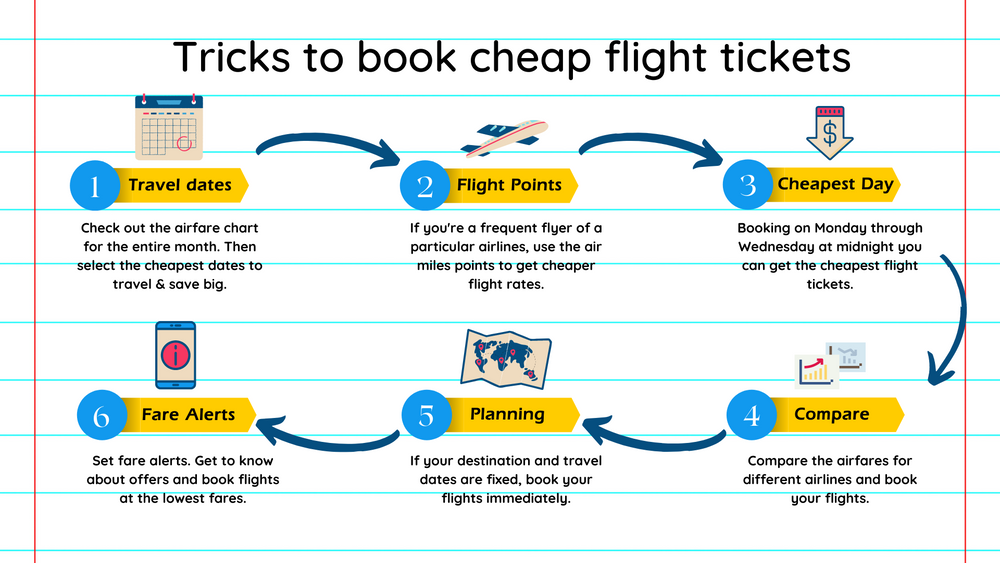
The most effective way to find cheap flights is to bypass cash payments altogether. Travel hacking—the strategic use of credit card sign-up bonuses and spending categories—allows you to earn “points” that act as a secondary currency. When evaluating a flight, calculate the “cents per point” (CPP) value. If a flight costs $500 or 30,000 points, the value is 1.6 cents per point. If your points are worth more than the cash equivalent, the “cheapest” way to fly is via rewards.
Geographic and Currency Arbitrage
A sophisticated financial strategy for lowering flight costs involves geographic arbitrage. Prices for the same flight can vary significantly depending on the “point of sale.” By using a Virtual Private Network (VPN) or switching the airline’s website to the version of the destination country, you can sometimes find prices quoted in local currency that are lower than the USD or EUR equivalent. Additionally, paying in a foreign currency with a credit card that has no foreign transaction fees can result in savings if the exchange rate is favorable or if the local market is less competitive.
The True Cost of Low-Cost Carriers (LCCs)
From a budget management perspective, Low-Cost Carriers like Spirit, Ryanair, or AirAsia can be deceptive. A $20 base fare can quickly balloon to $120 after baggage fees, seat selection, and boarding pass printing charges. To find the truly “cheapest” flight, you must conduct a total cost of ownership (TCO) analysis. Compare the “all-in” price of an LCC against a full-service carrier that includes baggage and meals. Often, the traditional airline offers better financial value when all variables are accounted for.
Tactical Budgeting: Timing and Route Optimization
In finance, timing is everything. The same applies to airfare. Market liquidity and seasonal demand dictate the price of a seat more than any other factor.
The “Goldilocks Window” for Booking
Data analysis from major booking engines suggests a “Goldilocks Window” for domestic and international flights. For domestic travel, the sweet spot is usually 1 to 3 months in advance; for international, it is 2 to 8 months. Booking too early means you miss out on promotional sales used to fill the plane, while booking too late subjects you to the high-yield pricing targeted at last-minute business travelers who are price-insensitive.
Utilizing Alternative Airports and the “Hub-and-Spoke” Model
Major hubs like London Heathrow, New York JFK, or Tokyo Narita often have higher landing fees, which are passed on to the consumer. Searching for flights to secondary airports (e.g., London Gatwick, Newark, or Osaka) can result in significant savings. Furthermore, consider the “hub-and-spoke” model. It may be cheaper to fly a major carrier to a large hub and then buy a separate, cheap ticket on a regional airline to your final destination. This “split-ticketing” strategy requires a risk assessment regarding connection times, but the financial payoff can be substantial.
Seasonal Hedging and Shoulder Season Travel
The basic law of supply and demand dictates that flying during peak holidays (Christmas, Mid-summer) will always be the most expensive. To optimize your travel budget, target “shoulder seasons”—the period between peak and off-peak seasons. Not only are flights cheaper, but the local cost of living (hotels, food) is also lower, providing a better Return on Investment (ROI) for your travel dollars.
Using Digital Aggregators as Financial Comparison Engines
In the same way an investor uses a Bloomberg Terminal or a stock screener, a traveler must use data aggregators to scan the market for anomalies.
Setting Price Alerts as a Passive Fiscal Strategy
Passive management is a cornerstone of modern investing, and it can be applied to flights. Tools like Google Flights or Skyscanner allow you to set price alerts for specific routes. Instead of actively searching every day—which has an opportunity cost in terms of your time—you allow the software to monitor the market and notify you when the price hits your “buy” target.
Evaluating Hidden City Ticketing and Skiplagging
A controversial but effective financial tactic is “hidden city ticketing.” This occurs when a flight with a layover in your actual destination is cheaper than a direct flight to that destination. While this can save hundreds of dollars, it comes with risks: you cannot check bags, and doing it frequently can lead to repercussions from airline loyalty programs. From a risk-management perspective, this should be used sparingly and only when the financial spread is significant.
The Role of “Mistake Fares” in Extreme Savings
Occasionally, due to human error or technical glitches, airlines post “mistake fares”—tickets sold for a fraction of their intended price (e.g., a $1,200 flight for $120). Finding these requires being part of specialized financial communities or using services that track GDS anomalies. When a mistake fare appears, the “buy first, ask questions later” rule applies, provided you use the aforementioned 24-hour refund window as your safety net.

Conclusion: Integrating Travel into Your Wealth Strategy
Finding the cheapest flights is not merely about saving a few dollars; it is about developing a disciplined approach to spending and a sophisticated understanding of global markets. By treating airfare as a variable asset, leveraging financial tools like credit rewards, and utilizing data-driven booking strategies, you transform travel from a financial burden into a manageable component of your lifestyle.
Ultimate success in this niche requires patience and the removal of emotional urgency from the purchasing process. When you master the economics of the sky, you ensure that your hard-earned capital is preserved for what truly matters: the experiences you have once you land, and the long-term growth of your personal net worth. By applying these financial principles, you don’t just find cheaper flights—you build a more efficient and rewarding financial life.
aViewFromTheCave is a participant in the Amazon Services LLC Associates Program, an affiliate advertising program designed to provide a means for sites to earn advertising fees by advertising and linking to Amazon.com. Amazon, the Amazon logo, AmazonSupply, and the AmazonSupply logo are trademarks of Amazon.com, Inc. or its affiliates. As an Amazon Associate we earn affiliate commissions from qualifying purchases.