
The allure of discovering new destinations, experiencing diverse cultures, and creating unforgettable memories is universal. Yet, for many, the prohibitive cost of airfare often remains the biggest barrier to realizing these travel dreams. Finding cheap plane tickets isn’t merely about luck; it’s a sophisticated exercise in personal finance, demanding strategic planning, astute timing, and a deep understanding of market dynamics. This guide delves into the financial strategies and practical tactics that empower savvy travelers to significantly reduce their airfare expenses, transforming aspirational journeys into affordable realities. By adopting a disciplined approach to flight procurement, you can unlock a world of travel possibilities without compromising your financial well-being.
Mastering the Art of Timing and Flexibility for Financial Savings
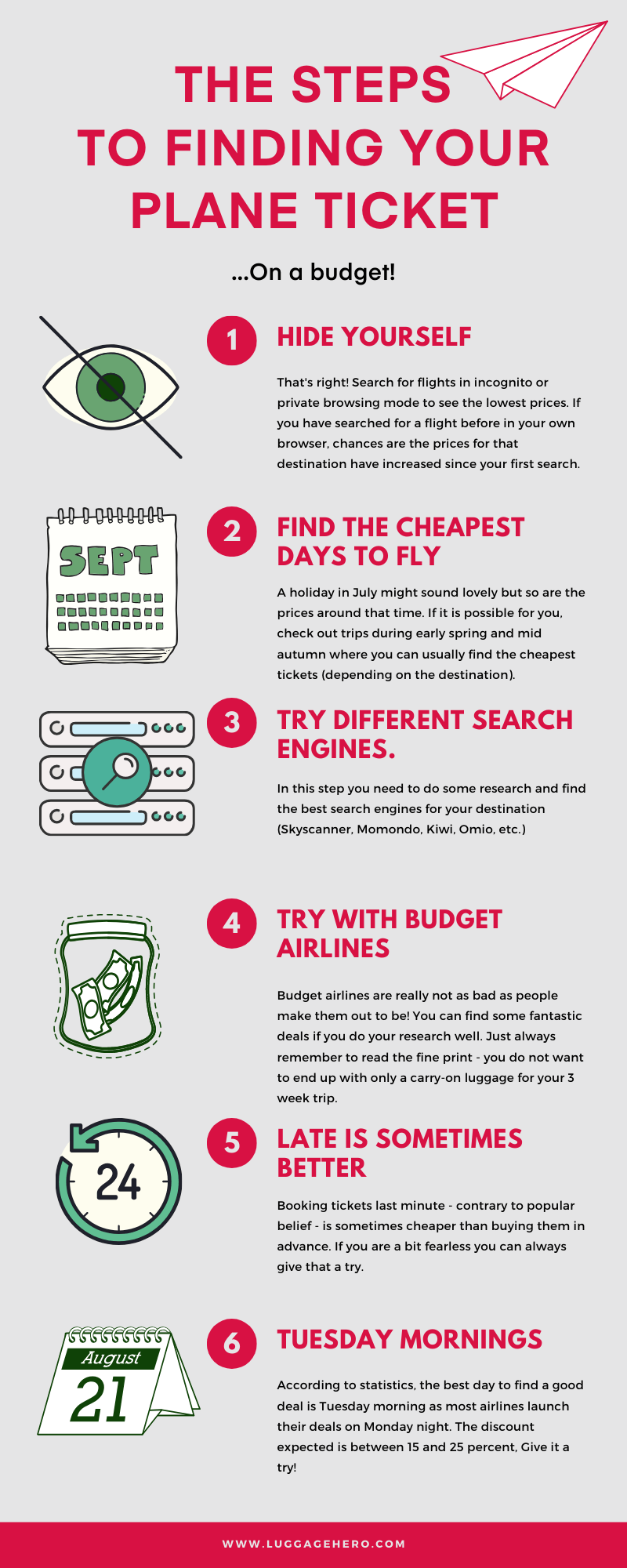
One of the most impactful variables in securing budget-friendly airfare is the strategic management of when and where you choose to fly. Flexibility, in conjunction with insightful timing, can yield substantial financial dividends, often more so than any other singular tactic.
The Golden Window: Booking in Advance for Optimal Fares
Airfare pricing is a dynamic beast, heavily influenced by demand, historical data, and complex algorithms. While there’s no single magic number, conventional wisdom and financial analysis suggest a “golden window” for booking. Generally, for international flights, purchasing 2 to 8 months in advance tends to offer the best value, allowing you to avoid both the last-minute price hikes and the initial higher fares when tickets are first released. Domestic flights often see their lowest prices between 1 to 3 months out. Booking too early can mean missing out on sales, while booking too late subjects you to premium pricing as airlines capitalize on dwindling availability. Understanding this financial sweet spot is crucial for proactive budget management.
Embracing Flexibility in Dates and Destinations
Rigidity in travel plans is often a direct path to higher costs. Financially astute travelers understand the immense value of flexibility. Flying mid-week (Tuesday to Thursday) or during off-peak seasons (outside of major holidays or school breaks) almost invariably results in lower fares. The demand-supply curve dictates that when fewer people want to fly, prices drop. Utilizing “flexible date” search functions on airline or aggregator websites can reveal significant savings, sometimes shifting your departure by a single day can halve the ticket price. Furthermore, being open to “anywhere” as a destination, or at least a few different options, allows you to follow the best deals, letting your budget dictate your adventure rather than a fixed itinerary. This approach fundamentally shifts your financial perspective from paying for a specific trip to investing in an experience at the best possible price.
Navigating Shoulder Seasons and Holiday Surcharges
Holiday periods and peak seasons are notoriously expensive for air travel, as airlines maximize profits during times of guaranteed high demand. From a financial perspective, avoiding these periods is paramount. Instead, focus on “shoulder seasons” – the periods immediately before or after peak season. For example, traveling to Europe in late spring (April/May) or early fall (September/October) offers pleasant weather, fewer crowds, and significantly lower airfares compared to the bustling summer months. This strategy allows you to enjoy similar experiences for a fraction of the cost, making your travel budget stretch considerably further. Being aware of major local festivals or events at your desired destination can also help you avoid unexpected price surges.
Leveraging Digital Tools and Financial Strategies for Price Discovery
In the modern era, the internet serves as an indispensable financial tool for uncovering the best flight deals. A strategic approach to utilizing online platforms and digital resources can save you hundreds, if not thousands, of dollars.
The Power of Price Comparison Websites and Aggregators
Instead of checking each airline’s website individually, which is a time-consuming and inefficient use of resources, leverage price comparison websites and flight aggregators. Platforms like Google Flights, Skyscanner, Kayak, and Momondo scour vast databases of airline fares, presenting you with a consolidated view of options. This allows for quick side-by-side financial comparisons, enabling you to identify the most cost-effective routes and airlines instantly. Think of them as your personal financial analysts for flight data, providing market transparency that empowers informed decision-making. However, always remember to cross-reference with a few different aggregators, as not all sites have access to the exact same inventory or pricing.
Setting Up Price Alerts and Tracking Tools
One of the most passive yet effective financial strategies is to set up price alerts. Most major aggregators offer a feature where you can input your desired route and dates, and they will notify you via email when the price changes. This acts as a vigilant financial watchdog, ensuring you don’t miss out on sudden price drops or promotional fares. Instead of constantly checking prices yourself (which can lead to decision fatigue and potentially impulsive, expensive bookings), these tools monitor the market 24/7, alerting you precisely when a financially advantageous moment arises. It’s a proactive measure that eliminates guesswork and maximizes your chances of securing the lowest possible fare.
Utilizing Incognito Mode and Clearing Cookies for Unbiased Pricing
A common concern among budget-conscious travelers is the phenomenon of dynamic pricing, where flight prices allegedly increase based on your browsing history and perceived interest. While the exact mechanisms are complex and often debated, the financial prudence of clearing your browser’s cookies or searching in incognito/private mode cannot be overstated. By doing so, you can reset the “digital footprint” that airlines and booking sites might use to infer your purchasing intent, potentially presenting you with baseline prices rather than inflated ones. This simple step is a small but potentially significant financial hack to ensure you’re viewing the most unbiased and competitive fares available.
Strategic Booking Tactics to Reduce Costs
Beyond timing and digital tools, there are specific booking strategies that can dramatically impact the final cost of your plane ticket. These tactics require a bit more planning but offer considerable financial rewards for those willing to explore non-traditional routes.
The Advantage of Layover Flights and Alternative Airports
Direct flights offer convenience, but they almost always come with a premium price tag. For the financially savvy traveler, embracing flights with layovers can lead to substantial savings. While it adds to travel time, the monetary difference can be significant enough to justify the stop. Similarly, consider flying into or out of smaller, secondary airports near your destination. Major international airports often levy higher landing fees and have less competition, which translates to higher ticket prices. A short train or bus ride from a less central airport can often be a small inconvenience that unlocks hundreds of dollars in savings, reallocating your travel funds to experiences rather than inflated airfare.

Considering Budget Airlines and Their Hidden Costs
Budget airlines (e.g., Ryanair, Spirit, Allegiant, EasyJet) are renowned for their headline-grabbing low fares. However, a critical financial assessment is required before booking. Their business model relies on unbundling services, meaning that what initially appears cheap can quickly become expensive with add-ons for checked bags, carry-on bags, seat selection, food, and even printing your boarding pass. Before clicking “book,” meticulously calculate the total cost, including all potential ancillary fees relevant to your travel needs. For light packers or short trips, budget airlines can be a financial godsend, but for those requiring more amenities, a full-service carrier might offer better overall value and fewer unexpected costs.
Open-Jaw and Multi-City Flights: Creative Itinerary Savings
Traditional round-trip bookings (flying into and out of the same airport) are not always the most cost-effective option. An “open-jaw” flight allows you to fly into one city and depart from another, which can be cheaper than booking two separate one-way tickets. Multi-city flights, where you visit several destinations on one ticket, can also present significant savings compared to booking individual segments. These options require a more complex search using the “multi-city” or “multiple destinations” function on booking sites but can lead to ingenious financial optimizations, especially for those planning an extensive itinerary through a region.
Maximizing Loyalty Programs and Credit Card Rewards for Travel Savings
For consistent travelers, or even those planning a significant trip, harnessing the power of loyalty programs and credit card rewards is a cornerstone of smart financial planning, transforming everyday spending into future travel opportunities.
Accumulating and Redeeming Airline Miles and Points
Airline loyalty programs (e.g., AAdvantage, SkyMiles, MileagePlus) are designed to reward frequent flyers. By consistently flying with one alliance or airline group, you can accumulate miles that can be redeemed for free flights, upgrades, or other travel perks. The key is strategic accumulation – focusing your travel on one or two programs to reach redemption thresholds faster. Equally important is understanding the best redemption strategies. Sometimes, using miles for short-haul flights or specific premium cabins offers better per-mile value than long-haul economy tickets. Viewing miles as a form of currency, and learning to maximize their exchange rate, is a critical financial skill for the modern traveler.
Leveraging Travel Credit Cards for Sign-Up Bonuses and Perks
Travel-focused credit cards are arguably one of the most powerful financial tools for reducing flight costs. Many offer substantial sign-up bonuses (tens of thousands of miles or points) simply for meeting an initial spending requirement. These bonuses alone can often fund a round-trip international flight. Beyond bonuses, these cards typically offer ongoing rewards on travel and dining, benefits like free checked bags, priority boarding, airport lounge access, and travel insurance – all of which translate to significant financial savings and an enhanced travel experience. However, responsible credit card use is paramount: only apply for cards you can pay off in full each month to avoid interest charges, which would negate any travel benefits.
Understanding Fare Classes and Upgrade Strategies
While not directly related to finding cheap tickets, understanding fare classes can significantly impact the financial value you derive from your travel. Different fare classes (e.g., economy, premium economy, business, first class) determine the flexibility of your ticket, baggage allowances, and crucially, how many miles you earn. Sometimes, a slightly more expensive economy fare in a higher fare class can be a better financial decision if it earns significantly more miles, putting you closer to your next free flight. For those with accumulated miles or upgrade certificates, strategic booking in a redeemable fare class can lead to an affordable upgrade to a premium cabin, drastically improving comfort and overall travel value.
Practical Financial Habits for Consistent Savings
Ultimately, consistently finding cheap plane tickets is less about one-off tricks and more about cultivating sound financial habits and a diligent approach to travel planning.
Creating a Dedicated Travel Savings Fund
The most fundamental financial habit for affordable travel is to budget for it. Set aside a dedicated “travel savings fund” and contribute to it regularly, perhaps through automated transfers from your checking account. Treating travel as a regular savings goal, rather than an unexpected expense, integrates it into your broader financial plan. This systematic approach ensures that when a great flight deal appears, you have the liquidity to seize it without impacting other financial commitments. It shifts the paradigm from “I can’t afford to travel” to “I am actively saving for my next adventure.”
Being Aware of Currency Fluctuations and Payment Methods
International travel involves currency exchange, which can be a hidden drain on your finances. Stay aware of exchange rates and avoid exchanging large sums of money at airport kiosks, which often offer unfavorable rates. Opt for travel credit cards that have no foreign transaction fees – these cards can save you 2-3% on every purchase made abroad, including your plane ticket if purchased in a foreign currency. Using local ATMs (from reputable banks) for cash withdrawals often provides better rates than currency exchange counters. Small financial optimizations like these add up, keeping more money in your pocket for experiences.
The Long-Term Financial Discipline of Smart Travel Planning
Finding cheap plane tickets is an ongoing skill that combines patience, research, and a strategic financial mindset. It’s about being prepared to act when a deal arises, understanding the market, and consistently looking for ways to optimize your spending. It’s the discipline of tracking prices, the patience to wait for the right moment, and the financial literacy to leverage loyalty programs and credit cards responsibly. This long-term approach to travel planning transforms an often-stressful expense into a manageable and even enjoyable financial pursuit.

Conclusion
The quest for cheap plane tickets is a journey that intersects directly with the principles of astute personal finance. By embracing flexibility, leveraging powerful digital tools, employing strategic booking tactics, and diligently utilizing loyalty programs and credit card rewards, any traveler can significantly reduce their airfare costs. It’s about empowering yourself with knowledge and applying financial discipline to transform the often-daunting expense of air travel into an accessible and regular part of your life. With these insights, you’re not just finding a cheaper ticket; you’re investing in a richer, more frequent travel lifestyle, making the world your financially accessible oyster.
aViewFromTheCave is a participant in the Amazon Services LLC Associates Program, an affiliate advertising program designed to provide a means for sites to earn advertising fees by advertising and linking to Amazon.com. Amazon, the Amazon logo, AmazonSupply, and the AmazonSupply logo are trademarks of Amazon.com, Inc. or its affiliates. As an Amazon Associate we earn affiliate commissions from qualifying purchases.