
In the intricate landscape of personal and business finance, accurate identification is paramount. While account numbers, routing numbers, and SWIFT codes often take center stage, a seemingly simple piece of information—your bank branch number—can be surprisingly crucial for a range of financial activities. This unique identifier, specific to the physical location of your bank, serves a vital role in ensuring the precision and security of your transactions and records. Understanding what it is, why it matters, and how to locate it efficiently is an essential aspect of robust financial literacy and management.
This guide delves into the significance of your bank branch number, distinguishing it from other common financial identifiers, and provides a comprehensive roadmap for finding it using both traditional and modern digital methods. Whether you’re filling out a complex financial form, setting up a specialized transfer, or simply maintaining meticulous financial records, knowing where to find this number can save you time, prevent errors, and streamline your financial operations.
Understanding the Significance of Your Bank Branch Number
At its core, a bank branch number is a unique code assigned by a financial institution to each of its physical locations. While not as universally recognized or frequently requested as a routing number or account number, its specific role can be indispensable in certain financial scenarios, particularly when precision regarding the point of service is required.
More Than Just an Address: The Role of Branch Numbers in Financial Operations
The function of a branch number extends beyond merely indicating a geographical location; it directly impacts the accuracy and processing of specific financial tasks. For instance, if you’re dealing with a large national or international bank, knowing the precise branch number can be critical for:
- Internal Transfers and Communications: For certain in-bank transfers or internal inquiries, especially when dealing with specific departments or services tied to a particular branch.
- Specialized Transactions: Some niche financial products, loan applications, or trust accounts might require explicit branch identification for processing or audit purposes.
- In-Person Services at Non-Home Branches: While most basic transactions can be performed at any branch, highly specific inquiries or transactions sometimes benefit from, or even require, identifying the originating branch.
- Compliance and Regulatory Reporting: In certain jurisdictions or for particular types of accounts, regulatory reporting might necessitate the precise branch identification.
- Historical Record Keeping: For individuals or businesses managing a long history with a particular branch, this number forms part of a complete financial record, particularly useful during audits or when settling estates.
In essence, the branch number acts as an internal locator, ensuring that funds, documents, or inquiries are correctly attributed to and processed by the exact administrative unit within the larger banking institution.
Differentiating Key Financial Identifiers
To fully appreciate the branch number, it’s crucial to understand how it stands apart from other critical financial identifiers you encounter regularly. Confusing these numbers can lead to significant delays or errors in transactions.
- Bank Branch Number vs. Account Number: Your account number is a unique identifier for your specific financial account (checking, savings, loan) within the bank. The branch number, conversely, identifies the physical location where that account might have been opened or is primarily managed. While both are unique, one identifies the customer’s relationship, and the other identifies the bank’s physical presence.
- Bank Branch Number vs. Routing Number (ABA Number): The routing number (ABA Transit Number in the U.S.) is a nine-digit code that identifies the financial institution itself for the purpose of processing electronic transfers like ACH (Automated Clearing House) and wire transfers. While a routing number often covers multiple branches or even an entire region for a large bank, a branch number points to a single, distinct physical branch. In some cases, specific digits within a larger routing code might implicitly designate a branch or region, but a dedicated “branch number” is a more granular identifier.
- Bank Branch Number vs. SWIFT/BIC Code: A SWIFT (Society for Worldwide Interbank Financial Telecommunication) or BIC (Bank Identifier Code) is an international code used to identify banks in international money transfers. It’s akin to an international routing number, identifying the bank globally. While it includes information about the bank’s country, city, and sometimes a branch, a domestic bank branch number is specifically for identifying individual physical branches within a national banking system.
- Bank Branch Number vs. IBAN (International Bank Account Number): The IBAN is a standardized international numbering system for bank accounts, designed to facilitate cross-border transactions. An IBAN often incorporates elements like the country code, bank code, and the account number itself, and implicitly includes branch identification within the bank code structure, but it’s not a standalone “branch number” in the same sense as a domestic identifier.
Understanding these distinctions ensures that you provide the correct identifier for the specific financial task at hand, preventing complications and delays.
Traditional Methods for Locating Your Bank Branch Number
Before the advent of widespread digital banking, finding your bank branch number often relied on physical documents and direct interaction. These methods remain reliable and are often the first port of call for those who prefer tangible records or require immediate verification.
Physical Bank Documents: Your First Go-To Source
A wealth of financial information is typically stored within the physical documents provided by your bank at various stages of your banking relationship.
- Bank Statements: One of the most common and reliable sources. Your monthly or quarterly bank statements, whether mailed or printed, typically list detailed information about your account, including the branch address, phone number, and often, the specific branch number or code. Look near the top of the statement, usually in the header or footer section where your account details are summarized.
- Passbooks or Deposit Books: For savings accounts or specific types of accounts, particularly in regions where passbooks are still prevalent, the branch number is almost always clearly printed on the inside cover or on pages detailing account activity. These books serve as a physical record of your transactions and account details.
- Original Account Opening Documents: When you first opened your account, you would have received a set of documents outlining the terms and conditions, along with your account specifics. These initial forms, contracts, or welcome letters frequently contain the branch name, address, and its unique identification number.
- Loan Documents: If you have taken out a loan (e.g., mortgage, personal loan) through a specific branch, the corresponding loan agreements and documentation will usually specify the originating branch’s details, including its number.
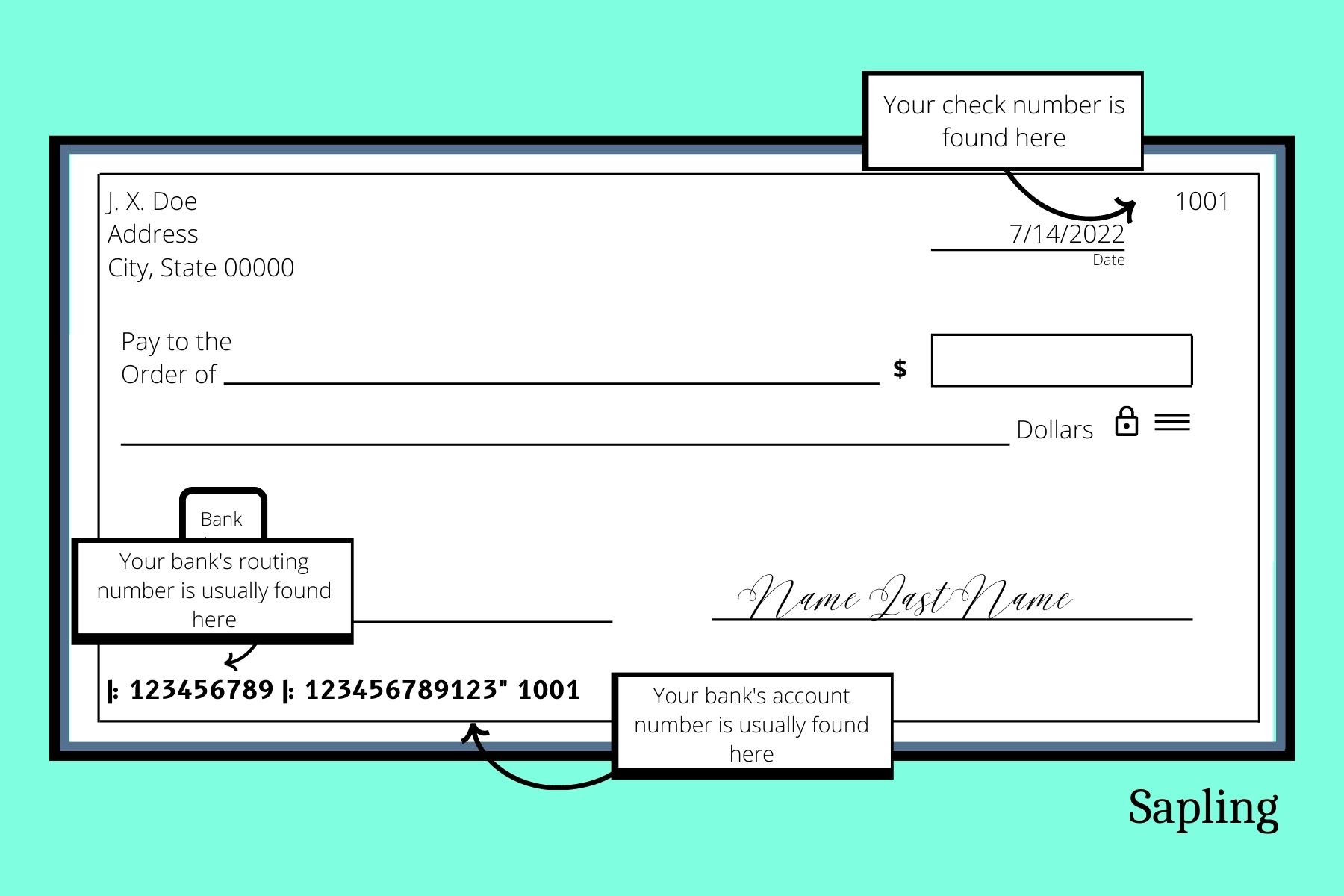
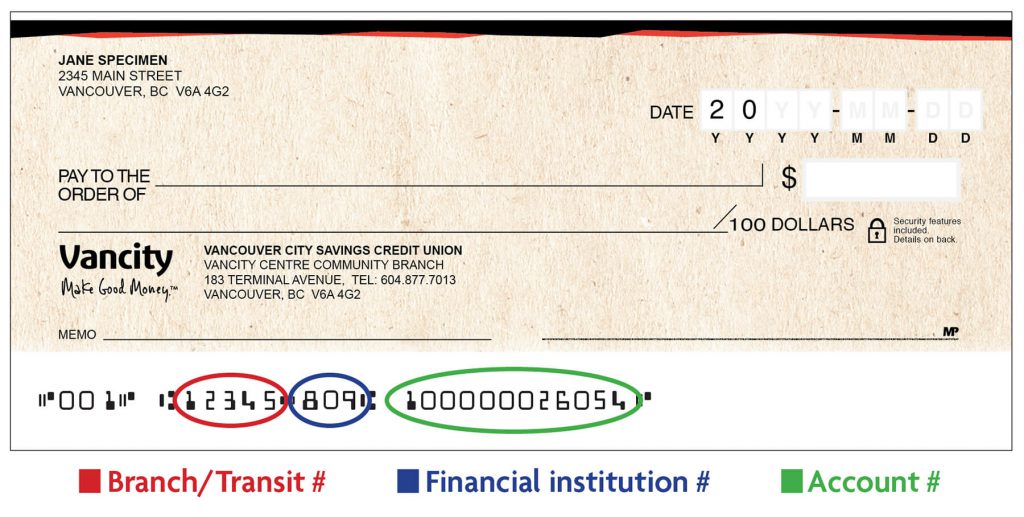
- Checkbooks (less common for specific branch number): While checks prominently display your account number and the bank’s routing number, they less frequently feature a distinct branch number as a standalone item. The routing number itself often encompasses the branch’s regional identification, but a separate, explicit branch number is rare on checks. If it is present, it might be a smaller set of digits distinct from the routing and account number.
In-Person and Direct Contact Methods
When documents are unavailable or you need immediate verification, direct communication with your bank remains a highly effective strategy.
- Visiting Your Branch: The most straightforward method is to physically visit the branch where your account is held or any branch of your bank. A teller or customer service representative can quickly provide you with the branch number, often simply by looking it up in their internal system based on your account details or even by referring to signage within the branch itself.
- Calling Customer Service: Most banks operate a comprehensive customer service hotline. By calling your bank’s general customer service number and verifying your identity (usually with your account number and personal verification questions), you can request your branch number. The representative will access your account information and provide the necessary details. Be prepared to answer security questions to protect your financial privacy.
Leveraging Digital Tools for Efficiency and Convenience
In today’s digitally-driven world, accessing financial information has become more convenient than ever. Your bank’s online platforms and mobile applications are powerful tools for managing your finances, including locating specific identifiers like your branch number.
Online Banking Portals: A Digital Treasure Trove
Your bank’s secure online banking portal is often the quickest and most comprehensive source for all your account-related information, available 24/7.
- Log In to Your Account: Start by logging into your bank’s official website using your secure username and password.
- Navigate to Account Details: Once logged in, look for sections such as “Account Details,” “Account Information,” “My Accounts,” or “View Statements.” These sections typically provide a summary of your account, including the account number, routing number, and often the associated branch details.
- Check Statements Electronically: If your bank offers e-statements, you can access past statements digitally. These electronic versions are identical to their paper counterparts and will contain the branch number in the same locations—usually at the top or bottom of the statement.
- “Contact Us” or “Branch Locator” Section: Some banks also list branch-specific information under a “Contact Us” or “Branch Locator” section within the online portal. By searching for your specific branch by address or zip code, you can often find its full details, including any assigned branch number.
Mobile Banking Apps: Information at Your Fingertips
Most major banks now offer robust mobile banking applications that mirror much of the functionality of their online portals, providing financial information right on your smartphone or tablet.
- Access the App: Download and log in to your bank’s official mobile app.
- Review Account Information: Within the app, navigate to your specific account. Look for an “Account Details” or “Information” icon or tab. This section often displays essential account numbers and may include your branch number or the associated branch name and address.
- Utilize Branch Locator Features: Many mobile banking apps include a “Branch Locator” feature. You can use your current location or search by address to find your branch and view its specific details, which should include the branch number if it’s explicitly used by the bank.
Bank Websites and Branch Locators
Even without logging into your personal account, a bank’s public website can be a valuable resource for finding general branch information.
- Official Bank Website: Go to the official website of your bank.
- Find the Branch/ATM Locator: Look for a “Branch Locator,” “Locations,” or “Contact Us” link, usually in the header or footer of the homepage.
- Search for Your Branch: Enter your city, state, or zip code, or the specific address of your branch. The search results will typically provide the branch’s address, phone number, operating hours, and sometimes its specific branch identifier.
Scenarios Where Your Bank Branch Number is Indispensable
While not always a daily requirement, there are specific financial contexts where possessing your bank branch number is not just helpful, but often essential for successful completion. These scenarios highlight the importance of knowing where to find this critical piece of information.
Domestic and International Money Transfers
For most standard domestic transfers (ACH) and international wires, routing numbers and SWIFT/BIC codes are the primary identifiers for the bank itself. However, particular circumstances may call for a branch number:
- Specialized In-Bank Transfers: If you are arranging a direct, internal transfer between accounts at the same large bank, especially if the recipient’s account is managed by a specific branch for a unique service, the branch number might be required to ensure the funds reach the correct administrative unit.
- Cash Pick-Up Services: For some international remittance services or cash pick-up transactions where funds are to be collected at a specific branch, the precise branch number might be requested by the sender or the service provider to ensure correct allocation and payout.
- Complex Corporate Transactions: Businesses engaging in highly complex or structured transactions, particularly those involving multiple departments or specific legal entities within a large bank, may find the branch number necessary for precise routing and compliance.
Opening New Accounts or Services
While opening a new account online usually assigns a routing number automatically, certain situations require branch-specific details:
- Linking External Accounts: When linking a new external account (e.g., from an investment platform or another bank), especially if it’s a legacy account, the linking process might occasionally prompt for the branch number if the routing number isn’t sufficiently granular.
- Specific Investment Products or Trusts: Setting up certain types of investment accounts, trust funds, or specialized corporate banking services may necessitate identification of the specific branch managing that relationship, and thus its branch number.
- Inheritance and Estate Planning: For executors or beneficiaries navigating an estate, identifying the exact branch where the deceased’s accounts were held can be crucial for accessing and managing assets, particularly if multiple accounts existed across different branches or institutions.
Financial Planning and Record Keeping
Accurate and detailed financial record-keeping is a cornerstone of effective personal and business finance, and the branch number plays a role in this:
- Auditing and Reconciliation: For businesses, precise branch identification can be vital for internal audits, reconciling accounts, and ensuring that all transactions are correctly attributed to the originating or processing location.
- Historical Data Analysis: Over time, if you’ve opened accounts at different branches (e.g., due to relocation), having the branch number in your records helps to maintain a clear historical overview of your banking relationships and transaction origins.
- Tax Documentation: While rarely required directly for standard tax forms, maintaining a comprehensive record of all financial identifiers, including branch numbers, ensures you have all necessary information readily available for any potential tax queries or detailed financial reviews.
Best Practices for Securely Managing Your Financial Identifiers
Managing your financial identifiers extends beyond just knowing how to find them; it also involves employing best practices for security, accuracy, and accessibility. In an era where digital threats are prevalent, protecting your financial information is paramount.
Keeping Records Safe and Accessible
- Secure Storage for Physical Documents: If you rely on physical bank statements, passbooks, or original account opening documents, ensure they are stored in a secure location, such as a locked filing cabinet, a fireproof safe, or a secure personal document vault. Avoid leaving sensitive documents openly accessible.
- Password Management for Digital Access: For online banking portals and mobile apps, use strong, unique passwords and consider a reputable password manager. Enable two-factor authentication (2FA) whenever possible, as this adds an extra layer of security to your digital accounts.
- Encrypted Digital Backups: If you keep digital copies of statements or account details, ensure they are stored on encrypted drives or secure cloud storage services. Avoid saving sensitive financial information on easily accessible public computers or insecure networks.
Verifying Information When Needed
- Double-Check Before Transactions: Always double-check any bank numbers, especially routing numbers, account numbers, and branch numbers, before initiating any significant transaction, such as wire transfers, direct deposits, or bill payments. A single digit error can lead to funds being sent to the wrong place, which can be difficult and time-consuming to rectify.
- Beware of Phishing and Scams: Be extremely cautious of unsolicited requests for banking information, whether via email, text message, or phone calls. Legitimate banks will rarely ask for sensitive details like your full account number or password in an unsolicited manner. Always verify the source directly by calling the bank’s official customer service number.
- Use Official Channels: When seeking your branch number or any other banking information, always use official bank websites, secure online portals, or the bank’s direct customer service lines. Avoid third-party websites or unverified sources that claim to provide such details.
Understanding Regional Variations and Evolving Practices
- Terminology Differences: Recognize that the term “bank branch number” might not be universally applied in all countries or by all financial institutions in the same way. For example, in the UK, a “sort code” serves a similar function, identifying the bank and the branch for transactions. In Canada, transit numbers combine bank and branch identification. While the underlying need to identify a specific branch remains, the nomenclature and specific digits used can vary.
- Digital Evolution: As banking continues to digitize, the explicit need for a standalone “branch number” might evolve. Many modern systems infer branch details from routing numbers or integrate it seamlessly into broader account identifiers. However, for legacy systems, specific transactions, or in-person services, it remains a relevant piece of information. Stay informed about your bank’s specific practices and how they manage these identifiers.
By adopting these best practices, you not only ensure the accuracy of your financial transactions but also fortify the security of your financial identity, enabling you to navigate the world of personal and business finance with confidence and control.

Conclusion
The bank branch number, though sometimes overshadowed by more commonly used financial identifiers, holds a distinct and important place in your financial toolkit. Whether you’re completing complex financial paperwork, ensuring the precision of a unique transaction, or simply maintaining meticulous records, knowing how to locate this specific identifier is a testament to thorough financial management.
From the tangible comfort of a bank statement to the instantaneous access of a mobile app, numerous reliable avenues exist for finding your branch number. By leveraging both traditional methods and modern digital tools, you empower yourself with the information needed to navigate various financial scenarios efficiently and securely. Embrace the practice of understanding and readily accessing all your financial identifiers, as this proactive approach is a cornerstone of robust personal and business finance, contributing to greater accuracy, security, and peace of mind in your financial life.
aViewFromTheCave is a participant in the Amazon Services LLC Associates Program, an affiliate advertising program designed to provide a means for sites to earn advertising fees by advertising and linking to Amazon.com. Amazon, the Amazon logo, AmazonSupply, and the AmazonSupply logo are trademarks of Amazon.com, Inc. or its affiliates. As an Amazon Associate we earn affiliate commissions from qualifying purchases.