
Tax season is often viewed with a sense of trepidation, characterized by stacks of paperwork, complex jargon, and the looming deadline of mid-April. However, when viewed through the lens of comprehensive financial management, filing your taxes is more than just a legal obligation; it is a critical component of your overall wealth strategy. Whether you are a traditional employee, a freelancer navigating the gig economy, or an investor managing a diverse portfolio, understanding the mechanics of tax filing is essential for optimizing your cash flow and ensuring long-term financial health.

In this guide, we will break down the complexities of the tax filing process, transitioning from basic preparation to advanced strategies for maximizing your returns and minimizing your liabilities.
Understanding the Foundations of Tax Responsibility
Before diving into the “how” of filing, it is imperative to understand the “what” and the “why.” Your tax filing status and your total taxable income form the bedrock of your financial interaction with the government.
Determining Your Filing Status
Your filing status is a major factor in determining your standard deduction and the tax brackets that apply to your income. The IRS generally recognizes five statuses: Single, Married Filing Jointly, Married Filing Separately, Head of Household, and Qualifying Surviving Spouse. Choosing the correct status is not just a matter of checking a box; it can significantly alter your tax liability. For instance, the “Head of Household” status offers more favorable tax rates and a higher standard deduction than filing as “Single,” provided you meet specific requirements regarding dependents and household maintenance.
Standard Deduction vs. Itemized Deductions
One of the most pivotal decisions in personal finance is choosing between the standard deduction and itemizing. The standard deduction is a flat amount that reduces your taxable income, adjusted annually for inflation. Itemizing, on the other hand, allows you to subtract specific expenses—such as mortgage interest, state and local taxes (SALT), and charitable contributions—from your adjusted gross income (AGI). As a rule of professional financial planning, you should only itemize if your total allowable expenses exceed the standard deduction threshold.
Navigating Key Deadlines and Extensions
Financial discipline requires a keen awareness of the calendar. For most individual taxpayers, April 15th is the definitive deadline. However, for those with diverse income streams, such as side hustles or small businesses, quarterly estimated payments are often required in April, June, September, and January. Understanding these milestones prevents the accumulation of underpayment penalties and interest, which can erode your savings over time.
Organizing Your Financial Documentation
Efficient tax filing is 90% preparation. In the modern financial era, this involves a hybrid of physical record-keeping and digital asset management. Without a centralized system for your financial data, you risk overlooking deductions or failing to report income, both of which can lead to costly audits.
Income Documentation: W-2s, 1099s, and K-1s
Every dollar you earn leaves a paper trail. For employees, the W-2 is the primary record of earnings and taxes withheld. However, the rise of the “side hustle” has made the 1099 series equally important. 1099-NEC forms are used for non-employee compensation, while 1099-INT and 1099-DIV track interest and dividends from your investments. If you are part of a partnership or an S-corporation, you will also need to wait for a Schedule K-1. Consolidating these documents early in the year is the first step toward an accurate filing.
Tracking Deductible Expenses
For those looking to lower their tax bill, documentation for deductions is gold. This includes receipts for medical expenses that exceed a certain percentage of your AGI, records of property taxes paid, and logs of charitable donations. If you are self-employed, tracking business-related expenses—such as home office costs, professional software subscriptions, and travel—is vital. Professional finance tools and apps can automate this tracking throughout the year, ensuring that no deductible expense is forgotten when tax season arrives.
The Importance of Digital Record Keeping
Moving toward a paperless financial system is not just an environmental choice; it is a security and efficiency choice. Scanning physical receipts and storing them in encrypted cloud storage ensures that your records are protected from physical damage and are easily searchable. The IRS generally suggests keeping tax records for at least three to seven years, depending on the nature of the filing, making a digital archive a cornerstone of sound financial management.
Leveraging Financial Tools and Filing Methods
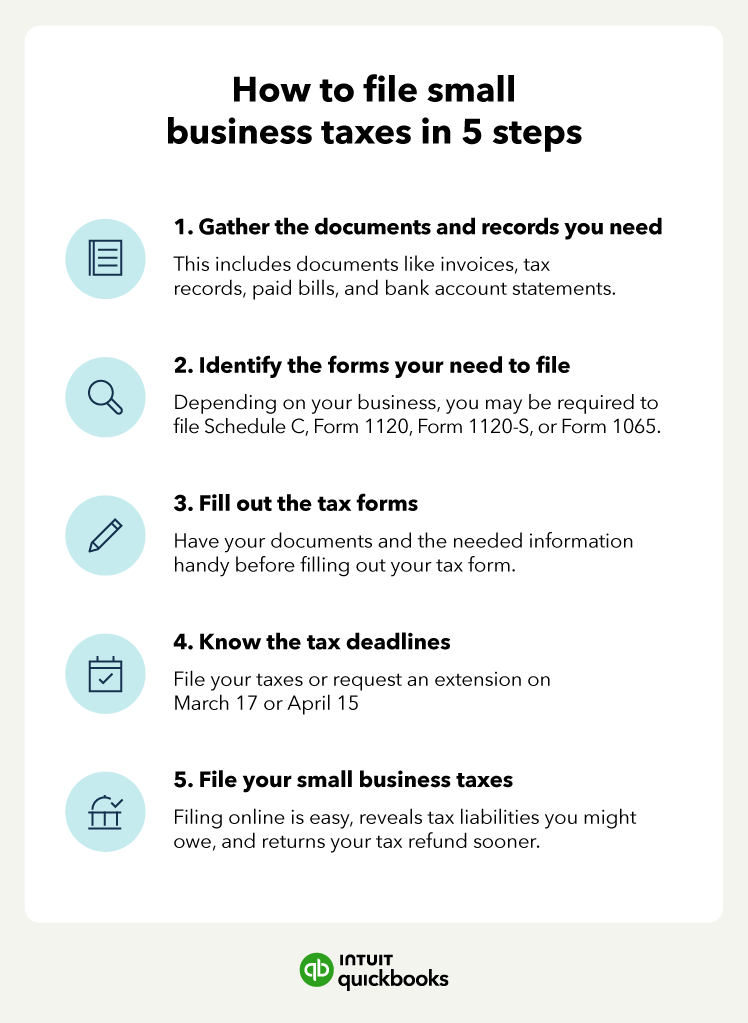
The methodology you choose to file your taxes should align with the complexity of your financial life. From simple digital interfaces to the nuanced expertise of a Certified Public Accountant (CPA), the “how” of filing has evolved significantly.
Modern Tax Software and AI Integration
For the majority of taxpayers with straightforward income streams, cloud-based tax software offers a cost-effective and user-friendly solution. These platforms use interview-style interfaces to guide you through deductions and credits you might not be aware of. Recently, many of these tools have integrated AI-driven logic to cross-check for errors and flag potential audit risks, providing a layer of digital security for your personal finances.
The Role of Professional Tax Preparers and CPAs
As your net worth grows and your investments become more complex (e.g., real estate holdings, cryptocurrency trading, or international income), the value of a professional CPA increases. A tax professional does more than just fill out forms; they provide strategic tax planning. They can advise on “tax-loss harvesting” to offset capital gains or suggest structural changes to your business to optimize your tax position. In the world of high-level money management, a good CPA often saves the client far more than the cost of their services.
IRS Free File and Community Resources
Financial literacy includes knowing the free resources available to you. The IRS Free File program provides free brand-name tax software to taxpayers whose income falls below a certain threshold. Additionally, programs like Volunteer Income Tax Assistance (VITA) offer free tax help to people who generally make a certain income or less, persons with disabilities, and limited English-speaking taxpayers. Utilizing these tools is a smart way to manage your finances without incurring unnecessary overhead.
Strategic Maximization of Credits and Deductions
The ultimate goal of filing taxes is to ensure you pay exactly what you owe and not a penny more. This is achieved by strategically applying tax credits and deductions, which function as the primary levers in tax optimization.
Tax Credits vs. Tax Deductions
It is essential to understand the distinction between these two financial instruments. A tax deduction lowers your taxable income (e.g., if you earn $50,000 and have a $5,000 deduction, you are taxed on $45,000). A tax credit, however, is a dollar-for-dollar reduction of your actual tax bill (e.g., if you owe $5,000 in taxes and have a $1,000 credit, you now owe $4,000). Credits are generally more valuable than deductions, and identifying which ones you qualify for is a key part of financial optimization.
Family and Education Incentives
The tax code provides several incentives for families and students. The Child Tax Credit (CTC) and the Earned Income Tax Credit (EITC) provide significant relief for low-to-moderate-income families. For those pursuing higher education, the American Opportunity Tax Credit (AOTC) and the Lifetime Learning Credit (LLC) can help offset the costs of tuition and fees. Integrating these into your filing strategy can result in substantial refunds or reduced liabilities.
Retirement Contributions and Tax Shielding
One of the most effective ways to manage your money while preparing for the future is through tax-advantaged retirement accounts. Contributions to a traditional IRA or a 401(k) are typically “pre-tax,” meaning they reduce your taxable income for the current year. This serves a dual purpose: it lowers your current tax bill and builds your long-term wealth through compound interest. For many, maximizing these contributions before the tax deadline is the single best financial move they can make.
Post-Filing Management and Future Planning
Filing your return is not the end of the process; it is the beginning of the next fiscal cycle. Professional financial management requires a proactive approach to the aftermath of tax season.
Tracking Your Refund and Managing Liabilities
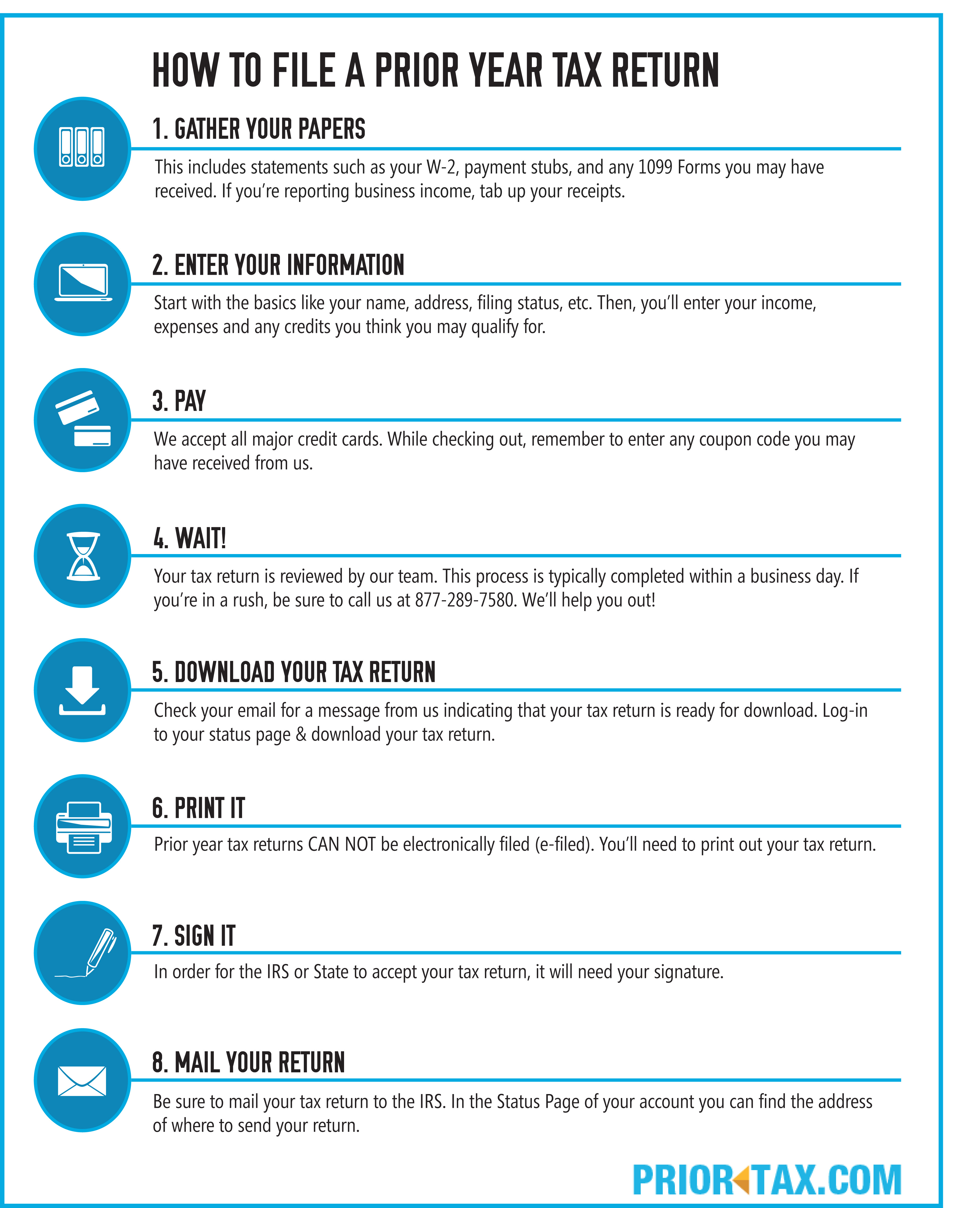
If you are owed a refund, the most efficient way to receive it is through direct deposit. Once received, the refund should be treated as a strategic asset—ideally used to pay down high-interest debt, bolster an emergency fund, or contribute to an investment account. Conversely, if you find yourself owing money, it is a sign that your withholdings or estimated payments need adjustment. Managing these “underpayments” is crucial to avoiding future penalties.
Preparing for an Audit
While the word “audit” strikes fear into many, it is simply a review of your financial accounts by the IRS to ensure information is reported correctly. If you have maintained organized documentation and filed honestly, an audit is merely a procedural hurdle. Ensuring that your records match your filing and being able to provide proof for every deduction claimed is the best defense against financial scrutiny.
Year-Round Tax Planning
The most successful individuals in the realm of personal finance do not think about taxes only in April. They engage in year-round tax planning. This involves monitoring changes in tax law, adjusting withholdings when life events occur (like marriage or the birth of a child), and making strategic investment decisions with tax implications in mind. By viewing tax filing as a continuous process rather than an annual event, you gain greater control over your financial destiny and ensure that your money works as hard for you as possible.
aViewFromTheCave is a participant in the Amazon Services LLC Associates Program, an affiliate advertising program designed to provide a means for sites to earn advertising fees by advertising and linking to Amazon.com. Amazon, the Amazon logo, AmazonSupply, and the AmazonSupply logo are trademarks of Amazon.com, Inc. or its affiliates. As an Amazon Associate we earn affiliate commissions from qualifying purchases.