
Filing taxes is often viewed as a season of stress and administrative hurdles. However, in the realm of personal finance, tax filing is one of the most significant annual events for an individual or business owner. It is not merely a legal obligation; it is a critical component of wealth management. Understanding how to navigate the complexities of the tax code allows you to protect your assets, maximize your liquid cash through refunds, and ensure long-term financial stability. This guide provides a deep dive into the strategic process of filing taxes, shifting the perspective from a tedious chore to an empowering financial milestone.
The Foundation of Success: Preparation and Documentation
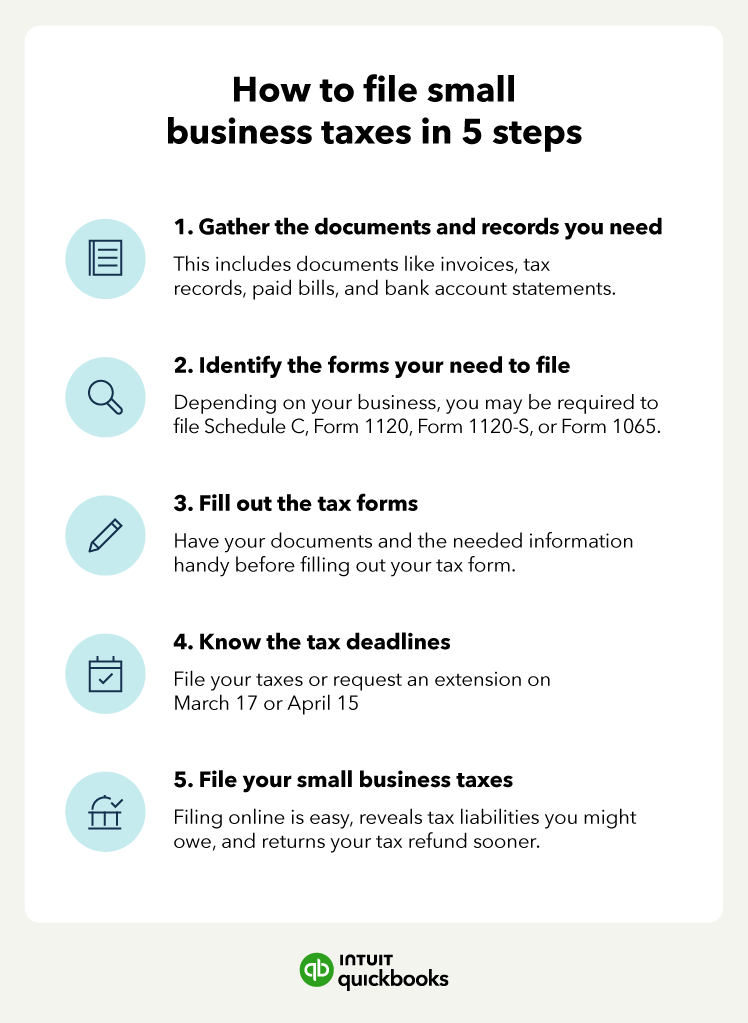
The most common reason for tax-related anxiety is a lack of organization. When you treat tax preparation as a year-round activity rather than a last-minute scramble, you position yourself to capture every possible deduction and credit. Proper documentation is the bedrock of a successful filing.
Organizing Your Income Documentation
Before you begin the filing process, you must aggregate all sources of income. For the traditional employee, this starts with the Form W-2, which outlines your total earnings and the taxes already withheld by your employer. However, for those with diversified income streams, the list grows longer. You must collect various 1099 forms: 1099-INT for interest earned on savings accounts, 1099-DIV for dividends from stocks, and 1099-B for gains or losses from brokerage transactions. In the modern financial landscape, overlooking a single interest statement can lead to an automated “matching notice” from the IRS, potentially triggering an audit or unexpected penalties.
Strategic Record-Keeping for Deductions and Credits
Income is only one side of the ledger. To minimize your tax liability, you must document your expenses. This is particularly crucial if you plan to itemize your deductions. You should maintain a digital or physical folder for “tax-sensitive” receipts. This includes records of charitable contributions, mortgage interest statements (Form 1098), and out-of-pocket medical expenses that exceed a certain percentage of your adjusted gross income. Furthermore, keep track of educational expenses, such as student loan interest or tuition payments, which may qualify you for high-value credits like the American Opportunity Tax Credit (AOTC).
Determining Your Filing Status
Your filing status is the lens through which the IRS views your financial life. It determines your standard deduction amount and your tax brackets. While “Single” or “Married Filing Jointly” are the most common, “Head of Household” often provides significant tax advantages for unmarried individuals who pay more than half the cost of keeping up a home for a qualifying person. Choosing the correct status is the first strategic decision in the filing process, as it dictates the baseline of your tax liability.
Selecting the Optimal Filing Strategy for Your Financial Profile
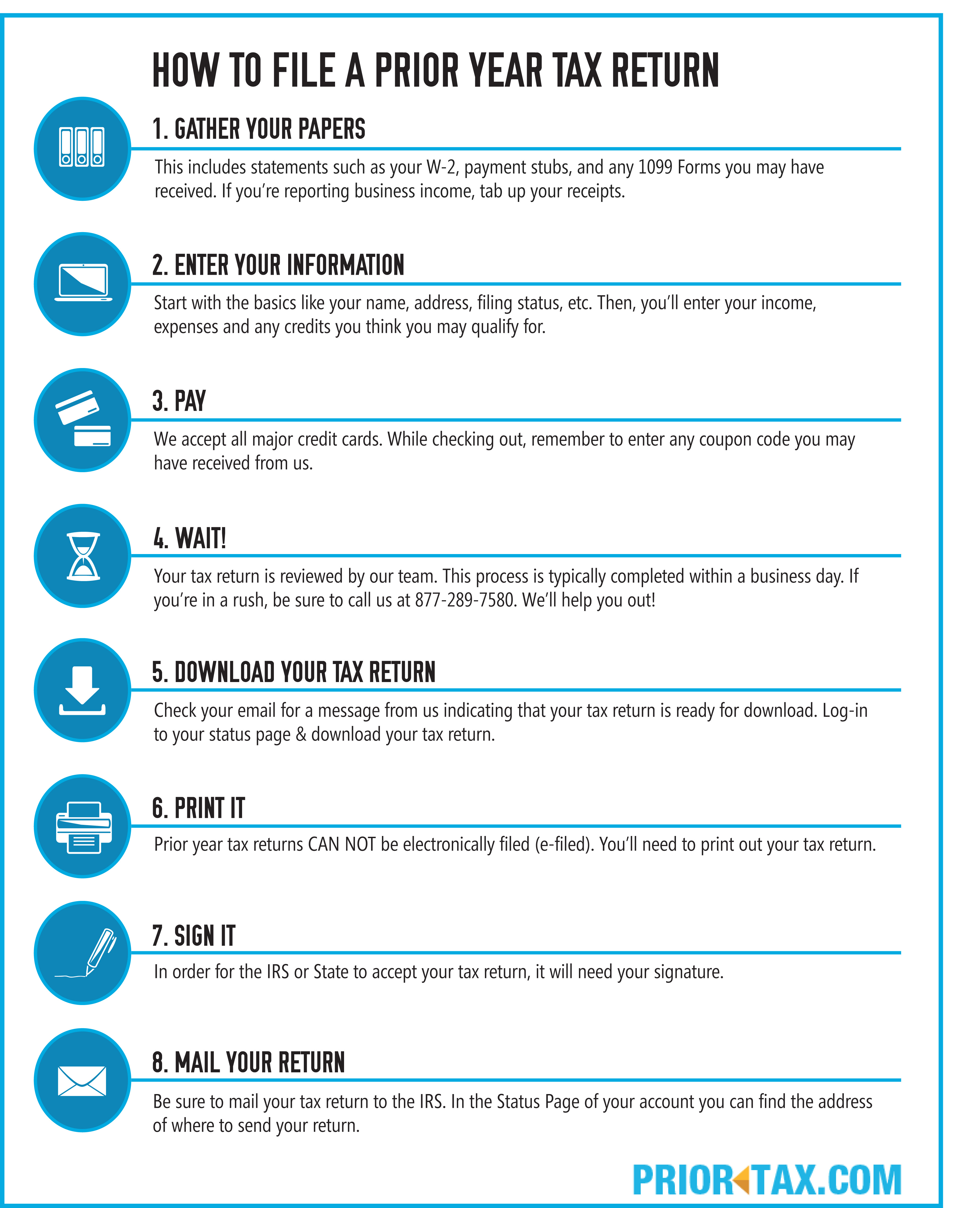
Once your documents are in order, the next step is choosing how to actually file the return. This decision should be based on the complexity of your financial situation and your comfort level with financial regulations.
DIY Tax Software vs. Professional Tax Preparers
For many individuals with a single income source and standard deductions, modern tax software offers a streamlined, cost-effective solution. These platforms use interview-style questions to guide you through the process. However, as your financial life becomes more complex—involving rental properties, foreign investments, or high-net-worth portfolios—the value of a Certified Public Accountant (CPA) or Enrolled Agent (EA) increases. A professional does more than just input numbers; they provide strategic advice on tax planning, helping you structure your finances to minimize future tax hits.
Leveraging Free Filing Resources
The financial industry and the government provide several “Free File” options that are often underutilized. For taxpayers with an Adjusted Gross Income (AGI) below a certain threshold (typically around $79,000), the IRS Free File program provides access to name-brand software at no cost. Additionally, programs like Volunteer Income Tax Assistance (VITA) offer free tax help to people who generally make $64,000 or less, persons with disabilities, and limited English-speaking taxpayers. Utilizing these resources can save hundreds of dollars in preparation fees, directly increasing your net financial position.
Navigating Deductions and Credits to Minimize Liability
The core objective of a sophisticated tax filing is to reduce your taxable income to the lowest legal limit. This is achieved through a combination of deductions and credits.
Standard Deduction vs. Itemized Deductions
The “Standard Deduction” is a fixed dollar amount that reduces the income on which you’re taxed. For the majority of taxpayers, the standard deduction is higher than the sum of their individual “Itemized Deductions.” However, if you own a home with a high mortgage, live in a state with high income taxes, or have significant medical bills, itemizing might be the superior financial move. The rule of thumb is simple: calculate both and choose the path that results in the lower tax bill.
High-Impact Tax Credits
While deductions reduce the amount of income subject to tax, credits are more powerful because they provide a dollar-for-dollar reduction of your actual tax bill.
- The Child Tax Credit (CTC): Provides a significant benefit for parents, with portions of it often being refundable.
- The Earned Income Tax Credit (EITC): Designed for low-to-moderate-income working individuals and couples, particularly those with children.
- Education Credits: Such as the Lifetime Learning Credit (LLC), which helps offset the costs of higher education.
Understanding the eligibility requirements for these credits is essential, as they represent “found money” that can be reinvested into your savings or retirement accounts.
Specialized Tax Considerations for the Modern Economy
The rise of the gig economy and digital assets has added layers of complexity to the tax code. If you participate in these sectors, your filing process requires additional scrutiny.
The Gig Economy and Self-Employment Taxes
If you earn money as a freelancer, consultant, or ride-share driver, you are considered a business owner in the eyes of the IRS. This means you are responsible for the “Self-Employment Tax,” which covers Social Security and Medicare. Unlike traditional employees, you must pay both the employer and employee portions of these taxes. However, you can also deduct “ordinary and necessary” business expenses—such as a portion of your home office, internet, and equipment—on Schedule C. This allows you to lower your business’s net profit, thereby lowering your tax bill.
Digital Assets and Cryptocurrency Reporting
The IRS has increased its focus on cryptocurrency transactions. Every time you sell, trade, or use cryptocurrency to purchase goods, it is a taxable event. You must report capital gains or losses on Form 8949. The tax rate depends on how long you held the asset: short-term capital gains (assets held for less than a year) are taxed as ordinary income, while long-term gains enjoy a lower preferential rate. Proper tracking of your “cost basis” is vital here; failing to report crypto gains can result in significant penalties as the IRS improves its digital tracking capabilities.
Post-Filing Best Practices: Payments, Refunds, and Planning
Filing the return is not the end of the journey. What you do after you click “submit” or mail your forms can significantly impact your financial health for the following year.
Managing Tax Debt and Payment Plans
If you find that you owe more than you can afford to pay, do not ignore the deadline. The penalty for failing to file is much higher than the penalty for failing to pay. The IRS offers several payment options, including short-term extensions and long-term installment agreements. By proactively setting up a payment plan, you avoid aggressive collection actions and minimize the accumulation of interest and late-payment penalties.

Strategic Planning for Next Year
A large tax refund might feel like a windfall, but from a financial planning perspective, it is an interest-free loan you gave to the government. Ideally, you want to get as close to a $0 balance as possible. If you received a massive refund, consider adjusting your Form W-4 with your employer to decrease your withholding. This puts more money in your monthly paycheck, allowing you to invest it, pay down high-interest debt, or build an emergency fund throughout the year.
Conversely, if you owed a significant amount, you should increase your withholding or begin making estimated quarterly payments to avoid “underpayment penalties” in the future. By treating tax filing as a feedback loop, you can refine your financial strategy year after year, ensuring that your capital is always working for you rather than sitting dormant in a government account.
Mastering the tax filing process is a sign of financial maturity. By staying organized, choosing the right tools, and understanding the nuances of the tax code, you transform a yearly obligation into a powerful tool for wealth preservation and financial growth.
aViewFromTheCave is a participant in the Amazon Services LLC Associates Program, an affiliate advertising program designed to provide a means for sites to earn advertising fees by advertising and linking to Amazon.com. Amazon, the Amazon logo, AmazonSupply, and the AmazonSupply logo are trademarks of Amazon.com, Inc. or its affiliates. As an Amazon Associate we earn affiliate commissions from qualifying purchases.