
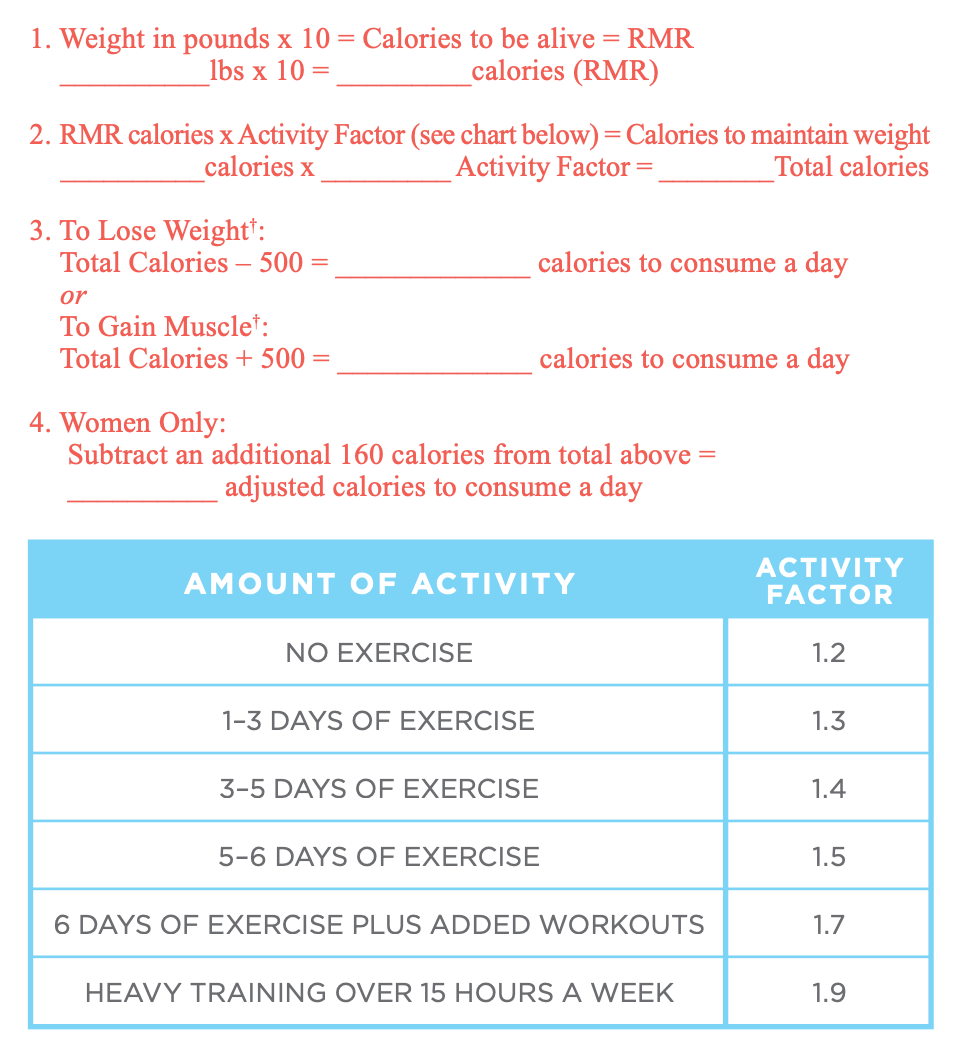
Understanding and managing calorie intake is a cornerstone of achieving various health and fitness goals, whether it’s weight loss, muscle gain, or maintaining a healthy lifestyle. For decades, this process often involved tedious manual calculations, guesswork, or adherence to rigid, generalized meal plans. However, in the 21st century, technology has dramatically transformed how we approach this fundamental aspect of personal well-being. From sophisticated mobile applications to integrated wearable devices and the burgeoning power of artificial intelligence, a vast array of digital tools now empowers individuals to accurately, conveniently, and insightfully track their caloric consumption and expenditure. This article delves into the technological landscape that has made figuring out calorie intake more accessible and precise than ever before, exploring the tools, strategies, and future innovations driving this revolution.
The Digital Revolution in Calorie Tracking
The journey to understanding one’s calorie intake has undergone a profound transformation, moving from rudimentary methods to highly sophisticated digital ecosystems. This evolution underscores not just a change in tools, but a paradigm shift in how individuals interact with their personal health data.
Evolution from Manual Logging to Smart Systems
Historically, individuals relied on nutrition labels, cookbooks, and often cumbersome food diaries to meticulously record every bite. This manual approach, while foundational, was prone to inaccuracies, often discouraging due to its time-consuming nature and lack of immediate feedback. The advent of personal computers brought initial database-driven software, offering a slight improvement, but it was the proliferation of smartphones and high-speed internet that truly democratized calorie tracking. Today, smart systems leverage vast food databases, cloud computing, and intuitive user interfaces to automate much of the logging process, significantly reducing the barrier to entry for calorie management. This shift has not only made tracking easier but also more consistent, laying the groundwork for more advanced analytical capabilities.
Why Technology is Indispensable for Calorie Management
Technology’s role in calorie management extends far beyond mere convenience. It introduces layers of accuracy, efficiency, and motivational elements that were previously unattainable. Modern tools offer comprehensive food databases that can calculate calories and macronutrients for thousands of items, including restaurant meals and user-created recipes. Barcode scanners instantly retrieve nutritional information, while photo recognition AI is beginning to identify foods from images. Beyond intake, wearable devices provide real-time estimates of calorie expenditure based on activity levels, heart rate, and biometric data. This integrated approach allows for a holistic view of energy balance, crucial for effective goal setting. Furthermore, many platforms offer data visualization, progress tracking, and community support features, transforming what was once a chore into an engaging and empowering self-improvement journey.
Essential Tech Tools for Calorie Calculation
The market is rich with technological solutions designed to assist with calorie intake calculation, each offering unique features and levels of integration. Leveraging these tools effectively requires understanding their core functionalities and how they can be combined for optimal results.
Mobile Applications and Comprehensive Databases
At the forefront of tech-driven calorie tracking are mobile applications. Platforms like MyFitnessPal, Lose It!, Cronometer, and Yazio have become household names due to their expansive food databases and user-friendly interfaces. These apps allow users to log meals, often by searching a database of millions of foods, scanning barcodes, or even creating custom food entries and recipes. They instantly provide breakdowns of calories, macronutrients (proteins, carbs, fats), and micronutrients, offering unparalleled detail. Many also integrate with popular restaurant menus, simplifying tracking when eating out. Beyond logging, these apps typically offer goal setting features, allowing users to define their desired calorie targets and track progress over time, often including weight tracking and personalized insights. The ubiquity of smartphones makes these apps accessible anytime, anywhere, transforming calorie counting into a seamless part of daily life.
Wearable Devices and Integrated Ecosystems
Complementing nutrition tracking apps are wearable devices such as smartwatches (Apple Watch, Garmin, Samsung Galaxy Watch) and dedicated fitness trackers (Fitbit, Whoop). While their primary function is often activity and health monitoring, they play a critical role in the calorie equation by estimating calorie expenditure. These devices utilize sensors to track heart rate, steps, sleep patterns, and various activities, translating this data into an estimated Total Daily Energy Expenditure (TDEE). Crucially, many wearables offer robust integration with mobile nutrition apps. This synergy creates a powerful ecosystem: the app tracks calorie intake, while the wearable tracks calorie output, providing a comprehensive, real-time picture of energy balance. This integration helps users understand how their activity levels impact their calorie needs and allows for more dynamic adjustments to their dietary plans.
Smart Kitchen Gadgets for Automated Tracking
The kitchen itself is becoming increasingly smart, offering another layer of technological assistance in calorie management. Smart scales can automatically weigh food and connect to nutrition apps to log portions, eliminating manual entry and reducing measurement errors. Devices like smart blenders or food processors sometimes come with companion apps that can calculate the nutritional content of recipes prepared within them. While still an emerging category, innovations like smart plates or augmented reality (AR)-enhanced cameras are being explored to potentially identify food types and estimate portion sizes simply by placing food on a surface or viewing it through a device. These gadgets aim to further streamline the data collection process, making calorie tracking less intrusive and more integrated into the cooking and eating experience.
Leveraging AI and Advanced Analytics for Precision
Beyond simple tracking, artificial intelligence and advanced analytics are ushering in an era of hyper-personalized and predictive calorie management, offering insights that go far beyond what manual methods or basic apps could provide.
AI-Powered Meal Planning and Recommendations
Artificial intelligence is revolutionizing how individuals plan and manage their meals. Instead of generic diet plans, AI-powered platforms can analyze a user’s dietary preferences, restrictions, allergies, activity levels, and historical intake data to generate highly personalized meal plans. These systems can suggest recipes, adjust portion sizes, and even create grocery lists, all while ensuring the user remains within their target calorie and macronutrient goals. Some AI tools can adapt in real-time, learning from user feedback and making continuous adjustments to recommendations, optimizing for both nutritional adequacy and palatability. This level of dynamic personalization makes adherence to a calorie-controlled diet significantly more sustainable and enjoyable.
Predictive Analytics for Calorie Needs
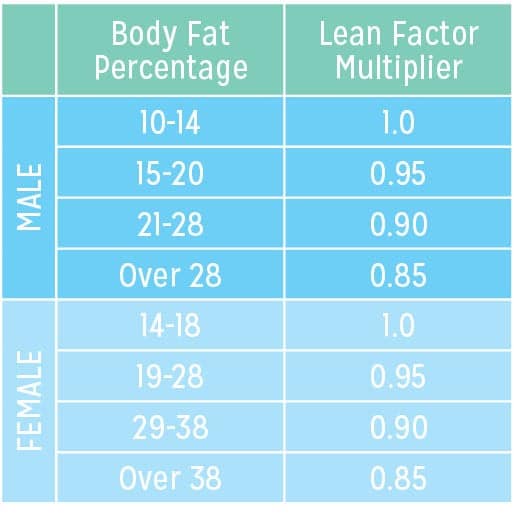
The true power of AI lies in its ability to go beyond current data to predict future needs and optimize strategies. By analyzing long-term data – including calorie intake, exercise, weight fluctuations, and even sleep patterns – AI algorithms can refine individual Basal Metabolic Rate (BMR) and TDEE estimates with greater accuracy than static formulas. These predictive models can anticipate how changes in activity or dietary patterns might impact progress towards a goal. For instance, if a user consistently burns more calories than initially estimated, the AI can suggest a slight increase in intake to prevent plateaus or fatigue. This dynamic adjustment based on personal physiological responses represents a significant leap from one-size-fits-all calculations.
Virtual Nutrition Coaches and Chatbots
The integration of AI extends to providing virtual coaching and support. Many advanced nutrition apps now feature AI-driven chatbots or virtual coaches that can answer questions, provide motivation, and offer personalized advice. These AI companions can help users understand their data, interpret trends, and make informed decisions about their diet. They can proactively check in, remind users to log meals, and offer tips based on identified patterns, such as suggesting healthier alternatives to frequently logged unhealthy foods. While not a replacement for human experts, these AI coaches provide scalable, 24/7 support that can significantly enhance user engagement and accountability in their calorie management journey.
Strategies for Effective Tech-Enabled Calorie Management
While technology provides powerful tools, their effectiveness hinges on how they are utilized. Adopting smart strategies for data input, integration, and interpretation is key to truly mastering calorie intake with tech.
Data Consistency and Accuracy: The “Garbage In, Garbage Out” Principle
The foundation of effective tech-enabled calorie management is accurate data input. The most sophisticated algorithms and interfaces are useless if the data entered is flawed. Users must commit to consistent and precise logging. This means carefully measuring portions, accurately selecting food items from databases (being mindful of different brands or preparations), and logging everything consumed, including snacks, drinks, and condiments. Utilizing barcode scanners, smart scales, and recipe builders within apps can significantly enhance accuracy and reduce manual errors. Periodically reviewing logged data for common mistakes or omissions can also help refine the process and ensure the insights generated are truly reflective of actual intake.
Integration and Ecosystem Syncing for a Holistic View
The true power of modern calorie management tech lies in its ability to create a cohesive ecosystem. Ensuring that nutrition tracking apps, wearable devices, and any smart kitchen gadgets are synced and communicate seamlessly is paramount. This integration allows for a holistic view of energy balance: calories consumed are offset against calories expended. When data flows automatically between devices and platforms, it reduces the need for manual transfers, minimizes errors, and provides a more accurate, real-time picture of an individual’s caloric status. For example, a workout logged on a smartwatch should automatically update the activity level in a nutrition app, adjusting the daily calorie target accordingly. This interconnectedness allows for dynamic adjustments and more precise goal tracking.
Interpreting Data for Actionable Insights
Collecting data is only half the battle; the other half is interpreting it to gain actionable insights. Tech tools excel at presenting data through charts, graphs, and summary reports, but users must learn to read beyond the raw numbers. Understanding trends—such as consistent under-reporting on weekends, periods of increased craving, or the impact of certain food types on energy levels—is crucial. Analyzing macronutrient breakdowns can reveal if one is consuming enough protein for muscle repair or too much unhealthy fat. Furthermore, comparing actual intake and expenditure with weight changes over time provides the ultimate feedback loop. This iterative process of tracking, analyzing, and adjusting is where the real power of tech-enabled calorie management lies, allowing individuals to fine-tune their approach based on empirical evidence from their own body.
The Future of Calorie Tracking Technology
The trajectory of calorie tracking technology points towards even greater automation, personalization, and seamless integration, promising a future where managing dietary intake is almost effortless and incredibly precise.
Non-Invasive Sensors and Real-Time Monitoring
The next frontier in calorie tracking involves non-invasive, real-time monitoring of metabolic responses. Imagine sensors that can estimate nutrient absorption or energy expenditure directly from bodily functions without requiring manual input. Continuous Glucose Monitors (CGMs), initially developed for diabetics, are already being adopted by non-diabetics to understand real-time blood sugar responses to different foods. Further innovations might include patches or ingestible sensors that track digestive processes, metabolic rate, or even the thermic effect of food. This level of physiological feedback could provide unprecedented insight into individual energy dynamics, allowing for hyper-accurate, on-the-fly calorie and macronutrient adjustments that are truly personalized to the moment.
Augmented Reality (AR) and Computer Vision
Augmented Reality (AR) and advanced computer vision are poised to revolutionize how we log food. Picture an AR app on your smartphone or smart glasses that, when pointed at a plate of food, automatically identifies the food items, estimates their portion sizes, and logs the calorie and macronutrient content with minimal user interaction. This technology could also provide real-time nutritional insights while grocery shopping or cooking. By eliminating the manual entry burden and guesswork associated with portion sizing, AR and computer vision could make calorie tracking virtually invisible and perfectly integrated into the eating experience, significantly boosting accuracy and compliance.
Hyper-Personalization and Predictive Health
The ultimate evolution of calorie tracking technology will merge vast datasets with advanced AI to move beyond simple tracking to predictive health management. By analyzing an individual’s long-term dietary patterns, activity, genetic predispositions, microbiome data, and even mood, future systems could predict health outcomes, anticipate nutritional deficiencies, or warn against potential metabolic issues. This hyper-personalized approach would proactively recommend dietary interventions, provide targeted supplementation advice, and even collaborate with healthcare providers. The goal is not just to count calories, but to use this data as part of a comprehensive system that optimizes overall health, prevents disease, and maximizes well-being through intelligent, data-driven nutritional strategies.

Conclusion
The journey of figuring out calorie intake has evolved dramatically, from rudimentary manual methods to sophisticated technological ecosystems. Today, mobile applications, wearable devices, smart kitchen gadgets, and the transformative power of artificial intelligence provide unprecedented accuracy, convenience, and insight into personal energy balance. These tools empower individuals to meticulously track consumption, estimate expenditure, and gain actionable insights, fundamentally changing the landscape of health and fitness management. As technology continues to advance with non-invasive sensors, augmented reality, and hyper-personalized predictive analytics, the future promises even more seamless, intuitive, and effective ways to understand and manage our caloric intake, paving the way for a healthier, more data-driven approach to well-being. Embracing these technological innovations responsibly is key to unlocking their full potential in achieving and maintaining optimal health.
aViewFromTheCave is a participant in the Amazon Services LLC Associates Program, an affiliate advertising program designed to provide a means for sites to earn advertising fees by advertising and linking to Amazon.com. Amazon, the Amazon logo, AmazonSupply, and the AmazonSupply logo are trademarks of Amazon.com, Inc. or its affiliates. As an Amazon Associate we earn affiliate commissions from qualifying purchases.