
In an increasingly data-driven world, understanding and managing our daily caloric intake has moved far beyond simple guesswork. What was once a tedious, manual calculation now benefits immensely from sophisticated technological advancements. From smartphone applications that instantly log meals to AI-powered platforms that personalize nutritional advice, technology has revolutionized how we approach dietary management, making it more accessible, precise, and integrated into our daily lives. For anyone looking to optimize their health, manage weight, or achieve specific fitness goals, leveraging the right tech tools is no longer a luxury but a fundamental necessity.

The Digital Revolution in Nutritional Tracking
The journey to pinpointing one’s ideal caloric intake has undergone a profound transformation, evolving from rudimentary methods to highly sophisticated digital ecosystems. This shift not only simplifies the process but also enhances its accuracy and personalization.
From Pen and Paper to Pixels: A Brief History
For decades, determining caloric needs involved consulting cumbersome food charts, manually calculating macronutrient breakdowns, and diligently journaling every bite. This analog approach, while foundational, was prone to human error, time-consuming, and often lacked the granularity needed for precise dietary management. The advent of personal computing began to offer digital alternatives, but it was the smartphone and widespread internet access that truly ignited the digital revolution in nutrition. Early online calculators and basic databases paved the way for dedicated apps, transforming the complex task of calorie counting into an intuitive, on-the-go experience. Today, the sheer volume of nutritional data at our fingertips, coupled with intelligent processing power, offers an unprecedented level of insight into our eating habits and energy expenditure.
The Core Science: BMR, TDEE, and Digital Estimation
At the heart of figuring out caloric needs lies fundamental metabolic science:
- Basal Metabolic Rate (BMR): The number of calories your body burns at rest to maintain basic physiological functions (breathing, circulation, organ function).
- Total Daily Energy Expenditure (TDEE): Your BMR plus the calories burned through physical activity and the thermic effect of food (digestion).
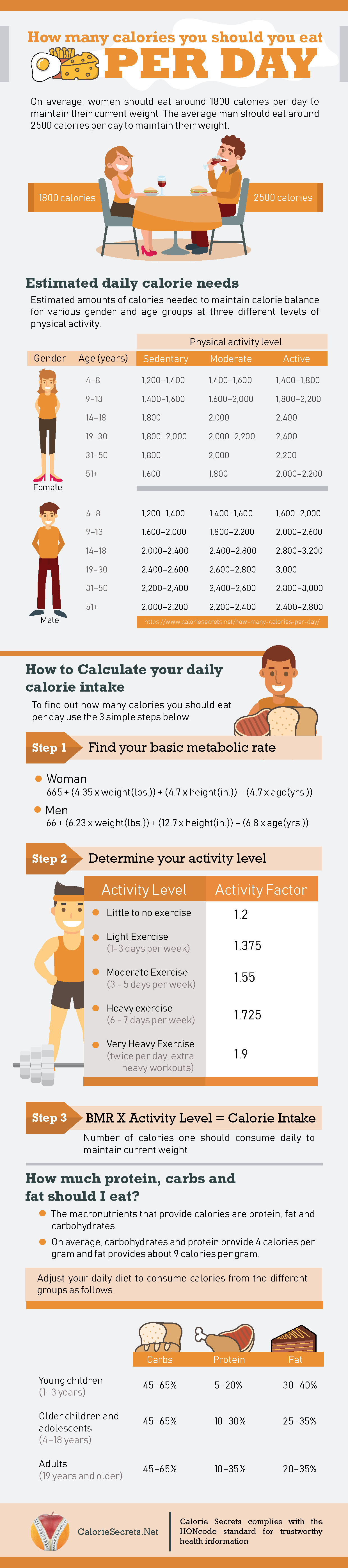
Traditionally, calculating BMR involved complex equations like the Mifflin-St Jeor or Harris-Benedict formulas, requiring manual input of age, gender, weight, and height. TDEE further demanded estimating activity levels, a notoriously subjective task. Modern technology streamlines this significantly. Online calculators and fitness apps now automate these calculations, often integrating with other data sources to refine accuracy. For instance, wearable devices can track movement and heart rate, providing a more objective measure of activity than self-reported estimates. This fusion of scientific formulas with real-time, personalized data collection forms the bedrock of tech-driven calorie management, moving us closer to truly personalized nutritional guidance.
Essential Tech Tools for Calorie Management
The market is saturated with innovative tools designed to assist in calorie tracking, each offering unique features and levels of integration. Understanding these different categories is key to building an effective tech stack for your nutritional goals.
Smartphone Apps: Your Pocket Nutritionist
Smartphone applications are arguably the most ubiquitous and accessible tools for calorie management. Apps like MyFitnessPal, Cronometer, LoseIt!, and Fooducate offer extensive databases of food items, allowing users to log meals by scanning barcodes, searching databases, or even taking photos (with AI-driven recognition features). These apps typically:
- Calculate daily calorie goals based on user input (age, weight, height, activity level, goal).
- Track macronutrient (protein, carbs, fat) and micronutrient intake.
- Provide visual summaries of progress over time.
- Offer community support, recipes, and educational content.
- Integrate with other fitness apps and wearable devices to sync activity data, automatically adjusting daily calorie expenditure.
The convenience of having a comprehensive nutrition tracker in your pocket has made disciplined eating more manageable for millions, transforming a once daunting task into a daily habit facilitated by a few taps.
Wearable Tech: Real-time Energy Expenditure
Wearable devices, such as smartwatches and fitness trackers (e.g., Apple Watch, Fitbit, Garmin), have revolutionized the “energy expenditure” side of the calorie equation. By monitoring heart rate, steps taken, distance covered, and even sleep patterns, these gadgets provide a much more accurate real-time estimate of calories burned throughout the day.
- Activity Tracking: They quantify non-exercise activity thermogenesis (NEAT) and intentional exercise, feeding this data into linked apps.
- Heart Rate Monitoring: Advanced optical sensors provide continuous heart rate data, crucial for estimating energy expenditure during workouts and at rest.
- Sleep Analysis: While not directly related to calories burned, sleep quality significantly impacts hormones that regulate appetite and metabolism, offering a holistic view of health.
When combined with food logging apps, wearables create a powerful feedback loop, allowing users to see the direct impact of their activity on their net caloric balance, fostering a more informed and proactive approach to managing their energy intake and output.
Smart Kitchen Gadgets: Precision at Home
Beyond wearables and apps, smart kitchen appliances are bringing digital precision directly into our food preparation.
- Smart Food Scales: These scales not only measure weight accurately but can also connect to companion apps to automatically log the nutritional information of ingredients. Some can even calculate macros for custom recipes.
- Smart Blenders and Cookers: While less directly tied to calorie counting, these devices often come with integrated recipe apps that provide precise ingredient measurements and nutritional breakdowns, simplifying meal prep for health-conscious individuals.
- QR Code-enabled Packaging: An emerging trend, some food products now feature QR codes that, when scanned by a smartphone, instantly import detailed nutritional information into tracking apps, eliminating manual entry and reducing errors.
These tools emphasize accuracy at the point of consumption, ensuring that the data fed into your digital tracking system is as precise as possible, which is critical for effective calorie management.
AI and Personalization: The Future of Dietary Guidance
Artificial Intelligence is rapidly elevating calorie management beyond simple tracking, moving towards truly personalized and predictive nutritional coaching.
Predictive Analytics for Tailored Nutrition
AI’s ability to process vast amounts of data allows for unprecedented levels of personalization. By analyzing a user’s logged food intake, activity levels, weight trends, preferences, and even genetic predispositions (with integration from health testing services), AI algorithms can:
- Predict optimal calorie and macronutrient targets: Far beyond generic formulas, AI can learn how an individual’s body responds to different inputs and adjust recommendations dynamically.
- Suggest meals and recipes: Based on dietary restrictions, preferences, and caloric goals, AI can generate personalized meal plans, minimizing decision fatigue.
- Identify patterns and trends: AI can highlight dietary deficiencies, areas of overconsumption, or times when an individual is most likely to deviate from their plan, offering proactive solutions.
This moves the process from reactive tracking to proactive, intelligent guidance, making it easier for individuals to adhere to their nutritional strategies.
Overcoming Data Overload: AI as Your Diet Coach
While technology provides an abundance of data, this can sometimes lead to “analysis paralysis.” AI steps in as a smart interpreter, turning raw data into actionable insights.
- Simplified Feedback: Instead of just presenting numbers, AI-powered platforms can offer clear, concise feedback on dietary choices, explaining why certain foods are beneficial or detrimental to specific goals.
- Behavioral Nudging: AI can use behavioral economics principles to gently nudge users towards healthier choices, offering reminders, motivation, and personalized challenges.
- Virtual Coaching: Some advanced platforms are beginning to offer AI-driven conversational interfaces that mimic a human coach, providing encouragement, answering nutritional questions, and helping users navigate complex dietary decisions.
The goal is to make the complex world of nutrition understandable and manageable for everyone, leveraging AI to bridge the gap between data and daily habits.
Optimizing Your Tech-Driven Calorie Strategy
Maximizing the benefits of nutritional technology requires a thoughtful approach to integration, understanding holistic health, and being mindful of data security.
Integrating Multiple Platforms for a Holistic View
The true power of modern tech lies in its interoperability. For optimal calorie management, consider integrating:
- Food Logging Apps + Wearable Devices: This allows for a precise balance between “calories in” (from food) and “calories out” (from activity), dynamically adjusting your net balance throughout the day.
- Smart Scales (body weight) + Fitness Apps: Tracking weight fluctuations alongside caloric intake helps you understand the impact of your diet and exercise, adjusting strategies as needed.
- Health Record Systems + Nutritional Apps: In the future, a deeper integration with electronic health records could allow AI systems to factor in medical conditions, medications, and clinical biomarker data for even more personalized and medically sound dietary recommendations.
A unified ecosystem provides a comprehensive picture of your health journey, making adjustments more informed and effective.
Beyond the Numbers: Mindful Eating and Tech Support
While calorie counting is about numbers, healthy eating is also about mindfulness and hunger cues. Tech can support this balance:
- Scheduled Reminders: Apps can remind you to eat at regular intervals, preventing extreme hunger that can lead to overeating.
- Pacing Features: Some apps offer timers for meals, encouraging slower eating, which aids digestion and allows your body to register fullness.
- Journaling Features: Beyond food logging, many apps include sections for mood, hunger levels, and how specific foods make you feel, fostering a deeper connection to your body’s signals.
Technology, when used thoughtfully, can enhance rather than replace intuitive eating, providing a framework that supports mindful choices.
Data Security and Privacy in Nutritional Apps
As we entrust more personal health data to applications and cloud services, data security and privacy become paramount. When choosing tech tools for calorie management:
- Review Privacy Policies: Understand how your data is collected, stored, and shared.
- Opt for Reputable Providers: Stick to well-known apps and brands with strong track records in data protection.
- Use Strong Passwords and Two-Factor Authentication: Protect your accounts from unauthorized access.
- Be Mindful of Integrations: Understand what data is shared between connected apps and services.
Safeguarding your personal health information is as important as the insights you gain from the technology itself.
The Human Element: When Tech Meets Intuition
Despite the undeniable advantages of technology, the human element remains irreplaceable in the pursuit of sustainable health and well-being.
Understanding Limitations and Avoiding Obsession
While tech provides precision, it’s crucial to acknowledge its limitations. No algorithm can perfectly understand the nuances of an individual’s metabolism, stress levels, or emotional relationship with food. Over-reliance on numbers can sometimes lead to:
- Orthorexia: An unhealthy obsession with eating “healthy.”
- Disordered Eating: Fixation on calories can spiral into unhealthy patterns if not managed with a balanced perspective.
- Ignoring Hunger Cues: Relying solely on calorie targets can override the body’s natural signals of hunger and fullness.
Technology is a tool to empower, not to dictate. It should serve as a guide and a source of insight, not an inflexible rulebook that overshadows intuition and mental well-being.
Consulting Experts: The Role of Dietitians in a Tech-Driven World
Even with the most advanced AI and tracking tools, the expertise of human professionals remains invaluable. Registered dietitians and nutritionists can:
- Interpret Data: Help you understand the complex insights from your tracking apps and wearables in the context of your unique health profile.
- Provide Personalized Guidance: Offer tailored advice that considers medical conditions, lifestyle factors, and psychological aspects of eating that technology might miss.
- Address Complex Issues: Assist with clinical nutritional needs, eating disorders, or performance nutrition goals that require nuanced, human-centric solutions.
Technology acts as a powerful enabler, providing data and automation, but the wisdom, empathy, and personalized guidance of a human expert often provide the missing pieces for long-term success and a truly holistic approach to health. By integrating cutting-edge tech with professional insight, individuals can achieve the most accurate, sustainable, and psychologically sound approach to figuring out and managing their caloric intake.
aViewFromTheCave is a participant in the Amazon Services LLC Associates Program, an affiliate advertising program designed to provide a means for sites to earn advertising fees by advertising and linking to Amazon.com. Amazon, the Amazon logo, AmazonSupply, and the AmazonSupply logo are trademarks of Amazon.com, Inc. or its affiliates. As an Amazon Associate we earn affiliate commissions from qualifying purchases.