
The concept of “making money while you sleep” has long been the cornerstone of financial independence. However, the reality of passive income is often shrouded in hyperbole and “get-rich-quick” rhetoric. In its truest form, passive income is not about avoiding work; it is about decoupling your earnings from your time. Unlike active income, where your paycheck is a direct reflection of hours clocked, passive income relies on assets—whether capital, intellectual, or digital—that continue to generate revenue long after the initial effort has been expended.
For the modern professional, diversifying income streams is no longer a luxury but a strategic necessity. With the volatility of traditional job markets and the erosive power of inflation, establishing robust passive income channels provides a financial buffer and a path toward long-term wealth. This guide explores the most viable strategies for generating passive income, categorized by their entry requirements, risk profiles, and potential for scalability.
1. Capital-Intensive Passive Income: Leveraging Existing Wealth
The most traditional path to passive income requires the deployment of capital. If you have savings, these strategies allow your money to work for you through the power of compounding and market appreciation.
Dividend-Growth Investing
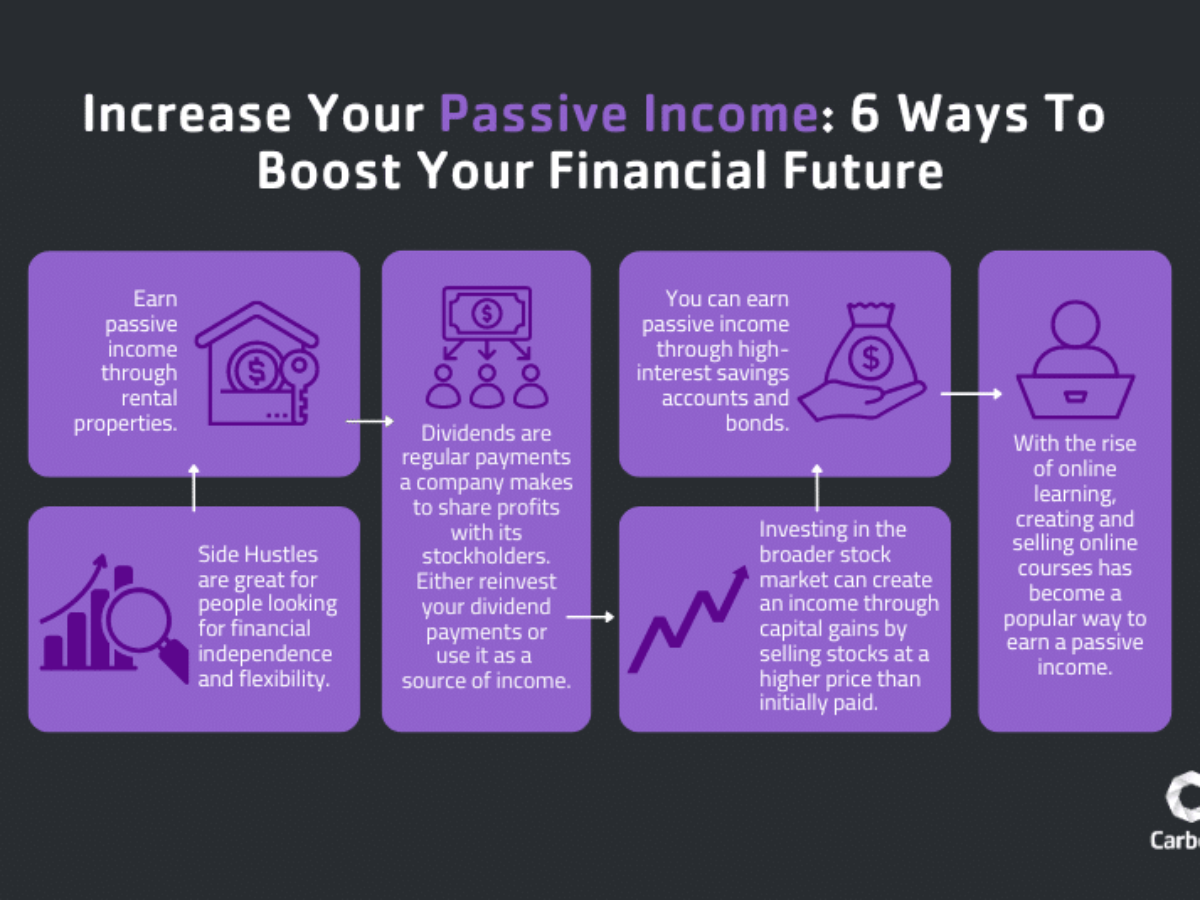
Dividend-growth investing involves purchasing shares in established companies that distribute a portion of their earnings to shareholders. The goal is to build a portfolio of “Dividend Aristocrats”—companies that have not only paid but increased their dividends for at least 25 consecutive years. This method provides two layers of return: the quarterly cash payout and the long-term capital appreciation of the stock itself. By reinvesting these dividends, investors can leverage compounding to grow their holdings exponentially over decades.
Real Estate Investment Trusts (REITs)
For those who want exposure to the real estate market without the logistical headaches of property management, REITs are an ideal vehicle. A REIT is a company that owns, operates, or finances income-producing real estate. By law, REITs must distribute at least 90% of their taxable income to shareholders as dividends. This allows individual investors to earn a share of the income produced through commercial real estate—such as apartment complexes, hospitals, or shopping malls—without ever having to fix a leaky faucet or chase a tenant for rent.
High-Yield Fixed Income and Private Credit
In a fluctuating interest rate environment, high-yield savings accounts, Certificates of Deposit (CDs), and Treasury bonds offer a low-risk entry point into passive income. For those with a higher risk appetite, private credit and peer-to-peer (P2P) lending platforms allow individuals to act as the bank. By lending capital to small businesses or individuals in exchange for interest payments, you can often secure higher returns than those offered by traditional banking institutions, though this comes with increased default risk.
2. Content and Intellectual Property: The “Sweat Equity” Model
If you lack significant upfront capital, you can substitute it with “sweat equity”—the investment of time and expertise to create an asset that can be sold repeatedly.
Digital Products and Educational Assets
The creator economy has democratized the ability to monetize expertise. Developing a digital product, such as an e-book, a comprehensive online course, or a specialized template (e.g., financial planners or project management boards), requires a heavy upfront time investment. Once the product is hosted on a platform like Teachable, Gumroad, or Amazon Kindle Direct Publishing, the cost of selling to the 1,000th customer is virtually zero. This high-margin scalability makes digital products one of the most effective ways to build wealth from scratch.
Licensing and Royalties
Intellectual property extends beyond written words. Photography, music, and software code can be licensed through stock platforms. Professional photographers can upload their portfolios to agencies like Adobe Stock or Shutterstock, earning a royalty every time a business downloads their image. Similarly, musicians can license tracks for use in YouTube videos or corporate presentations. These micro-royalties may start small, but a large, high-quality portfolio can generate significant monthly revenue with zero ongoing maintenance.
The Power of Subscription-Based Memberships
While traditionally considered “active,” many creators are shifting toward “gatekeeper” models where they provide ongoing value behind a paywall (such as Substack or Patreon). By automating the delivery of insights, research, or tools, you create a recurring revenue model. The key to making this passive is to create “evergreen” content—material that remains relevant for months or years—reducing the need for a constant content treadmill.
3. Digital Ecosystems and Automated Marketing
The internet provides unique infrastructure for building automated business systems that require minimal human intervention once the initial “plumbing” is set up.
Affiliate Marketing and Niche Authority Sites
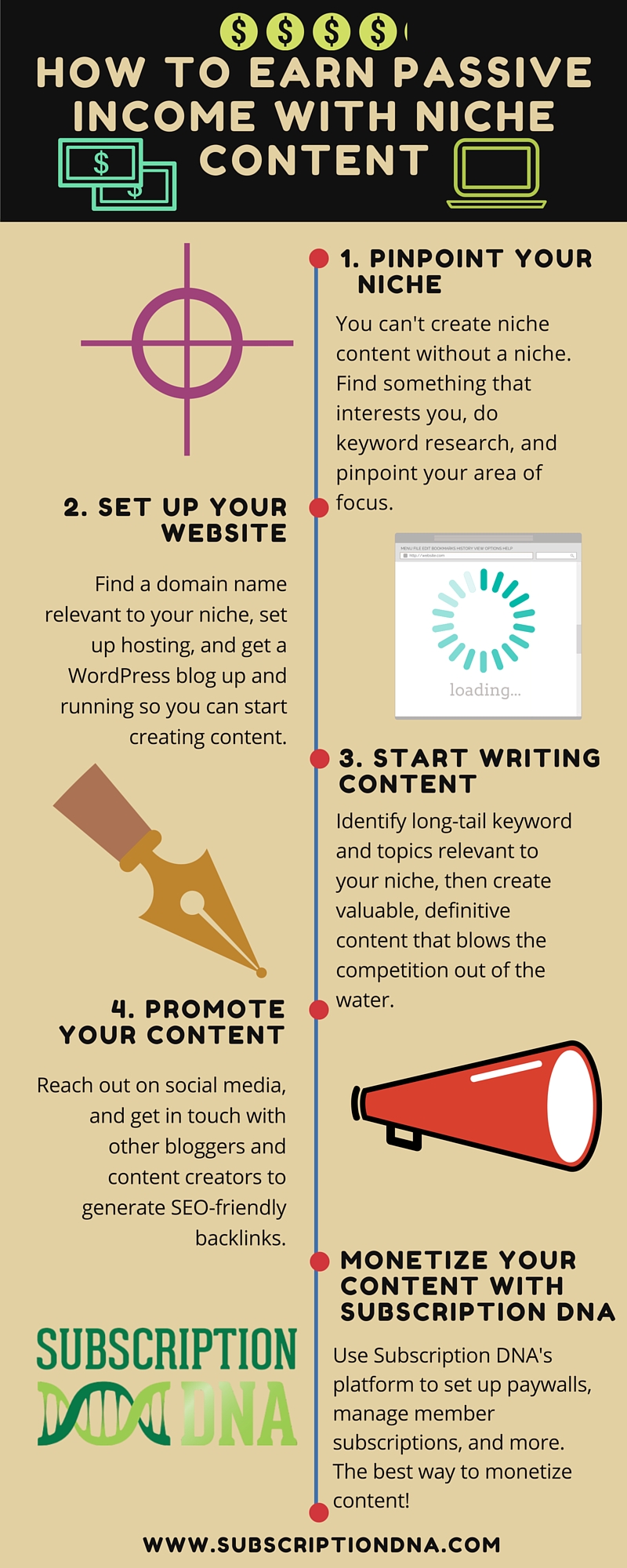
Affiliate marketing involves promoting a third party’s product and earning a commission on every sale made through your unique referral link. The most sophisticated version of this is the “Niche Authority Site.” By creating a website focused on a specific category—such as “high-end home brewing equipment” or “sustainable outdoor gear”—and optimizing it for search engines (SEO), you can attract organic traffic. When readers click your links and make a purchase, you earn a percentage. Unlike a traditional store, you hold no inventory and handle no customer service.
Print-on-Demand (POD)
The Print-on-Demand model is a hybrid of creative design and e-commerce. You create designs for apparel, mugs, or home decor and upload them to platforms like Printful or Redbubble. These platforms integrate with storefronts like Etsy or Shopify. When a customer places an order, the platform prints the item and ships it directly to the buyer. Your role is purely the designer and marketer; the logistics, manufacturing, and fulfillment are entirely automated by the provider.
Automated E-commerce via Dropshipping and FBA
While e-commerce can be labor-intensive, models like Amazon FBA (Fulfillment by Amazon) allow for significant automation. By sourcing a product and shipping it to Amazon’s warehouses, you delegate the storage, picking, packing, and shipping to them. While this requires ongoing inventory management and marketing, the day-to-day operations are handled by Amazon’s global logistics network, turning a retail business into a largely passive income stream.
4. Physical Asset Monetization: High-Margin Utility
Passive income doesn’t always have to be digital or stock-based. Physical assets in the real world can be turned into automated revenue generators.
Vending Machines and Automated Retail
The vending machine business is a classic example of “unattended retail.” Modern machines accept credit cards and provide real-time inventory tracking via mobile apps. Owners can monitor stock levels from home and only visit the machines once a week for restocking. Beyond snacks, automated kiosks for laundry, car washes, or even specialized items like high-end electronics can provide significant cash flow with low overhead and minimal time commitment.
Renting Out Underutilized Assets
The sharing economy allows you to monetize assets you already own. Platforms like Turo allow you to rent out your vehicle when it’s not in use, while storage platforms allow you to rent out unused basement or garage space. For those with larger plots of land, specialized platforms allow for the rental of campsites or even private dog parks. These methods turn existing liabilities (things that cost you money to maintain) into income-producing assets.
5. Strategic Management for Long-Term Sustainability
Generating passive income is only half the battle; maintaining and growing it requires a professional approach to financial management.
The “Maintenance” Myth
One of the biggest pitfalls for beginners is the belief that passive income is “set it and forget it.” In reality, even the most automated systems require “check-ins.” Dividend portfolios need rebalancing; niche websites need software updates; and digital products may need occasional refreshing to stay relevant. Successful practitioners of passive income schedule monthly or quarterly reviews to ensure their assets are performing optimally and to pivot if market conditions change.
Diversification and Risk Mitigation
Just as you wouldn’t put all your money into a single stock, you shouldn’t rely on a single passive income stream. Platform risk is a real threat—Amazon can change its commission rates, or Google can update its algorithm, affecting your site’s traffic. A professional wealth-building strategy involves diversifying across different types of passive income: combining a capital-based stream (dividends) with a content-based stream (e-books) and a physical asset stream (rental income).
Tax Efficiency and Reinvestment
Passive income is taxed differently depending on its source and your jurisdiction. For example, qualified dividends may be taxed at a lower rate than ordinary income, while “passive activity losses” from real estate can often be used to offset other gains. Understanding the tax implications of your income streams is crucial for maximizing your net return. Furthermore, the fastest way to scale passive income is to resist the urge to spend the initial earnings. By reinvesting the profits back into the asset—whether by buying more shares or increasing your marketing spend—you accelerate the compounding effect, moving closer to true financial freedom.

Conclusion: Starting the Journey Toward Financial Autonomy
Building a portfolio of passive income streams is a marathon, not a sprint. It requires a fundamental shift in mindset: viewing every dollar or hour spent as a seed planted for a future harvest. Whether you choose to invest in the stock market, create digital assets, or build automated businesses, the key is to start small and remain consistent.
By decoupling your income from your time, you aren’t just earning more money; you are buying back your most precious commodity—freedom. As these streams grow and coalesce, they create a financial foundation that can withstand economic shifts and provide the security necessary to pursue your life’s work on your own terms.